Senior Pit Bull Food After Ten
Senior Pit Bull nutritional needs change after age ten, requiring diet adjustments for slower metabolism, joint health, and digestion.
The daily stuff, done right.
Feeding amounts by life stage, coat and skin routines, dental and nail care, exercise needs, and what changes as they age.

Senior Pit Bull nutritional needs change after age ten, requiring diet adjustments for slower metabolism, joint health, and digestion.
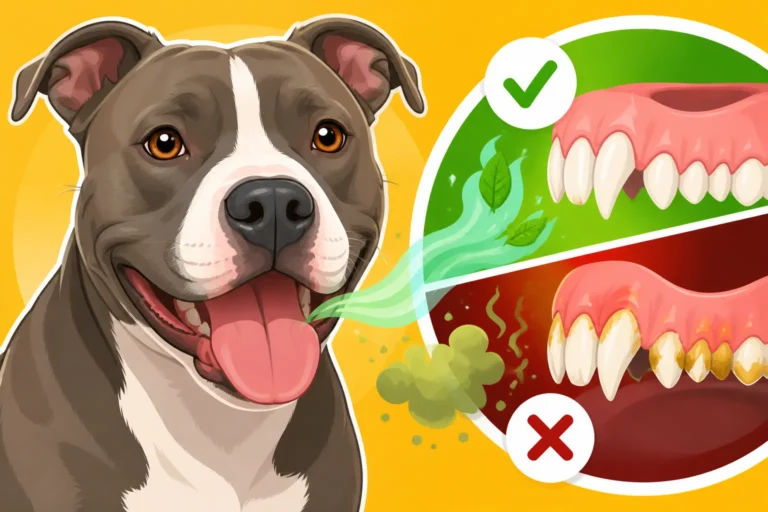
Pit Bull breath odors signal normal canine habits or dental disease, explaining how to recognize serious warning signs and dental issues.
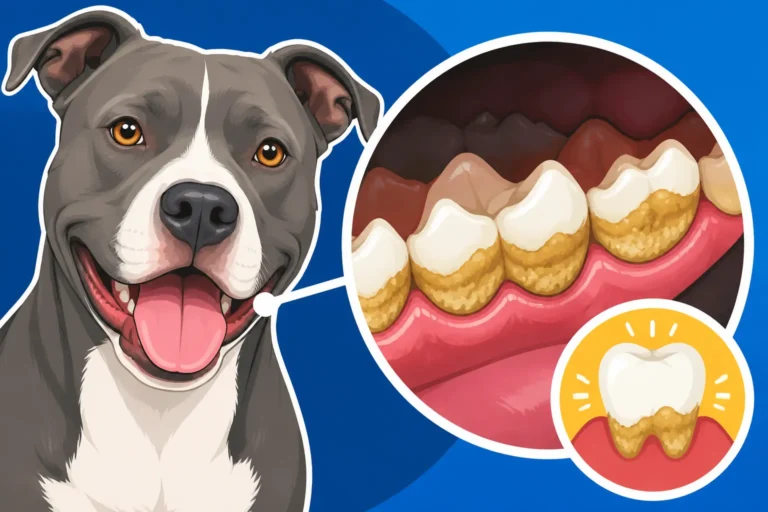
Tartar buildup on Pit Bull molars causes gum disease, and owners can learn prevention methods and early warning signs to protect dog health.
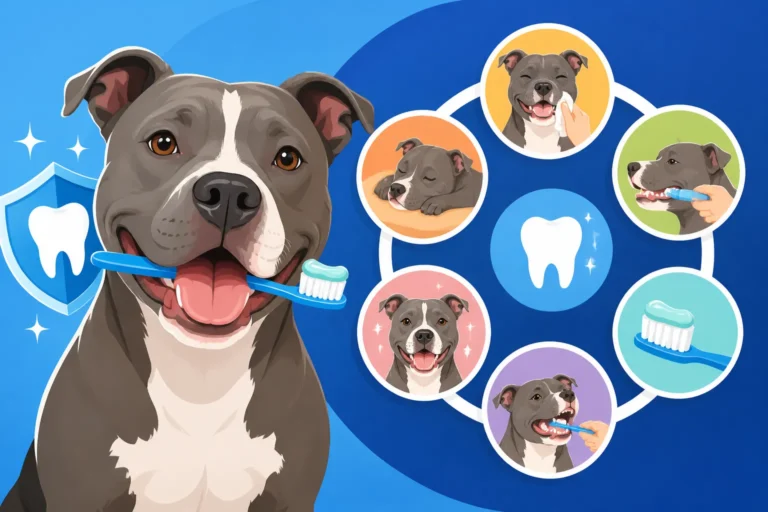
Pit Bull dental care prevents plaque and periodontal disease by establishing a practical weekly toothbrushing routine for strong jaws.
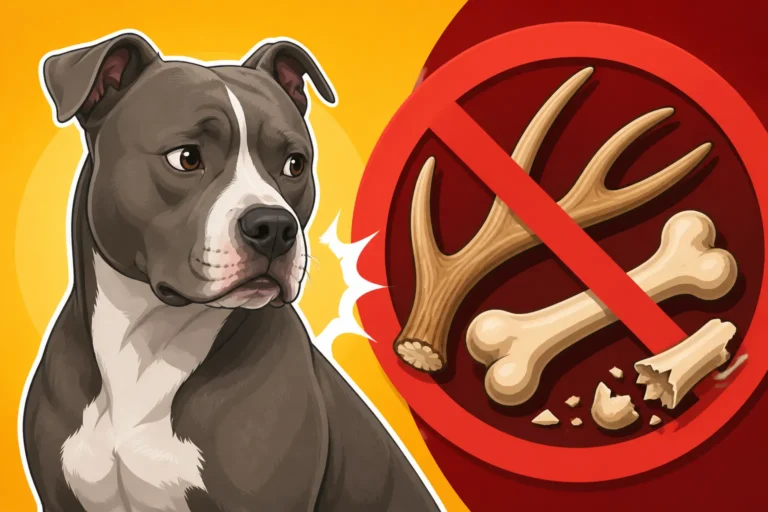
Pit Bull chew safety requires avoiding hard antlers and bones to prevent painful tooth fractures and dangerous digestive damage.

Pit Bull jaw strength and safe dog chews explain how to prevent painful cracked teeth, slab fractures, and expensive veterinary procedures.
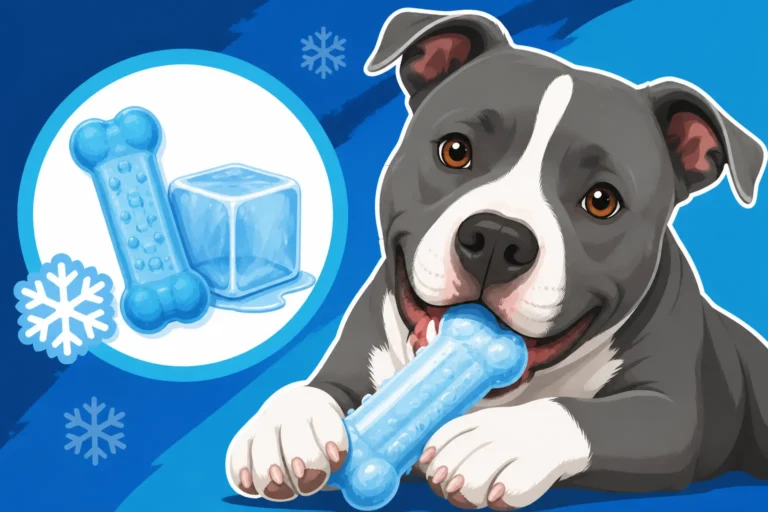
Cold chews for a teething Pit Bull relieve gum pain, reduce swelling, and stop destructive puppy chewing at three to six months.
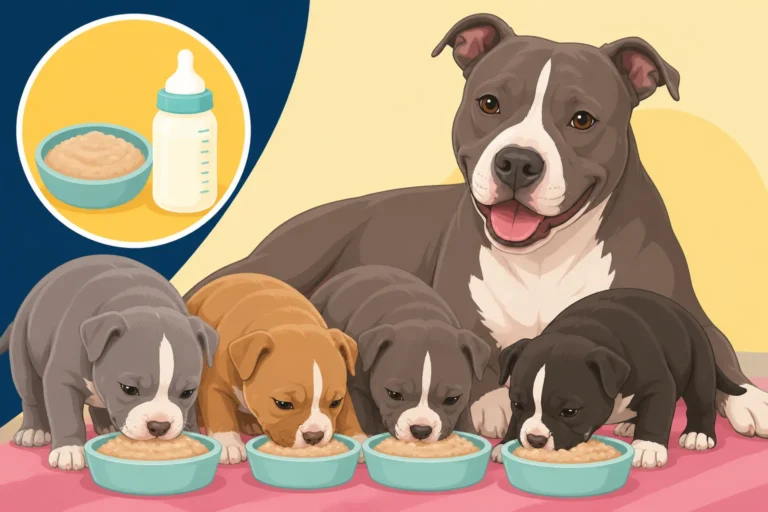
Pit Bull puppy weaning at three to four weeks provides a gradual transition from milk to solid food and reduces the mother dog’s strain.
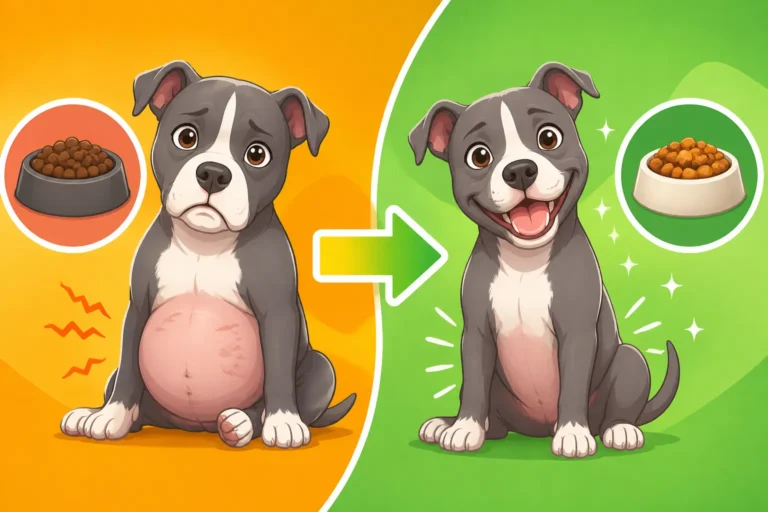
Pit Bull puppy stomach distress from new food causes diarrhea and vomiting, requiring slow dietary transitions to protect sensitive digestion.

Pit Bull food transition guidelines explain when growth plates close and how to switch puppies to adult formulas safely.