What a Pit Bull’s Breath Says About Its Teeth
It's a frustrating, all-too-common scenario for Pit Bull owners: you lean in for a loving nuzzle from your beloved companion, only to be hit with a wave of truly awful breath. That notorious "dog breath" can be more than just unpleasant; it's often a significant indicator of underlying dental issues that need your attention. This guide will walk you through what your Pit Bull's breath is trying to tell you about their oral health, from normal doggy odors to serious concerns that warrant a vet visit.
Understanding Bad Breath in Your Pit Bull
Let's face it, no dog has perpetually minty fresh breath unless they just swiped a breath mint from your purse (which, please don't let them do!). There's a baseline level of "dog breath" that's generally considered normal, but knowing when that odor crosses the line from typical to troublesome is crucial for your Pit Bull's health.
When Bad Breath is Just "Dog Breath"
Sometimes, what you're smelling is just… well, a dog being a dog. Maybe they just had a particularly smelly meal, like some canned tripe or fish-based food. Perhaps they've been enjoying a robust chew on a favorite rawhide (though be mindful of chews that can damage teeth, which we’ll discuss later). Or, quite possibly, they've been exploring the backyard with their nose, discovering all sorts of delightful (to them) aromas to lick up. These transient odors usually fade within a short time, and you won't notice any other accompanying symptoms like changes in appetite or mood. It's the kind of smell that makes you wrinkle your nose but doesn't send alarm bells ringing. It’s part of living with a canine companion, and usually nothing to worry about.
However, even "normal" dog breath isn't exactly pleasant, and it's always a good idea to monitor it. What you consider normal today might actually be a very early sign of issues brewing. Think of it as a low hum in the background – it's there, but you don't always pay attention until it gets louder. If you're new to Pit Bulls or dogs in general, it might take a little while to calibrate your nose to what's typical for your particular pup. But trust your gut: if something feels off, it usually is.
The Warning Signs of Worsening Halitosis
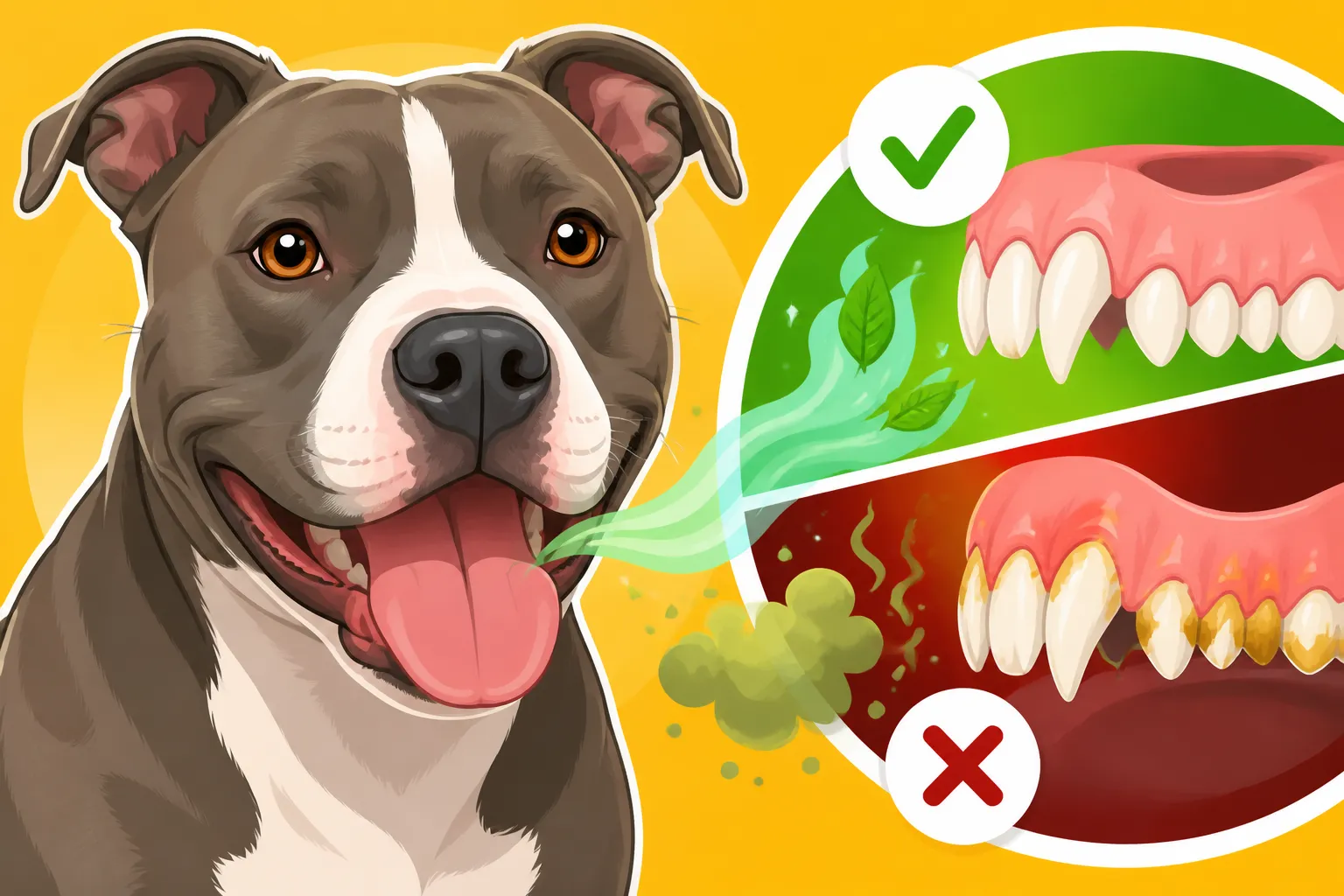
When bad breath becomes persistent, strong, and truly offensive, we're moving into the realm of halitosis, and that's usually a red flag. This isn't just a fleeting smell after a snack; it's a pervasive odor that you might notice even when your Pit Bull is across the room. It often has a distinct, rotten, or sickly sweet smell, sometimes even described as fishy or fecal, depending on the underlying cause. This kind of breath often indicates a bacterial overgrowth in the mouth, which is a hallmark of dental disease.
Beyond the smell itself, you might start noticing other changes. Maybe your Pit Bull is less enthusiastic about eating their dry kibble, preferring softer foods. Perhaps they're shying away when you try to examine their mouth, or they might even drool excessively. These are all subtle cues that their mouth is causing them pain or discomfort. It’s a frustrating situation because Pit Bulls, being tough dogs, often try to hide their pain, so you really have to pay attention to these nuanced signals. Ignoring this kind of chronic bad breath is like ignoring a check engine light in your car – it might run for a while, but you’re risking a much bigger breakdown down the line.
Common Dental Issues Behind Foul Breath
So, what exactly causes that truly foul breath? Most often, it's periodontal disease, which begins with plaque and tartar accumulation. Plaque is a sticky film of bacteria, food particles, and saliva that constantly forms on teeth. If not removed, it hardens into tartar (calculus), a rough, porous substance that provides an ideal surface for more bacteria to adhere. This tartar acts like a scaffold for even more bacterial growth, leading to inflammation of the gums (gingivitis) and eventually, infection and damage to the supporting structures of the teeth.
But it's not just gum disease. Other issues can also contribute. Sometimes, a fractured tooth, perhaps from chewing on something too hard like an antler or a rock, can become infected and produce a terrible smell. Abscesses, which are pockets of pus caused by bacterial infection, are another common culprit. You might also find foreign objects lodged in their mouth, like a stick fragment or a piece of bone, causing irritation and infection. Less commonly, but still possible, are oral tumors, kidney disease, or diabetes, all of which can alter breath odor. This is why a veterinary check-up is so important – they can pinpoint the exact cause. We'll delve deeper into dental disease in the next section, but just know that there's a range of potential culprits for that truly offensive scent.
The Stages of Pit Bull Dental Disease
Dental disease doesn't just appear overnight; it's a progressive condition that starts subtly and worsens over time if left untreated. Understanding these stages can help you intervene early and prevent more serious problems for your Pit Bull.
Gingivitis: The First Step
Gingivitis is the earliest and most reversible stage of periodontal disease. It's essentially inflammation of the gums. You'll notice your Pit Bull's gums around the teeth looking redder, perhaps a bit swollen, and they might even bleed easily when touched or when your dog chews on a toy. The breath might start to become noticeably less pleasant, but it often isn't yet the truly offensive smell associated with advanced disease. At this stage, plaque has accumulated, but it hasn't yet hardened into significant tartar, and the deeper structures supporting the teeth are still healthy.
The good news about gingivitis is that it's completely reversible with proper care. Regular brushing and professional dental cleaning can remove the plaque and tartar, allowing the gums to heal. If you catch it early, you can save your Pit Bull a lot of discomfort and prevent the disease from progressing. It's like having a cavity that's just starting – a simple filling can fix it before it becomes a root canal situation. This is where getting on a good home care routine, perhaps with enzymatic toothpaste and brushes found on Amazon or Chewy, can make a huge difference.
Periodontal Disease: A Deeper Problem
If gingivitis isn't addressed, it progresses to periodontal disease. This is where things get more serious. The inflammation and infection spread beyond the gums to the ligaments and bone that support the teeth. At this stage, you'll start to see more significant tartar buildup, often forming a dark, crusty layer at the gumline. The gums will be severely red and swollen, and they might have receded, exposing more of the tooth root. Your Pit Bull's breath will almost certainly be quite foul, a strong indicator of the deep-seated infection.
As periodontal disease advances, it creates pockets between the gums and teeth where bacteria can thrive, leading to further destruction of tissue and bone. This is incredibly painful for your dog and can lead to tooth mobility and eventual tooth loss. Imagine having your teeth feel loose, or a constant dull ache in your jaw – that's what many dogs with periodontal disease experience. It's a challenging situation for a breed known for its strong jaws and love of chewing. At this point, home care alone isn't enough; professional intervention, including deep cleaning under anesthesia and potentially extractions, becomes necessary. Pit Bull Dental Cleaning Schedule discusses how frequently these professional cleanings might be needed.
Abscesses and Infections: Serious Complications
The most advanced and painful stages of dental disease often involve tooth root abscesses and systemic infections. An abscess forms when the infection has progressed so deeply that it creates a pocket of pus at the root of the tooth, often eroding the surrounding bone. These are excruciatingly painful. You might see swelling on your Pit Bull's face, usually under an eye or along the jaw, which indicates a severe infection. The pus from the abscess can drain into the mouth or even through the skin, leading to a visible sore. The breath will be overwhelmingly putrid, a smell you won't soon forget.
Beyond the immediate pain and local infection, advanced periodontal disease can have far-reaching effects on your Pit Bull's overall health. Bacteria from the mouth can enter the bloodstream and travel to vital organs like the heart, kidneys, and liver, causing serious secondary infections or exacerbating existing conditions. For a robust dog like a Pit Bull, this can be incredibly debilitating. Pit Bull Heart and Thyroid Conditions can be worsened by chronic infection. This isn't just about bad breath anymore; it's about life-threatening systemic illness. Timely diagnosis and aggressive treatment, often involving tooth extraction and antibiotics, are critical to resolve these serious complications and prevent further harm.
Here's a quick look at the stages:
| Stage of Dental Disease | Key Symptoms | Breath Odor | Treatment Required | Reversible? |
|---|---|---|---|---|
| Healthy | Pink gums, no bleeding, clean teeth. | Minimal "dog breath". | Home care, regular check-ups. | N/A |
| Stage 1: Gingivitis | Reddened, slightly swollen gums; minor plaque/tartar. | Mildly unpleasant. | Professional cleaning, enhanced home care. | Yes |
| Stage 2: Early Periodontitis | Increased redness/swelling; moderate tartar; gum recession; shallow pockets. | Noticeably foul. | Professional cleaning (scaling, polishing), sometimes minor extractions. | Partially, tissue damage irreversible. |
| Stage 3: Moderate Periodontitis | Significant tartar; deep pockets; moderate bone loss; tooth mobility. | Very foul, rotten. | Extensive professional cleaning, extractions. | No, only managed. |
| Stage 4: Advanced Periodontitis | Severe tartar; major bone loss; loose teeth; abscesses; pus. | Overpoweringly putrid. | Multiple extractions, sometimes jaw repair, long-term antibiotics. | No, only managed. |
Beyond Bad Breath: Other Clues to Dental Trouble
While bad breath is often the first and most obvious sign, it's certainly not the only clue that your Pit Bull might be suffering from dental problems. Being observant of their overall behavior and physical appearance can help you catch issues even before the odor becomes unbearable.
Changes in Eating Habits and Behavior
A Pit Bull with a sore mouth might become hesitant to eat, especially hard kibble or crunchy treats. You might notice them dropping food, chewing on only one side of their mouth, or suddenly developing a preference for softer foods, even if they've always loved their dry kibble. Imagine the pain of biting down on a loose or infected tooth – it makes eating a chore, not a pleasure. They might approach their food bowl eagerly but then walk away, or take small, tentative bites. Sometimes, they might even seem hungrier than usual but reluctant to actually finish their meal due to discomfort.
Beyond eating, their general demeanor can change. Pain makes anyone grumpy, and dogs are no exception. Your usually playful Pit Bull might become withdrawn, less enthusiastic about games of tug (a classic Pit Bull favorite that relies on a strong, healthy mouth), or generally irritable. They might resist having their face or head touched, or even snap if you inadvertently touch a painful area. Increased drooling, sometimes with blood, can also be a sign of oral pain. Pay close attention if your typically robust chewer suddenly loses interest in toys; Chews That Crack a Pit Bull Molar highlights the risks, but a complete aversion to chewing could be a red flag. These behavioral shifts, when coupled with bad breath, strongly suggest your Pit Bull needs veterinary dental attention.
Visible Signs on Teeth and Gums
A quick visual inspection of your Pit Bull's mouth, if they'll allow it, can reveal a lot. Look for significant buildup of yellow or brown tartar, especially on the back molars and along the gumline. The gums themselves should be a healthy pink; if they are red, swollen, or bleeding, that's a sign of inflammation. You might also notice gum recession, where the gums pull away from the tooth, exposing the root. Fractured or chipped teeth are also common in Pit Bulls, given their powerful jaws and propensity for intense chewing. These fractures can expose the sensitive inner pulp of the tooth to bacteria, leading to pain and infection.
Don't forget to check for foreign objects, like splinters of bone or wood, that might be lodged between teeth or in the roof of the mouth. Sometimes, you'll see a swelling on the face, usually below the eye, which can indicate a tooth root abscess. Other times, a persistent discharge from one nostril might actually be related to an infected upper canine tooth. While your Pit Bull might not always cooperate for a thorough inspection, getting a quick peek regularly as part of their A Weekly Toothbrushing Routine for a Pit Bull can help you spot these issues early.
Why Regular Vet Checks are Crucial
Even if you're diligent with home care and sharp at spotting symptoms, regular veterinary check-ups are absolutely non-negotiable for maintaining your Pit Bull's oral health. Vets can perform a much more thorough oral examination than you can at home, often identifying problems that are hidden from the naked eye or that your dog is trying to conceal. They have specialized tools and training to assess the severity of dental disease, look for underlying causes of bad breath, and recommend appropriate treatment.
During their routine physical exam, your vet will perform a basic oral assessment. They'll lift the lips, check for tartar, gum inflammation, and any obvious broken teeth. If they suspect deeper issues, they might recommend a professional dental cleaning, which is performed under anesthesia. This allows them to fully examine every tooth, probe for periodontal pockets, and take dental X-rays to assess the health of the tooth roots and jawbone. These X-rays are crucial because a significant portion of dental disease lies beneath the gumline, hidden from view. Without these regular check-ups, you might miss early signs of a problem, leading to more advanced and costly treatments down the road. It's truly a foundational part of preventative care for your Pit Bull.
Taking Action: Improving Your Pit Bull's Oral Health
Realizing your Pit Bull has bad breath is the first step; the next is taking proactive measures to address it. From daily home routines to professional veterinary interventions, there are many ways to support your dog's dental health and keep that breath from clearing a room.
At-Home Dental Care Routines
Consistent home dental care is your first line of defense against plaque and tartar buildup. The gold standard is daily tooth brushing. Yes, daily! While it might sound daunting, many Pit Bulls can be trained to accept it, especially if you start when they're puppies. Use a dog-specific toothbrush and enzymatic toothpaste (never human toothpaste, which contains xylitol, a substance toxic to dogs). These enzymatic toothpastes work to break down plaque even if your brushing technique isn't perfect. You can find a wide variety of these products on online retailers like Chewy or Amazon. Make it a positive experience with lots of praise and treats.
Beyond brushing, consider other dental aids. Dental chews and treats can help scrape away plaque, but be cautious. Some can be too hard and lead to Pit Bull Broken Teeth From Hard Chewing. Always choose VOHC (Veterinary Oral Health Council) approved products, which have been scientifically proven to reduce plaque and tartar. Water additives are another option, though their effectiveness varies; they release ingredients into the water that help reduce bacteria in the mouth. Just remember, these are all supplements to, not replacements for, brushing and professional care. It's about building a multi-faceted approach to keep those powerful Pit Bull jaws healthy.
Professional Dental Cleanings and Treatment
No matter how diligent you are with home care, most Pit Bulls will eventually need professional dental cleanings under anesthesia. This is because plaque inevitably hardens into tartar, which cannot be removed by brushing alone. During a professional cleaning, the vet or vet technician will thoroughly scale the teeth, both above and below the gumline, using ultrasonic and hand instruments to remove all plaque and tartar. The teeth are then polished to smooth the surface, making it harder for plaque to adhere.
If periodontal disease has progressed, the cleaning might be more involved. This could include deep scaling, root planing, and even tooth extractions if teeth are too damaged or loose to save. Dental X-rays, as mentioned, are a critical part of this process to identify issues beneath the gumline. While anesthesia always carries some risk, the benefits of addressing severe dental disease far outweigh these risks for most dogs. Your vet will perform pre-anesthetic blood work and a thorough physical exam to ensure your Pit Bull is a good candidate for the procedure. Think of it as your Pit Bull's version of a deep cleaning at your own dentist, but with a much higher stakes given the potential for systemic health issues.
Dietary Considerations for Dental Health
What your Pit Bull eats can also play a role in their dental health. While dry kibble used to be touted as being better for teeth than wet food, the reality is more nuanced. Most kibble shatters upon impact, offering minimal abrasive cleaning. However, there are prescription dental diets specifically designed with larger kibble that forces more chewing and contains ingredients that help reduce plaque formation. These can be a good option for some dogs, especially those prone to rapid tartar buildup.
Some owners explore fresh or raw food diets, such as those offered by brands like Ollie. While fresh foods might mean fewer artificial ingredients, there's no strong scientific evidence that they inherently improve dental health more than kibble. In fact, raw bones, while seemingly natural, carry risks of bacterial contamination, fractured teeth, or internal obstructions. Raw Bones and a Pit Bull's Jaw Strength warns about some of these issues. The most important thing is a balanced diet that supports overall health, combined with active dental care. Discuss any dietary changes, especially those aimed at dental health, with your veterinarian to ensure it's appropriate for your Pit Bull's specific needs and health status. Remember, no diet can replace the effectiveness of brushing or professional dental cleanings.
Disclaimer
This article is for general informational purposes only and does not constitute professional advice. Laws, prices and regulations vary by location and change over time. Consult a qualified professional for guidance on your specific situation.