Keeping Two Meals While a Pit Bull Slims Down
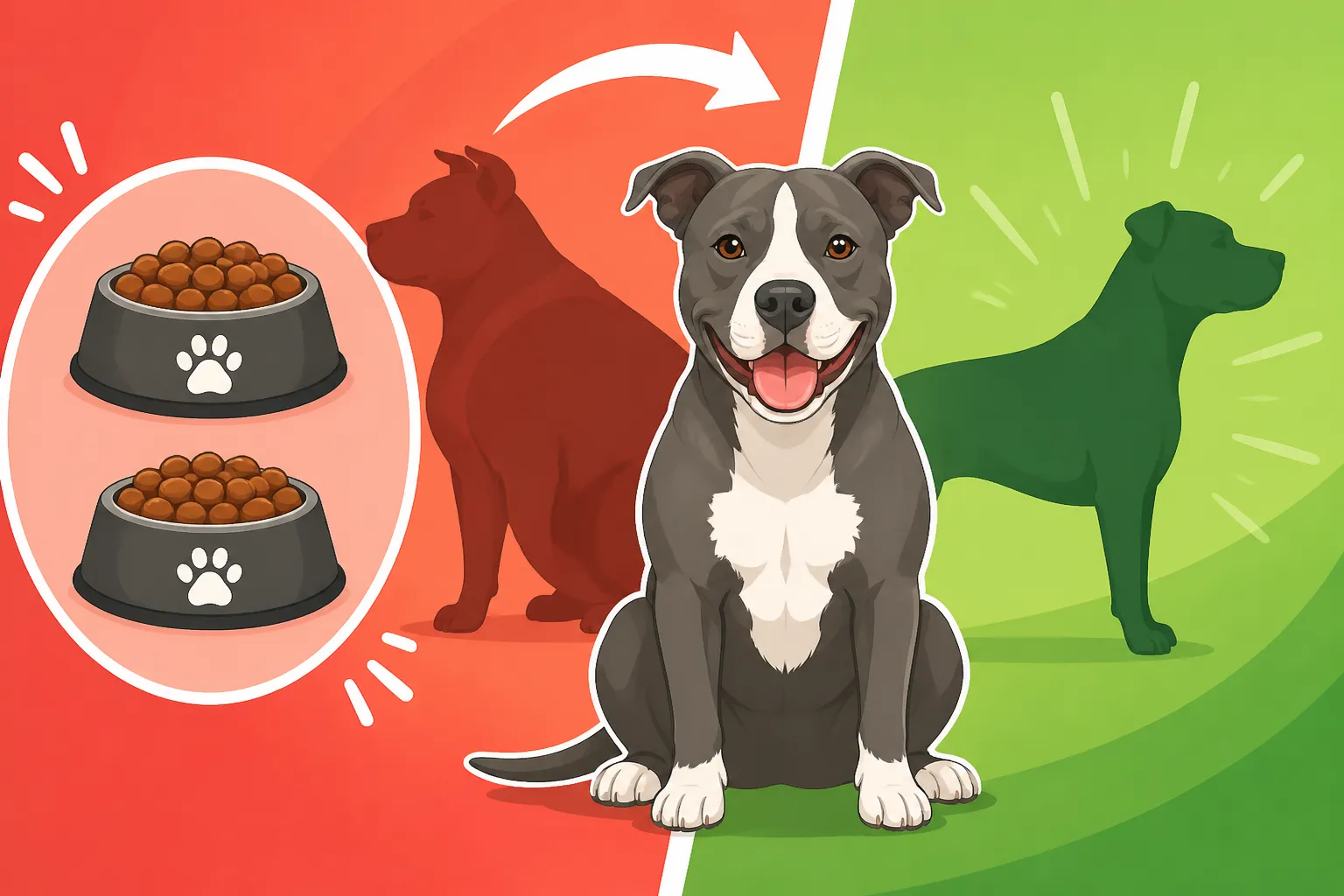
It can be incredibly disheartening when you look at your beloved Pit Bull and realize they've put on a few too many pounds. You want them healthy, lean, and athletic, but the thought of dramatically cutting their food or changing their entire feeding schedule feels overwhelming and even a little mean. This guide is all about how you can help your Pit Bull slim down effectively while absolutely sticking to a consistent two-meal-a-day routine, ensuring they feel satisfied and you maintain that predictable structure you both rely on.
Why Maintaining Two Meals Matters for Weight Loss
When your Pit Bull needs to lose weight, the knee-jerk reaction might be to skip a meal or make drastic cuts, but that can actually backfire. Dogs, much like us, thrive on routine, and keeping their meal times consistent helps their metabolism, digestion, and even their mental state. It's not about when they eat as much as what and how much.
Consistency and Routine for Your Pit Bull
Think about it from your dog's perspective. They know when breakfast and dinner are coming. That predictability reduces anxiety and helps regulate their digestive system. Suddenly changing that to one meal, or random feeding times, can cause stress, leading to unwanted behaviors or an upset stomach. A consistent schedule means their body expects food at certain times, which can help prevent them from feeling starved between meals if the portions are adjusted correctly. This routine also makes it easier for you to stick to the plan – no guessing games about when the next meal should be. You're building a healthy habit for both of you.
For a powerful, athletic breed like a Pit Bull, maintaining that structured day also reinforces stability, which is great for their overall well-being. It’s a small anchor in their day. Keeping meal times steady also allows you to better observe how they react to the reduced portions. Are they still energetic? Are they truly hungry, or just looking for attention? These observations are crucial feedback as you guide them towards a healthier weight.
Managing Hunger Pangs Effectively
While you're reducing overall calories, splitting them into two meals can be more effective at managing hunger than one large meal. Imagine if you only ate one meal a day – you'd likely feel incredibly hungry long before the next feeding, leading to overeating or desperate scavenging. It's the same for our dogs. Two meals provide a more even distribution of calories throughout the day, helping to keep their blood sugar more stable and prevent those intense "starvation mode" feelings that can lead to begging or trying to sneak food.
This approach also gives you two opportunities a day to offer a satisfying, albeit smaller, meal. You can use tricks like slow feeder bowls purchased from retailers like Chewy to make the meal last longer, extending the feeling of satiety. Another strategy is to incorporate low-calorie, high-fiber additions to each meal, which we'll discuss more later. This makes the bowl look fuller and provides more bulk, helping your Pit Bull feel more satisfied after eating, even with a reduced calorie count. You're aiming for sustainable weight loss, not a perpetually starving pup.
Adjusting Portions, Not Frequency
The real secret to slimming down your Pit Bull while maintaining two meals lies not in changing when they eat, but how much they eat at each sitting. It’s a precise process, and guesswork often leads to frustration.
Accurate Measurement is Key
This is where many owners unintentionally sabotage their efforts. Scooping food with a standard cup measure can be incredibly inaccurate, leading to calorie discrepancies of 20-30% in just one meal. Those extra calories add up fast, especially when you're trying to create a calorie deficit. The single most important tool you can invest in for your Pit Bull's weight loss journey is a digital kitchen scale.
With a scale, you can weigh their food down to the gram, ensuring that each portion is exactly what you intend it to be. If your vet recommends, say, 300 grams of food per day for weight loss, you divide that into two 150-gram meals. No more guessing. This precision removes variables and makes it much easier to track progress. Remember to check the calorie density (kcals/cup or kcals/gram) on your dog's food bag, as this varies wildly between brands and formulas. For example, some brands like Ollie provide clear feeding guidelines based on weight, which can be a great starting point, but even then, weighing it out is always best. You might be surprised how much less a weight-loss portion looks compared to what you were used to.
Gradual Reduction for Success
Suddenly slashing your Pit Bull's food intake can lead to an overly hungry, miserable dog, which isn't fair to them and can lead to increased begging or even stress-related behaviors. The key is gradual reduction. Start by reducing their current portion by about 10-15% for a week or two. Monitor their energy levels, their stool quality, and how they seem to cope with the change. Are they excessively hungry or still seeming satisfied after meals?
Once they've adjusted, and if weight loss isn't happening, you can make another small reduction. Your vet is your best partner here; they can help you determine a safe and effective calorie target for your Pit Bull's ideal weight and current activity level. It’s a process that requires patience, but slow and steady wins the race for sustainable weight loss and keeps your dog feeling good. Remember, a Pit Bull gaining weight on the same food may actually have an underlying issue like Hypothyroidism and a Thinning Pit Bull Coat, so always consult your vet.
Smart Food Choices to Support Weight Loss
Beyond portion control, the type of food you're offering plays a significant role in your Pit Bull's weight loss success. Not all dog foods are created equal, especially when it comes to calorie density and nutritional value.
High-Quality, Lower-Calorie Options
Many standard adult dog foods are quite calorie-dense, formulated for active dogs maintaining weight. When trying to slim down your Pit Bull, consider transitioning to a "weight management" or "light" formula. These foods are specifically designed to have fewer calories per serving while still providing all the essential nutrients your dog needs. They often achieve this by increasing fiber content and reducing fat, helping your dog feel fuller on fewer calories.
When choosing a new food, look for one with a good protein source as the first ingredient. Protein helps maintain muscle mass, which is crucial for Pit Bulls, even as they lose fat. Brands available on platforms like Amazon often have a variety of weight-management formulas, so read labels carefully and compare calorie counts. Always introduce new food gradually over 7-10 days to avoid upsetting your Pit Bull's stomach. A healthy, lean physique is important not just for aesthetics, but also for preventing issues like Pit Bull Obesity and Joint Strain.
Incorporating Safe, Low-Calorie Fillers
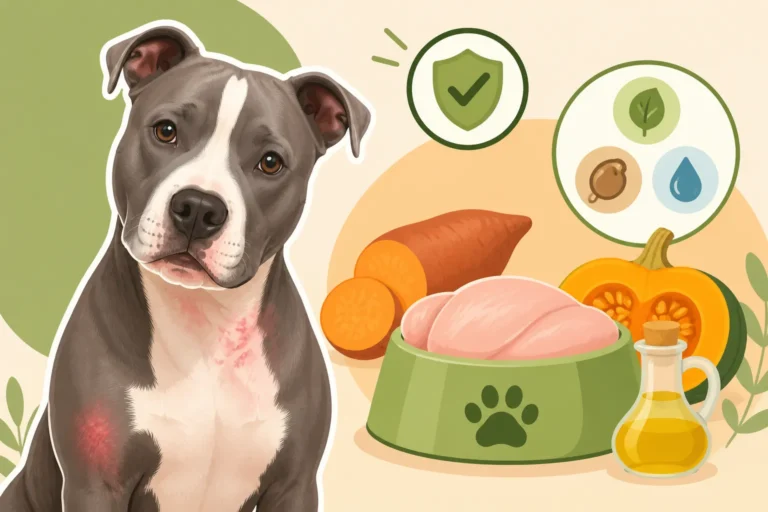
Even with a reduced-calorie dog food, those smaller portions can still look a bit sparse in the bowl. This is where safe, low-calorie fillers come in handy. Adding items like green beans, pumpkin puree (plain, unsweetened), carrots, or broccoli florets (steamed, unseasoned) can bulk up your Pit Bull's meals, making them feel more substantial without adding significant calories. These additions are also packed with fiber, which aids digestion and promotes a feeling of fullness.
Just be sure to introduce these additions slowly to avoid digestive upset, and always check with your vet if you're unsure about any specific human food. Remember to account for the calories in any treats you give throughout the day as well; those can quickly undermine your efforts! Using small, low-calorie training treats, or even pieces of their regular kibble, can help keep their daily caloric intake on track. Treat Costs Through Pit Bull Training can add up, but choosing wisely matters for their waistline too.
Here's a general comparison to help visualize portion adjustments:
| Factor | Pit Bull at Maintenance Weight (Hypothetical) | Pit Bull for Weight Loss (Hypothetical) | Notes |
|---|---|---|---|
| Total Daily Food | 2.5 cups (approx. 900-1000 kcal) | 1.75 cups (approx. 650-750 kcal) | Always weigh food for accuracy; calorie density varies by food. |
| Meals Per Day | 2 | 2 | Consistency is key for routine and satiety. |
| Per Meal Portion | 1.25 cups | 0.875 cups | Visual reduction can be significant; use a scale. |
| Low-Calorie Fillers | Optional | Recommended (e.g., 1/4 cup green beans) | Adds bulk and fiber without many calories. |
| Treats | Moderate, counted in daily calories | Minimal, very low-calorie, precisely counted | Treats contribute significantly; consider training with kibble. |
| Exercise Level | Regular, moderate-high activity | Increased, consistent activity | Exercise is vital for calorie burning and muscle maintenance. |
Conclusion
Helping your Pit Bull slim down doesn't mean sacrificing their routine or making them miserable. By maintaining two consistent meals a day and focusing on precise portion control with a digital scale, you can gradually and effectively guide them to a healthier weight. Choosing high-quality, lower-calorie food and supplementing with safe, low-calorie vegetables can make each meal feel more satisfying. It's a journey of patience and consistency, but seeing your Pit Bull regain their athletic physique and enjoy improved health is truly rewarding.
Disclaimer
This article is for general informational purposes only and does not constitute professional advice. Laws, prices and regulations vary by location and change over time. Consult a qualified professional for guidance on your specific situation.