Hypothyroidism and a Thinning Pit Bull Coat
It’s incredibly disheartening to look at your beloved Pit Bull and notice their once vibrant, sleek coat starting to thin, perhaps even becoming dull or patchy. You might worry it's just a sign of aging, or maybe even think they're scratching too much, but sometimes, a thinning coat points to something deeper, like hypothyroidism. This guide aims to thoroughly explore what hypothyroidism is, how it affects your Pit Bull's coat and overall well-being, and what you can do about it.
Understanding What Hypothyroidism Means for Your Pit Bull
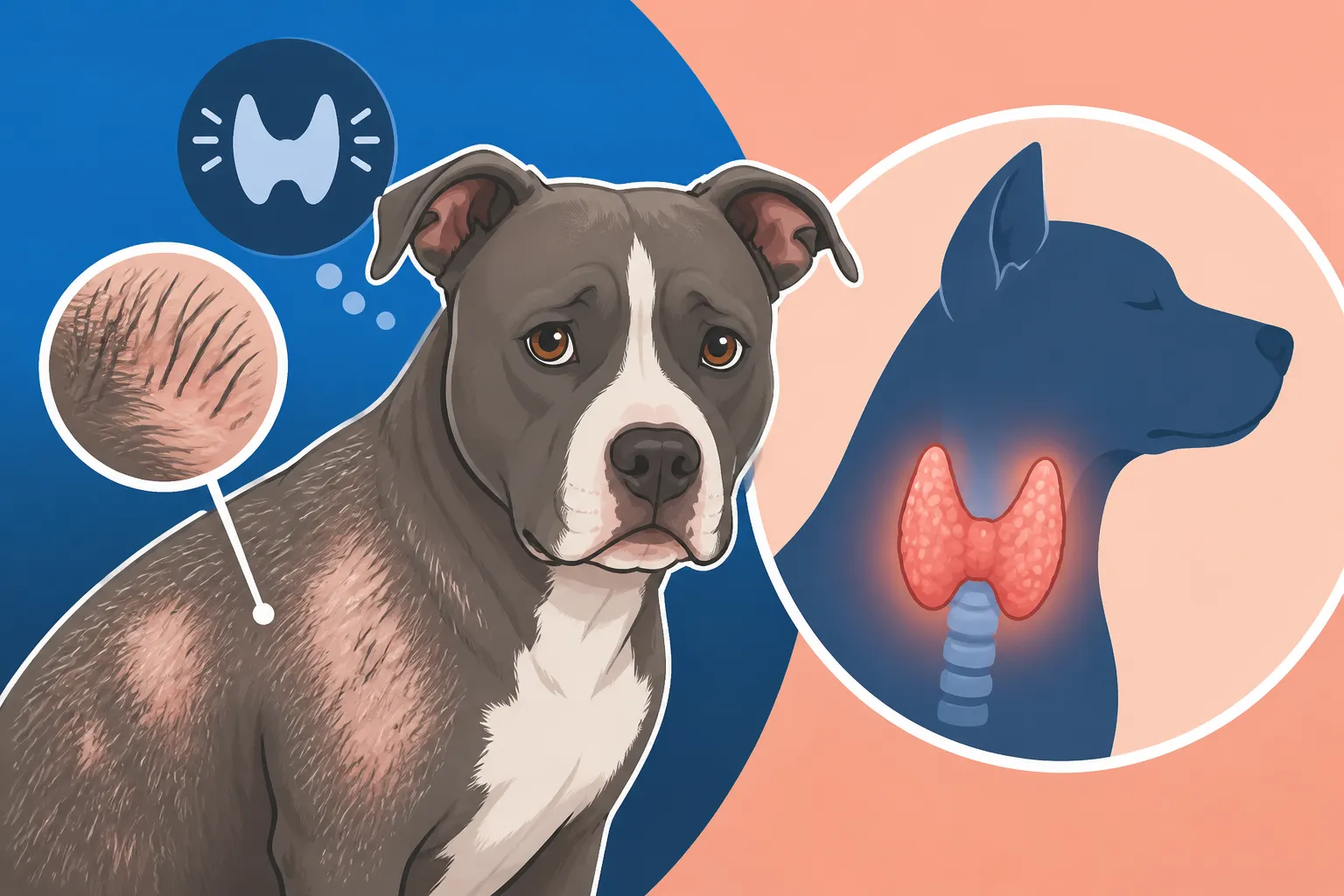
Hypothyroidism is a common endocrine disorder in dogs where the thyroid gland, located in the neck, doesn't produce enough thyroid hormones. These hormones are absolutely critical for regulating metabolism in nearly every cell in the body. When hormone levels drop, a cascade of issues can begin, often manifesting first in ways you might not immediately connect to an internal gland.
The Thyroid Gland's Crucial Role
Imagine the thyroid gland as your Pit Bull's internal thermostat and energy regulator. It produces two main hormones, T3 (triiodothyronine) and T4 (thyroxine), which influence everything from heart rate and body temperature to skin health and energy levels. These hormones are constantly telling the body how fast or slow to run various processes. When there's a deficiency, these processes slow down. This metabolic slowdown isn't just about feeling tired; it profoundly impacts the regenerative cycles of cells, including those responsible for hair growth and skin health. It's why many owners first notice changes in their dog's outward appearance.
Why Pit Bulls Can Be Affected
While hypothyroidism can occur in any dog breed, some breeds are statistically more prone to it. While Pit Bulls aren't typically listed among the absolute highest-risk breeds like Golden Retrievers or Doberman Pinschers, they are certainly not immune. The condition is often autoimmune in nature, meaning the dog's own immune system mistakenly attacks and destroys the thyroid gland. This process can happen gradually over months or even years before obvious symptoms appear. Genetic predispositions can play a role, making careful breeder selection and awareness of your dog's lineage important, especially if you're looking into What Testing a Pit Bull Breeder Should Have Done. Regardless of breed, any dog can develop this condition, and for a powerful, active breed like the Pit Bull, subtle changes might be harder to spot until they become more pronounced.
How It Impacts the Coat and Skin
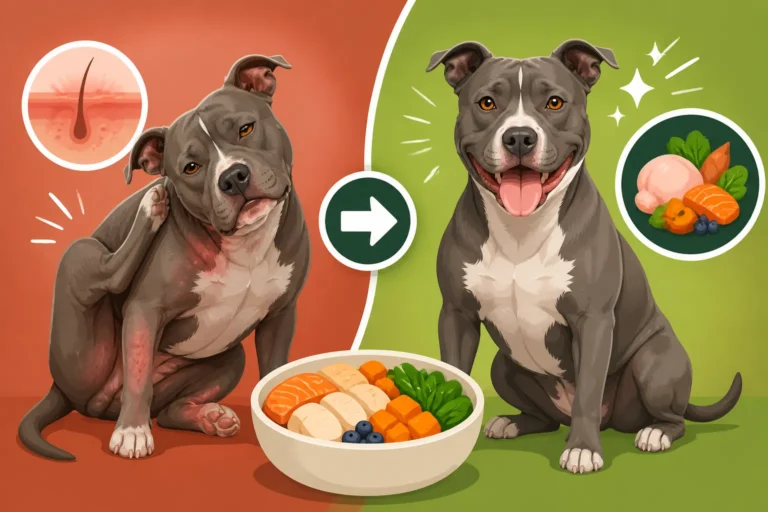
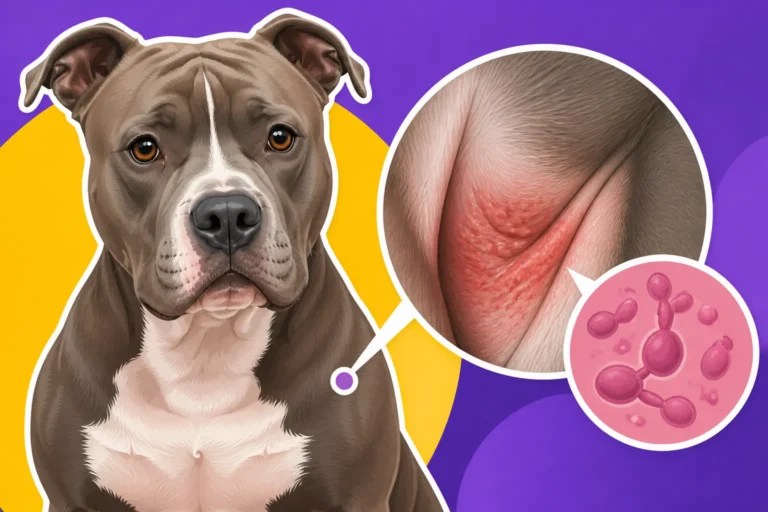
The thyroid hormones are vital for maintaining healthy skin and a robust coat. When these hormones are insufficient, the hair follicles enter a prolonged resting phase, leading to hair thinning, dullness, and eventually symmetrical hair loss, especially on the flanks, tail, and neck. You might notice a "rat tail" appearance, where the tail hair becomes sparse, or even bald patches forming on the body. Beyond just hair loss, the skin itself can suffer. It might become dry, flaky, and thickened, sometimes even taking on a darker, leathery appearance, a condition known as hyperpigmentation. This compromised skin barrier can also make your Pit Bull more susceptible to secondary skin infections, which can further complicate diagnosis as they might mimic other dermatological issues, like Pit Bull Skin Allergies and the Atopy Pattern.
Recognizing the Subtle Signs Beyond Just a Thin Coat
A thinning coat is often the first visible red flag, but hypothyroidism is a systemic disease, meaning it affects the entire body. It's crucial for Pit Bull owners to be vigilant for a constellation of other symptoms that, when pieced together, can paint a clearer picture of the underlying issue. Many of these signs can be mistaken for normal aging or other less serious conditions, making early recognition a real challenge.
Beyond the Balding
While the coat changes are prominent, there are other physical indicators that your Pit Bull might be suffering from hypothyroidism. One of the most common is a noticeable drop in energy levels. Your once-enthusiastic companion might become lethargic, less interested in playtime, or tire out quickly during walks. This isn't just a slight dip; it's a profound shift where they might seem constantly sleepy or simply unwilling to engage in activities they once loved. Alongside this, weight gain is a significant concern. Even if their diet hasn't changed, a slower metabolism means calories are burned less efficiently, leading to unexplained weight gain. This can be particularly frustrating for owners who are trying to manage their Pit Bull's Pit Bull Weight and Muscle on a Working Frame. Another common symptom is an increased intolerance to cold. You might notice your Pit Bull shivering more, seeking out warm spots, or being reluctant to go outside in cooler weather, despite their generally tough demeanor. Some dogs also develop a slow heart rate or exhibit a drooping facial expression, which can be harder to spot without a professional eye.
Behavioral Changes to Watch For
Hypothyroidism doesn't just affect physical processes; it can profoundly impact your Pit Bull's mood and behavior. Owners often report their once outgoing and friendly Pit Bull becoming unusually quiet, withdrawn, or even showing signs of depression. They might become less playful, seem generally "off," or appear more anxious than usual. In some cases, there can be subtle neurological signs, though these are less common, such as a dullness in responsiveness or a general decrease in mental sharpness. It’s important to distinguish these changes from typical A Pit Bull Confused in Rooms It Knows which might indicate cognitive dysfunction in older dogs. If your Pit Bull starts showing uncharacteristic aggression or fear, it could be a sign of discomfort or a physiological imbalance, and while not a direct cause of aggression, the underlying lethargy and discomfort can certainly lower their threshold for patience and tolerance.
Skin Issues Co-Occurring with Thinning Hair
The skin and coat are intimately connected, and hypothyroidism often presents a host of skin problems beyond just thinning hair. As thyroid hormones regulate skin cell turnover and oil production, a deficiency can lead to dry, flaky skin, excessive dandruff, and a greasy, seborrheic odor due. The skin can also become thickened, particularly in areas of chronic rubbing or irritation, and develop hyperpigmentation, turning dark grey or black. This can be especially noticeable in areas like the belly or armpits. Furthermore, the compromised skin barrier makes your Pit Bull more susceptible to recurrent bacterial skin infections (pyoderma) or yeast infections, often seen as redness, itching, and pustules. These secondary infections can be intensely itchy, leading to constant licking, chewing, and scratching, which can further damage the skin and complicate diagnosis. If you’re seeing your Pit Bull constantly engaging in Pit Bull Paw Licking and Chewing, it’s worth considering hypothyroidism alongside other common causes like allergies. These chronic skin issues are not only uncomfortable for your dog but can also be expensive to treat, quickly adding to What a Pit Bull Costs a Year With Allergies.
The Diagnostic Journey for Hypothyroidism
When you notice a combination of these symptoms in your Pit Bull, the next crucial step is a thorough veterinary examination. Diagnosing hypothyroidism isn't always straightforward because many of its symptoms can mimic other conditions. It requires a systematic approach to rule out other possibilities and confirm the thyroid's malfunction.
Initial Vet Visit and Physical Exam
Your veterinarian will start with a comprehensive physical examination. They’ll assess your Pit Bull’s overall body condition, noting any weight changes, muscle loss or gain, and observing their demeanor and energy levels. They will pay close attention to the coat and skin, checking for thinning hair, dryness, dandruff, hyperpigmentation, or signs of secondary infections. They might also check your dog's heart rate, listen to their lungs, and palpate their abdomen and neck area. During this visit, it's vital to provide your vet with a detailed history of your Pit Bull's symptoms, including when they started, how they've progressed, and any other changes you've observed, even if they seem minor. This initial assessment helps the vet narrow down potential causes and decide which diagnostic tests are most appropriate. It's especially important to mention if you've noticed A Pit Bull Gaining Weight on the Same Food despite no changes in activity, as this is a classic sign.
Blood Tests: The Various Thyroid Panels
The definitive diagnosis of hypothyroidism relies on blood tests. A simple blood count and chemistry panel might be run first to check general health and rule out other systemic diseases. However, the core of the diagnosis involves specific thyroid hormone tests.
- Total T4 (TT4): This is often the first screening test. A low TT4 level can indicate hypothyroidism, but it can also be influenced by other illnesses (euthyroid sick syndrome) or certain medications (like steroids). Therefore, a low TT4 alone isn't always conclusive.
- Free T4 (fT4) by Equilibrium Dialysis: This is considered a more accurate indicator of active thyroid hormone. Unlike total T4, it's less affected by non-thyroidal illnesses or medications, making it a more reliable diagnostic tool. If both TT4 and fT4 are low, the suspicion of hypothyroidism increases significantly.
- Thyroid-Stimulating Hormone (TSH): Produced by the pituitary gland, TSH signals the thyroid to produce hormones. In a hypothyroid dog, the pituitary gland tries to compensate for the underperforming thyroid by releasing more TSH. So, a low T4/fT4 coupled with a high TSH level is a strong indicator of primary hypothyroidism.
- Thyroid Autoantibodies (TgAA): In many cases of autoimmune thyroiditis (the most common cause of hypothyroidism), the body produces antibodies against its own thyroid tissue. Testing for these autoantibodies can confirm an autoimmune component to the disease, though not all hypothyroid dogs will have them, especially in later stages where the gland is already largely destroyed.
Some vets may recommend a full thyroid panel that includes all these tests for the most comprehensive picture.
Interpreting Results and Ruling Out Other Causes
Interpreting thyroid test results requires careful consideration of the entire clinical picture. A slightly low T4 doesn't automatically mean hypothyroidism, especially if your Pit Bull is otherwise healthy or on medications that can suppress thyroid levels. This is why using a combination of tests, along with your dog's symptoms, is so important. Your vet will rule out other conditions that might present similar symptoms, such as Cushing’s disease, adrenal gland disorders, or even severe allergies that cause chronic skin issues. Sometimes, a therapeutic trial, where a low dose of thyroid hormone is administered and the dog's response is monitored, might be considered, though this is less common with clear diagnostic test results. This rigorous approach ensures that your Pit Bull receives an accurate diagnosis and the most appropriate treatment, rather than being treated for the wrong ailment. For older dogs, comprehensive The Bloodwork an Old Pit Bull Should Have is a key part of ruling out many potential age-related conditions.
Treatment Options and Management for a Hypothyroid Pit Bull
Once hypothyroidism is definitively diagnosed, the good news is that it’s a highly manageable condition. Treatment is typically straightforward and, with consistent adherence, can dramatically improve your Pit Bull’s quality of life and resolve most of their symptoms, including the thinning coat.
Thyroid Hormone Replacement Therapy
The cornerstone of hypothyroidism treatment is thyroid hormone replacement therapy. This involves administering a synthetic form of the thyroid hormone, levothyroxine (often prescribed as brand names like Thyro-Tabs or Soloxine), which effectively replaces the hormones your Pit Bull’s body isn’t producing. The medication is usually given orally, once or twice a day, depending on your vet’s recommendation and your dog’s specific needs.
The initial dosage is carefully calculated based on your Pit Bull’s weight and the severity of their condition. It’s absolutely critical to follow your vet’s instructions precisely; underdosing won't be effective, and overdosing can lead to hyperthyroidism, which has its own set of serious health problems. Most Pit Bulls respond well to the medication, and you should start seeing improvements in their energy levels, activity, and overall demeanor within a few weeks. The coat and skin improvements, however, take longer – often several months – as hair growth cycles are slow.
Monitoring and Adjusting Medication
Treating hypothyroidism is an ongoing process that requires careful monitoring and potential dosage adjustments. After starting medication, your vet will likely recommend follow-up blood tests, typically within 4-8 weeks, to check your Pit Bull’s thyroid hormone levels again. These tests are usually timed to be done about 4-6 hours after the morning dose of medication, when hormone levels are expected to be at their peak.
Based on these results and your observations of your Pit Bull’s symptoms, your vet will adjust the levothyroxine dosage as needed. It might take a few adjustments to find the optimal dose that keeps their thyroid levels within a healthy range without causing side effects. Once a stable dose is achieved and your Pit Bull is feeling better, regular monitoring (usually every 6-12 months) will be necessary to ensure the dosage remains appropriate as their body changes over time. Your commitment to these follow-up appointments is key to successful, long-term management of the condition. It’s also wise to remember that even with pet insurance from providers like Healthy Paws, regular monitoring bloodwork is typically covered, which can ease the financial burden of these essential check-ups.
Supportive Care for Skin and Coat
While the hormone replacement therapy will address the root cause of the thinning coat and skin issues, supportive care can help speed up recovery and keep your Pit Bull comfortable during the transition.
- Medicated Shampoos: If your Pit Bull has secondary skin infections (bacterial or yeast), your vet might prescribe medicated shampoos containing ingredients like chlorhexidine or miconazole. These can help clear up infections and soothe irritated skin. It’s important to follow the instructions for contact time for these shampoos to be effective.
- Omega Fatty Acid Supplements: High-quality omega-3 and omega-6 fatty acid supplements can support skin barrier function and promote healthier coat growth. Fish oil is a common source of these beneficial fats. Always discuss supplements with your vet before adding them to your Pit Bull’s regimen.
- Dietary Adjustments: While hypothyroidism is not typically caused by diet, ensuring your Pit Bull is on a high-quality, balanced diet is always beneficial for overall health, including skin and coat. Some vets might recommend diets rich in specific nutrients to support skin health.
Remember, patience is key. It takes time for the hair follicles to reactivate and for new, healthy hair to grow in. With consistent treatment, your Pit Bull’s coat should regain its thickness and shine, and their skin should become healthier and less prone to irritation. You might even want to look into Medicated Baths for a Pit Bull With Atopy for specific techniques that help with skin health.
Long-Term Outlook and Living with Hypothyroidism
Receiving a diagnosis of hypothyroidism for your Pit Bull can be concerning, but it’s truly a condition with an excellent prognosis once managed correctly. It’s not a death sentence; it’s a commitment to lifelong care that pays off in a happy, healthy companion.
Prognosis and Quality of Life
The good news is that with consistent medication, the vast majority of Pit Bulls with hypothyroidism can live long, normal, and high-quality lives. The symptoms that once worried you – the lethargy, weight gain, and thinning coat – will typically resolve, allowing your dog to return to their energetic, playful self. It's truly amazing to see the transformation once their thyroid levels are balanced. Your Pit Bull will regain their zest for life, wanting to play, run, and engage with the family again. They can still enjoy all the activities they love, whether it's long walks, training sessions, or just cuddling on the couch. This condition is about management, not about curtailing their potential. Many pet owners find that once on medication, the overall cost of care can be more predictable, especially if they have comprehensive pet insurance. Healthy Paws, for example, often covers chronic conditions like hypothyroidism once the policy is active and the waiting period has passed, provided it wasn't a pre-existing condition. This can significantly reduce the worry about ongoing medication and bloodwork costs.
Ongoing Monitoring and Communication with Your Vet
Living with a hypothyroid Pit Bull means making regular veterinary check-ups a standard part of your routine. These appointments, typically every six to twelve months once a stable dose is found, are vital for several reasons. Firstly, they allow your vet to perform blood tests to ensure the thyroid hormone levels remain therapeutic. As dogs age, or their metabolism subtly changes, their medication dosage might need slight adjustments. Secondly, these visits are an opportunity for your vet to do a general health check, catching any other potential issues early. Thirdly, it's your chance to communicate any new observations or concerns. Even subtle changes in energy, appetite, or coat condition should be mentioned. A good relationship with a vet who understands Pit Bulls and their unique needs is invaluable, as they can also advise on things like Getting a Pit Bull Back Into Condition if weight gain was a primary symptom. Don't hesitate to call your vet if you notice symptoms returning or new ones appearing between scheduled appointments.
Potential Complications and What to Watch For
While most Pit Bulls thrive on thyroid medication, it's still good to be aware of potential, albeit rare, complications or signs that the treatment might need fine-tuning.
- Overdosing (Hyperthyroidism): If the levothyroxine dosage is too high, your Pit Bull could develop signs of hyperthyroidism. Symptoms include increased thirst and urination, increased appetite leading to weight loss, hyperactivity, panting, and sometimes even aggression or anxiety. If you notice any of these signs, contact your vet immediately, as the dosage will need to be reduced.
- Underdosing: If the dose is too low, or if your Pit Bull isn't absorbing the medication properly, you might see the original symptoms of hypothyroidism start to return: lethargy, weight gain, a dull coat, or recurring skin issues. This indicates the need for a dosage adjustment.
- Medication Interactions: Always inform your vet of all medications and supplements your Pit Bull is taking, as some can interfere with the absorption or metabolism of levothyroxine.
- Other Concurrent Conditions: Hypothyroidism can sometimes co-exist with other health issues, such as Pit Bull Heart and Thyroid Conditions or Pit Bull Dental Disease and Hard Chewing. Regular veterinary care helps ensure all aspects of your Pit Bull's health are being addressed holistically.
By being informed, proactive, and maintaining open communication with your veterinary team, you can ensure your Pit Bull enjoys a happy, healthy life despite their hypothyroidism diagnosis.
| Symptom Category | Hypothyroidism (Primary Concern) | Other Common Possibilities |
|---|---|---|
| Coat & Skin | Thinning coat, symmetrical hair loss, dull coat, dry/flaky skin, hyperpigmentation, "rat tail" | Allergies (environmental, food), Cushing's, Demodex Mange, nutritional deficiencies, bacterial/yeast infections |
| Energy & Activity | Lethargy, reduced stamina, increased sleeping, disinterest in play | Arthritis, heart disease, obesity, other systemic illnesses, aging |
| Weight | Unexplained weight gain despite normal food intake | Overfeeding, lack of exercise, Cushing's, other metabolic disorders, Pit Bull Obesity and Joint Strain |
| Temperature | Cold intolerance, seeking warm spots, shivering | Poor circulation, low body fat, being wet/cold after activities |
| Behavior | Withdrawal, dullness, sometimes irritability | Pain, anxiety, cognitive decline, other neurological issues |
Disclaimer
Please remember that the information provided in this guide is intended for educational purposes only and should not be considered a substitute for professional veterinary advice. If you suspect your Pit Bull may have hypothyroidism or any other health condition, it is crucial to consult with a qualified veterinarian for an accurate diagnosis and personalized treatment plan.