Pit Bull Obesity and Joint Strain
It’s a common sight: a beautiful Pit Bull, looking strong and substantial, but often, that substantiality tips over into unhealthy weight gain. Many Pit Bull owners struggle with understanding what "lean" truly means for their muscular companions, mistaking bulk for good condition. This confusion often leads to unintentional overfeeding and under-exercising, which, unfortunately, places an immense burden on their powerful joints. This guide aims to cut through the guesswork, helping you understand how to accurately assess your Pit Bull's body condition, the serious implications of obesity on their joints, and practical, empathetic strategies for managing their weight to ensure a long, healthy, and happy life free from preventable pain.
Understanding Pit Bull Body Condition and Ideal Weight
One of the biggest hurdles Pit Bull owners face is accurately assessing their dog's weight. These dogs are naturally sturdy and muscular, which can easily mask excess fat, leading many to believe their dog is in good shape when, in reality, they are carrying too much weight. It’s a subtle but critical distinction.
The Challenge of Assessing Body Condition in Muscular Breeds
Pit Bulls have a physique that’s often described as powerful, athletic, and muscular. This impressive musculature, while a hallmark of the breed, can make it tricky to visually identify when they start to put on extra pounds. What might look like a well-built, robust Pit Bull could actually be a dog with a significant layer of fat hidden beneath that muscle, adding unnecessary stress to their frame. We often associate a visible waist and tucked-up belly with being "too thin," especially in breeds that are meant to be substantial, but for a Pit Bull, these are actually key indicators of a healthy weight. The temptation to keep them looking "big" can inadvertently lead to overfeeding, transforming healthy muscle into unhealthy fat. It's a fine line, and understanding how to truly assess their body condition is far more important than just looking at the number on the scale or comparing them to other dogs.
The Importance of a Body Condition Score
To move beyond the visual guesswork, veterinarians and experienced dog handlers use a standardized tool called the Body Condition Score (BCS). This system typically ranges from 1 to 5 (with 3 being ideal) or 1 to 9 (with 4-5 being ideal), providing a more objective way to evaluate a dog's fat reserves. Instead of just looking, you need to feel. For a Pit Bull at a healthy body condition, you should be able to easily feel their ribs without pressing hard, much like feeling the back of your hand. Their spine and hip bones should also be palpable with slight pressure. When viewed from above, a distinct waistline should be visible behind their ribs, and when viewed from the side, their abdomen should tuck up, not hang low or be straight across.
If you struggle to feel their ribs, or if you can feel them only by pressing firmly, it’s a clear sign your Pit Bull is carrying too much fat. Similarly, if their waistline is absent or bulges, or their belly sags, these are red flags. This hands-on assessment is crucial because the sheer muscle mass of a Pit Bull can make them appear less overweight than they truly are. Regularly performing a BCS check, perhaps weekly during their grooming routine, can help you catch subtle changes before they become significant problems. This method offers a much more accurate picture than simply relying on visual cues or the number on the scale, especially when you are looking at Pit Bull Obesity and How to Spot It Under Muscle.
Finding Your Pit Bull's Ideal Weight Range
While breed standards can provide a general weight range for American Pit Bull Terriers or American Staffordshire Terriers (often between 30 to 60 pounds, depending on sex and build), it's crucial to remember that every dog is an individual. A 50-pound Pit Bull might be perfectly lean, while another 50-pound Pit Bull could be significantly overweight for their frame and bone structure. Therefore, simply aiming for a number on a chart can be misleading. The most effective way to determine your Pit Bull's ideal weight range is in consultation with your veterinarian. They can assess your dog's unique build, muscle mass, and overall health to help you establish a realistic and healthy target.
Your vet might consider factors like your dog's age, activity level, and any pre-existing health conditions when setting this goal. For instance, a highly active, working Pit Bull might naturally weigh more than a sedentary companion dog of the same height, purely due to muscle density, yet both could be at their ideal body condition. It's not about achieving the lowest weight, but the healthiest weight where ribs are palpable, a waist is visible, and the dog is agile and energetic. This personalized approach prevents you from chasing an arbitrary number that might not suit your individual dog, ensuring they maintain optimal health without putting undue strain on their body.
The Direct Link Between Obesity and Joint Strain
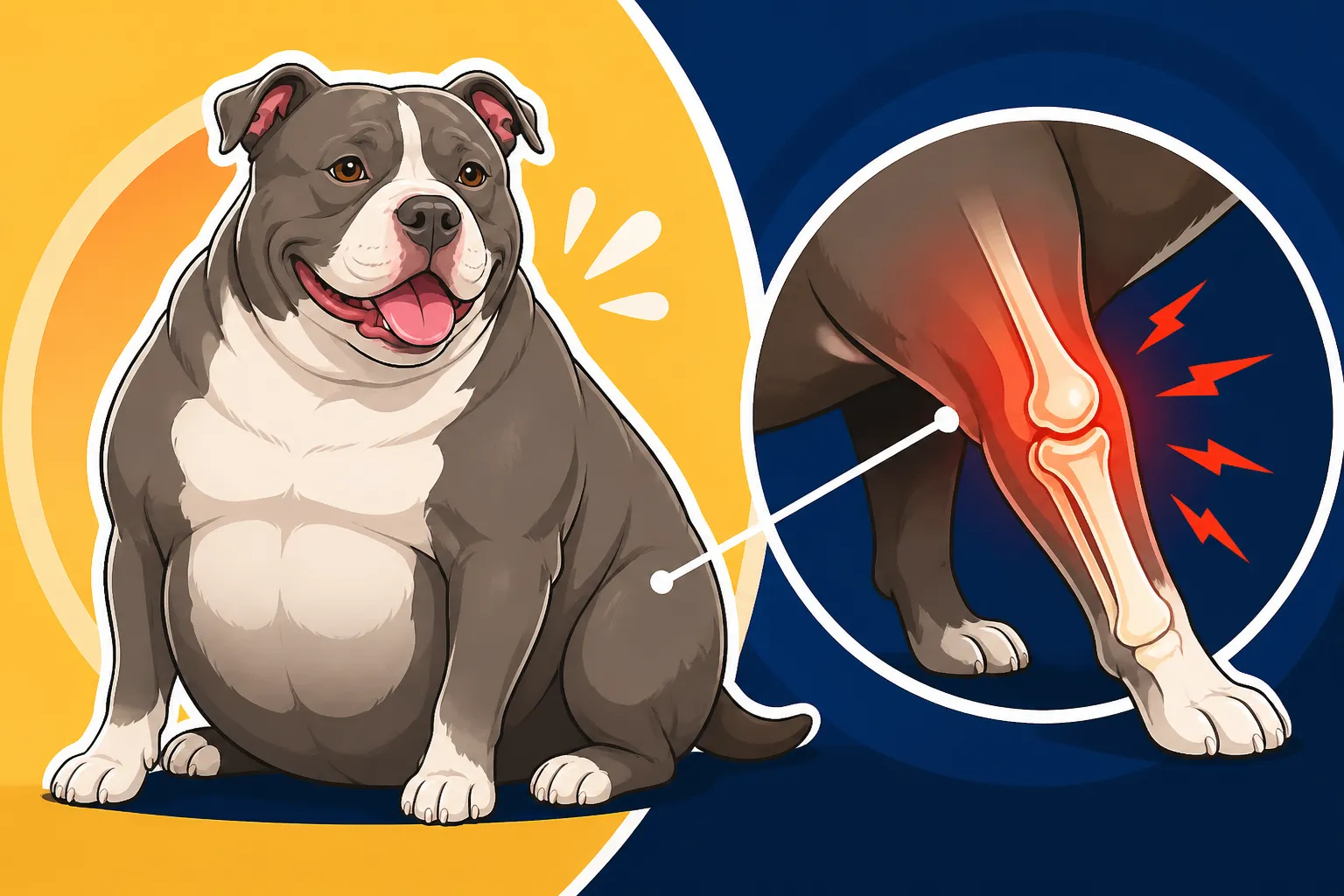
The connection between excess weight and joint strain is incredibly straightforward: more weight means more pressure. For a dog as powerfully built as a Pit Bull, who often carries a significant amount of muscle, adding even a few extra pounds of fat can have a disproportionately damaging effect on their joints over time. It’s not just about the pain they feel in the moment; it’s about accelerating wear and tear that can lead to chronic, debilitating conditions.
How Extra Weight Exacerbates Joint Stress
Imagine carrying a backpack filled with bricks everywhere you go, day in and day out. That’s essentially what an overweight Pit Bull experiences. Every single step, every jump, every time they stand up or lie down, their joints are bearing an increased load. This constant, excessive pressure takes its toll, particularly on the large weight-bearing joints like the hips, knees, and elbows. The cartilage, which acts as a natural shock absorber and cushion between bones, begins to wear down faster under this relentless strain. Think about the impact of a 50-pound Pit Bull versus a 60-pound Pit Bull jumping off a couch – the forces absorbed by the joints are dramatically different, and that difference compounds over thousands of movements each day.
Even seemingly simple activities, like navigating stairs or getting into and out of the car, become more strenuous and damaging when a Pit Bull is carrying too much weight. This isn't just theory; it's basic physics applied to canine anatomy. The ligaments and tendons surrounding the joints also become stretched and weakened, making them more prone to injury. It’s a vicious cycle where excess weight leads to joint damage, which leads to reduced activity, which often leads to even more weight gain, further accelerating the degeneration. This is precisely How Weight Multiplies the Load on Pit Bull Joints, making every ounce count.
Increased Risk of Common Pit Bull Orthopedic Issues
Pit Bulls are already predisposed to certain orthopedic conditions, and carrying excess weight significantly elevates their risk and exacerbates existing problems. Conditions like Pit Bull Hip Dysplasia Showing at One to Two Years and Pit Bull Elbow Dysplasia and Front End Lameness are unfortunately common in the breed. When an overweight Pit Bull has underlying hip dysplasia, the added stress on those already malformed joints speeds up the progression of painful arthritis, making their early adult years far more challenging than they should be. Similarly, elbow dysplasia, which can cause lameness and discomfort, becomes much more severe under the strain of extra pounds.
One of the most devastating consequences is the heightened risk of Cruciate Ligament Tears in a Muscular Pit Bull. The cranial cruciate ligament (CCL) in a dog's knee is analogous to the ACL in humans. It can tear gradually or suddenly, and overweight dogs are significantly more likely to suffer this injury. The chronic stress from extra weight puts constant tension on the ligament, weakening it over time until a simple jump or twist can cause it to rupture. The recovery from a cruciate tear, often requiring extensive surgery and rehabilitation, is not only costly but also incredibly taxing on the dog. Moreover, adipose tissue (fat) isn't just inert storage; it's metabolically active and produces inflammatory hormones that can actively contribute to joint degradation throughout the body, even in joints not directly bearing weight.
Arthritis and Accelerated Joint Degeneration
Perhaps one of the most heartbreaking consequences of obesity in Pit Bulls is the accelerated onset and progression of arthritis. While arthritis is a natural part of aging for many dogs, it can begin much earlier and be far more severe in overweight individuals. What might have been mild Arthritis in a Pit Bull at Seven for a lean dog could be crippling for an overweight one. The excess pressure on joints continuously grinds away at the remaining cartilage, leading to bone-on-bone friction, inflammation, and chronic pain. This pain can manifest as stiffness, reluctance to move, limping, difficulty getting up, and a general decrease in their enthusiasm for life.
Imagine your once vibrant, playful Pit Bull struggling to stand up after a nap, or hesitating before jumping into the car for a ride. These are often the early signs of joint pain made worse by weight. This not only diminishes their quality of life but also places a significant emotional and financial burden on owners. The long-term management of advanced arthritis can involve daily medications, specialized diets, supplements, regular vet visits, and even physical therapy, all of which incur substantial costs. Investing in preventive care by maintaining an ideal weight is truly one of the kindest and most cost-effective things you can do for your Pit Bull, potentially saving them from years of discomfort and you from thousands of dollars in medical bills. Pet insurance plans, like those offered by Healthy Paws, can be invaluable for managing these unexpected chronic health costs, but prevention remains key.
Nutritional Strategies for Weight Management
Successfully managing your Pit Bull's weight hinges significantly on their diet. It's not just about what they eat, but how much, and how consistently. For a breed prone to gaining weight and masking it under muscle, a precise approach to nutrition is essential to avoid joint strain and other health issues.
Calculating the Right Calorie Intake
The first and most critical step in weight management is understanding your Pit Bull's actual caloric needs. This is where many owners unintentionally go wrong. Feeding guidelines on dog food bags are often just a starting point, designed for average, intact, active dogs. Your individual Pit Bull's metabolism, age, activity level, and whether they are spayed or neutered will significantly impact their true requirements. A spayed or neutered dog, for instance, generally needs fewer calories than an intact one.
A good rule of thumb is to start by calculating your dog's resting energy requirement (RER) and then adjusting it based on their activity. Your vet can provide you with a specific caloric target for weight loss. For instance, if your Pit Bull is 50 pounds and moderately active, their maintenance calories might be around 1000-1200 calories per day. To achieve weight loss, you'd typically aim for about 80% of that, perhaps 800-960 calories. The key is to be precise. Use a kitchen scale to weigh your dog's food, rather than relying on measuring cups, which can be inaccurate. A scoop that seems full to the brim can actually hold 20-30% more kibble than intended, and over a year, those small daily excesses quickly add up to significant weight gain.
Choosing the Right Food and Portion Control
Once you know your Pit Bull's target caloric intake, selecting the appropriate food becomes paramount. Look for high-quality dog foods specifically formulated for weight management or senior dogs, as these often have fewer calories per cup, higher fiber content to promote satiety, and adequate protein to help maintain muscle mass during weight loss. Brands like Hill's Science Diet Perfect Weight or Purina Pro Plan Weight Management are popular options. However, always consult your veterinarian before making drastic dietary changes. They can recommend a food that’s best suited for your Pit Bull’s specific needs, including any allergies or sensitivities.
When it comes to portion control, consistency is king. Divide your Pit Bull's daily caloric allowance into two or three meals to help them feel fuller throughout the day and prevent them from eating too quickly. This can also help reduce the risk of bloat, a serious condition for deep-chested breeds. Consider using slow feeder bowls or puzzle toys for meals. These not only slow down consumption but also provide mental stimulation, making mealtime a more engaging activity rather than just a quick gobble. This can be especially helpful if you have a Pit Bull That Refuses Food for a Day if bored. Making meals last longer means your dog feels more satisfied on fewer calories.
| Activity Level | Daily Calorie Estimate (per 50 lbs) | Feeding Strategy | Notes |
|---|---|---|---|
| Sedentary/Low Activity | 700-900 kcal | 2 smaller, measured meals | Good for older dogs or those recovering from injury. |
| Moderate Activity | 900-1200 kcal | 2-3 measured meals, consider weight management formula | Typical for most companion Pit Bulls with daily walks. |
| High Activity/Working | 1200-1500+ kcal | 2-3 larger, measured meals, possibly higher protein | For agility, hiking, or working dogs; still monitor BCS. |
These are estimates; always consult your vet for precise recommendations.
Smart Snacking and Treat Alternatives
Treats are often the silent culprits behind weight gain. It’s easy to toss a few extra here and there, especially when your Pit Bull gives you those irresistible puppy-dog eyes. However, even small treats can add significant calories, especially if they’re high-fat commercial options. For example, a single medium-sized dog biscuit can contain 30-50 calories – giving five of these a day is like adding a small extra meal.
The good news is that you don't have to eliminate treats entirely! The trick is to be smart about your choices. Opt for low-calorie, healthy alternatives such as small pieces of plain cooked chicken, green beans, baby carrots, or apple slices (without seeds). Many dogs adore these healthy snacks and they provide valuable nutrients without the caloric punch. You can also break larger treats into tiny pieces to make them last longer and reduce overall intake. When using treats for training, choose very small, high-value options that don't add up quickly. Remember to always factor any treats into your Pit Bull’s daily calorie budget to ensure you don’t inadvertently derail their weight loss efforts. This careful management of snacks is crucial in Trimming a Heavy Pit Bull Back to Lean and sustaining a healthy weight.
Tailored Exercise Programs for Overweight Pit Bulls
Exercise is the other half of the weight management equation, and for a powerful breed like the Pit Bull, it’s not just about burning calories, but also about building and maintaining healthy muscle mass to support their joints. However, for an overweight Pit Bull, jumping straight into intense exercise can be counterproductive and even harmful, risking injury to already strained joints.
Starting Safely and Gradually
Before you even think about putting your overweight Pit Bull on a rigorous exercise regimen, a visit to your veterinarian is absolutely non-negotiable. Your vet needs to give the green light and can help you develop an appropriate, safe exercise plan tailored to your dog's current condition, age, and any existing joint issues. They might identify underlying problems that require a more cautious approach, such as early signs of arthritis or ligament weakness. For an overweight Pit Bull, high-impact activities like intense running, jumping, or frisbee fetching are definite no-gos initially. These can put immense stress on their joints, potentially leading to injuries like cruciate tears or exacerbating hip and elbow problems.
Instead, start with low-impact activities. Leashed walks on soft surfaces, like grass or dirt trails, are excellent for getting them moving without jarring their joints. Begin with short, frequent walks—perhaps 10-15 minutes, two or three times a day—and gradually increase the duration as their stamina and strength improve. Always monitor your Pit Bull for signs of overexertion, such as excessive panting, lagging behind, limping, or stiffness after exercise. If you notice any discomfort, scale back immediately and consult your vet. The goal is consistent, gentle movement, not pushing them to their limits.
Building Stamina and Muscle Without Joint Stress
Once your Pit Bull has built up some basic stamina with gentle walks, you can slowly introduce activities that further build muscle and improve cardiovascular health without excessive joint strain. Brisk walking is a fantastic option, aiming for a pace where they are trotting comfortably. If accessible and appropriate, swimming is arguably one of the best exercises for overweight dogs. The buoyancy of the water takes the weight off their joints, allowing them to move freely and build muscle without impact. Many doggy daycare facilities or specialized canine rehabilitation centers offer hydrotherapy pools, which can be a game-changer for dogs needing to lose weight and strengthen supporting muscles.
Another excellent way to build fitness is through controlled, longer walks on varied, but still soft, terrain. Gentle inclines can strengthen hindquarters without the concussive force of running on pavement. Focus on consistency. Daily, moderate exercise is far more beneficial than sporadic, intense sessions followed by days of inactivity. This steady, progressive approach is crucial for Getting a Pit Bull Back Into Condition safely. Remember to keep sessions enjoyable; a stressed dog is less likely to cooperate. Use positive reinforcement and make exercise a fun bonding experience.
Incorporating Play and Mental Stimulation
Exercise doesn't always have to be a structured walk or swim; incorporating play and mental stimulation can also contribute significantly to calorie burning and overall well-being. For an overweight Pit Bull, interactive toys are a great way to encourage movement without demanding high-impact actions. Puzzle feeders, for example, require your dog to work to get their food, extending mealtime and burning a few extra calories while engaging their brain. Scent work, where you hide treats or toys around the house or yard for your Pit Bull to find, is another low-impact activity that offers tremendous mental enrichment and can be surprisingly tiring.
Flirt poles can be used for short, controlled bursts of activity that mimic prey drive, but use them carefully and on soft surfaces to minimize abrupt stops and turns that could stress joints. Supervise all play to ensure it remains safe and doesn’t lead to overexertion. The key is to make physical activity a consistent, enjoyable part of their daily routine, using a variety of methods to keep them engaged and prevent boredom, which can sometimes lead to destructive behaviors or lethargy that further hinders weight loss. These activities provide a fantastic alternative or supplement to traditional exercise, ensuring your Pit Bull stays active and happy while shedding those extra pounds.
Long-Term Management and Prevention
Achieving a healthy weight for your Pit Bull is a fantastic accomplishment, but it's not a finish line. Maintaining that ideal body condition throughout their life requires ongoing commitment and vigilance. This long-term approach is crucial for preventing a relapse into obesity and protecting their joints for years to come.
Regular Veterinary Check-ups and Monitoring
Consistent veterinary care is absolutely essential for long-term weight management. Regular check-ups, typically once a year for adult dogs and potentially twice a year for seniors or those with chronic conditions, provide invaluable opportunities for your vet to monitor your Pit Bull's weight and overall health. During these visits, your vet will perform a thorough body condition assessment, weighing your dog and palpating their ribs, waist, and spine. They can catch subtle weight creep before it becomes a significant problem, offering adjustments to diet or exercise as needed.
These routine examinations also allow your vet to identify early signs of joint issues, even before they become overtly painful. They can assess gait, joint mobility, and muscle condition, providing recommendations for supplements, physical therapy, or other interventions if needed. Furthermore, if you're ever concerned about the costs associated with ongoing health monitoring or potential treatments for weight-related issues, a robust pet insurance plan can offer peace of mind. Providers like Healthy Paws offer coverage that can help mitigate the financial impact of unexpected illnesses or injuries, ensuring you can always provide the best care for your Pit Bull without undue stress.
Adapting to Age and Activity Changes
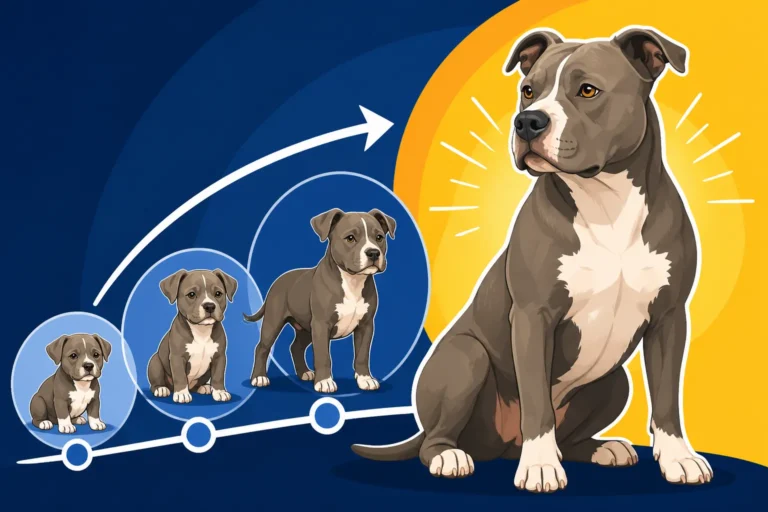
A Pit Bull's caloric needs and exercise tolerance aren't static; they change throughout their life. A young, energetic adult might burn through calories effortlessly, but as they age, their metabolism naturally slows down, and their activity levels often decrease. Failing to adjust their diet and exercise routine to these changes is a common reason why dogs gain weight in their senior years. For a Pit Bull entering their second decade, their requirements will be vastly different than a two-year-old, as discussed in Caring for a Pit Bull in Its Second Decade.
As your Pit Bull matures, it's vital to incrementally reduce their food intake to match their reduced energy expenditure. Many senior dog foods are formulated with fewer calories and increased fiber to support this transition, while maintaining adequate protein for muscle maintenance. Simultaneously, their exercise routine should adapt. While they may not be able to go on long, strenuous runs, consistent, gentle walks, swimming, and mental enrichment remain crucial. Joint supplements containing glucosamine, chondroitin, and omega fatty acids can also become incredibly important to support joint health, especially for a muscular breed where Joint Support for a Heavily Muscled Pit Bull is paramount. Staying proactive and making these adjustments will ensure your Pit Bull maintains a healthy weight and quality of life well into their golden years.
The Ripple Effect: Holistic Health Benefits
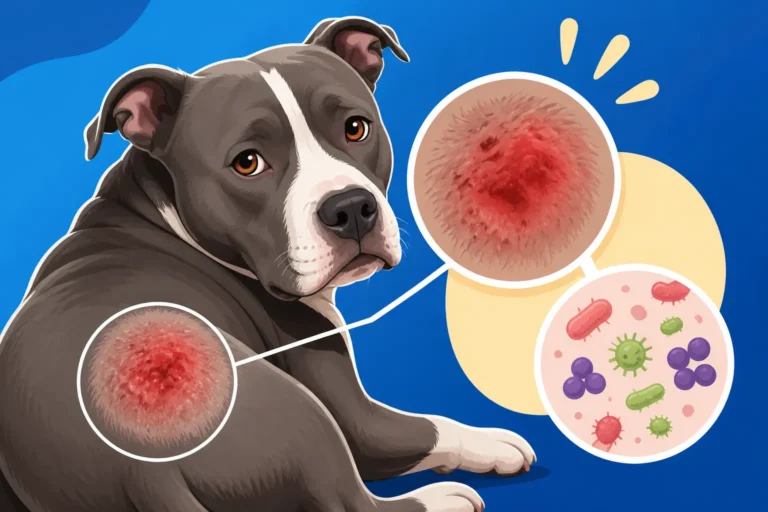
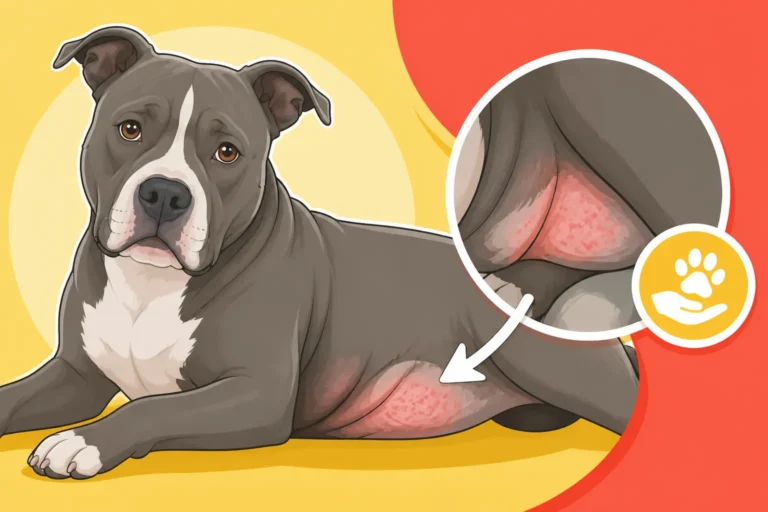
Maintaining an ideal weight for your Pit Bull creates a profound ripple effect of holistic health benefits that extend far beyond just healthy joints. A lean Pit Bull is generally a healthier Pit Bull, with improved cardiovascular health, better respiratory function, and increased stamina. They’ll have more energy for play, be more agile, and enjoy a greater overall sense of well-being. Keeping them at a healthy weight also significantly reduces their risk of developing other serious, weight-related health conditions, such as diabetes, certain cancers, and even some skin conditions due to fat folds.
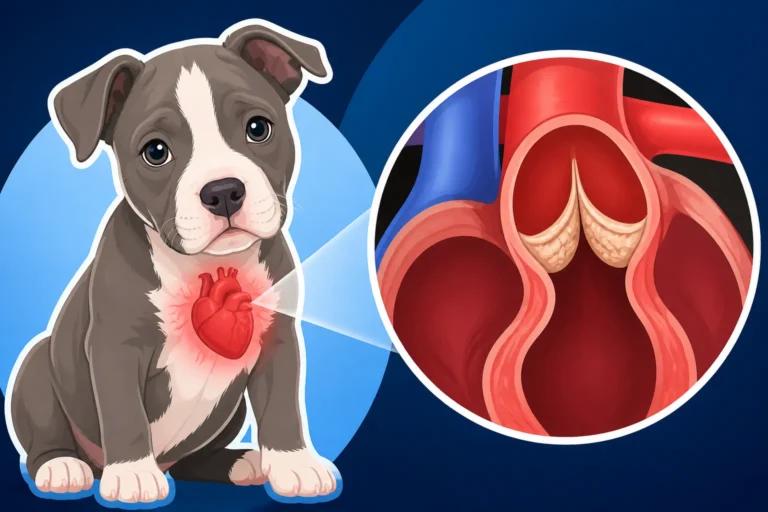
Furthermore, a lean body condition can positively influence the severity and progression of conditions like Heart Disease in a Pit Bull. An overweight heart has to work much harder to pump blood throughout the body, putting unnecessary strain on the organ over time. By managing their weight, you're reducing this workload and potentially extending their lifespan. The commitment you make to their weight management is a direct investment in their happiness and longevity, giving them the best chance to live a full and vibrant life. And while proactive care is vital, remember that having a comprehensive pet insurance policy, like those offered by Healthy Paws, can provide a financial safety net for any unforeseen health challenges, allowing you to focus on your Pit Bull's health without the added worry of escalating vet bills.
Disclaimer
This article is intended for informational purposes only and does not constitute medical advice. Always consult with a qualified veterinarian for any health concerns or before making any decisions about your Pit Bull's diet, exercise, or medical treatment. Individual needs may vary.