Whether a DNA Test Gets a Pit Bull Insured
It's incredibly frustrating when you're a responsible Pit Bull owner, doing everything right, only to hit a brick wall with insurance companies because of your dog's breed. Many insurers still operate on outdated assumptions, making it tough to get adequate coverage. This guide is all about exploring whether a DNA test can actually help bridge that gap and get your beloved Pit Bull insured, or at least navigate the complex world of breed-specific policies.
The Challenge of Insuring a Pit Bull
Owning a Pit Bull comes with unique challenges, and securing the right insurance is often near the top of that list. It’s not just about finding affordable coverage; it’s about finding any coverage that doesn’t exclude your dog, or worse, your entire property. This struggle is rooted deeply in public perception and, unfortunately, often reflected in policy underwriting.
Breed-Specific Legislation and Insurance Policies
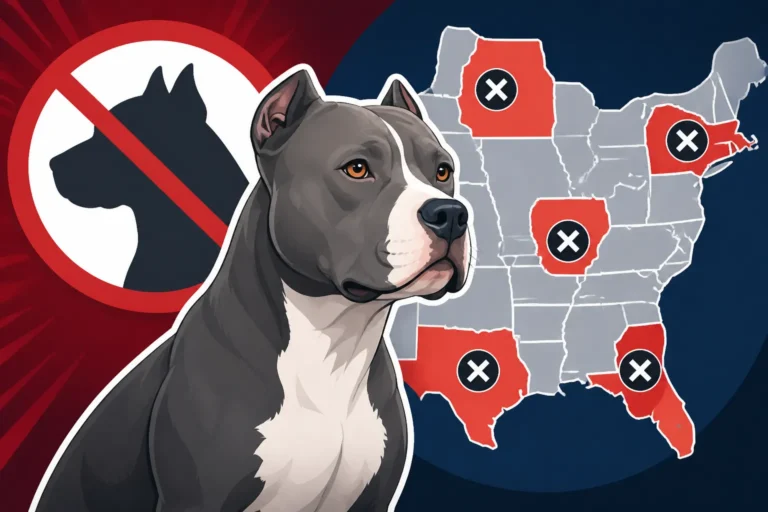
Across the country, and even within different cities and counties, you'll find what's known as breed-specific legislation (BSL). These laws might outright ban certain breeds, require special permits, or impose strict confinement rules. While direct BSL is slowly declining in many areas, its legacy often persists in the insurance industry. Many homeowners and renters insurance companies have their own internal "dangerous dog lists" or "restricted breed lists," and Pit Bull-type dogs are almost universally on them. This isn't necessarily about your individual dog's temperament or training; it's a blanket policy based on breed labels. It means that even if your Pit Bull is a certified therapy dog, some insurers will deny you coverage or charge exorbitant premiums simply because of their appearance. It's a tough pill to swallow, knowing your well-behaved companion is being judged solely by its perceived breed.
The "Pit Bull" Label
The term "Pit Bull" itself is a huge part of the problem. It's not a single, recognized breed by all major kennel clubs. Instead, it's an umbrella term that often includes American Pit Bull Terriers, American Staffordshire Terriers, Staffordshire Bull Terriers, and even mixes with similar physical characteristics. When an insurer says "Pit Bull," they might be referring to any dog that looks like one, regardless of its actual genetic makeup. This visual identification is highly subjective and often inaccurate, as discussed in How Shelters Decide a Dog Is a Pit Bull. A shelter volunteer, a neighbor, or even a vet might label a dog a "Pit Bull" based purely on physical traits, leading to insurance complications. The ambiguity of the term makes it incredibly difficult for owners to definitively prove what their dog "is" in the eyes of an insurance underwriter, who might be looking for any excuse to deny a claim or raise rates.
How DNA Tests Work for Breed Identification
In an effort to circumvent these breed restrictions, many Pit Bull owners turn to DNA testing, hoping for a definitive answer that might sway an insurer. It’s a logical thought: if the dog isn't actually a Pit Bull, then perhaps the restrictions shouldn't apply, right? Well, it's a bit more complicated than that.
Understanding DNA Test Accuracy
Commercial dog DNA tests have come a long way. Services like Embark and Wisdom Panel can analyze your dog's genetic markers and provide a detailed breakdown of its ancestral breeds, often down to percentages. They work by comparing your dog's DNA to a vast database of known breed genetic profiles. For many common breeds, the accuracy is quite high. However, for "Pit Bull-type" dogs, which are often mixed-breed descendants of working dogs, identifying exact percentages can sometimes be less straightforward, especially if the dog has a very diverse background or if the "Pit Bull" component is a mix of several bull-and-terrier types. While these tests are generally reliable for breed identification, it's crucial to understand that they're diagnostic tools for genetic makeup, not necessarily legal documents recognized by all institutions. You can read more about The DNA Panel Worth Running on a Rescue Pit Bull if you're considering this option.
What a DNA Test Can and Cannot Prove
A DNA test can definitively tell you the genetic components of your dog. For example, it might reveal your dog is 50% American Staffordshire Terrier, 25% Boxer, and 25% Labrador Retriever. This information is invaluable for understanding your dog's heritage and potential health predispositions. It can also be incredibly useful for satisfying landlords or HOAs that specifically ban "Pit Bulls" by name if your dog's genetic profile is largely composed of other breeds. However, what it cannot always prove is that your dog is not what an insurer considers a "Pit Bull type."
Many insurance companies don't care about the precise genetic breakdown if the dog still looks like a Pit Bull. Their policies are often based on a visual assessment or a broad definition that includes several bull-and-terrier breeds. So, while your DNA test might say your dog is a mix of three different breeds, an insurer might still categorize it under their "restricted breeds" umbrella if any of those breeds, or the overall appearance, fits their internal definition. This is the core frustration with Whether a DNA Test Settles the Pit Bull Question for insurance purposes. The scientific proof doesn't always align with the administrative interpretation.
Presenting DNA Test Results to Insurers
So, you've done the DNA test, and you have the results in hand. Now comes the moment of truth: presenting this information to your insurance provider. This step requires a bit of strategy and a lot of patience, as not all insurers view DNA evidence the same way.
Insurer Policies on Breed Identification
The unfortunate reality is that most major homeowners insurance carriers do not accept DNA test results as a definitive way to bypass breed restrictions. Their policies are often rigid and designed to mitigate perceived risk, which, for them, is tied to specific breed labels or physical characteristics. While a DNA test might show your dog is predominantly a Boxer-Lab mix, if it has any percentage of a breed deemed "Pit Bull-type" or simply looks like one to their adjusters, they might still apply their breed-specific exclusions. Some progressive companies, however, might be more open, especially if your dog's primary genetic markers are far removed from what they define as a "Pit Bull." It's essential to check with your specific insurer about their policy on breed identification and whether they consider DNA evidence. Don't assume; always ask for their official stance in writing if possible.
There are also regional differences. Some states have laws prohibiting insurers from using breed as a sole factor for denying or increasing rates for homeowners insurance. In these areas, a DNA test might hold more weight. However, even in such states, insurers might still find other ways to categorize a dog based on behavior or an incident history, so it's not a guaranteed solution. It's a complex landscape, and it often feels like moving goalposts.
Preparing Your Case
If you decide to present your Pit Bull's DNA results to an insurer, preparation is key. First, ensure you have a comprehensive report from a reputable DNA testing company. Don't just show them a partial screen grab; provide the full, detailed breakdown.
Beyond the DNA results, gather any other documentation that paints a positive picture of your dog. This includes:
- Training certificates: A Canine Good Citizen (CGC) title, for example, demonstrates your dog's excellent manners and your commitment to responsible ownership. You can find more about Canine Good Citizen and Why It Matters for a Pit Bull.
- Veterinary records: Proof of regular check-ups, vaccinations, and good health.
- A letter from your vet: A statement from your veterinarian attesting to your dog's good temperament and behavior can be impactful.
- Photos: Clear, recent photos of your dog can sometimes help humanize the situation.
Present all this information politely and professionally. Frame it as demonstrating responsible pet ownership and providing factual information about your dog's true genetic background. Remember, the goal is to build a comprehensive profile that helps the insurer see your dog as an individual, not just a label. Even if it doesn't change their breed classification, it might positively influence their overall assessment of risk.
Alternatives and Broader Strategies for Pit Bull Owners
Since DNA tests aren't always a silver bullet, it's crucial for Pit Bull owners to explore other avenues to secure adequate insurance coverage. This involves a multi-pronged approach, combining diligent research with proactive steps in pet ownership.
Finding Breed-Neutral Insurance Companies
One of the most effective strategies is to seek out insurance carriers that do not discriminate based on breed. While they may be fewer and farther between, they do exist. Some companies have recognized the unfairness of breed-specific policies and have shifted to assessing individual dogs based on their behavior, training, and bite history (or lack thereof), rather than their appearance. These "breed-neutral" insurers are your best bet. Websites specializing in pet-friendly insurance or specific brokerages can often help you identify such providers. It might require more legwork and a few more phone calls, but finding an insurer that truly evaluates your dog on its own merits is worth the effort.
It's also worth noting that pet health insurance, which covers vet bills for accidents and illnesses, is generally much less concerned with breed restrictions than homeowners or renters liability insurance. Companies like Healthy Paws focus on your pet's health, and while they might have some exclusions for pre-existing conditions, breed is rarely a barrier. This is distinct from the liability coverage that homeowners or renters insurance provides, which is where Pit Bull owners typically face the most resistance. When considering your overall budget for your dog, factor in both types of insurance. For specific food needs, exploring options from reputable providers like Ollie, or finding a wide selection of suitable diets on Chewy, can help keep your dog healthy and less prone to issues that might indirectly impact your insurance narrative.
Building a Strong Ownership Record
Beyond insurance specifics, cultivating a stellar record of responsible ownership is paramount. This not only makes you a better pet parent but also strengthens your position if an insurance company or landlord ever raises concerns.
- Training and Socialization: Early and consistent training is vital. Enroll your Pit Bull in puppy classes, obedience training, and even advanced courses. A well-trained dog is a joy to live with and a testament to your dedication. Obtaining a Canine Good Citizen title is an excellent way to demonstrate your dog's good manners and can sometimes influence an insurer's decision.
- Safety and Containment: Ensure your home and yard are secure. A sturdy fence, proper leashing during walks, and a secure crate when unsupervised are all crucial steps to prevent incidents. This also helps you maintain Getting Liability Cover With a Pit Bull in the long run.
- Veterinary Care: Regular vet check-ups, vaccinations, and parasite prevention show you're a responsible owner committed to your dog's well-being. A healthy dog is generally a happier, better-behaved dog.
- Documentation: Keep meticulous records of everything: training certificates, vet visits, licenses, microchip registration, and any positive interactions your dog has had (e.g., letters from neighbors about their friendly demeanor). This portfolio can be invaluable for Showing an Insurer a Pit Bull's Training Record.
Umbrella Policies and Liability Coverage
Even if you find a homeowners or renters insurance policy that doesn't explicitly exclude your Pit Bull, consider adding an umbrella insurance policy. An umbrella policy provides additional liability coverage beyond the limits of your standard insurance policies. If, for instance, your homeowners policy has a $300,000 liability limit, an umbrella policy could add an extra $1 million or more in coverage. This is especially important for Pit Bull owners, as the breed's unfair reputation means that any incident, no matter how minor, can escalate quickly and potentially lead to significant legal and medical costs.
While an umbrella policy won't bypass breed-specific exclusions on your primary policy, it acts as a crucial safety net. It can protect your assets if you're found liable for a dog-related incident that exceeds your primary policy's limits. Discuss this option with an insurance broker who understands the complexities of dog ownership and liability. It's an extra layer of peace of mind that can be invaluable.
Here's a quick look at factors insurers often weigh, and where a DNA test might fit in:
| Factor Considered by Insurers | How it Applies to Pit Bulls | DNA Test Impact |
|---|---|---|
| Breed Classification | Often on "restricted" lists based on appearance. | Can clarify specific breeds if not solely "Pit Bull," but may not change "type" designation. |
| Bite History | Any past incidents are a major red flag. | No impact; focuses on past behavior, not genetics. |
| Temperament/Training | Well-trained, certified dogs (CGC) are often seen as lower risk. | No direct impact, but good training complements any breed ID. |
| Property Security | Secure fencing, proper containment. | No impact; focuses on environment and management. |
| Local Regulations | Breed-specific laws (BSL) in your area. | Can help if local law relies on specific breed names, not "types." |
| Individual Insurer Policy | Some are breed-neutral, others strictly restrict. | Varies wildly; some might consider it, many won't. |
Disclaimer
This article is for general informational purposes only and does not constitute professional advice. Laws, prices and regulations vary by location and change over time. Consult a qualified professional for guidance on your specific situation.