How Denver’s Pit Bull Ban Was Repealed in 2020
For years, Pit Bull owners in Denver faced an uphill battle, living under the constant threat of breed-specific legislation that dictated whether their beloved dogs could even exist within city limits. This wasn't just a nuisance; it was a deeply emotional and often financially devastating reality for families who saw their loyal companions unfairly targeted. This guide delves into the arduous journey that led to the momentous repeal of Denver's Pit Bull ban in 2020, offering a comprehensive look at the fight, its outcomes, and the profound lessons for dog owners everywhere.
The Weight of Breed-Specific Legislation in Denver
Imagine living in a city where your dog's very existence is contingent on its appearance, not its behavior. That was the harsh reality for Pit Bull owners in Denver, Colorado, for over three decades. Breed-specific legislation (BSL) isn't just a legal framework; it’s a policy that sows fear, confusion, and heartbreak, forcing families to make impossible choices. The ban wasn't just about preventing new Pit Bulls; it created a perpetual state of anxiety for those who already had them, requiring special permits, strict enclosures, and a constant feeling of being under a microscope.
Living Under the Old Ban: A Constant Worry
Before the repeal in 2020, Denver's breed-specific ban was among the most stringent in the nation. It effectively made it illegal to own or harbor "Pit Bull type dogs," which included American Pit Bull Terriers, American Staffordshire Terriers, and Staffordshire Bull Terriers, or any dog exhibiting characteristics of these breeds. This ambiguous definition often led to dogs being misidentified based on visual cues alone, regardless of their actual temperament or genetic makeup. Owners of existing Pit Bulls had a choice: move out of the city, surrender their dog to a shelter where euthanasia rates for these breeds were tragically high, or comply with an incredibly demanding and costly set of regulations under a "restricted breed permit" system.
To keep a Pit Bull under the old ban, owners had to jump through numerous hoops. They needed to microchip their dog, spay or neuter them, maintain a specific liability insurance policy, and ensure the dog was always leashed and muzzled when outside their property. Even inside, dogs had to be kept in secure, escape-proof enclosures. The emotional toll of this was immense. Every walk felt like a public trial, every neighbor a potential reporter. Many families felt isolated and targeted, constantly defending their dogs against a reputation crafted by outdated fears and media sensationalism rather than individual behavior.
The Problem with Visual Breed Identification
One of the most frustrating aspects of Denver's, and many other cities', BSL was its reliance on visual identification. How do you accurately determine a dog's breed simply by looking at it? The answer is, you often can't, and science has repeatedly shown this to be unreliable. Shelter staff and animal control officers, despite their best intentions, are notoriously inaccurate when visually identifying Pit Bull type dogs. This meant that a beloved mixed-breed dog, with no actual Pit Bull lineage but a broad head and muscular build, could easily be caught in the dragnet.
This lack of scientific rigor led to countless injustices. Dogs were impounded, families fined, and lives uprooted based on subjective appearance. It also highlighted a broader issue: a dog's behavior is a product of its training, socialization, and individual personality, not its breed or physical traits. Responsible owners, often with dogs who were perfectly well-behaved, found themselves criminalized. This inherent unfairness fueled the tireless efforts of advocates who recognized that focusing on a dog's actions, rather than its perceived breed, was the only equitable path forward.
The Long and Passionate Fight for Repeal
Overturning a long-standing breed ban is rarely easy. It requires immense dedication, community organization, and a willingness to challenge entrenched beliefs. In Denver, the journey to repeal the Pit Bull ban was decades in the making, spearheaded by local activists, national organizations, and, most importantly, everyday dog owners who refused to give up on their companions. Their efforts exemplify the power of persistent advocacy against what many considered to be discriminatory legislation.
Mobilizing Community Support and Advocacy
The movement to repeal Denver's Pit Bull ban wasn't a sudden uprising; it was a sustained, grassroots effort that built momentum over many years. Local groups like the Denver Responsible Pet Ownership Coalition (DRPOC) played a crucial role, tirelessly educating the public and policymakers about the realities of Pit Bull ownership and the ineffectiveness of BSL. They shared stories of loving family dogs, debunked myths about locking jaws and inherent aggression, and emphasized the importance of breed-neutral dangerous dog laws that focus on individual behavior.
This advocacy included organizing rallies, collecting petitions, and speaking at countless city council meetings. Volunteers devoted thousands of hours to phone banking, door-knocking, and writing letters, all aimed at shifting public perception and demonstrating the widespread support for repeal. Organizations like the American Society for the Prevention of Cruelty to Animals (ASPCA) and Best Friends Animal Society provided resources, research, and strategic guidance, helping local advocates craft compelling arguments backed by data. This collective push eventually made it impossible for lawmakers to ignore the growing call for change.
Legislative Hurdles and Key Players
The path to legislative change was fraught with challenges. Repealing the ban required amending the city charter, a significant undertaking that involved public hearings, committee votes, and ultimately, a ballot measure put before Denver voters. Advocates worked closely with sympathetic council members, like Councilman Chris Herndon, who championed the cause within city hall. They presented evidence from other cities that had repealed BSL, showing how focusing on dangerous dog classifications rather than breed led to more effective public safety outcomes without unfairly punishing responsible owners.
One of the pivotal moments was getting the measure onto the ballot. This required navigating political complexities and securing enough support from the City Council to allow Denver residents to have their say directly. The arguments against repeal often centered on public safety concerns, despite data suggesting BSL rarely improves safety and often leads to an increase in shelter euthanasia. Advocates had to directly confront these fears, providing clear, factual counter-arguments and emphasizing that responsible pet ownership and effective enforcement of leash laws were far more impactful. The eventual success was a testament to the perseverance of those who kept pushing, year after year, until the opportunity arose.
What the Repeal Meant for Denver Pit Bull Owners
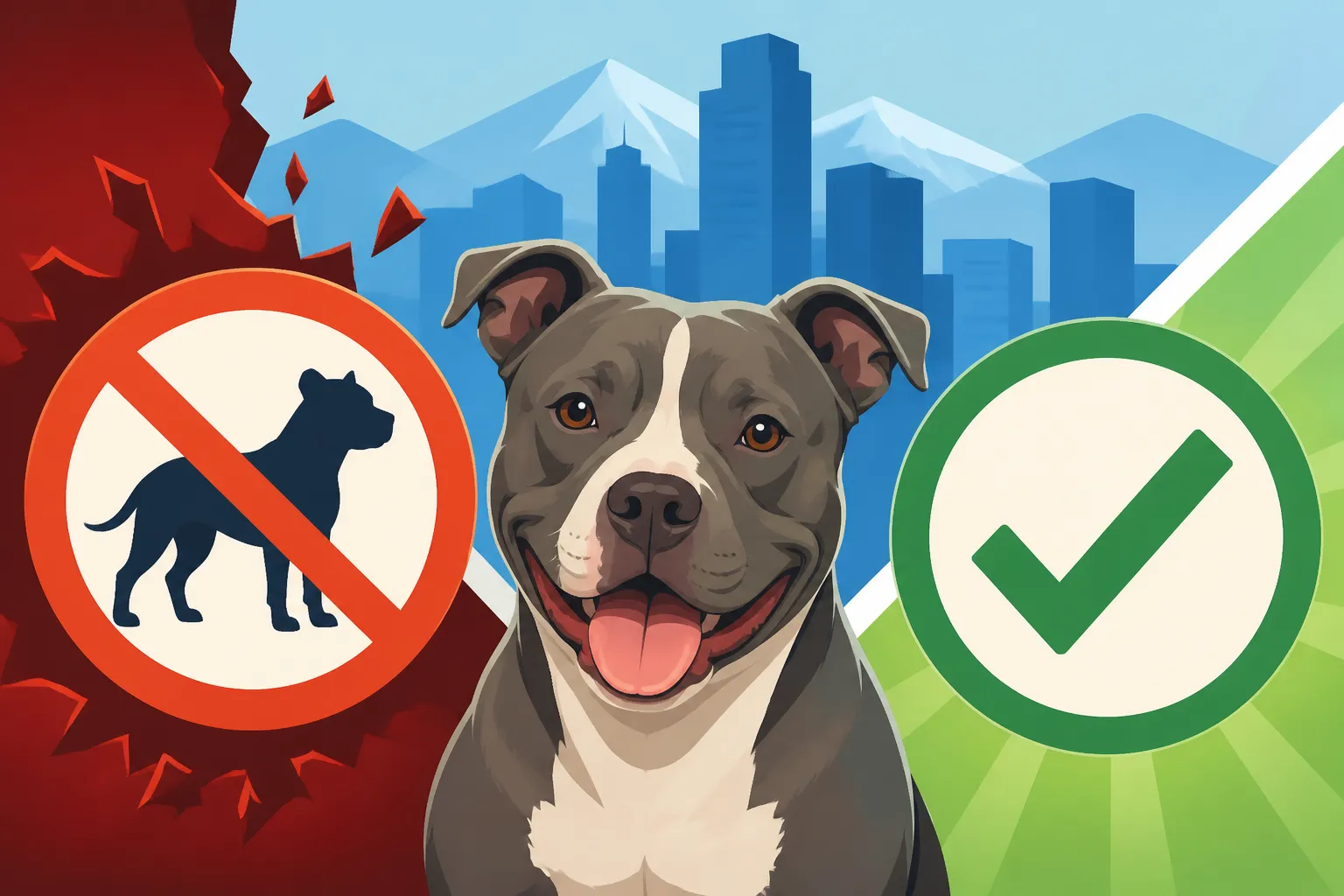
The vote to repeal Denver's Pit Bull ban in November 2020 was a momentous victory, signaling a new era for dog owners in the city. It didn't just remove an arbitrary restriction; it restored dignity to a much-maligned group of dogs and their families. However, the repeal wasn't a free-for-all; it came with new responsibilities and a transition period designed to ensure public safety while allowing Pit Bull type dogs to finally be judged as individuals.
The New Rules and Responsible Pet Ownership
When Denver's voters approved Ballot Measure 2B, repealing the 31-year-old ban, it didn't mean Pit Bulls were suddenly unregulated. Instead, it shifted the focus from breed to behavior, implementing a permit system for previously banned breeds that emphasized responsible pet ownership. Under the new ordinance, owners of Pit Bull type dogs are required to obtain an annual "breed-restricted" permit, which costs a nominal fee (around $30). This permit requires that the dog be microchipped, spayed or neutered, and vaccinated. Most importantly, it mandates that owners report any incidents where their dog bites or exhibits aggressive behavior.
This permit system essentially provided a probationary period. If a Pit Bull type dog goes three years without any reported incidents, the "breed-restricted" label can be removed, and the dog is treated like any other canine in the city. This system places the onus on the owner to ensure their dog is well-behaved and safely managed, a standard that truly responsible owners already uphold. It moved away from blanket discrimination and towards a system that holds owners accountable for their dog's actions, which is the cornerstone of effective animal control. This thoughtful approach was a compromise that satisfied public safety concerns while providing a clear path to full integration for Pit Bulls. You can find more details on such rules in articles like "Denver's Microchip Rules for a Pit Bull" which outlines specific requirements.
Impact on Shelters and Adoptions
The repeal had an immediate and profound impact on animal shelters in and around Denver. For decades, shelters were faced with the heartbreaking reality of housing Pit Bulls that could not be adopted out within city limits, leading to higher euthanasia rates for these dogs. With the ban lifted, Denver Animal Protection could now adopt out Pit Bull type dogs directly to residents, dramatically increasing their chances of finding forever homes. This change aligned Denver with the progressive policies of other major cities and states that recognize the importance of breed-neutral legislation in reducing shelter populations and promoting animal welfare.
Organizations like Dumb Friends League, a prominent animal welfare group in Colorado, celebrated the repeal, noting the positive shift for thousands of dogs who would no longer face breed discrimination. It meant more shelter space, reduced stress on staff, and a surge of hope for dogs who were previously overlooked. This ripple effect also influenced surrounding communities, as it reinforced the growing consensus that breed-specific bans are ineffective and inhumane. For a deeper understanding of the broader implications for dogs awaiting homes, consider reading "Pit Bulls in American Shelters."
Beyond Denver: Lessons from the Repeal
The successful repeal of Denver's Pit Bull ban was more than a local victory; it was a significant milestone in the national conversation about breed-specific legislation. It offered crucial lessons for other cities grappling with similar bans and reinforced the growing body of evidence that supports breed-neutral approaches to dog safety. The story of Denver's fight continues to inspire advocates across the country.
Why Breed-Specific Legislation Fails
Denver's experience, like that of many other municipalities, highlighted the fundamental flaws in BSL. Primarily, such laws are ineffective at improving public safety. Data consistently shows that dog bite incidents are not significantly reduced by breed bans. Instead, factors like responsible ownership, socialization, training, and spay/neuter rates are far more influential in preventing bites. BSL also fosters a false sense of security, leading some communities to neglect comprehensive animal control strategies. This also contributes to "The Cost of a Pit Bull Reputation," as resources are misdirected.
Moreover, BSL is incredibly costly to enforce, diverting valuable resources from programs that actually work, such as public education, low-cost spay/neuter initiatives, and enforcement of dangerous animal ordinances that focus on a dog's specific behavior rather than its breed. It also disproportionately affects rescue dogs, as Pit Bull type dogs make up a significant portion of shelter populations, exacerbating the problem of pet overpopulation and euthanasia. For a comprehensive look at the arguments against BSL, check out "Whether a Pit Bull Ban Reduces Dog Bites."
The Rising Tide Against Breed Bans
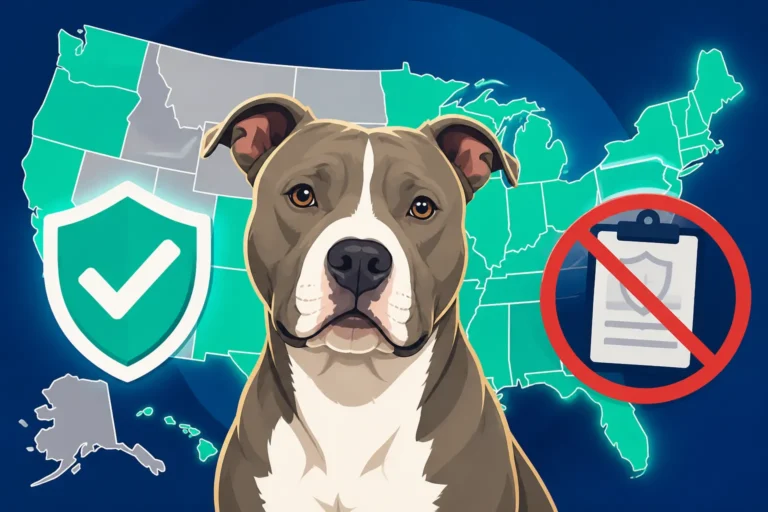
The trend across the United States is overwhelmingly moving away from breed-specific legislation. States like Arizona, Florida, and Maryland have enacted statewide bans on BSL, preventing individual municipalities from imposing such restrictions. More cities are following Denver's lead, repealing their bans in favor of breed-neutral dangerous dog laws. This shift is driven by a combination of scientific evidence, legal challenges, and persistent advocacy from animal welfare groups and responsible dog owners.
This growing opposition to BSL isn't just about protecting one type of dog; it's about promoting fair, effective, and humane animal control policies that benefit entire communities. It acknowledges that every dog, regardless of its appearance, is an individual with unique needs and behaviors. This momentum also empowers owners to seek proper care and insurance without breed discrimination. For example, some pet insurance providers like Healthy Paws are known for their comprehensive coverage, which helps responsible owners prepare for unexpected health issues, making quality care more accessible, regardless of a dog's breed. This changing landscape is a testament to the power of informed advocacy and a more compassionate understanding of our canine companions. You can delve into this broader trend by reading "Why Support for Pit Bull Bans Has Fallen."
Practical Advice for Owners in Areas with BSL
Even with Denver's progressive step, breed-specific legislation still exists in various forms across the country. If you live in an area with BSL or are considering moving to one, it’s crucial to be informed and proactive.
Here's a quick overview of how the rules often change:
| Aspect | Before Denver's Repeal (Typical BSL) | After Denver's Repeal (Breed-Neutral Focus) |
|---|---|---|
| Legality of Ownership | Banned or highly restricted | Legal with specific permits/requirements |
| Visual Identification | Primary method for enforcement | Less emphasis, more on behavior/genetics |
| Permit Requirements | Strict, costly, often lifelong | Transitional, focused on responsible ownership |
| Muzzle/Leash Rules | Mandatory in public | Behavioral basis, not universal |
| Insurance Impact | Limited or denied home insurance | Better access to standard pet insurance |
| Shelter Adoptions | Difficult/impossible within city | Increased adoption opportunities |
First, thoroughly research local ordinances. Understand what defines a "Pit Bull type dog" in your specific area and what specific requirements, such as permits, special leashing, or muzzling, might apply. This also extends to housing; many landlords and HOAs have their own breed restrictions, even if the city does not. Articles like "Getting Home Insurance With a Pit Bull" or "Finding a Rental That Takes a Pit Bull" can offer valuable insights into these challenges.
Second, be an exemplary dog owner. Ensure your dog is well-trained, socialized, and always under control. Consider pursuing certifications like the Canine Good Citizen (CGC) title, which can sometimes help demonstrate your dog's good temperament to authorities or landlords. This high standard of ownership is captured in posts like "Training a Pit Bull to a Higher Standard Than Other Dogs."
Third, document everything. Keep meticulous records of your dog's vaccinations, training certificates, and any behavior evaluations. If your dog is a mixed breed, a DNA test can sometimes clarify its ancestry, which might be helpful in some situations, though not all jurisdictions accept it.
Finally, engage with local advocacy groups. Your voice, combined with others, can be powerful in pushing for change in your community, just as it was in Denver. Support businesses that are Pit Bull friendly. When choosing high-quality food, for instance, brands like Ollie, with their focus on fresh, customized meal plans, cater to responsible owners who want the best for their dog's health and well-being, irrespective of breed. Similarly, online retailers like Chewy offer a vast array of pet supplies, making it easier for owners to access everything from enrichment toys to prescription diets. These companies understand the needs of all dogs and their dedicated owners.
The fight against BSL is far from over in many places. You can learn more about the ongoing situation by exploring "Where Pit Bull Legislation Still Applies." However, Denver's journey stands as a beacon of hope, proving that with perseverance, education, and collective action, communities can move towards more humane and effective policies for all dogs and their families.
Disclaimer
The information provided in this article is for general informational purposes only and does not constitute legal advice. Breed-specific legislation and animal control laws vary by jurisdiction and can change frequently. Always consult with local authorities, legal professionals, and your veterinarian for advice specific to your situation and location.