Switching Insurers After a Pit Bull Skin Claim
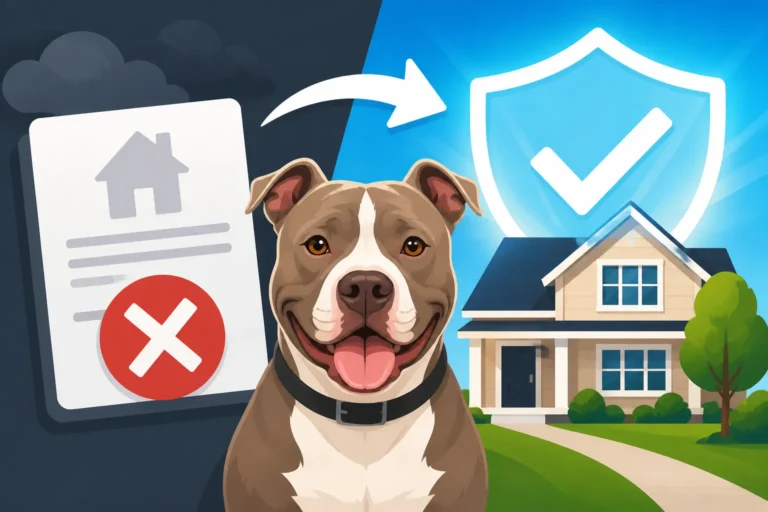
It's incredibly frustrating when you've done everything right for your beloved Pit Bull, only to have a common issue like a skin allergy suddenly complicate something as vital as pet insurance. You've diligently managed their care, maybe even navigated through tough flare-ups, and now you're facing increased premiums or, worse, the daunting prospect of finding a new insurer because your current one has decided a skin claim makes your furry family member too much of a "risk." This guide is here to walk you through why this happens and how to successfully switch insurers after a Pit Bull skin claim, making sure your companion remains protected.
The Ripple Effect of a Skin Claim on Your Pit Bull's Insurance
When you file a pet insurance claim, it's not just a transaction; it's a data point. Insurers operate on risk assessment, and any claim, especially one for a recurring condition like skin allergies, can flag your pet as potentially more expensive to cover in the future. It feels unfair when you're just trying to get your dog the help they need, but understanding their perspective can help you strategize.
Why Skin Claims Raise a Red Flag for Insurers
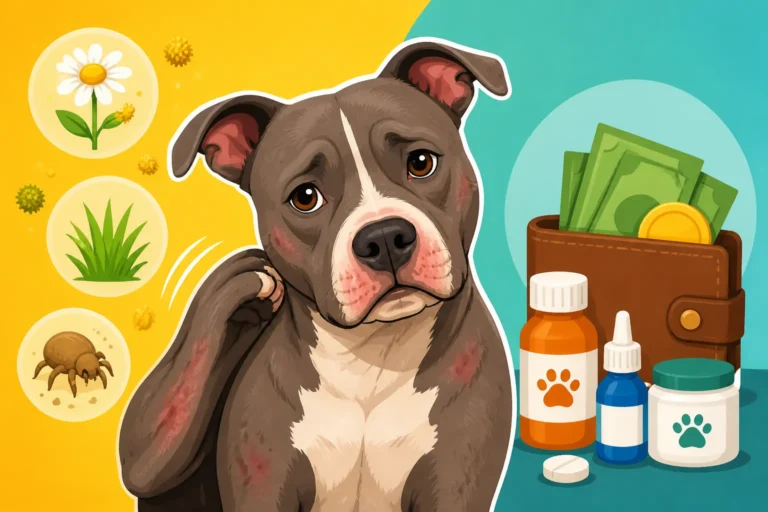
Imagine a scenario: your Pit Bull, bless their itchy soul, has been dealing with chronic skin issues. Maybe it started as seasonal itching, but then it progressed to hot spots or secondary infections requiring multiple vet visits, diagnostic tests, medications like Apoquel or Cytopoint, and even specialty shampoos. While each visit might not break the bank, the cumulative cost and the potential for lifelong management definitely get an insurer's attention. From their point of view, a one-off injury is often a fixed cost, but a chronic condition suggests ongoing, potentially escalating expenses year after year. This is why something that seems like a minor ailment to us, such as a localized flare-up that needed a course of antibiotics, can translate into a significant long-term financial risk for an insurance provider.
Understanding Your Current Policy's Renewal After a Claim
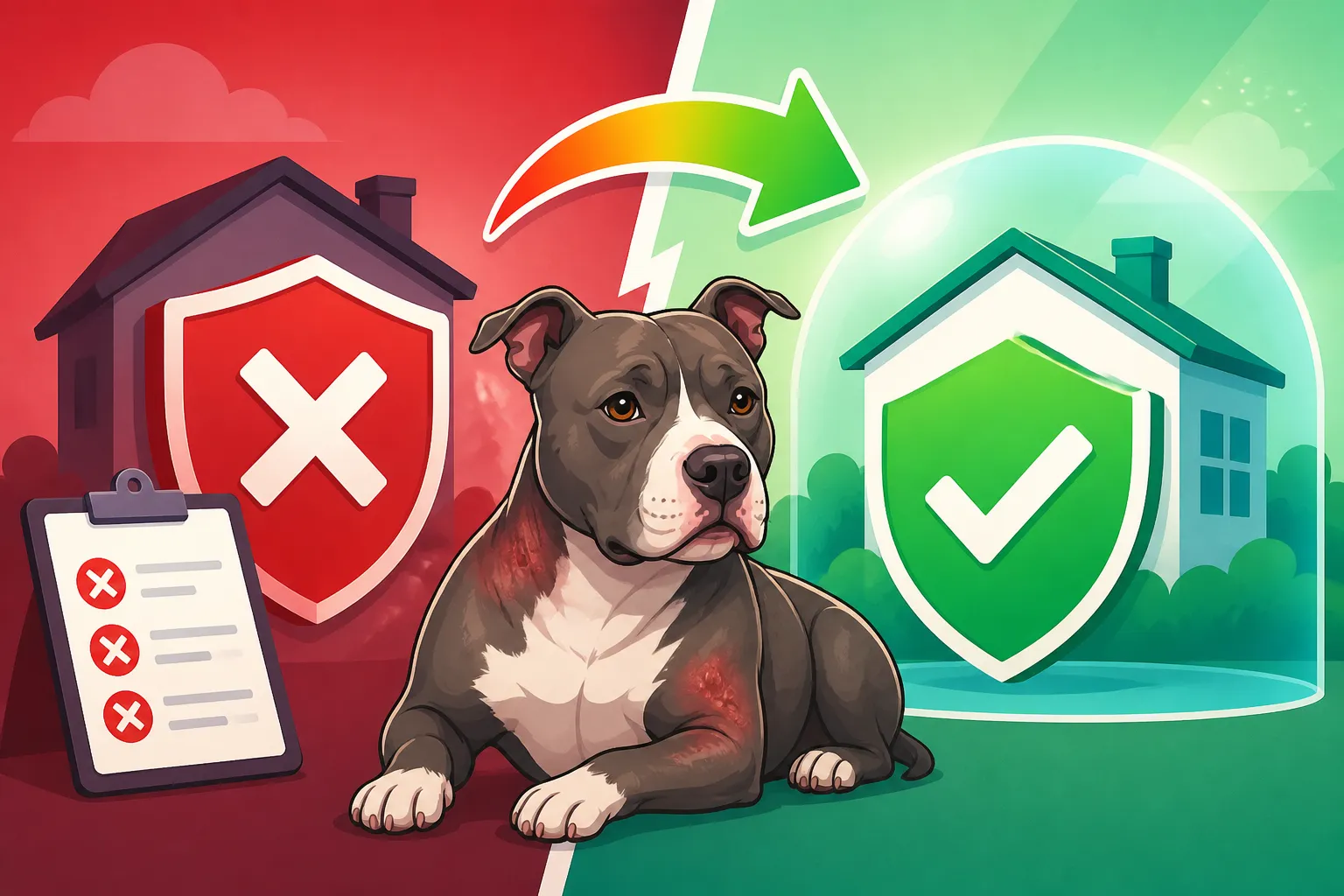
When your policy comes up for renewal, the insurer reviews your claims history. For a Pit Bull with a skin claim, several things might happen. You might see a noticeable increase in your premium, reflecting the new "risk profile" of your dog. Alternatively, certain aspects of your dog's skin condition might be explicitly excluded from future coverage, now deemed a "pre-existing condition." In some unfortunate cases, if the claims have been extensive or the condition is considered particularly high-risk, the insurer might even opt not to renew your policy at all. It’s a tough pill to swallow, especially when you’ve been a loyal customer, but it’s a reality many Pit Bull owners face. Your current insurer might consider any Pit Bull Skin Allergies and the Atopy Pattern a chronic concern.
The Impact of Breed Perception on Insurance Decisions
Let's be honest, Pit Bulls often get a raw deal. Despite being incredibly loving and loyal companions, outdated stereotypes and breed-specific legislation mean they are frequently judged by a stricter standard. This prejudice unfortunately extends to the insurance world. While a skin claim for a Labrador might be seen as routine, the same claim for a Pit Bull can sometimes carry an extra layer of scrutiny due to perceived higher risks associated with the breed, whether related to liability or simply a general negative bias. Insurers may categorize certain breeds, including Pit Bulls, as "restricted" or "high-risk," impacting everything from premiums to available coverage options, even for non-liability claims like health issues. This can feel incredibly unfair when you know your dog is a healthy, well-behaved member of your family.
Navigating the Market for New Pit Bull Insurance Options
Finding a new insurer after a skin claim can feel like you're starting from scratch, but it's entirely possible. The key is to be proactive, transparent, and persistent.
When to Start Looking for a New Policy
Don't wait until you receive a non-renewal notice or a shocking premium increase. As soon as you suspect your current policy might be problematic due to a recent claim, or even if your Pit Bull develops a chronic condition that will likely lead to future claims, start researching. Begin looking for alternatives about 2-3 months before your current policy's renewal date. This gives you ample time to gather documents, compare quotes, understand new policy terms, and navigate any waiting periods that new insurers might impose. Rushing the process can lead to overlooked exclusions or less favorable terms. Think about it like this: the sooner you start, the more options you'll have, and the less stressed you'll be.
What to Disclose to Potential New Insurers
Honesty is always the best policy, especially when it comes to pet insurance. When applying for new coverage, you must disclose your Pit Bull's full medical history, including any prior skin claims. Trying to hide a previous claim is a recipe for disaster; insurers have ways of finding out, and it will almost certainly lead to a denial of future claims or even cancellation of your policy.
It's crucial to understand how "pre-existing conditions" are handled. Most insurers define a pre-existing condition as any illness or injury that your pet showed signs of before the policy started, or before the end of any waiting periods. This means that while a new insurer might cover new conditions, they will almost certainly exclude the specific skin condition for which you've already filed a claim. This is a common and often frustrating aspect of pet insurance. For example, if your Pit Bull had "allergic dermatitis" treated before the new policy, subsequent treatments for that same allergic dermatitis would likely be excluded. However, if they later develop a completely unrelated issue, like a broken tooth, that would still be covered.
Insurers Known for Being Pit Bull Friendly
While many general pet insurance companies might have breed-specific exclusions or higher premiums, some are more understanding. It's worth seeking out companies that explicitly state they do not discriminate by breed or that have a reputation for covering Pit Bulls without excessive caveats. Companies like Healthy Paws are often cited by Pit Bull owners as being more inclusive, focusing on overall pet health rather than breed stereotypes. While they still adhere to the pre-existing condition clause, their general openness to Pit Bull-type dogs can make the process less daunting. Always get a custom quote and read the fine print, but target these kinds of providers first. Also, sometimes local or regional pet insurance providers, or even larger companies with specific "inclusive" policies, might be more accommodating.
Here's a quick comparison of common factors that influence pet insurance decisions, especially after a claim:
| Factor | Impact on New Policy After Skin Claim | What to Expect |
|---|---|---|
| Claim History | Previous skin claims are recorded and reviewed. | Likelihood of exclusion for the specific skin condition. |
| Pre-Existing Condition | The documented skin condition will almost certainly be classified as pre-existing. | Future claims for that specific condition will not be covered. |
| Breed | Pit Bulls may already face higher scrutiny/premiums due to breed perception. | May limit options or lead to higher base premiums from some insurers. |
| Age of Pet | Older pets generally have higher premiums and more exclusions. | A skin claim on an older Pit Bull can further complicate coverage. |
| Overall Health | Any other health issues noted in vet records will be considered. | Comprehensive health records are vital to prove general good health. |
| Waiting Periods | New policies always have waiting periods before coverage begins. | Typically 14 days for illness, longer (6-12 months) for orthopedic issues. |
Strategies to Smooth Your Transition and Secure Coverage
Even with the challenges, there are concrete steps you can take to make the transition to a new insurer as smooth as possible and give your Pit Bull the best chance at ongoing coverage.
Gathering Comprehensive Health Records
This is arguably the most crucial step. Before you even apply, call your current vet and request a complete copy of your Pit Bull's medical records. This should include every visit, diagnosis, treatment, and medication, especially those related to their skin condition. The more detailed and organized your records are, the better. When a new insurer asks for your pet's health history, you'll be able to provide clear, undeniable evidence of their care. This can help differentiate a well-managed chronic condition from a neglected one.
Ensure your vet notes include specifics on diagnosis, duration of treatment, and prognosis for their skin issues. If your Pit Bull had a specific diagnosis like "atopic dermatitis" or "flea allergy dermatitis," make sure it's clearly documented. Insurers will pore over these records to identify pre-existing conditions, so clarity is paramount. Having a comprehensive understanding of what a Pit Bull health history should cover can make a huge difference in how your application is perceived.
Demonstrating Proactive Management of Skin Issues
While a skin claim means the condition is likely pre-existing, you can still show potential insurers that you are a responsible pet parent actively managing your Pit Bull's health. This means continuing their prescribed treatments, regular vet check-ups, and preventative care.
For instance, if your Pit Bull's skin issues are linked to allergies, actively managing their diet with a limited ingredient food, or using supplements like omega-3 fatty acids, can be beneficial. Many pet supply retailers like Chewy offer a wide range of specialized foods and supplements that can support skin health. If you're using prescription diets or specific supplements, make sure these are noted in your vet records. Even opting for fresh food diets, like those offered by Ollie, might show a commitment to premium nutrition that can indirectly support skin health, although the direct link to insurance acceptance is harder to quantify. Documenting your consistent efforts, whether it's through specific vet-prescribed food or regular medicated baths for a Pit Bull with atopy, demonstrates your dedication to keeping their condition under control. This proactive approach can sometimes sway an insurer, especially if the condition has been stable for a significant period.
The Value of a "Waiting Period" and "Portability"
Every new pet insurance policy comes with "waiting periods" – a set amount of time after you purchase the policy before certain coverages kick in. For illnesses, this is typically 14 days, but for orthopedic conditions, it can be 6-12 months. Any new conditions that arise during this waiting period will be considered pre-existing and won't be covered. This is why timing your switch is so important. You want to avoid any gaps in coverage where your pet might develop a new, unexpected illness that wouldn't be covered under the new policy.
The concept of "portability" in pet insurance isn't as straightforward as it is with human health insurance. You can't usually transfer your claims history or pre-existing conditions from one pet insurer to another. Each new policy will treat everything that happened before its start date (and the new waiting periods) as pre-existing. So, while you're technically "switching," you're really starting a new policy with a fresh slate of exclusions based on your Pit Bull's past medical history. Understanding this reality helps manage expectations about what a new policy will and won't cover. For many owners, the priority is ensuring that new, unforeseen issues are covered, even if the existing skin condition isn't.
Long-Term Management of Your Pit Bull's Health and Insurance
Securing new insurance is a win, but the journey of managing your Pit Bull's health and related costs is ongoing. A long-term perspective will serve both you and your loyal companion best.
Prioritizing Preventative Care to Minimize Future Claims
The best way to keep insurance costs down in the long run, and more importantly, keep your Pit Bull healthy, is to focus on preventative care. Regular vet check-ups aren't just for vaccinations; they're vital for catching issues early before they become major claims. Discuss a year-round parasite cover for a Pit Bull to prevent issues like flea allergy dermatitis, which can exacerbate skin problems. Staying on top of dental hygiene, regular exercise, and feeding a balanced diet can prevent many common ailments. Think about things like:
- Routine Vet Visits: Catching small issues before they become big ones.
- Parasite Prevention: Heartworm, flea, and tick medications are crucial.
- Appropriate Diet: High-quality food can support overall health, including skin and coat.
- Dental Care: Regular brushing and professional cleanings can prevent painful and costly dental disease.
- Exercise & Weight Management: Keeping your Pit Bull at a healthy weight reduces strain on joints and promotes overall vitality. Understanding Pit Bull obesity and how to spot it under muscle is key.
These practices not only contribute to your Pit Bull's well-being but also create a robust health record that demonstrates your commitment to their care, which could be beneficial during future policy renewals or even if you need to switch insurers again down the line.
Budgeting for Potential Out-of-Pocket Costs
Even with pet insurance, you'll always have some out-of-pocket expenses. This includes deductibles, co-pays, and any treatments for pre-existing conditions that are now excluded from your new policy. For example, if your Pit Bull's chronic skin condition is excluded, you'll be fully responsible for the cost of future medications, special foods, or vet visits related to that specific issue. This is where understanding Pit Bull allergy treatment as a recurring bill becomes essential for your personal finances.
It’s wise to set up a dedicated savings fund specifically for your pet's healthcare. This "rainy day fund" can cover those excluded pre-existing conditions or unexpected expenses that fall below your deductible. Think of it as a safety net that complements your insurance, ensuring you're never caught off guard when your Pit Bull needs care. Many owners find it helpful to budget what a Pit Bull costs each year and factor in a buffer for potential medical needs.
Advocating for Your Pit Bull in a Challenging System
Living with a Pit Bull means you're often their strongest advocate, and that extends to navigating complex systems like insurance. Don't be afraid to ask questions, challenge assumptions, and seek out policies that genuinely serve your dog's needs. If you feel unfairly treated, document everything, from phone calls to emails, and politely pursue clarification. Remember that every "no" from one insurer is just an opportunity to find a "yes" from another. Researching which insurers have no Pit Bull breed restriction can save you a lot of time and frustration.
It's a continuous journey, but with careful planning, detailed record-keeping, and a commitment to your Pit Bull's health, you can ensure they receive the best possible care, no matter how many hoops you have to jump through with insurance companies. Your dedication shines through, and your Pit Bull feels it every single day.
Disclaimer
The information provided in this guide is for general informational purposes only and does not constitute financial, veterinary, or legal advice. Pet insurance policies, terms, and coverage can vary significantly, and it is crucial to research and understand the specific details of any policy before purchasing. Always consult with a qualified veterinarian for any health concerns regarding your Pit Bull and a licensed insurance professional for advice tailored to your individual circumstances.