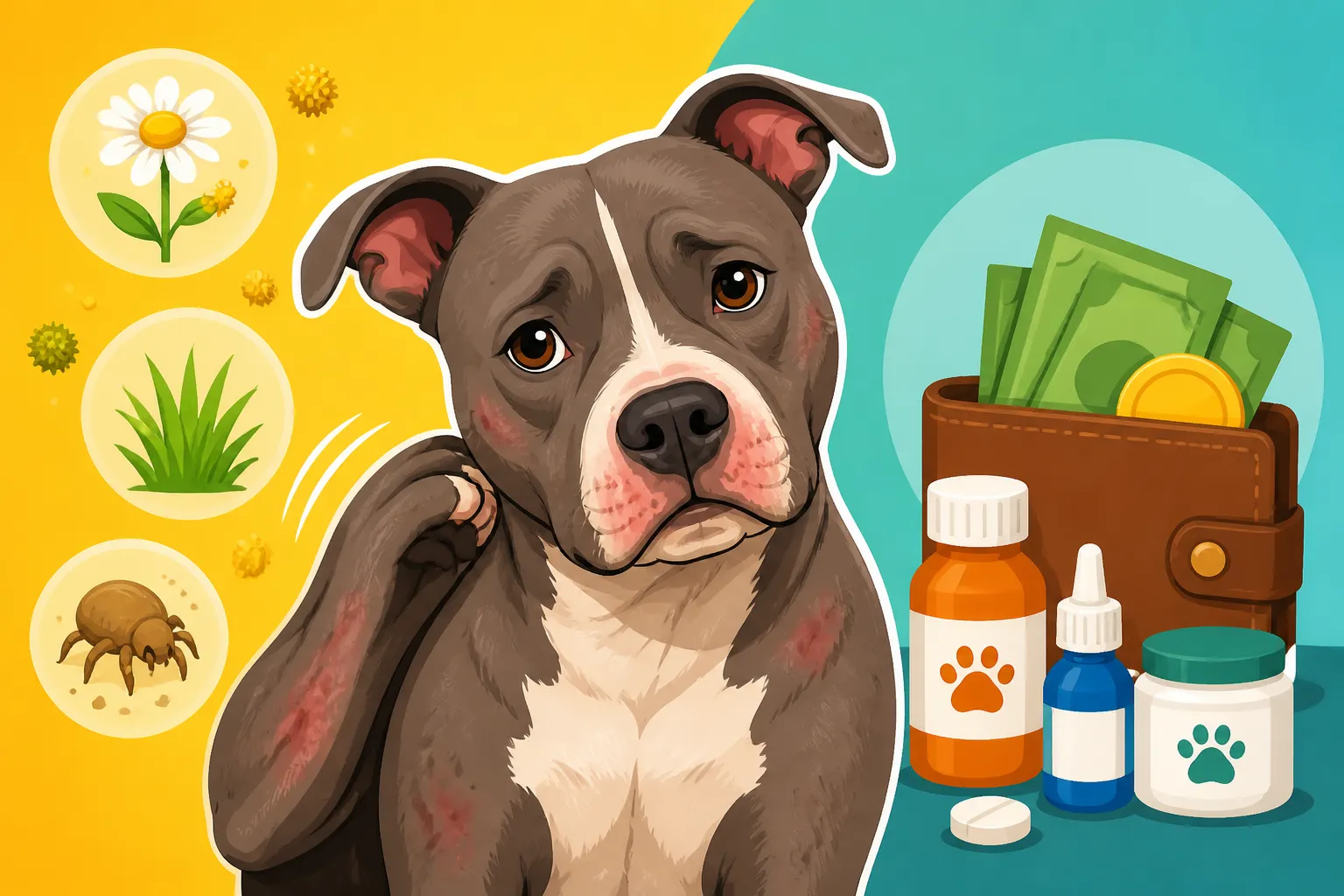
What a Pit Bull Costs a Year With Allergies
Living with a Pit Bull is an incredibly rewarding experience, but when your beloved companion starts scratching relentlessly, chewing at their paws, or developing persistent ear infections, it can quickly turn into a frustrating and expensive journey. Pit Bull allergies are a common and often chronic issue, leaving many owners feeling overwhelmed by the financial strain and the endless cycle of vet visits and treatments. This guide will meticulously break down the annual costs associated with managing Pit Bull allergies, from initial diagnostics and ongoing medications to specialized diets and environmental controls, helping you understand what to expect and how to budget effectively.
Understanding the Financial Burden of Pit Bull Allergies
Discovering your Pit Bull has allergies is often a moment of mixed emotions – relief at having a diagnosis, but immediate concern about what comes next. It’s not just a one-time fix; it’s usually an ongoing management process that can significantly impact your wallet. The financial burden isn't just about the immediate vet bill; it's about the recurring costs that stack up throughout the year, every year.
The Initial Shock of a Diagnosis
When your Pit Bull first starts showing signs of allergies – constant itching, redness, hair loss, or smelly ears – your first stop is, understandably, the vet. This initial visit alone can be costly, as your veterinarian works to rule out other potential causes like parasites or bacterial infections. They might perform skin scrapings to check for mites like Demodex, or run cytology tests to look for yeast or bacteria. These basic diagnostic tests can quickly add up, often ranging from $100 to $300, depending on your location and what exactly is needed.
But the initial diagnostic phase often goes beyond basic tests. If parasites are ruled out, your vet might suggest blood tests or intradermal skin testing to pinpoint environmental allergens, or recommend An Eight Week Food Trial on an Itchy Pit Bull to identify potential food sensitivities. These specialized tests can be a significant investment, with allergy blood panels often starting at $200-$400, and consultations with a veterinary dermatologist for intradermal testing running even higher, sometimes $500-$1,000 for the initial work-up. It's a tough pill to swallow when you're just starting out, often feeling like you're throwing money at a problem without a guaranteed solution in sight.
Why Pit Bulls are Prone to Allergies
It feels almost unfair, doesn't it? Our tough, muscular Pit Bulls, often seen as resilient, can be so susceptible to allergies. The truth is, Pit Bull type dogs, including American Pit Bull Terriers and American Staffordshire Terriers, are genetically predisposed to certain allergic conditions, especially environmental allergies, also known as atopy. This means their immune systems overreact to common substances like pollen, dust mites, or mold spores, leading to itchy skin, ear infections, and paw chewing. You can read more about this in our guide on Pit Bull Skin Allergies and the Atopy Pattern.
Beyond environmental triggers, food allergies are also a concern, though less common than atopy. A Pit Bull might react to common protein sources like chicken or beef, or even grains. And let's not forget flea allergy dermatitis, where just one flea bite can send an allergic Pit Bull into an intense itching frenzy. This genetic predisposition means that for many Pit Bull owners, allergies aren't a temporary nuisance but a chronic condition that requires consistent, long-term management. This inherent susceptibility translates directly into recurring costs year after year, as you battle flare-ups and maintain preventive measures.
Veterinary Consultations and Diagnostics
The journey through Pit Bull allergies is almost always a partnership with your veterinarian, and often a specialist. These professionals are your allies, but their expertise comes with a price tag, which is an unavoidable part of managing chronic conditions.
Routine Check-ups and Specialist Visits
Once your Pit Bull has been diagnosed with allergies, routine check-ups become even more critical than for a non-allergic dog. Instead of just an annual wellness visit, you might find yourself at the vet's office every few months, especially during peak allergy seasons or when new flare-ups occur. These follow-up appointments allow your vet to monitor your dog's progress, adjust medications, and catch secondary infections early. A typical follow-up visit can range from $50 to $150, but these add up quickly if you're going every other month.
For persistent or severe cases, your general practitioner might recommend seeing a veterinary dermatologist. These specialists have advanced training in skin conditions and can offer more specialized diagnostic and treatment options. A first consultation with a dermatologist can be anywhere from $200 to $400, not including any tests they might perform. Subsequent visits, while potentially shorter, still incur consultation fees. While it’s a significant investment, seeing a specialist can sometimes save money in the long run by providing a more effective, tailored treatment plan that reduces the frequency of flare-ups and subsequent emergency visits.
Allergy Testing Options and Costs
Pinpointing the exact allergens affecting your Pit Bull is key to effective management, and there are a couple of main routes for testing, each with its own cost implications. The most common are blood serum testing and intradermal skin testing. Blood tests, often performed by your regular vet, involve taking a blood sample and sending it to a specialized lab to check for reactions to various environmental allergens. These tests are less invasive but can sometimes have false positives or negatives. The cost usually ranges from $200 to $400.
Intradermal skin testing, on the other hand, is considered the gold standard for environmental allergies. This procedure is typically performed by a veterinary dermatologist and involves sedating your dog, shaving a patch of their side, and injecting tiny amounts of common allergens just under the skin. The dermatologist then observes which allergens cause a reaction. This test is more accurate but also more involved and expensive, often costing $500 to $1,000 for the procedure itself, plus the initial consultation fees.
And then there are food allergies, which are diagnosed through An Eight Week Food Trial on an Itchy Pit Bull. This isn't a test you pay for in the traditional sense, but it involves a significant indirect cost: buying specialized, often prescription-grade, hypoallergenic food for an extended period. This food can be two to three times more expensive than standard kibble, creating a hidden but substantial cost during the diagnostic phase. The investment in accurate diagnosis is crucial because it helps tailor treatment, making sure you're not spending money on solutions that won't work for your specific Pit Bull's needs.
Medication and Treatment Costs
Once you have a diagnosis, the real ongoing financial commitment of allergy management begins. Medications are often necessary to control the immune response and alleviate symptoms, preventing your Pit Bull from suffering and developing secondary infections.
Anti-itch Medications and Immunotherapy
For many Pit Bulls, managing the incessant itching is the primary goal, and modern veterinary medicine offers several effective options. Two of the most common medications for atopic dermatitis are Apoquel and Cytopoint. Apoquel is an oral tablet that works by targeting specific pathways involved in the itch cycle. Its cost depends on the dog's weight and the dosage, but you can expect to pay anywhere from $60 to $150 per month for an average-sized Pit Bull. Cytopoint is an injectable antibody treatment that specifically targets a protein involved in sending itch signals. It's administered by your vet every 4-8 weeks, and each injection can cost between $80 and $200, depending on weight. You can learn more about these options in our article on Apoquel and Cytopoint for an Itchy Pit Bull.
For dogs with confirmed environmental allergies, immunotherapy (allergy shots or oral drops) is often recommended. This treatment involves exposing your dog to small, increasing doses of the specific allergens they react to, gradually desensitizing their immune system. The initial setup cost for immunotherapy, which includes the custom-made vials of allergens, can be $200-$500. After that, you'll need to purchase refill vials every few months, which usually cost $100-$300 per set. While it's a long-term commitment (often lifelong), immunotherapy aims to modify the immune response rather than just suppress symptoms, potentially reducing the need for other medications over time. Some owners learn to administer the injections at home, saving on vet visit fees, but regular check-ins are still necessary.
Addressing Secondary Infections
The relentless scratching, licking, and chewing that comes with allergies often breaks the skin barrier, creating a perfect entry point for bacteria and yeast. This leads to frustrating secondary infections like pyoderma (bacterial skin infection) and yeast dermatitis, which compound the itch and discomfort. When these flare up, they require additional medications beyond just allergy management.
Bacterial infections typically necessitate courses of oral antibiotics, which can range from $30 to $100 per prescription, and sometimes multiple courses are needed. Topical antibiotics or medicated shampoos, like those containing chlorhexidine, also add to the bill, costing $20-$40 per bottle. Yeast infections, identifiable by a strong, sometimes sweet, odor and greasy skin, often require oral antifungals, which can be pricier, sometimes $50-$150 per course, along with antifungal shampoos. It's a vicious cycle: allergies cause itching, itching causes infection, and infection needs specific treatment, all adding to the annual cost. Managing these secondary infections effectively is crucial, as chronic, untreated infections can lead to more severe skin damage and discomfort for your Pit Bull. Our guide on Yeast Infections in Pit Bull Skin Folds offers more insight into this common problem.
Specialized Diets and Supplements
What goes into your Pit Bull’s bowl can play a significant role in managing allergies, especially if food sensitivities are part of the picture. Even for environmental allergies, a supportive diet can help maintain skin barrier health.
Prescription and Limited Ingredient Diets
If your Pit Bull is suspected or confirmed to have a food allergy, a prescription hydrolyzed protein diet or a novel protein limited ingredient diet (LID) will become a necessity. These diets use proteins that are either broken down into such small particles that the immune system doesn't recognize them as allergens (hydrolyzed) or introduce a protein source your dog has never eaten before (novel protein, like venison, duck, or rabbit). These specialized foods are significantly more expensive than conventional kibble.
For example, a large bag of a common prescription diet like Hill's Prescription Diet z/d or Royal Canin Hydrolyzed Protein can cost $80-$120, compared to $40-$60 for a standard premium kibble. If your Pit Bull requires a strictly controlled diet, these costs are a permanent fixture in your monthly budget. Some owners explore fresh food options, but these can also be costly, especially for a Pit Bull's size. Brands like Ollie, which offer fresh, human-grade dog food, can provide tailored meals, but prices generally run higher than kibble due to the quality and preparation involved. It's a commitment, but sticking to the prescribed diet is critical for managing symptoms and preventing costly flare-ups.
Nutritional Supplements for Skin Health
Beyond prescription diets, many owners find success in incorporating specific nutritional supplements to support their Pit Bull's skin barrier function and reduce inflammation. Omega-3 fatty acids, typically derived from fish oil, are a popular choice. They have anti-inflammatory properties that can help soothe irritated skin and improve coat health. High-quality fish oil supplements for a large dog can cost $20-$40 per month.
Probiotics are another common recommendation, as a healthy gut microbiome can influence overall immune function and skin health. A monthly supply of canine probiotics might run $15-$30. Other supplements, like those containing zinc, biotin, or certain vitamins, are also sometimes recommended, adding another $10-$30 to your monthly bill. While these supplements aren't a cure, they can be a valuable part of a holistic management plan, potentially reducing the severity of flare-ups and the reliance on heavier medications. Always discuss any supplements with your vet to ensure they are appropriate and won't interact negatively with other treatments.
Grooming and Environmental Management
Keeping your allergic Pit Bull comfortable and minimizing allergen exposure often requires a dedicated grooming routine and careful management of their living environment. These aren't just cosmetic efforts; they're integral parts of controlling symptoms and preventing secondary issues.
Medicated Shampoos and Conditioners
For many Pit Bulls with allergies, medicated baths are a cornerstone of treatment. These aren't just regular shampoos; they contain active ingredients like chlorhexidine (antibacterial), miconazole (antifungal), or soothing oatmeal to reduce itch and inflammation. Your vet might prescribe baths two to three times a week during a flare-up, then reduce to once a week or bi-weekly for maintenance. You can find more detail on this in our guide to Medicated Baths for a Pit Bull With Atopy.
A good quality medicated shampoo can cost $20-$40 per bottle, and a complementary conditioner might be another $15-$30. Given the frequency of bathing, you'll go through these products fairly quickly. If you opt for professional grooming that includes medicated baths, especially for a dog as strong as a Pit Bull, the cost per session can be $60-$100 or more. While bathing a Pit Bull at home can be a workout, it's often more cost-effective. Regular bathing helps wash away allergens from their coat and soothe their irritated skin, providing much-needed relief and preventing the growth of opportunistic bacteria and yeast.
Environmental Controls and Cleaning Supplies
Managing your Pit Bull's environment is just as important as their diet and medication, especially for those with environmental allergies. This means taking proactive steps to reduce their exposure to triggers like dust mites, pollen, and mold. Investing in high-efficiency particulate air (HEPA) filters for your home, or even a smaller air purifier for the room your Pit Bull sleeps in, can help reduce airborne allergens. These can range from $100 for a small unit to several hundred for a whole-house system, plus recurring filter costs.
Regular cleaning is paramount. This means frequent vacuuming with a HEPA-filtered vacuum, washing your dog's bedding at least weekly in hot water, and wiping down their paws after outdoor excursions to remove pollen and other outdoor allergens. Specialty paw wipes can cost $10-$20 per pack, and you'll go through them quickly. Consider investing in hypoallergenic bedding covers or simply using old sheets that can be laundered frequently. While these seem like small costs individually, the cumulative effect of increased laundry detergent, cleaning supplies, and air purification can add a noticeable amount to your household budget each year.
Pet Insurance and Financial Planning
The unpredictable nature of allergies makes financial planning crucial. Pet insurance can be a lifeline for some, but understanding its limitations, especially with pre-existing conditions, is key.
Navigating Pet Insurance with Allergies
Pet insurance can be a fantastic tool for managing unexpected vet bills, but chronic conditions like allergies require careful consideration. Most pet insurance policies consider allergies a "pre-existing condition" if your Pit Bull showed symptoms or received a diagnosis before your policy's waiting period or enrollment. This means that if your dog already has allergies when you sign up, the costs associated with that specific condition may not be covered. This is why it's always recommended to enroll your pet in insurance as early as possible, ideally as a puppy, before any conditions arise.
However, some policies or providers might offer options, or if the specific allergen changes, there might be a grey area. It's crucial to read the fine print and talk directly to insurance providers about their policies regarding chronic conditions like Pit Bull Skin Allergies and the Atopy Pattern. Companies like Healthy Paws are known for comprehensive coverage, but even they have strict rules about pre-existing conditions. If you can get coverage, setting a realistic deductible and reimbursement level (e.g., 70%, 80%, or 90%) will dictate how much you pay out of pocket each year before insurance kicks in. Understanding your Setting a Pit Bull Deductible Against Allergy Bills can significantly impact your annual costs.
Budgeting and Saving for Chronic Care
Given the ongoing and often substantial costs of managing Pit Bull allergies, proactive financial planning is essential. It's wise to create a dedicated "allergy fund" or "pet emergency fund" to cover these recurring expenses. Start by calculating your estimated annual costs based on medication, food, and vet visits, and then divide that by 12 to determine a monthly savings goal. This upfront budgeting can help alleviate the stress when bills inevitably arrive.
If you find yourself facing large, unexpected bills, many veterinary clinics offer payment plans. Additionally, third-party financing options like CareCredit function like a credit card specifically for healthcare expenses, often offering interest-free periods if the balance is paid within a certain timeframe. Understanding your Pit Bull Allergy Treatment as a Recurring Bill and planning for it is much better than being caught off guard. While the numbers can seem daunting, knowing that you have a plan in place provides immense peace of mind and ensures your Pit Bull receives the consistent care they need to live a comfortable life.
Here's a simplified table of potential annual costs for managing Pit Bull allergies:
| Category | Low Annual Estimate | High Annual Estimate | Description |
|---|---|---|---|
| Vet Visits/Consults | $150 | $600 | Includes 2-4 follow-up vet visits for ongoing management, excluding initial diagnostics or specialist referrals. More frequent visits or specialist consultations increase this significantly. |
| Diagnostic Tests | $0 | $500 | Assumes initial comprehensive testing is done. This might be zero in a maintenance year, or up to $500+ for re-testing, specific allergy panels, or new issues. |
| Anti-itch Medication | $720 | $1800 | Covers common meds like Apoquel ($60-$150/month) or Cytopoint injections ($80-$200 per injection, every 1-2 months). Price varies by weight and frequency. |
| Immunotherapy (Allergy Shots) | $400 | $800 | After initial setup, covers refill vials ($100-$300 every 3-4 months) and occasional vet administration fees. Can be lower if owner administers shots at home. |
| Secondary Infection Meds | $100 | $500 | Accounts for occasional antibiotic/antifungal courses ($30-$150 per course), depending on the frequency and severity of infections. |
| Specialized Food | $480 | $1200 | Covers prescription hydrolyzed or novel protein diets, which are typically 2-3x more expensive than regular kibble ($40-$100 per bag, monthly). This is a consistent, non-negotiable cost for food-allergic Pit Bulls. Chewy often has competitive pricing on these. |
| Nutritional Supplements | $120 | $480 | Includes Omega-3s, probiotics, and other skin-supportive supplements ($10-$40/month). |
| Medicated Shampoos/Conditioners | $60 | $240 | Based on frequent use of specialized products ($20-$40 per bottle, replaced every 1-3 months). |
| Environmental Controls/Cleaning | $50 | $200 | Includes paw wipes, increased laundry, air filter changes, and occasional deeper cleaning supplies. |
| Total Annual Estimate | $2080 | $6320 | Note: This is a wide range as costs are highly individual. Lower end assumes mild allergies and home management, higher end assumes severe, chronic allergies requiring frequent vet visits, multiple medications, and specialized care. These figures do not include pet insurance premiums, initial diagnosis costs for the first year, or emergency situations. |
Quality of Life and Hidden Costs
Beyond the tangible costs, managing a Pit Bull with allergies carries a significant emotional and lifestyle toll. These "hidden costs" are just as real, impacting both your dog's quality of life and your own.
Impact on Daily Life and Activities
An itchy, uncomfortable Pit Bull is often a restless and sometimes irritable one. Chronic itching can disrupt sleep for both your dog and you, leading to daytime lethargy and a general sense of unease. You might find that typical activities you once enjoyed, like long walks through grassy parks, become problematic because they trigger pollen allergies. This can lead to restricted outdoor time or the need for more careful planning around peak allergen seasons.
Your Pit Bull might become more prone to destructive behaviors born out of frustration or discomfort, like excessive licking and chewing leading to hot spots or even damaging furniture. Our article on Pit Bull Hot Spots and Secondary Infection goes into more detail about how quickly these can develop. This constant management can limit spontaneous outings and require you to be more vigilant about their surroundings. While not a direct monetary cost, the impact on your lifestyle and your dog's ability to simply "be a dog" is a real consideration that can be emotionally taxing.
Emotional Toll and Time Investment
Perhaps the greatest hidden cost of managing Pit Bull allergies is the emotional toll it takes on owners. Seeing your beloved Pit Bull constantly uncomfortable, scratching until they bleed, or developing painful infections is heartbreaking. There's the guilt of feeling like you're not doing enough, or the frustration when a treatment plan doesn't work as expected. The endless cycle of vet visits, administering medications, giving frequent baths, and constantly cleaning can also be incredibly time-consuming.
Imagine the time spent researching new treatments, coordinating with your vet, shopping for specialized food (perhaps from retailers like Chewy or exploring fresh options like Ollie), and then actually implementing all these steps daily. It can feel like a part-time job. This constant vigilance and the emotional drain are significant, and they often lead to burnout for owners. While it's difficult to put a price tag on this, the emotional resilience required to provide consistent, compassionate care for a chronically allergic Pit Bull is a profound personal investment. Knowing that you're in it for the long haul, as discussed in Whether a Pit Bull Allergy Ever Goes Away, can help manage expectations and reinforce your commitment.
Disclaimer
The information provided in this article is for general informational purposes only and is not a substitute for professional veterinary advice. Always consult with a qualified veterinarian for any health concerns or before making any decisions related to your Pit Bull's health and treatment plan. Costs mentioned are estimates and can vary significantly based on location, specific veterinary practices, and individual dog needs.