Monthly Pet Rent Charged for a Pit Bull
It’s a scenario many Pit Bull owners know all too well: you’ve found the perfect apartment, a great neighborhood, and then you see it—the dreaded pet policy. While having pets in rentals is increasingly common, the issue of monthly pet rent, especially for dogs often labeled as "restricted breeds" like our beloved Pit Bulls, can feel like a labyrinth of extra charges, confusing clauses, and outright frustration. This guide will walk you through the ins and outs of pet rent, why it applies to Pit Bulls, and how to navigate these challenges to find a welcoming home for your furry family member.
The Reality of Pet Rent and Breed Restrictions
Let’s be honest, finding a rental with a Pit Bull can feel like an uphill battle from the start. Even when a property is advertised as pet-friendly, that often comes with an asterisk, and sometimes, that asterisk specifically refers to your dog's breed. Pet rent is a recurring monthly fee charged by landlords to tenants who have pets, on top of their regular rent. It's become a common practice, but for Pit Bull owners, it's frequently compounded by breed-specific policies.
Understanding the Landlord's Perspective on Pet Rent
From a landlord's point of view, pet rent isn't just about making extra money, though that can certainly be a factor. It often stems from a few key concerns. Firstly, there's the genuine worry about wear and tear. Dogs, especially larger, more active breeds, can cause more damage to flooring, walls, and landscaping. Think about muddy paws on pristine carpets or enthusiastic tail wags knocking over decor. Secondly, there’s the issue of noise. While any dog can bark, some landlords perceive larger dogs as being more prone to vocalization, which can disturb other tenants. Lastly, and most significantly for Pit Bull owners, there’s the liability aspect. Many property insurance carriers impose breed restrictions, and even if your individual dog is a perfect angel, the breed label alone can increase a landlord's insurance premiums or even make their property uninsurable through certain providers. This isn't fair, and it's certainly not based on your dog's actual behavior, but it's a harsh reality that many landlords face.
The Unfair Impact of Breed-Specific Policies on Pit Bulls
This is where the frustration really hits home for Pit Bull owners. Despite overwhelming evidence pointing to individual temperament rather than breed as the determining factor in a dog's behavior, many landlords and insurance companies maintain lists of "restricted breeds," with Pit Bulls almost always at the top. This means that even if you have a perfectly trained, calm, and well-behaved Pit Bull, you might be denied housing or charged a higher pet rent simply because of their perceived breed. It’s a blanket judgment that completely ignores the loving, loyal nature of these dogs and the diligent efforts their owners put into their training and socialization. We know our dogs are wonderful, but navigating a world that often sees them differently is a constant challenge. This phenomenon contributes significantly to why many shelter Pit Bulls wait longer for adoption.
Deconstructing Pet Rent and Deposit Structures
Navigating the financial labyrinth of pet-friendly rentals means understanding the different types of fees you might encounter. It's not just "pet rent"; there's usually a whole menu of charges designed to cover various aspects of pet ownership within a rental property.
Common Pet-Related Fees in Rental Agreements
When you're looking at a lease, you'll likely see more than just the monthly pet rent. Here’s a breakdown of what you might encounter:
| Fee Type | Description | Common Triggers/Purpose | Potential for Pit Bull Owners |
|---|---|---|---|
| Pet Rent (monthly) | A recurring monthly charge in addition to your regular rent. | Covers perceived additional wear and tear, minor damage, routine cleaning, and general liability. | Often explicitly higher for "restricted breeds" or larger dogs, or can be the indirect reason a property doesn't allow Pit Bulls at all. |
| Pet Deposit (one-time) | A refundable lump sum paid upfront, held by the landlord. | Intended to cover potential damage caused by the pet, returned (partially or fully) if no damage occurs upon move-out. | Can be significantly higher for Pit Bulls due to perceived higher risk of damage, sometimes reaching several hundred dollars more than for smaller, unrestricted breeds. |
| Pet Fee (one-time) | A non-refundable lump sum paid upfront. | Covers administrative costs associated with processing pet applications, general pet-related expenses, or simply a cost of having a pet on the premises. | Still frequently higher for Pit Bulls, and since it's non-refundable, it's a direct, unavoidable cost that contributes to the initial expenses of moving in. |
| Breed Restrictions | Clauses explicitly naming certain breeds (or breed types) as prohibited. | Primarily driven by property insurance policies, past negative experiences, or community perception and HOA bylaws. | Directly impacts Pit Bull owners, often leading to outright denial, requiring specific documentation, or intense negotiation to get a landlord to accept a Pit Bull. |
How Lease Clauses Can Impact Pit Bull Owners
The lease agreement is your blueprint for understanding pet policies. It’s absolutely critical to read it thoroughly, especially the sections pertaining to pets. Landlords might not explicitly list "Pit Bull" as prohibited, but they can use other criteria that effectively exclude them.
One common tactic is setting weight caps. For example, a lease might state "dogs over 40 pounds not permitted." Given that many adult Pit Bulls weigh between 30 and 60 pounds, this can easily rule out your dog without ever mentioning the breed name. Other leases might simply state "aggressive breeds not permitted" or "breeds with a history of aggression." These vague terms are often interpreted by landlords and their insurance companies to include Pit Bulls, regardless of your dog’s actual disposition.
I've heard countless stories from owners who signed a lease only to realize too late that their beloved dog technically violated a clause. Always clarify before signing. Ask specific questions about breed policies and get the answers in writing. Even if you've had a verbal "okay," a written agreement protects you. Remember to look for phrases like "lease clauses that name Pit Bull type dogs" and ensure you understand the implications before you commit.
Property Management Companies and Insurance Influence
It’s often not the individual landlord making these decisions directly, but rather their property management company or, more commonly, their property insurance provider. Property management companies have standardized policies across all the properties they manage, which can be rigid. Their policies are designed to mitigate risk and simplify operations, so individual exceptions are rare.
Insurance companies are the biggest drivers of breed restrictions. Many insurers have broad exclusions for certain breeds, considering them a higher liability risk. If a landlord's insurance policy won't cover a property with a Pit Bull, then they simply cannot allow one, no matter how much they might want to. This is where understanding how much umbrella cover a Pit Bull owner buys can sometimes help. Some forward-thinking landlords might be open to a tenant carrying their own significant liability coverage, but this is less common and often still doesn't override an insurer's direct breed exclusion. It’s a deeply frustrating cycle where your dog’s reputation precedes them, often unfairly.
Strategies for Navigating Pet Rent as a Pit Bull Owner
While the landscape can seem daunting, there are absolutely ways to navigate these challenges. It requires preparation, proactivity, and persistence. You’re advocating for your best friend, and that’s worth every extra step.
Proactive Communication and Documentation
The best defense is a good offense, and in this case, that means being incredibly well-prepared and transparent. When you first inquire about a rental, be upfront about having a Pit Bull. Don't try to hide it; it will only create problems later.
- Prepare a "Pet Resume": This might sound excessive, but it can be incredibly effective. Include:
- Photos: Show your Pit Bull looking friendly and well-cared for.
- Vet Records: Provide proof of vaccinations, spay/neuter status, and regular health check-ups. This demonstrates responsible ownership.
- Training Certificates: If your Pit Bull has completed obedience classes, has a Canine Good Citizen (CGC) title, or any other certifications, include them! These are powerful indicators of a well-behaved dog. A CGC title, for instance, shows your dog has mastered basic manners and calmness in public, which can certainly help when advocating for your Pit Bull policy.
- References: Include contact information for previous landlords (if positive) or your veterinarian, who can vouch for your dog’s temperament and your responsible ownership.
- A Personal Letter: Write a heartfelt letter introducing your dog, describing their personality, daily routine, and how well-behaved they are. Highlight their favorite activities and how they fit into your life.
- Meet the Landlord: If possible, offer to bring your dog to meet the landlord or property manager (if allowed). A positive, in-person interaction can often soften perceptions that are based solely on stereotypes. Seeing your calm, well-mannered Pit Bull in person can be a game-changer.
- Highlight Responsible Ownership: Emphasize that your dog is crate-trained, doesn’t chew inappropriately (perhaps mentioning durable chew toys from a company like Chewy), and is always on a leash in public. Mentioning your commitment to ongoing training, such as the initial Pit Bull puppy course and subsequent advanced classes, can also be beneficial.
Seeking Pet-Friendly Properties Explicitly
Sometimes, the simplest solution is to seek out properties that genuinely embrace pets, rather than tolerating them. These landlords and property managers understand the value of responsible pet owners and often have policies designed to accommodate them.
- Target Individual Landlords: Smaller, private landlords can often be more flexible than large property management companies, as they might not be bound by the same rigid insurance requirements. They might be more willing to consider your Pit Bull on a case-by-case basis.
- Utilize Pet-Friendly Search Filters: Many online rental platforms now allow you to filter for "pet-friendly" properties. Be aware, however, that "pet-friendly" doesn't always mean "Pit Bull-friendly," so follow up with direct inquiries.
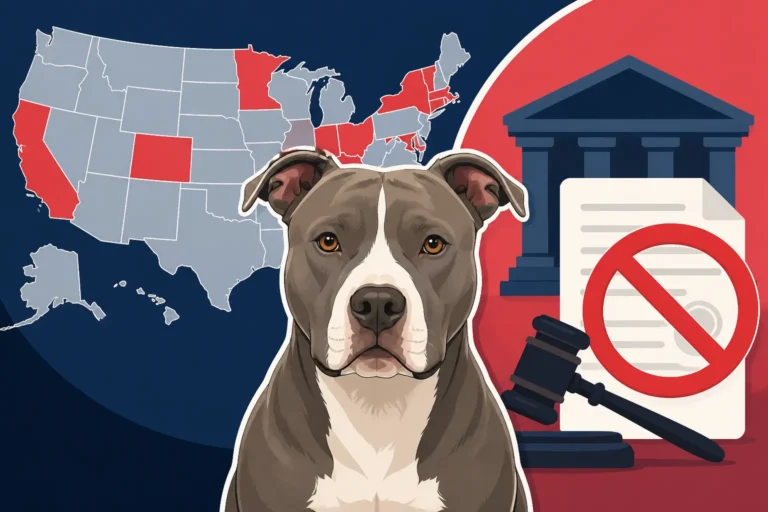
- Look for Properties Without Breed Restrictions: Some states and cities have passed legislation prohibiting landlords from enacting breed-specific restrictions. While these are not widespread, they are becoming more common. Research the local laws in your target area; Florida ending its Pit Bull bans in 2024 is a good example of how things can change.
- Consider Pet Deposits vs. Pet Fees: Properties that ask for a refundable pet deposit are often more desirable than those with a non-refundable fee. While the deposit might be higher upfront, you have the potential to get it back, whereas a fee is a sunk cost.
Exploring Pet Insurance and Liability Coverage
While not a magic bullet, having robust pet insurance can offer a landlord peace of mind, potentially making them more amenable to renting to you.
- General Pet Insurance: Companies like Healthy Paws offer comprehensive pet insurance that covers accidents, illnesses, and emergency care. While this primarily benefits you, the owner, by helping with unexpected vet bills, it indirectly shows a landlord that you are a responsible owner who is prepared for any health issues that might arise with your dog. This might not directly cover third-party liability but demonstrates commitment to your pet’s well-being.
- Canine Liability Insurance: This is separate from typical pet health insurance. Canine liability insurance specifically covers damages or injuries your dog might cause to a third party or property. If a landlord is concerned about their insurance coverage, presenting proof of your own comprehensive canine liability policy could alleviate some of their fears. Be prepared to show your insurer a Pit Bull's training record as part of the application process. It tells them you're a responsible owner.
- Umbrella Insurance Policy: If you already have homeowners or renters insurance, consider adding an umbrella policy. These policies offer additional liability coverage beyond the limits of your primary insurance. This extra layer of protection can be reassuring to a landlord, especially if their own property insurance has breed limitations. Always discuss your dog with your insurance provider to ensure your Pit Bull is covered under such a policy.
Budgeting for Ongoing Pit Bull Pet Rent and Other Costs
Beyond the monthly pet rent, owning a Pit Bull involves a multitude of costs, many of which can be higher due to their size, energy, and, unfortunately, societal perceptions. Budgeting effectively is crucial for a stress-free ownership experience.
Understanding the Full Financial Picture of Pit Bull Ownership
Pet rent is just one line item. When you consider bringing a Pit Bull into a rental property, you need to factor in all the potential expenses.
- Initial Fees: As discussed, you might face a one-time non-refundable pet fee, and a refundable pet deposit. These can add up quickly before you even move in.
- Monthly Pet Rent: This is your ongoing cost, which can range widely. It’s important to know exactly what you’ll be paying each month and if there are any conditions that might change it.
- Increased Insurance Premiums: Even if your landlord allows your Pit Bull, their own insurance might come with a higher premium, or they might try to pass some of that cost onto you. Separately, if you opt for your own canine liability policy or an umbrella policy, that's another monthly or annual expense.
- Everyday Essentials: Pit Bulls are robust dogs, and their needs can be specific. You’ll need durable equipment like harnesses built for a pulling Pit Bull, chew toys that can withstand their powerful jaws, and a sturdy crate a Pit Bull cannot break out of. Even things like high-quality food, perhaps a limited ingredient diet for a Pit Bull with atopy, can be a significant monthly cost. Companies like Chewy can help you manage these ongoing supply costs with convenient delivery.
- Training: Pit Bulls benefit immensely from ongoing training. Budget for puppy classes, advanced obedience, or even specialized training if needed. These investments pay off in a well-behaved dog, which can make all the difference in a rental situation.
- Veterinary Care: Routine check-ups, vaccinations, and parasite prevention are essential. Don't forget potential emergency visits; what emergency bloat surgery costs a Pit Bull owner can be substantial. Pit Bull skin allergies can also be a recurring bill, requiring specific medications, medicated baths, or even specialized prescription diets, which can be expensive.
Integrating Pet Rent into Your Household Budget
When planning your monthly budget, don't just add the pet rent to your regular rent. Think of it as a separate, non-negotiable pet expense.
- Factor in the "Total Pet Cost": Add up pet rent, estimated food costs (especially if you opt for premium or fresh food services like Ollie which delivers fresh, human-grade food right to your door in pre-portioned amounts), flea/heartworm preventatives, occasional vet visits, and a buffer for emergencies. This gives you a more realistic picture of the financial commitment.
- Set Aside Funds for Deposits/Fees: If you know you'll need a pet deposit or a non-refundable pet fee, start saving for it as soon as you begin your apartment search. These upfront costs can sometimes be as much as a month's rent.
- Emergency Fund: Always have an emergency fund specifically for your pet. Unexpected illnesses, injuries, or even behavioral issues that require professional intervention can arise. Having these funds ready prevents financial stress during already difficult times.
- Re-evaluate Periodically: Your Pit Bull's needs, and consequently their costs, will change over time. A Pit Bull puppy will have different expenses than an adult dog, and an older Pit Bull will have different needs again. Regularly reassess your budget to ensure you’re adequately covering all their requirements. Understanding how Pit Bull costs shift from puppy to senior can help you plan long-term.
Navigating monthly pet rent and breed restrictions with a Pit Bull requires patience, a thick skin against unfair stereotypes, and meticulous preparation. By being proactive, thoroughly understanding lease agreements, and demonstrating your commitment to responsible ownership, you significantly increase your chances of finding a welcoming home for you and your cherished Pit Bull.
Disclaimer
This article is for general informational purposes only and does not constitute professional advice. Laws, prices and regulations vary by location and change over time. Consult a qualified professional for guidance on your specific situation.