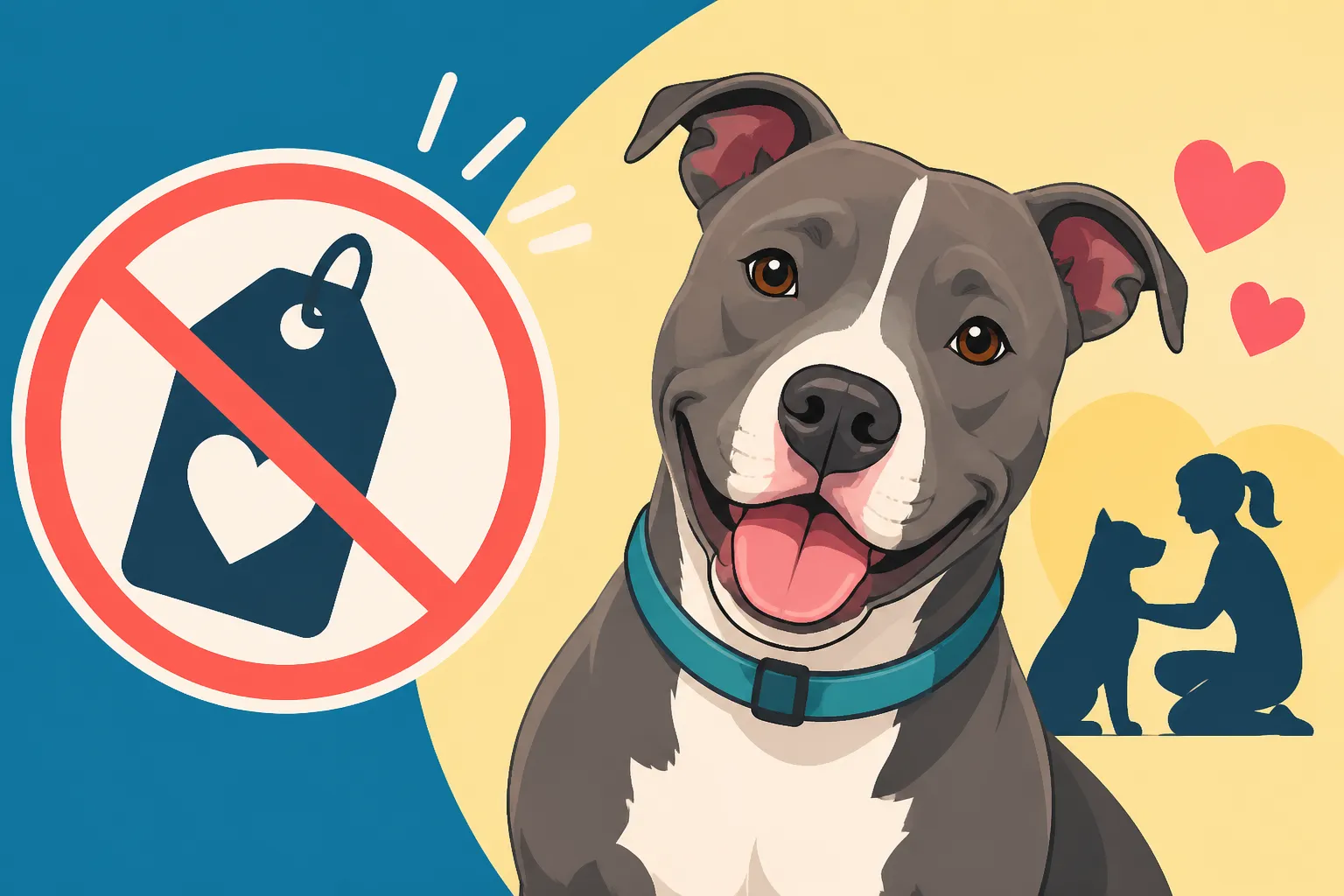
Why Pit Bull Adoption Fees Are Often Waived
It's completely understandable to wonder why adoption fees for Pit Bulls are often waived. Many people hear about it and immediately think, "Is there something wrong with the dog?" or "Are shelters just trying to get rid of them?" This guide is here to shed light on the real, often heartbreaking, reasons behind these programs, explaining how they benefit both the dogs and the overwhelmed shelters that care for them.
The Overwhelming Reality of Pit Bull Type Dogs in Shelters
The simple, sobering truth is that Pit Bull type dogs make up a disproportionately large percentage of the canine population in animal shelters across the United States. This isn't a judgment against the dogs themselves, but a stark reality born from a complex mix of breed perception, housing restrictions, and the sheer volume of these dogs needing homes. When you walk through a local shelter, you'll often see kennel after kennel filled with loving, eager-to-please dogs that fit the "Pit Bull" mold, waiting patiently for a family.
High Intake Numbers for Pit Bull Type Dogs
Shelters face an ongoing crisis of overpopulation, and Pit Bull type dogs are frequently at the forefront of this challenge. They are often surrendered due to landlord restrictions, financial hardship on the owner's part, or simply because they were backyard bred without responsible planning. This means shelters are constantly taking in new dogs, creating a bottleneck. Imagine a facility designed to hold 100 dogs suddenly having 150 or more. The stress on the animals, the staff, and the resources becomes immense. These aren't just numbers; each dog is an individual with a story, often overlooked because of unfair stereotypes. For a deeper understanding of the situation, consider exploring the article on Pit Bulls in American Shelters.
The sheer volume impacts everything from daily care routines to medical attention. Staff are stretched thin, and dogs spend more time in kennels, which can lead to stress-related behaviors that make them even harder to adopt. It’s a vicious cycle that shelters are desperately trying to break, and one of their most direct ways to do that is by addressing the financial aspect of adoption.
Why the Pit Bull Label Changes a Shelter Outcome
Unfortunately, the term "Pit Bull" itself often comes with a heavy burden of public perception and legislative challenges that significantly impact a dog's chances of adoption. Many people hold preconceived notions, influenced by media portrayals or outdated stereotypes, making them hesitant to consider a Pit Bull type dog. This isn't fair to the individual dog, but it's a reality shelters grapple with daily.
Beyond perception, many areas still have breed-specific legislation (BSL) or housing restrictions that explicitly ban or limit Pit Bull ownership. This means even if a family falls in love with a Pit Bull at the shelter, they might not be able to take it home due to their rental agreement or local laws. These barriers dramatically reduce the pool of eligible adopters. Consequently, Pit Bulls often stay in shelters longer than other breeds, a frustrating reality that’s explored further in Why Shelter Pit Bulls Wait Longer. This extended stay means more resources are consumed, and the dog experiences prolonged kennel stress, making adoption an even more urgent priority.
The Strain on Shelter Resources
Caring for hundreds of animals, especially those with longer stays, is incredibly expensive. Every day a dog spends in the shelter costs money – for food, cleaning supplies, bedding, enrichment toys, and most critically, medical care. Many Pit Bulls arrive with pre-existing conditions, from skin issues to dental problems, all of which require veterinary attention. Imagine the ongoing costs of treating conditions like Pit Bull Skin Allergies and the Atopy Pattern or providing daily medication for various ailments.
When kennel capacity is exceeded, shelters might have to turn away new intakes, which can have devastating consequences for stray or surrendered animals in the community. Waiving adoption fees for Pit Bulls isn't about devaluing the dogs; it's a strategic move to accelerate adoptions, create space, and alleviate the immense financial pressure on these non-profit organizations. It allows them to reallocate funds to other critical areas, such as providing better enrichment for their residents or supporting community outreach programs.
Strategic Fee Waivers as Adoption Tools
Waiving adoption fees for Pit Bulls is not a sign that the dogs are undesirable or problematic. On the contrary, it's a highly strategic and proven method employed by animal welfare organizations to overcome specific barriers to adoption, ultimately saving lives and freeing up crucial kennel space. It's a calculated decision born out of necessity and a deep understanding of adoption dynamics.
Removing Financial Barriers to Adoption
Let's be real: money is a significant factor for many families considering a pet. While the adoption fee itself might seem small in the grand scheme of a dog's lifetime expenses, it can be an immediate deterrent for potential adopters, especially in economically challenging times. A typical adoption fee might range from $100 to $500, depending on the age, breed, and location. For a family on a tight budget, that upfront cost, combined with the initial outlay for supplies like a crate, food bowls, a leash, and initial vet visits, can be the deciding factor against adoption.
By eliminating this initial financial hurdle, shelters make adoption accessible to a wider range of loving homes. It removes a potential "gatekeeper" to responsible pet ownership, allowing people who might be excellent, dedicated owners but are short on immediate cash to provide a home. It's about opening doors, not lowering standards. Many shelters will still have a thorough vetting process, which we'll discuss later, ensuring the dog goes to a suitable environment regardless of the fee.
Faster Placement and Reduced Length of Stay
The longer a dog stays in a shelter, the more stressed it becomes. Kennel life, with its constant noise, limited space, and lack of consistent human interaction, is not ideal for any dog, especially a social and robust breed like a Pit Bull. Extended stays can lead to behavioral issues, such as anxiety, withdrawal, or reactivity, making them even less appealing to potential adopters. This creates a heartbreaking cycle where the longest-staying dogs become the hardest to place.
Fee-waived promotions are incredibly effective at accelerating adoptions. When a shelter announces a "fee-waived" event for Pit Bulls, there's often an immediate surge of interest. This rapid turnover is vital for the dogs' mental and physical well-being. A dog adopted quickly spends less time in a stressful environment and can begin integrating into a home much sooner. This also benefits the shelter by freeing up valuable kennel space, allowing them to rescue more animals from municipal shelters or take in owner surrenders. This also lessens the chances of a dog developing issues like Pit Bull Joint and Ligament Injuries from prolonged kennel confinement.
Targeting Specific Dogs for Adoption
It's not just a blanket policy; fee waivers are often strategically applied to certain dogs who need a little extra help finding their forever families. This can include dogs who have been at the shelter for an extended period, those who are older seniors looking for a quiet retirement home, or dogs with specific needs or ongoing medical conditions. For instance, an older Pit Bull with Arthritis in a Pit Bull at Seven might have its adoption fee waived, acknowledging that a new owner will likely incur higher veterinary costs down the line.
Here’s a common breakdown of how different factors might influence adoption fees:
| Factor | Standard Fee Rationale | Waived Fee Rationale |
|---|---|---|
| Age | Puppies and young adults are highly sought after. | Senior dogs (7+ years) often overlooked; ongoing care costs. |
| Breed | High-demand breeds, less common in shelters. | Pit Bull types (due to overpopulation, stigma, BSL). |
| Length of Stay | Newly arrived, quickly adopted dogs. | Long-term residents (several weeks/months). |
| Medical Needs | Healthy animals with minimal vet expenses to date. | Dogs with chronic conditions, known ailments, or special diets. |
| Behavioral Needs | Well-adjusted, easily adoptable personalities. | Shy, anxious, or those needing specific training support. |
| Seasonal | Peak adoption periods (e.g., spring/summer). | Slow adoption periods or during intake surges. |
This targeted approach ensures that the dogs most at risk of remaining in the shelter indefinitely get the extra push they need. Shelters often highlight these specific dogs in their promotions, telling their unique stories to connect them with potential adopters.
Addressing Misconceptions About Waived Fees
There's a natural concern among some people that waiving adoption fees might lead to less committed or even undesirable adopters. This is a valid thought, but it’s important to understand the robust processes shelters have in place and the broader financial realities of pet ownership. The goal isn't to give dogs away indiscriminately, but to remove a single barrier while maintaining high standards for placement.
Concerns About Undesirable Adopters
A common fear is that if a dog is "free," people won't value it as much, or that individuals with ill intentions might seek them out. This is a serious concern that reputable shelters take very seriously. However, studies and real-world experience consistently show that this fear is largely unfounded. Professional animal welfare organizations don't just hand dogs over. Their adoption processes are designed to assess suitability, regardless of the fee amount.
When you go to adopt, whether the fee is $0 or $400, you'll still typically go through a thorough application process. This often includes:
- Detailed questionnaires: Asking about your living situation, pet experience, lifestyle, and how you plan to care for the dog.
- Reference checks: Contacting veterinarians or personal references.
- Home visits (sometimes): Especially for specific breeds or dogs with special needs.
- Counseling sessions: To discuss the dog's known temperament, needs, and any potential challenges.
- Landlord verification: Ensuring you're allowed to have a dog, particularly for Pit Bull type dogs where breed restrictions are common.
For example, whether the fee is waived or not, a shelter will still ensure you have a secure yard for a physically powerful dog, or understand the implications of Cruciate Ligament Tears in a Muscular Pit Bull if you’re adopting an older dog prone to such issues. Organizations like the ASPCA and Humane Society of the United States have consistently endorsed fee-waived programs when coupled with robust screening, citing positive outcomes. The actual adoption fee is rarely a true indicator of an adopter's commitment or capacity to provide a loving home. The cost of a dog isn't limited to the moment it leaves the shelter; it's a long-term investment of time, love, and money.
The True Cost of Pet Ownership Beyond the Fee
Let's put this into perspective: an adoption fee, even a few hundred dollars, is a tiny fraction of what a pet owner will spend over a dog's lifetime. The true cost of owning a Pit Bull extends far beyond that initial payment, encompassing everything from food and routine vet care to unexpected emergencies.
Consider the monthly expenses: premium dog food, especially for a muscular fifty-pound Pit Bull that needs to maintain a lean physique. Brands like Ollie offer fresh food options, while others found on Chewy provide high-quality kibble. Then there are recurring costs like heartworm and flea prevention, regular vet check-ups, and grooming supplies. If your Pit Bull develops allergies, you might face significant bills for medications like Apoquel or Cytopoint, specialized diets, or even allergy shots, which can cost thousands over the years. This is why many experienced owners consider pet insurance from providers like Healthy Paws to help manage these unpredictable expenses. The article on What a Pit Bull Costs a Year With Allergies dives deep into these ongoing financial commitments.
Here’s a quick look at how the initial adoption fee pales in comparison to annual costs:
| Category | Estimated Annual Cost (for a Pit Bull) |
|---|---|
| Food (High Quality) | $600 – $1,200 |
| Routine Vet Care | $200 – $500 |
| Flea/Heartworm Prevention | $150 – $300 |
| Pet Insurance (Optional) | $300 – $700+ |
| Training/Classes | $100 – $500 (initial year higher) |
| Toys/Chews/Supplies | $100 – $300 |
| Miscellaneous (Emergencies) | $500 – $1,000+ (variable) |
| Total Annual Estimate | $1,950 – $4,500+ |
When you look at these numbers, a waived adoption fee is merely a small boost to help a loving home open its doors. It doesn't negate the significant, long-term financial commitment required to properly care for a Pit Bull. Therefore, adopters who understand and are prepared for these ongoing costs are exactly the kind of responsible owners shelters are looking for, regardless of whether they paid an initial fee.
The Success of Fee-Waived Programs
The concept of fee-waived adoptions might seem counterintuitive to some, but it has been widely studied and implemented by respected animal welfare organizations for decades, proving its effectiveness. Research consistently shows that these programs significantly increase adoption rates without compromising the quality of the homes. In fact, one study by the ASPCA found that there was no significant difference in the bond between adopters and their pets, or in relinquishment rates, whether an adoption fee was paid or waived.
The primary benefit is, of course, saving lives. More adoptions mean fewer animals euthanized due to lack of space or resources. It also means less stress for the animals who get to move into loving homes sooner. These programs also help challenge the stigma surrounding Pit Bulls. When an organization can successfully place many Pit Bulls into good homes, it helps to gradually shift public perception and highlight the positive qualities of these dogs. It helps dismantle the narrative that contributes to The Cost of a Pit Bull Reputation in terms of their adoptability.
Ultimately, fee-waived adoptions are a pragmatic, compassionate, and evidence-based approach to address the unique challenges faced by Pit Bull type dogs in shelters. They are a tool to save lives, manage resources, and connect deserving dogs with the families they need, all while maintaining rigorous standards for responsible pet ownership.
Disclaimer
Please remember that this article provides general information and insights into the reasons behind waived Pit Bull adoption fees. Policies and practices can vary significantly between individual shelters and regions. Always consult directly with the adoption agency for specific requirements and information regarding any dog you are interested in adopting.