What Chronic Pit Bull Ear Care Runs a Year
It’s a scenario far too many Pit Bull owners know all too well: you wake up to the sound of your beloved companion shaking their head incessantly, scratching at their ear with a desperate paw, or rubbing their face along the carpet. That tell-tale sour smell confirms your suspicion – another ear infection. What starts as an occasional nuisance can quickly become a chronic, frustrating, and surprisingly expensive cycle. This guide is here to shed light on the true annual costs of managing ongoing ear issues in your Pit Bull, helping you budget for the reality of their care.
Understanding the Root Causes of Chronic Ear Infections
When your Pit Bull's ears constantly flare up, it’s rarely just bad luck. There's almost always an underlying reason, and understanding that reason is the first step toward effective management – and budgeting. It's not just about treating the symptoms; it's about addressing what keeps bringing those symptoms back.
The Role of Allergies in Ear Health
For many Pit Bulls, those persistent ear infections are a direct manifestation of allergies. Just like humans can get hay fever or skin rashes from allergens, dogs often react with skin irritation and, prominently, ear inflammation. It’s a common, heartbreaking reality for the breed. These allergies can be environmental, meaning things like pollen, dust mites, or molds, or they can be food-related.
When a Pit Bull has environmental allergies, also known as atopy, their immune system overreacts to common substances in their surroundings. This often leads to itchy skin, and the ears, with their warm, moist environment, become prime targets for secondary yeast and bacterial infections that thrive on inflamed skin. You might notice other signs like constant paw licking or chewing, or a general itchiness all over their body. If you suspect environmental allergies, exploring resources like Pit Bull Skin Allergies and the Atopy Pattern can offer more insight into this common condition. Similarly, food allergies, while less common than environmental ones, can also trigger chronic ear infections. Identifying and eliminating the offending protein source can be a game-changer, though it often requires a strict elimination diet. For more on this, you might find Food Allergies Behind Pit Bull Itching helpful. These allergic reactions aren't just uncomfortable; they create an environment ripe for infection, setting the stage for recurring vet visits and medication costs.
Anatomical Predispositions and Lifestyle Factors
Beyond allergies, the very structure of a Pit Bull's ear can make them more prone to problems. Dogs, including Pit Bulls, have L-shaped ear canals, which are much longer and more convoluted than human ear canals. This shape can easily trap moisture, debris, and wax, creating a perfect breeding ground for bacteria and yeast, even without an underlying allergic component.
Furthermore, certain lifestyle factors can exacerbate these predispositions. If your Pit Bull loves to swim, the excess moisture in their ears can be a constant battle. Living in a humid climate can also contribute to a persistently damp ear environment. Even something as simple as dirt or grass seeds getting into the ear canal during playtime can kickstart an infection if not promptly addressed. Understanding these factors helps you appreciate why a Pit Bull's ear care isn't just a "sometimes" thing, but often a consistent, proactive routine. For a deeper dive into what commonly drives these frustrating infections, read Pit Bull Ear Infections and What Drives Them. These combined anatomical and environmental factors mean that even with diligent care, chronic ear problems can be a persistent challenge for Pit Bull owners.
Breaking Down the Annual Veterinary Costs
Once you’re dealing with chronic ear infections, the costs start adding up quickly. It's not just a single vet bill; it's a recurring expense that can feel like a bottomless pit without proper management.
Initial Diagnosis and Treatment Expenses
When your Pit Bull first presents with an ear infection, your primary veterinarian will perform an examination, which includes a thorough look into the ear canal with an otoscope. This initial exam fee can range from $50 to $100 or more, depending on your location and clinic. The crucial next step is an ear cytology. This involves taking a swab of the ear discharge and examining it under a microscope to identify whether the infection is bacterial, yeast, or a mix of both. This diagnostic step is vital for choosing the correct medication and typically costs between $30 and $70 per ear.
Often, the vet will also perform a professional ear cleaning in the clinic, especially if there's a lot of debris or discharge, which can be another $40-$80. Once the culprits (bacteria, yeast, or both) are identified, your vet will prescribe medication. This usually includes ear drops (antibiotics, antifungals, or a combination) that you administer at home, which can cost anywhere from $30 to $100 per bottle. Sometimes, an oral antibiotic or anti-inflammatory (like a steroid) is also needed, adding another $20-$70 to the bill. A typical initial infection, then, might set you back between $150 and $350. However, with chronic issues, follow-up visits are essential to ensure the infection has cleared and often involve repeat cytologies to confirm success, adding to the ongoing financial outlay.
Ongoing Management for Recurring Issues
This is where the real financial strain of chronic ear problems becomes apparent. If your Pit Bull experiences ear infections every few months, these initial costs multiply. You might find yourself at the vet three or four times a year just for ear issues. Each visit will typically incur an exam fee, and often a cytology, leading to a recurring bill for diagnosis. Medications might change if a previous one wasn't effective or if resistance develops, leading to trials of different, sometimes more expensive, prescription ear drops.
Beyond treating acute infections, there’s the cost of maintenance. Your vet might recommend specific prescription ear cleansers designed to acidify the ear canal or have antiseptic properties, such as those containing chlorhexidine or ketoconazole. These can cost $20-$40 per bottle and might need to be used weekly or bi-weekly indefinitely to prevent flare-ups. You might also be prescribed maintenance drops containing a low dose of anti-inflammatory or antifungal agents for long-term use. This cyclical nature of chronic ear care means that instead of a one-time expense, you're looking at a continuous stream of bills. For advice on specific cleaning solutions tailored to an allergic Pit Bull, see Which Ear Solutions Suit an Allergic Pit Bull. It’s easy to see how these ongoing expenses can quickly accumulate to several hundred dollars, or even over a thousand, annually.
Specialist Consultations and Advanced Diagnostics
When chronic ear infections don't respond to standard veterinary care, it’s a clear sign that you might need to bring in the big guns. This means specialist intervention, and with specialists come increased costs, but often, the path to resolution.
Seeing a Veterinary Dermatologist
If your general practice veterinarian has exhausted their options, or if the ear infections are particularly severe, resistant, or accompanied by widespread skin issues, they will likely recommend a referral to a veterinary dermatologist. These specialists have advanced training in skin and ear conditions, and they can often uncover underlying issues that a general vet might not have the tools or specialized knowledge to diagnose.
A first consultation with a veterinary dermatologist can range from $200 to $400, not including any diagnostics performed during that visit. The dermatologist will take a detailed history, perform a thorough examination, and often conduct more in-depth diagnostics than your regular vet. This might include biopsies of the ear canal lining, specialized cultures to identify specific bacterial strains and their antibiotic sensitivities, or comprehensive allergy testing. Allergy testing, which can involve intradermal skin testing (a procedure similar to human allergy tests where small amounts of allergens are injected into the skin) or blood tests, can cost anywhere from $400 to $1,000 or more. While expensive, identifying the specific allergens can lead to immunotherapy (allergy shots or drops), which, over time, can significantly reduce the frequency and severity of ear infections. For more information on allergy testing methods, check out Pit Bull Skin Allergy Testing. These advanced steps are often necessary to break the cycle of chronic infections but represent a significant financial commitment.
Surgical Interventions for Severe Chronic Cases
In the most severe and intractable cases of chronic ear disease, especially when the ear canal is permanently damaged, narrowed, or filled with polyps or tumors, surgical intervention might be the only viable option to provide relief and improve your Pit Bull's quality of life. The most common procedure for such cases is a Total Ear Canal Ablation (TECA) with Bulla Osteotomy. This is a complex surgery where the entire ear canal is removed, and often, part of the middle ear (bulla) is also opened to remove diseased tissue.
A TECA is performed by a board-certified veterinary surgeon and is a major procedure. The cost for a TECA can range dramatically based on location, the complexity of the case, and the surgeon's fees, but typically falls between $3,000 and $6,000 per ear. This price usually includes the surgeon's fee, anesthesia, hospital stay, post-operative medications, and follow-up visits. It's a significant financial outlay and often a decision made after years of struggling with medical management. While it permanently resolves the ear canal issues, it does lead to hearing loss in that ear. The recovery period requires diligent post-operative care, including pain management and wound checks, adding further (though usually smaller) costs. This procedure truly represents the last resort for chronic ear disease that has failed all other treatments.
Prevention and Maintenance Expenses
While treating active infections is crucial, preventing them or reducing their frequency is key to both your Pit Bull's comfort and your wallet. Investing in proactive care can actually save you money in the long run by reducing the need for costly vet visits and prescriptions.
Regular Cleaning and At-Home Care Supplies
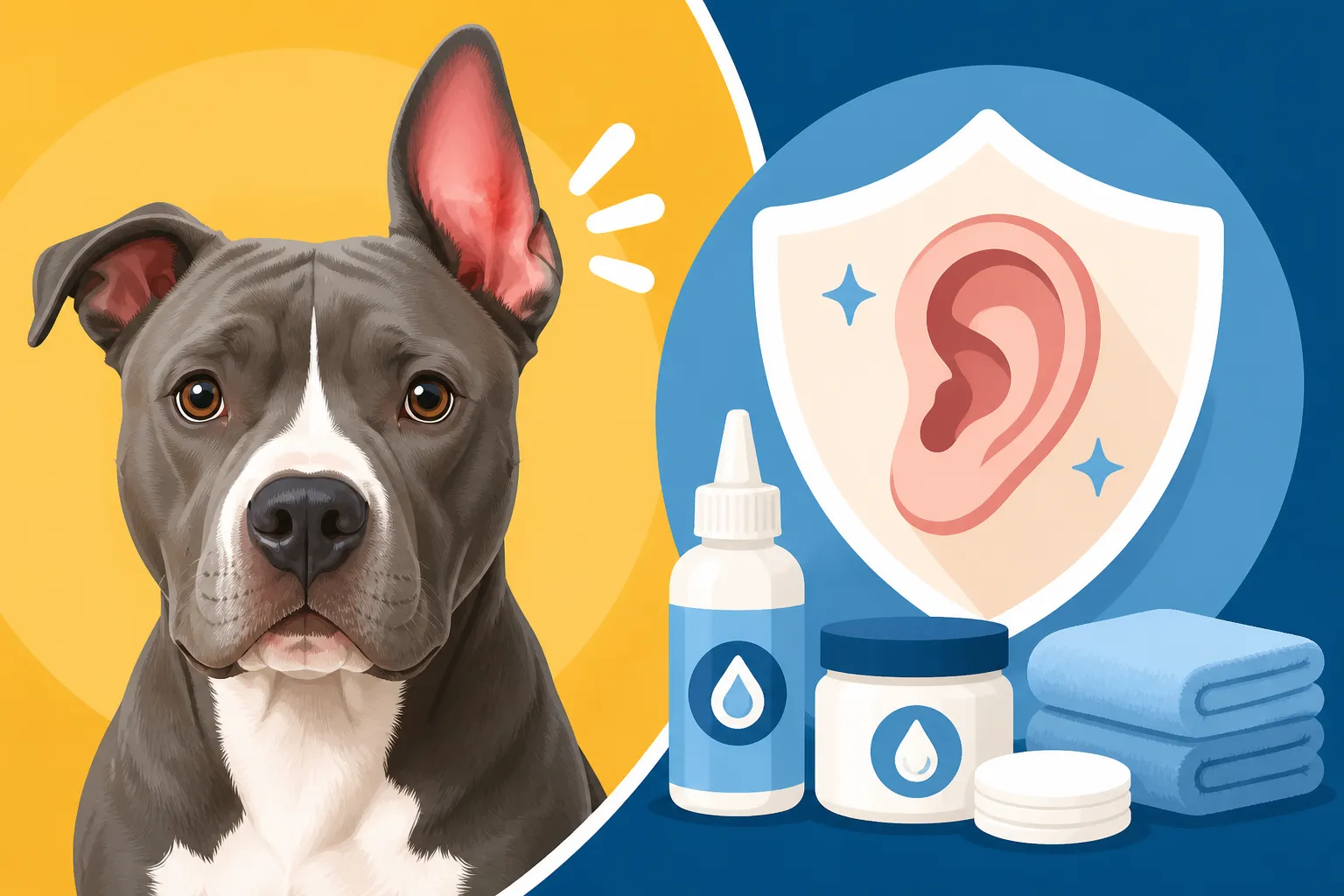
A cornerstone of managing chronic ear issues, especially if allergies are involved, is regular at-home ear cleaning. This isn't just about waiting for an infection to hit; it's about creating an inhospitable environment for bacteria and yeast to thrive. Your vet might recommend cleaning your Pit Bull's ears anywhere from weekly to bi-weekly, depending on their individual needs and activity level.
Over-the-counter ear cleaners, particularly those with drying agents or mild antiseptic properties, are widely available. Brands like Zymox, Epi-Otic, or Virbac offer good options. A bottle of quality ear cleaner typically costs $15-$30 and can last a month or two, depending on frequency of use. Annually, you might spend $90-$180 on ear cleaner alone. You'll also need supplies like cotton balls or soft gauze pads (avoid cotton swabs, which can push debris deeper into the ear canal). These are relatively inexpensive, maybe $20-$40 a year. Consistent and proper cleaning can make a huge difference, helping to flush out allergens, debris, and excess wax before they cause problems. If you're unsure how to clean your Pit Bull's ears effectively and safely, guidance on Cleaning a Pit Bull Ear Properly is invaluable. Establishing a routine helps manage moisture and debris, reducing the likelihood of infection.
Dietary and Supplement Support
Diet plays a surprisingly significant role in overall skin and ear health, especially for Pit Bulls prone to allergies. While not a direct "ear care" cost, investing in a high-quality diet can indirectly reduce the frequency and severity of ear infections by supporting a healthier immune system and reducing inflammatory responses. Many owners opt for limited ingredient diets to rule out potential food allergens, or even fresh food diets like those offered by Ollie, which use human-grade ingredients and can be tailored to specific dietary needs. These types of specialized foods often come with a higher price tag than conventional kibble, potentially adding $30-$100+ per month to your food bill, or $360-$1200+ annually.
Beyond food, certain supplements can bolster your Pit Bull's skin barrier and immune system, making them less susceptible to inflammation and secondary infections. Omega-3 fatty acids, typically derived from fish oil, are widely recommended for their anti-inflammatory properties and ability to improve skin and coat health. A good quality omega-3 supplement can cost $15-$40 per month, totaling $180-$480 annually. Probiotics are another popular option, as a healthy gut microbiome can influence immune function. You can find many of these supplements on platforms like Chewy. For more on how specific dietary choices can help with skin issues, refer to Limited Ingredient Food for a Pit Bull With Atopy or Omega Oils for Pit Bull Skin and Coat. While these aren't direct ear infection treatments, they are vital components of a holistic strategy to reduce chronic flare-ups, ultimately saving you money on emergency vet visits and prescription medications.
The Role of Pet Insurance in Managing Costs
For owners facing chronic conditions like recurring ear infections, pet insurance can be a financial lifeline. It's often debated whether it's "worth it," but when faced with unpredictable and expensive recurring bills, it can certainly ease the burden.
What Pet Insurance Typically Covers
Most comprehensive pet insurance plans are designed to cover unexpected accidents and illnesses, which includes the diagnostics, medications, and even specialist visits associated with chronic ear infections. This means your initial vet exams, ear cytologies, prescription ear drops, oral antibiotics, and even consultations with a veterinary dermatologist or the cost of allergy testing would typically be covered, provided the condition isn't pre-existing. It's crucial to understand that "pre-existing conditions" are usually excluded. If your Pit Bull had ear infections before you enrolled in insurance, or during the waiting period, those specific issues might not be covered. This highlights the importance of getting insurance when your pet is young and healthy.
Companies like Healthy Paws are well-known for their comprehensive coverage and straightforward reimbursement process. They typically cover new accidents and illnesses, including chronic conditions once they arise. However, remember to read the policy carefully regarding specific conditions, annual limits, and whether "wellness" or preventative care (like routine ear cleaning supplies) are covered, as many standard plans do not include this. Having insurance means you can focus on getting your Pit Bull the best care without constantly worrying about the bill, which can be a huge relief when dealing with ongoing health challenges. To learn more about breed-specific exclusions and what to look for, read Pit Bull Pet Insurance and Breed Exclusions.
Comparing Deductibles and Reimbursement Rates
The actual amount pet insurance saves you depends heavily on your chosen deductible and reimbursement rate. A deductible is the amount you pay out-of-pocket before your insurance starts covering costs. Common deductibles range from $100 to $1,000 annually. The reimbursement rate is the percentage of eligible vet bills that the insurance company pays back to you after the deductible is met. Common rates are 70%, 80%, or 90%.
Let's illustrate with a hypothetical scenario of $1,500 in eligible annual chronic ear care costs:
| Scenario | Annual Vet Bills | Deductible | Reimbursement Rate | Out-of-Pocket (Deductible + Remaining %) | Insurance Payout |
|---|---|---|---|---|---|
| No Insurance | $1,500 | N/A | N/A | $1,500 | $0 |
| Insurance Option A | $1,500 | $250 | 80% | $250 (deductible) + ($1,250 * 0.20) = $500 | $1,000 |
| Insurance Option B | $1,500 | $500 | 90% | $500 (deductible) + ($1,000 * 0.10) = $600 | $900 |
(Note: Monthly premiums for insurance are not included in this table but would be an additional ongoing cost. Premiums can range from $30-$80+ per month for a Pit Bull, depending on age, location, and coverage selected).
As you can see, even with a deductible, insurance can significantly reduce your out-of-pocket expenses for chronic conditions. Choosing a higher deductible usually means a lower monthly premium, but you'll pay more upfront if your dog needs care. Conversely, a lower deductible and higher reimbursement rate mean higher premiums but less out-of-pocket during actual treatments. It's a balance you need to strike based on your budget and risk tolerance. Ultimately, for a Pit Bull prone to chronic issues like ear infections, pet insurance can transform an overwhelming financial burden into a manageable one.
Disclaimer
The information provided in this article is for general informational purposes only and is not a substitute for professional veterinary advice. Always consult with a qualified veterinarian regarding your Pit Bull's specific health concerns, diagnosis, and treatment options. Costs mentioned are estimates and can vary widely based on location, veterinary clinic, and individual circumstances.