Leaving a New Pit Bull Alone for the First Time
Bringing a new Pit Bull into your home is an incredibly exciting time, full of snuggles and new routines. However, the first time you need to leave your new companion alone can stir up a lot of anxiety, both for you and for your dog, especially if they're coming from a shelter or a previous home with an unknown history. This comprehensive guide will walk you through how to prepare your Pit Bull for solo time, minimize distress, and build their confidence to be comfortable and calm when you can't be by their side.
Understanding Why Alone Time is a Challenge for New Pit Bulls
It’s completely normal for a newly adopted Pit Bull, whether a puppy or an adult, to struggle with being left alone. These dogs thrive on companionship and can form very strong bonds with their human families. When you suddenly disappear, it can trigger a range of emotions, from confusion to genuine panic.
The Emotional Landscape of a Newly Adopted Dog
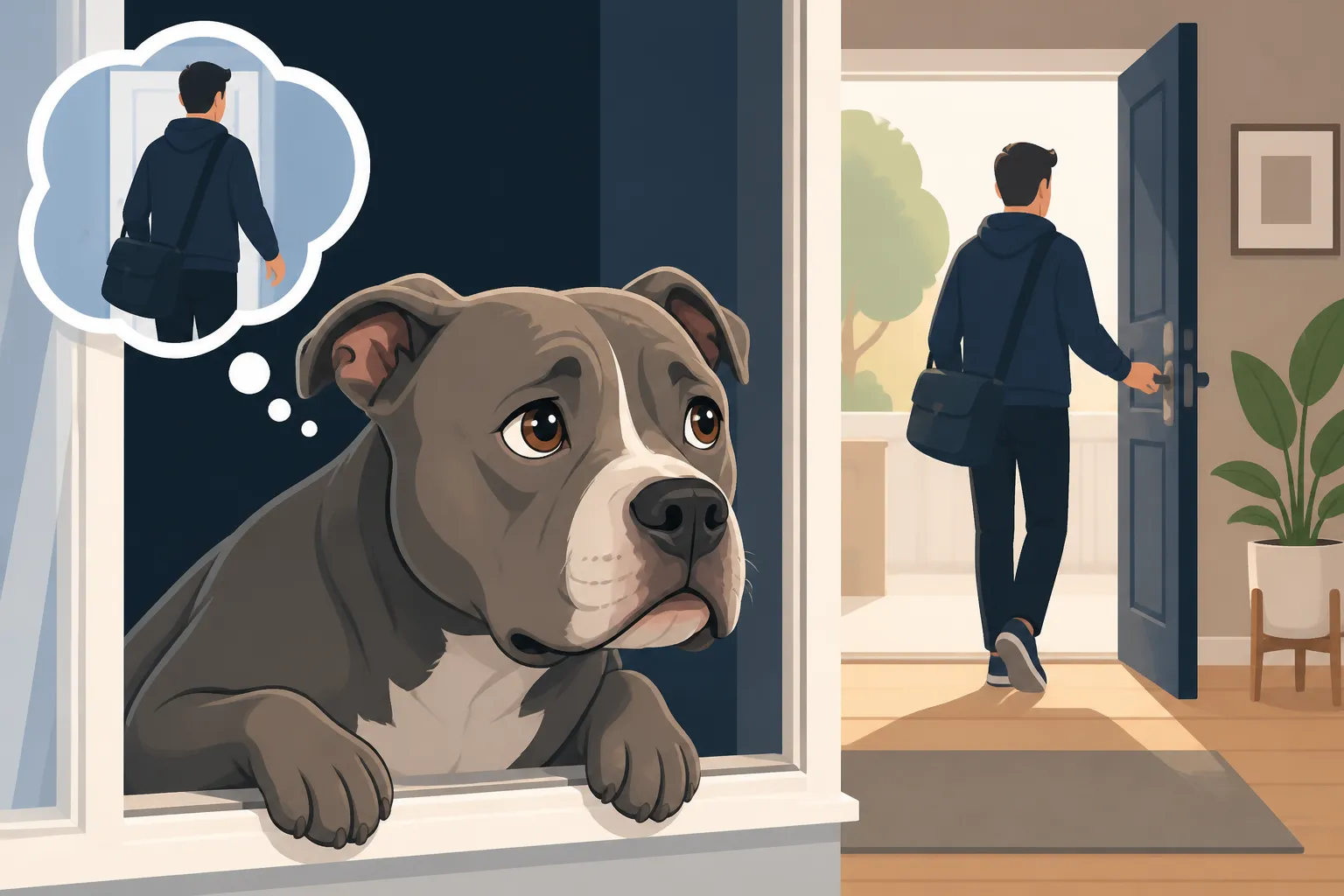
Imagine being uprooted from everything familiar and placed in a new environment. Even if it's a loving home, it's still new, unfamiliar, and potentially a little overwhelming. Many rescue Pit Bulls have experienced significant upheaval in their lives, moving from a previous home, to a shelter, and then to yours. This history can make them extra sensitive to abandonment. They might have learned that when people leave, they don't always come back, or that alone time signals stress. A new Pit Bull often spends the first few days or weeks in a "honeymoon period," trying to figure out the new rules and attachments. When you leave, it can shatter their fragile sense of security, making them worry about where you've gone and if you'll return.
Furthermore, a dog's past experiences in a shelter environment can heavily influence their ability to cope with solitude. In a bustling shelter, they might have been constantly surrounded by noise, other dogs, and staff, leading to a state of perpetual hyper-alertness. Suddenly being in a quiet house alone can be a stark and unsettling contrast. Some dogs might even develop kennel anxiety, which can translate into separation distress in a home setting. Understanding this emotional vulnerability is the first step towards building a solid foundation of trust and independence for your new companion.
Breed Predispositions and Training Gaps
Pit Bulls, as a type, are known for their affectionate nature and desire to be close to their people. They are often described as "velcro dogs" because they love to be physically near their owners. While this is a wonderful trait for companionship, it can sometimes contribute to difficulties when left alone. Their strong drive for connection means that being separated from their primary caregiver can feel deeply unnatural. This isn't a flaw in their character; it's just how they're wired. Without proper guidance and training from an early age, this natural desire for company can manifest as excessive barking, destructive chewing, or house soiling when left unsupervised.
It's not that Pit Bulls are inherently more prone to clinical separation anxiety than other breeds, but their physical strength and determination can make their expressions of distress more noticeable and potentially damaging. A smaller dog might scratch at a door, but a determined Pit Bull might chew through a door frame. This is why proactive and careful training is so critical. If a Pit Bull puppy isn't introduced to alone time positively and gradually, they can grow into an adult who genuinely struggles. Sometimes, even well-intentioned owners inadvertently reinforce clingy behavior, making it harder for the dog to develop self-reliance later on. This is where focusing on independence, even for short periods, becomes crucial.
Building Independence: A Step-by-Step Approach
The key to successfully leaving your new Pit Bull alone is to make it a gradual, positive process. You want them to associate your absence with calm, comfortable time, not panic.
Establishing a Safe and Secure Den
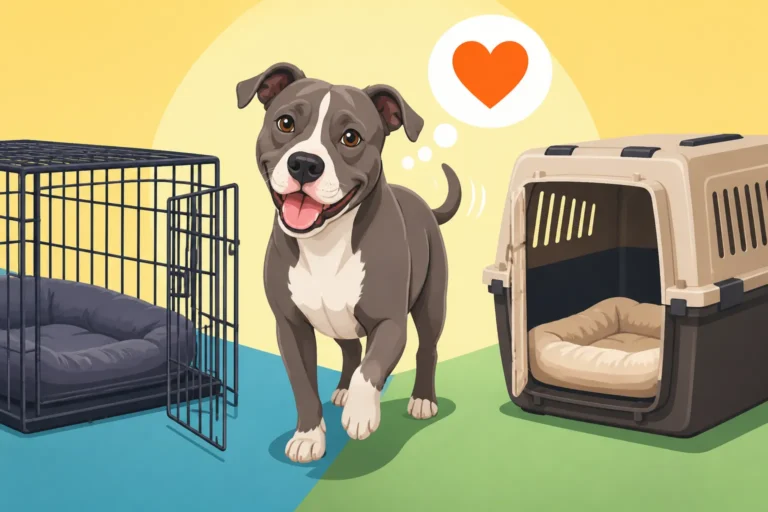
The very first step is to create a designated "den" for your Pit Bull – a safe, comfortable, and consistent space where they can retreat and feel secure, especially when you're not around. For many Pit Bulls, this means a properly sized, sturdy crate. A crate isn't a prison; it's their private bedroom, a place of sanctuary. It should be just large enough for them to stand up, turn around, and lie down comfortably. If it's too big, they might be tempted to use one end as a potty area.
Start by making the crate highly appealing. Feed them meals in it, toss in high-value treats, and place their favorite toys inside. Never use the crate as punishment. The goal is for them to choose to go in their crate, viewing it as a relaxing spot. You can cover the crate with a blanket to create a den-like feel, and even play soft music or a white noise machine nearby to muffle outside sounds. This positive association is vital before you even think about closing the door. If your Pit Bull is struggling to accept their crate, you might find some excellent guidance in Getting a Pit Bull to Choose Its Crate. For dogs that are truly uncomfortable with a crate, a designated room or a baby-gated section of a room can serve as their den, provided it's "dog-proofed" to prevent destructive behavior. Whichever you choose, ensure this space is consistently available and positively reinforced.
Graduated Departures
This is where the magic happens, but it requires patience. You cannot simply leave your new Pit Bull alone for eight hours on day one. You need to build up their tolerance for your absence in tiny, manageable steps.
- Phase 1: Short, Invisible Absences. Start by simply walking to another room for a few seconds and coming back before your dog even has a chance to react. Don't make a fuss when you leave or return. The goal is to normalize your comings and goings. Repeat this many times a day. As they remain calm, gradually increase the time you're out of sight – 30 seconds, then a minute, then two minutes.
- Phase 2: Stepping Outside. Once they're comfortable with you being in another room, try stepping just outside the front door for a few seconds. Again, return before they get anxious. As they succeed, slowly extend the time. Maybe you check the mail, then walk to the corner, always returning to a calm dog. If your dog starts to show signs of distress, you've gone too far, too fast. Dial it back to the last step where they were successful.
- Phase 3: Real-World Scenarios. Once your Pit Bull can handle 20-30 minutes of alone time calmly, you can start incorporating these short absences into your routine. Maybe you run a quick errand. Always provide a high-value chew toy or a puzzle feeder filled with something enticing (like frozen peanut butter or plain yogurt) just before you leave. This helps create a positive association with your departure. The online puppy training program BAXTER & Bella often provides structured lessons on this very topic, helping owners build confidence in both themselves and their dogs. Remember, consistency is key here. Every successful, calm absence reinforces the idea that you will return.
Pre-Departure Routine and Post-Return Calm
Dogs thrive on routine and predictability. Establishing a consistent pre-departure routine signals to your Pit Bull that you're about to leave, but also that everything will be okay. This routine should be calm and low-key, not a frantic rush.
About 15-20 minutes before you plan to leave, take your Pit Bull out for a thorough potty break and a bit of mental and physical exercise. A short walk, some playtime, or a quick training session can help burn off excess energy and stimulate their mind, making them more likely to settle. When you return inside, give them their special "departure" toy or treat (only given when you leave, making it extra special). Then, pick up your keys, grab your bag, and leave calmly. Avoid long, emotional goodbyes, as these can heighten your dog's anxiety. A simple, "Be good, I'll be back," is sufficient.
When you return, resist the urge to immediately greet your excited Pit Bull with effusive praise and attention. This can inadvertently teach them that your return is a huge, dramatic event, making your departures even harder. Instead, enter calmly, put down your things, and wait for them to settle for a minute or two. Once they're calm, then you can offer a quiet greeting and some gentle pets. This teaches them that your return is also a normal, calm part of the day, reducing the drama around the entire process. Remember, the goal is to make alone time a non-event, a peaceful part of their day, not a source of stress or excitement.
Recognizing and Addressing Signs of Distress
Even with the best preparation, some Pit Bulls might still show signs of distress when left alone. It's crucial to be able to identify these behaviors so you can intervene effectively.
Common Anxiety Indicators
When a Pit Bull is struggling with alone time, their distress can manifest in several ways. One of the most common is vocalization: excessive barking, howling, or whining that starts shortly after you leave and continues for extended periods. This isn't just "talking"; it's a clear plea for your return. Another tell-tale sign is destructive chewing, specifically directed at exits (doors, windows), personal items that smell like you, or items that aren't typically chewed. This can escalate to Pit Bull Chewing Through Furniture and Crates, causing significant damage.
House soiling (urination or defecation indoors) can also occur, even in a previously house-trained dog. This isn't out of spite; it's a physiological response to extreme stress and anxiety. Other indicators include pacing, obsessive grooming (like licking their paws raw, which can also be a sign of allergies, so differentiate carefully), drooling, or attempting to escape their confinement. A dog might also stop eating their treats or ignore their toys as soon as you leave, indicating they're too stressed to engage. If you're unsure what your Pit Bull is doing when you're gone, consider setting up a monitoring camera. You can find many affordable options on Amazon that connect to your phone, providing invaluable insights into your dog's behavior. Observing these patterns helps you understand the severity of their anxiety and tailor your approach.
| Behavior | Potential Meaning | How to Monitor |
|---|---|---|
| Excessive Vocalization | Seeking attention, expressing distress/loneliness | Audio monitor, camera with sound |
| Destructive Chewing | Anxiety relief, escape attempts, boredom | Visual inspection upon return, camera |
| House Soiling | Stress, anxiety (not spite) | Visual inspection upon return, camera |
| Pacing/Restlessness | Agitation, inability to settle | Camera |
| Excessive Drooling | Severe stress response | Camera, visual inspection |
| Escape Attempts | Overwhelming urge to reunite with owner | Damage to crate/door, camera |
| Ignoring Food/Toys | Too stressed to engage with positive distractions | Visual inspection upon return, camera |
When to Seek Professional Help
If your Pit Bull is exhibiting severe signs of distress, such as injuring themselves trying to escape, persistent vocalization that doesn't improve with training, or significant house soiling despite a proper routine, it's time to bring in professional help. This isn't a sign of failure on your part, but rather an acknowledgment that separation anxiety can be a complex behavioral issue that requires expert intervention.
Start by consulting your veterinarian. They can rule out any underlying medical conditions that might be contributing to the behavior (like urinary tract infections for house soiling, or chronic pain making it hard to settle). Your vet might also discuss anti-anxiety medications or supplements that, when used in conjunction with a behavior modification plan, can help your Pit Bull manage their stress levels. They can also refer you to a board-certified veterinary behaviorist or a certified professional dog trainer who specializes in separation anxiety. A qualified professional can assess your specific situation, pinpoint the triggers, and develop a tailored training plan that works for your dog. They might suggest counter-conditioning exercises, systematic desensitization, or other specialized techniques. Resources from reputable online training platforms like BAXTER & Bella can also offer supplementary support and community advice, but for severe cases, one-on-one professional guidance is often the most effective path. Remember, addressing these issues early can prevent them from becoming deeply ingrained and more challenging to resolve later on. Don't hesitate to seek help for A Pit Bull That Panics When the Door Shuts.
Essential Tools and Resources for Alone Time Success
Beyond training, certain tools and resources can make a significant difference in helping your Pit Bull cope with being alone.
Enrichment Toys and Chews
One of the best ways to help your Pit Bull enjoy their alone time is to provide engaging and long-lasting mental stimulation. Enrichment toys require your dog to "work" for their food or treats, keeping their minds occupied and reducing boredom, which can often be a precursor to destructive behavior. Look for durable puzzle feeders and chew toys designed for strong chewers. You can find an excellent selection of options on Amazon.
Consider items like:
- Stuffable rubber toys: These can be filled with peanut butter, yogurt, or wet food and then frozen, providing a long-lasting challenge.
- Treat-dispensing balls: These slowly release kibble as your dog rolls them around, turning mealtime into a game.
- Durable chew toys: High-quality nylon or rubber chews that can withstand a Pit Bull's powerful jaws are essential. Always ensure the toys are appropriate for their size and chewing strength to prevent choking hazards or tooth damage. Avoid anything that can be easily broken into small pieces. You can find more specific recommendations for Chew Toys That Hold Up to a Pit Bull. Providing a variety of these toys, and rotating them, keeps things fresh and interesting, making your Pit Bull look forward to their solo play session.
Monitoring Technology
Sometimes, the unknown is the most anxiety-inducing part of leaving your dog alone. Are they barking? Are they destroying things? Are they just sleeping soundly? Pet monitoring cameras have become incredibly accessible and are an invaluable tool for any owner working on alone time training. These cameras allow you to observe your Pit Bull's behavior in real-time from your phone, no matter where you are.
Many models offer features like two-way audio (so you can speak to your dog, though use this sparingly as it can sometimes heighten anxiety if overused), night vision, and motion alerts. Some even allow you to dispense treats remotely. By watching your dog, you can:
- Identify triggers: Does the barking start immediately, or after a specific period?
- Gauge the severity of anxiety: Are they mildly restless, or in full-blown panic?
- Determine successful duration: How long can they truly cope calmly before distress sets in? This helps you adjust your graduated departures.
- Reinforce positive behavior: You might even catch them napping peacefully, which is a huge confidence booster for you!
Knowing what your dog is doing when you're gone empowers you to refine your training approach and provides peace of mind. Without this insight, it's easy to worry unnecessarily or misinterpret behavior. Utilizing a camera helps you gather objective data, allowing you to tailor your Pit Bull's alone time strategy more effectively. For instance, if you see them successfully handling Hours a Pit Bull Copes With on Its Own, you know your training is working.
Disclaimer
This article is for general informational purposes only and does not constitute professional advice. Laws, prices and regulations vary by location and change over time. Consult a qualified professional for guidance on your specific situation.