Breaking Up a Fight Involving a Pit Bull
Witnessing a dog fight, especially one involving a powerful breed like a Pit Bull, is one of the most frightening and stressful experiences a dog owner can face. The sheer force and intensity can make it seem impossible to safely intervene without getting hurt yourself. This guide is here to walk you through safe, effective strategies for breaking up a Pit Bull fight, focusing on protecting both your dog and yourself, and then navigating the aftermath to prevent future incidents.
Understanding the Stakes: Why Pit Bull Fights are Different
It's a tough truth that dog fights can happen to anyone, regardless of how well-socialized or loved their dog is. But when a Pit Bull type dog is involved, the stakes often feel, and sometimes genuinely are, higher. It's not about character or inherent aggression, but about powerful physical capabilities.
The Power and Drive of a Pit Bull
Pit Bulls are renowned for their incredible strength, powerful jaws, and tenacity. These traits, while admirable in many contexts like sports or simply being a robust companion, mean that when a fight breaks out, it can be exceptionally intense and difficult to stop. Their muscular build and strong bite force can lead to significant injury more quickly than with many other breeds. A Pit Bull's natural drive to "finish what they start" can make them less likely to disengage on their own, even if the other dog shows submission or disinterest. This isn't a moral failing on their part; it's a testament to the genetics and purpose for which their ancestors were historically bred. Understanding this physical reality is crucial, not to condemn the breed, but to approach intervention with the necessary respect for their power.
Consider a scenario where your Pit Bull, usually a gentle giant, gets into an unexpected scuffle at the dog park. The initial growls might quickly escalate into a full-blown altercation, and suddenly you're faced with a whirlwind of snapping jaws and thrashing bodies. Trying to pull them apart by the collar might seem like the natural instinct, but it can actually redirect that intense energy and powerful bite onto your hand. Their deep chests and strong necks make them incredibly stable, and breaking their grip or separating them requires more than just brute force; it requires strategy and careful timing.
The Risk to Handlers and Bystanders
When dogs are engaged in a fight, their focus is intense, often to the exclusion of everything else, including human presence. This tunnel vision makes intervening incredibly dangerous. A dog might inadvertently bite a handler in the heat of the moment, not out of malice, but because they mistake a hand for the other dog, or they redirect their aggression when grabbed or startled. These are not "bad" dogs; they are simply animals operating on instinct during a high-stress event. Injuries to humans can range from minor nips to severe lacerations, broken bones, or even worse. The adrenaline pumping through both the dogs and the people involved can cloud judgment, leading to impulsive actions that exacerbate the danger.
Beyond the immediate physical risks, there's also the emotional and potential legal fallout. Experiencing your dog in a fight is deeply traumatic. You might feel guilt, fear, and frustration. If another person or dog is injured, there can be significant legal repercussions, including veterinary bills, personal injury claims, and even breed-specific legislation challenges, depending on your locality. This is why a calm, well-thought-out plan for intervention is not just helpful but essential. It's about minimizing harm for everyone involved and avoiding escalating an already dire situation into something far worse.
Essential Preparation: Gear and Mindset Before an Incident
Prevention and preparedness are your best friends when it comes to dog fights. While we hope we never need these skills, having them ready can make all the difference. It's about setting yourself up for success even before you step out the door.
Always Be Prepared for the Unexpected
You never know when an off-leash dog might charge, or a miscommunication at the dog park might spark an altercation. This means having certain tools and a clear head, even on a casual stroll. A sturdy, well-fitting leash and collar are paramount. While a standard flat collar is usually fine for walks, some owners opt for a martingale collar or a slip lead for added control, especially if their Pit Bull has a thick neck where a flat collar might slip off. Carrying a break stick, a small wooden or plastic wedge designed to safely separate a dog's jaws, can be a game-changer if you ever encounter a dog with a strong bite-hold, though using one requires confidence and prior understanding.
Beyond physical tools, mentally preparing for a potential incident is vital. This doesn't mean living in fear, but rather acknowledging the possibility and thinking through your actions. What would you do if another dog ran up and started a fight with yours? Where would you grab your dog? What loud noise could you make? Having even a rudimentary plan can prevent panic from taking over. Think about what you could use as an improvised barrier – a backpack, a large umbrella, or even a jacket – to create space between fighting dogs. Many experienced owners carry an air horn or a citronella spray (check local regulations on these) as a last-resort distraction, which can sometimes break a fight without physical intervention. You can often find a variety of safety equipment, from sturdy leashes to deterrent sprays, on sites like Amazon, ensuring you have options for preparedness.
The Importance of Proactive Training
Proactive training is perhaps the most powerful tool in your arsenal against dog fights. A well-trained Pit Bull is not only a joy to live with but also safer in various situations. Strong recall, a solid "leave it," and good leash manners are fundamental. Imagine your dog spots another dog that might be a trigger – a reliable "leave it" or "come" command can avert a confrontation before it even begins. Teaching your dog to focus on you, even amidst distractions, is invaluable. Building a Pit Bull's Impulse Control is key here, as it helps your dog think before reacting, especially to other dogs or high-energy situations.
Furthermore, training for specific situations can make a huge difference. Muzzle Training Every Pit Bull Should Have is not about assuming your dog is aggressive; it's about responsible ownership and preparedness. A basket muzzle allows your dog to pant, drink, and even take treats, but it prevents bites. It can be a lifesaver in emergency situations, veterinary visits, or when introducing dogs under strict supervision. Proper muzzle training should start long before it's needed, making it a positive, routine experience for your dog. Consistent, positive reinforcement training builds confidence and a strong bond between you and your Pit Bull, reducing anxiety and reactivity that can often lead to confrontations.
Safe Intervention Techniques: Breaking Up a Pit Bull Fight
When a fight happens, your primary goal is to separate the dogs safely, minimizing harm to them and yourself. This is where a clear head and knowing the right techniques come into play, rather than just reacting impulsively.
The Wheelbarrow Method: When Two People Are Present
If you're lucky enough to have another person with you when a fight breaks out, the "wheelbarrow method" is often the safest and most effective technique for separating fighting dogs, especially strong ones like Pit Bulls. This method works best with two people, one for each dog, but it requires coordination.
Here’s how it works:
- Approach from the rear: Both handlers should approach their respective fighting dogs from behind. Never approach from the front, as you risk being bitten in the face or chest.
- Grab the hind legs: Each person simultaneously grabs their dog's hind legs, lifting them off the ground like wheelbarrows. It's crucial that this is done simultaneously to prevent one dog from turning on the other (or on the handler) when its opponent is suddenly disabled.
- Back away and pivot: Once the hind legs are lifted, walk backward quickly, essentially dragging the dog away from the fight. As you move back, pivot the dog in a tight circle, disorienting it and preventing it from turning around to re-engage or bite you.
- Secure immediately: Once separated, move the dogs completely out of sight and reach of each other. This might mean one person taking their dog to a car, a different room, or a separate yard. Even a brief moment of re-engagement can undo all your hard work and restart the fight.
- Maintain calm: Throughout this process, try to remain as calm as possible. Your panic can feed into the dogs' arousal. A firm, low voice is better than screaming.
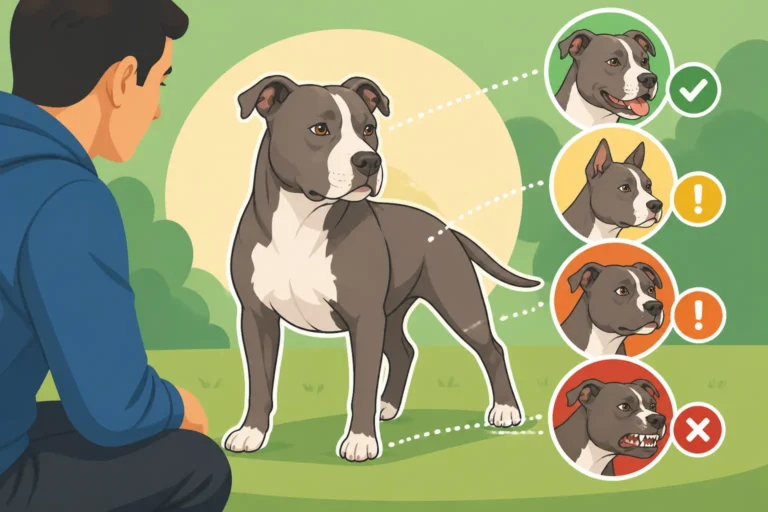
This method effectively removes the dog's ability to drive forward and bite, making it harder for them to continue the altercation. Timing is everything, so communication with your partner is vital. Knowing Reading a Pit Bull Before a Scuffle Starts can help you recognize early signs and prevent the fight from escalating to this point, but if it does, this method provides a solid strategy.
Using a Barrier or Distraction: When Alone or Unable to Physically Intervene
Sometimes, you're alone, or the fight is too intense or dangerous to get close enough for a physical intervention like the wheelbarrow method. In these situations, your best bet is to use a barrier or a powerful distraction. The goal is to startle the dogs just enough to break their focus, allowing you a window to separate them.
Here are some effective tactics:
- Loud, unexpected noise: A sudden, loud noise can sometimes be enough to break a dog's concentration. Yelling "NO!" loudly, clapping your hands, or even an air horn (if you carry one) might create that momentary pause. The key is "unexpected" – a dog in a fight is in a highly aroused state, so it needs to be something that truly cuts through their focus.
- Water hose or bucket of water: If you're near a water source, a powerful spray from a hose directed at the dogs' faces, or even dousing them with a bucket of water, can be surprisingly effective. The sudden cold and shock can disrupt the fight.
- Physical barrier: Anything large and unwieldy that you can wedge between the dogs can create separation. This could be a large garbage can lid, a sturdy piece of plywood, a picnic table, or even a thick jacket thrown over them. The barrier creates physical space, making it harder for them to maintain contact. The challenge is often safely deploying it without getting caught in the melee.
- Break stick: If you are trained in its use and carry one, a break stick can be inserted into the corner of a dog's mouth and rotated to pry open its jaws. This is specifically for dogs that have latched on and are not letting go. This is a specialized tool and should only be used by someone who knows exactly how to use it, as incorrect use can cause injury. Many Pit Bull owners will purchase these tools from places like Amazon to have on hand for emergencies.
Remember, the goal is to create a moment of opportunity. As soon as there's a break in the action, immediately try to secure one or both dogs, ensuring they can't re-engage. Don't assume the fight is over until both dogs are completely separated and contained.
What Not to Do: Common Mistakes to Avoid
In the panic of a dog fight, instinct often tells us to do things that are actually dangerous or counterproductive. Knowing what not to do is just as important as knowing what to do.
- Never grab collars blindly: Your hands are too close to snapping jaws. Dogs can redirect their bites with incredible speed. Pulling on a collar can also put immense pressure on their windpipe, making them panic further.
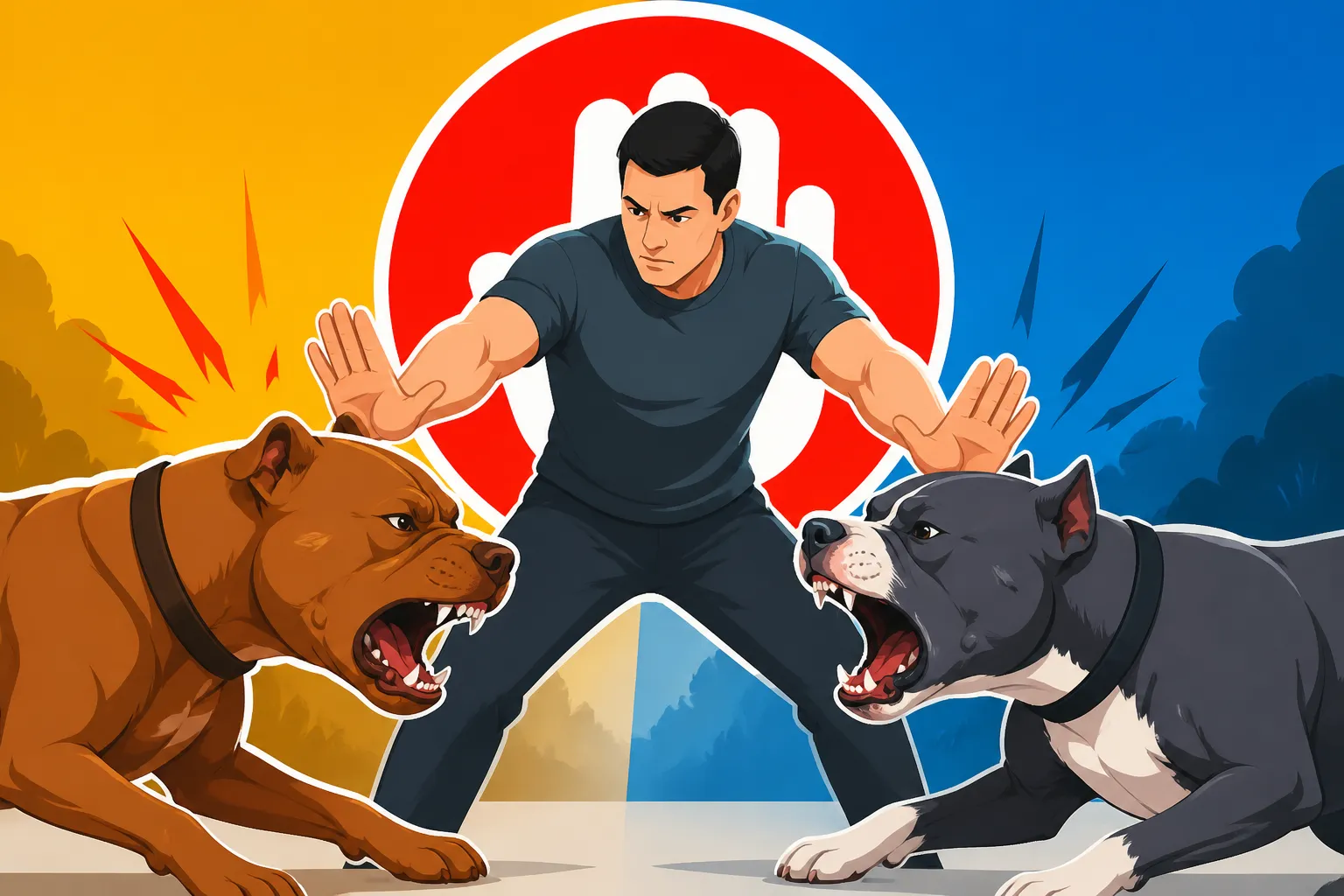
- Do not put your hands between fighting dogs: This is a direct path to severe injury. Their jaws are moving fast, and they are not distinguishing between the opponent and your fingers.
- Avoid yelling or screaming indiscriminately: While a sharp, commanding "NO!" can be a distraction, continuous screaming often just adds to the chaos and arousal, potentially escalating the fight rather than de-escalating it. Stay calm and use short, powerful commands.
- Do not kick or hit the dogs: While your intention might be to break up the fight, physically assaulting the dogs can injure them, make them defensive, and potentially redirect aggression towards you. It also doesn't teach them anything positive and can worsen future interactions.
- Don't attempt to pull a dog off by its tail: While some recommend this, it can injure the dog, and they can still easily turn and bite. Their focus remains on the fight.
- Never assume the fight is over: Dogs can disengage briefly and then re-engage with renewed ferocity. Ensure full separation and containment before you let your guard down.
After the Fight: Immediate Steps and Long-Term Prevention
Breaking up a dog fight is just the first step. The aftermath requires immediate attention to injuries and a thoughtful approach to preventing future incidents. This is where your role as a responsible Pit Bull owner truly comes into play.
Immediate Post-Fight Actions: Safety and Assessment
Once the dogs are separated and secured, the immediate priority shifts to assessing injuries and ensuring everyone's safety.
- Secure both dogs completely: This means physical separation where they cannot see, hear, or smell each other. Put them in separate crates, different rooms, or even in different cars. This prevents any chance of a re-engagement.
- Assess for injuries:
- For your dog: Carefully check your Pit Bull from nose to tail. Look for puncture wounds, scratches, swelling, limping, or any signs of pain. Pit Bulls can be stoic, so even minor-looking wounds might be deeper than they appear. Pay close attention to ears, legs, and the neck area.
- For yourself and others: Check for any bites, scratches, or other injuries. Even a small scratch can become infected.
- For the other dog/person: If another dog or person was involved, exchange contact information immediately and ensure they also assess for injuries.
- Seek veterinary attention: Even if injuries seem superficial, a vet visit is almost always warranted. Puncture wounds can be deceptively deep and easily become infected, or conceal underlying trauma. Your vet can clean and treat wounds, prescribe antibiotics if necessary, and assess for internal injuries that might not be immediately obvious. For Emergency Signs That Cannot Wait in a Pit Bull, always err on the side of caution and get professional help. The cost of a vet visit after a fight might be high, but the cost of untreated injuries is far greater.
Identifying Triggers and Preventing Future Incidents
A fight doesn't just "happen"; there's usually a trigger, even if it's subtle. Understanding what caused the altercation is crucial for preventing a repeat.
- Reconstruct the event: What was happening just before the fight? Were there specific dogs involved? Was it a resource (toy, food, attention)? Was there a particular environment (dog park, tight leash interaction)? Were there any pre-fight signals that were missed? What Dog Selectivity Means in a Pit Bull is important to understand here; some Pit Bulls might get along with certain dogs but not others, or only under specific circumstances.
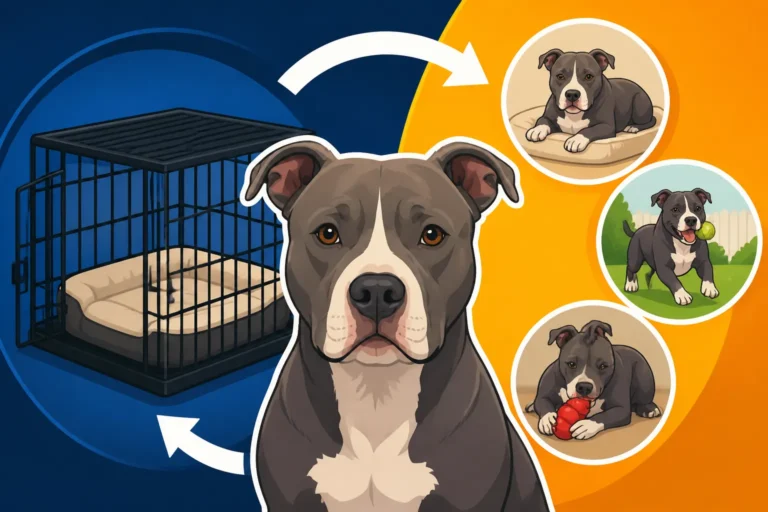
- Review management strategies: Did a management strategy fail? For example, if you typically Crate and Rotate as a Pit Bull Management Plan but one dog got out, that’s a clear point of failure. If you were walking in an area where off-leash dogs are common, perhaps a different route or time of day is needed.
- Modify the environment: If certain situations are triggers, avoid them. This might mean no more dog parks, or only controlled, supervised playdates with known, stable dogs. If your yard isn't fully secure, address that to prevent escape and potential conflict with neighborhood animals, especially if you live in an area with Managing a Pit Bull Without a Yard challenges.
- Continue training: Reinforce all good manners. Work on focus, recall, and impulse control in various environments, gradually increasing distractions. If resource guarding was a factor, work with a professional on safe trading and desensitization exercises. Training resources from platforms like BAXTER & Bella can offer structured programs that help rebuild confidence and teach alternative behaviors.
Professional Help and Ongoing Management
For any dog involved in a fight, especially a Pit Bull, seeking professional guidance from a certified dog trainer or a veterinary behaviorist is highly recommended. This isn't a sign of failure; it's a sign of responsible, proactive ownership.
- Why professional help?: A qualified professional can objectively assess the situation, identify underlying causes, and develop a tailored behavior modification plan. They can help you understand your dog's body language, interpret triggers, and teach you advanced handling techniques. This is particularly important for Pit Bulls, given their strength and the public perception often associated with them. When Vetting a Trainer Before Booking a Pit Bull, look for someone experienced with strong, active breeds and who uses positive, force-free methods.
- Ongoing management: Preventing future fights is often an ongoing process of management and training. This might involve:
- Structured introductions: If you plan to introduce your Pit Bull to new dogs, do it slowly and under strict supervision.
- Avoiding triggers: Sometimes, the best strategy is simply to avoid situations that trigger reactivity or aggression.
- Regular reviews: Periodically reassess your dog's behavior and your management plan. What worked last year might need tweaking.
- Documentation: Keep a record of any incidents, training progress, and professional consultations. Documenting a Pit Bull's Training Record can be invaluable if you ever need to demonstrate your dog's temperament or your responsible ownership.
Here's a quick summary of key actions:
| Action Category | Do | Don't |
|---|---|---|
| Intervention | Use Wheelbarrow Method (two people) | Grab collars, use hands between dogs |
| Use barriers (e.g., trash can lid) or loud distractions | Kick, hit, or physically punish the dogs | |
| Maintain calm, deep voice | Scream or add to the panic | |
| Immediate After | Separate dogs completely and immediately | Assume the fight is over until dogs are secured |
| Assess all involved for injuries | Delay veterinary care for any perceived injury | |
| Exchange contact information with other parties | Blame or argue with other owners in the immediate aftermath | |
| Long-Term | Identify specific triggers and environmental factors | Ignore the incident or hope it won't happen again |
| Modify routines, environments, or interactions to avoid triggers | Place your Pit Bull in situations known to be problematic | |
| Seek professional guidance from trainers/behaviorists | Attempt complex behavior modification without expert help | |
| Continue consistent, positive reinforcement training | Rely solely on punishment, which can worsen reactivity |
Disclaimer
This article is for general informational purposes only and does not constitute professional advice. Laws, prices and regulations vary by location and change over time. Consult a qualified professional for guidance on your specific situation.