Pit Bull Dog Selectivity and Multi-Dog Homes
Bringing a new dog into a home where you already have a Pit Bull can sometimes feel like walking a tightrope – you want everyone to get along, but there's this underlying worry about personalities clashing. Many Pit Bull owners grapple with the reality that their beloved companion might be "dog selective," meaning they don't necessarily love every single dog they meet. This guide will help you understand what dog selectivity truly means, how to navigate the challenges of multi-dog homes, and set your Pit Bull and any potential new housemates up for a peaceful, harmonious life together.
Understanding Dog Selectivity in Pit Bulls
It's a common scenario: you have a wonderful Pit Bull, perhaps a rescue, who is absolutely amazing with people, but when it comes to other dogs, things can be… complicated. This isn't a sign of a "bad" dog; it's often a characteristic known as dog selectivity, and understanding it is the first step toward successful multi-dog living.
What "Dog Selectivity" Really Means
Dog selectivity isn't the same as outright aggression, though it can certainly look that way to an untrained eye, and frankly, it can escalate if not managed correctly. At its heart, dog selectivity means your Pit Bull has a preference for which dogs they tolerate or enjoy interacting with, and under what circumstances. Think of it like a person who enjoys the company of a few close friends but isn't necessarily keen on large, boisterous parties with strangers. They might be perfectly polite, but they're not looking to make new best friends with everyone they meet.
For some Pit Bulls, selectivity might manifest as simply ignoring other dogs, preferring to focus on their owner during walks. For others, it could mean they have a very specific play style and become annoyed or overstimulated by dogs who don't match that style, leading to stiff body language, growling, or even snapping. It's often a maturity thing; a Pit Bull puppy might be a social butterfly, but as they hit their "teenage" months or fully mature, usually between one and three years old, their tolerance for unknown dogs can decrease significantly. This shift isn't a failure in your socialization efforts; it's often a natural progression for many bull breed types.
The key distinction is that a dog-selective Pit Bull often can coexist peacefully with specific, familiar dogs within their own home, or with carefully chosen playmates in controlled environments. They may even have a few "best friends" they've known for years. The challenge arises with unfamiliar dogs, especially those that are pushy, rude, or overly enthusiastic, or when environments are chaotic and overwhelming. It's about setting them up for success by respecting their boundaries and making smart choices about their canine companions. What Dog Selectivity Means in a Pit Bull goes into more detail about how this trait manifests.
Why Pit Bulls Can Be Prone to Dog Selectivity
To truly grasp why dog selectivity might be more prevalent in Pit Bulls and related breeds, we need to dip briefly into their history. These dogs were originally developed from crosses between bulldogs and terriers – breeds specifically selected for traits like tenacity, strength, and a high pain tolerance. While the romanticized "nanny dog" myth is just that, a myth, and modern Pit Bulls are wonderful family companions, their historical working roles often involved tasks that put them in conflict with other animals, including other dogs. This isn't to say every Pit Bull is destined to be dog-selective, or that they are inherently "bad." Far from it! It simply means that, genetically, there can be a predisposition for a more discerning approach to other canines.
This doesn't make them dangerous by default, but it does mean responsible ownership involves a greater awareness of their potential for dog selectivity. Their powerful build and strong jaws mean that if an interaction goes south, the consequences can be more severe than with a smaller or less powerful breed. This is why careful management, understanding body language, and proactive training are absolutely crucial. We're not talking about a Pit Bull being inherently aggressive towards dogs, but rather having a "shorter fuse" or less patience for certain types of canine interactions. It’s about being realistic about the individual dog in front of you and respecting their innate drives and preferences.
The good news is that with proper guidance, many dog-selective Pit Bulls can lead full, happy lives in multi-dog households or enjoy appropriate, supervised playdates. It's all about management, training, and understanding your dog's unique personality and genetic predispositions. This awareness helps us move past stereotypes and focus on practical, effective strategies that prioritize the safety and well-being of all dogs involved, rather than blaming the dog for exhibiting natural, albeit challenging, tendencies.
Distinguishing Selectivity from True Aggression
This distinction is vital, not just for your peace of mind, but for how you approach management and training. True dog aggression is often characterized by an intent to harm, a lack of warning signals (or very subtle ones that are quickly escalated), and a generalized hostility towards many or all other dogs, regardless of context. This can stem from fear, trauma, or even genetic predispositions towards true reactivity that goes beyond mere preference. Dogs with true aggression often require intensive behavioral modification with a professional, and sometimes, a single-dog home is the safest solution.
Dog selectivity, on the other hand, usually involves more nuanced behavior. A selective Pit Bull might give clear warning signs – a stiff body, a hard stare, a low growl, a snark – before escalating. They might tolerate certain dogs (calm, polite, submissive ones) but react strongly to others (bouncy, dominant, or persistent players). The reactions are often context-dependent; they might be fine on a leash walk past another dog, but become stressed if that dog invades their personal space or tries to initiate rough play. They might guard resources like toys or food from some dogs but not others.
The key is observing your dog closely. Does their body language communicate discomfort or an outright intent to harm? Is their reaction proportional to the trigger, or do they immediately go to a 10? A truly aggressive dog often lacks the "off" switch, whereas a selective dog might still be redirected or de-escalated if caught early. Understanding these differences helps you decide if you're dealing with a management challenge or a serious behavioral issue that needs immediate, specialized intervention. It's about recognizing the subtle cues that tell you what's going on inside your Pit Bull's head, which empowers you to make better choices for them and for any other dogs in their orbit.
Setting Your Multi-Dog Home Up for Success
Bringing another dog into your home, especially if you have a dog-selective Pit Bull, requires a thoughtful, proactive approach. It's not something to rush or take lightly. By planning ahead and setting clear expectations, you can significantly increase the chances of a peaceful transition and harmonious long-term living.
Proactive Socialization for Pit Bull Puppies
If you're starting with a Pit Bull puppy and thinking about a multi-dog future, proactive and appropriate socialization is your superpower. This isn't about throwing your puppy into every dog park imaginable and hoping for the best. Far from it! Instead, it's about carefully curated, positive experiences that teach your puppy good canine manners and build confidence without overwhelming them. Puppy classes are fantastic for this, as they offer controlled environments with other puppies and experienced instructors. The BAXTER & Bella online puppy school is a great resource here, providing structured lessons that help you navigate early socialization from the comfort of your home, or with carefully selected encounters.
Focus on quality over quantity. Arrange playdates with known, stable, vaccinated adult dogs who have good manners and will gently correct a pushy puppy. Observe their interactions closely. You want to see your puppy engaging in appropriate play – taking breaks, offering play bows, not being overly dominant or fearful. Teach them withdrawal signals: if they get overwhelmed, they should learn to disengage and come back to you for comfort and praise. Expose them to a variety of breeds, sizes, and temperaments, but always prioritize positive, brief interactions. Avoid situations where your puppy is being bullied or is bullying others.
Remember, early socialization is about creating a positive foundation for interactions with other dogs, but it won't necessarily erase a genetic predisposition for dog selectivity as they mature. What it will do is teach your Pit Bull excellent dog etiquette, how to read other dogs, and how to appropriately respond in various social situations. This skill set is invaluable for managing selectivity later on, allowing your dog to make better choices and rely on you for guidance when they feel uncomfortable. Socializing a Pit Bull Puppy Thoroughly offers more guidance on this critical developmental stage.
Assessing Your Current Dog's Temperament
Before you even think about adding another dog to your household, you absolutely must do an honest and thorough assessment of your existing Pit Bull's temperament. We all love our dogs fiercely, but sometimes that love can blind us to their less-than-ideal traits when it comes to other canines. Sit down and make a list of their behaviors: how do they react to dogs on walks? Do they show any resource guarding tendencies over food, toys, or even your attention? How do they react to new dogs entering their personal space? Are they generally relaxed or tense around other dogs?
Consider their play style: is it rough and tumble, or more gentle? A very rough player might overwhelm a more sensitive dog, while a soft player might be constantly corrected or ignored by a dominant one. Think about their past experiences – any bites, scuffles, or moments of extreme fear? Look for subtle signs of stress like lip licking, yawning, stiff body language, or averting their gaze when another dog is present. An honest assessment also includes considering age, sex, and energy levels. An older, slower Pit Bull might not appreciate a bouncy, energetic puppy, and conversely, a high-energy dog might constantly pester a more laid-back senior.
This is not a judgment call on your dog's worth; it's a realistic appraisal that allows you to make an informed decision about expanding your pack. If your Pit Bull shows significant, consistent aggression, severe resource guarding, or an inability to calm down around other dogs, then a multi-dog home might simply not be the right fit for them, and by extension, for the potential new dog. Protecting the peace and safety of your current companion should always be the top priority.
Understanding How Same-Sex Pairs Can Be Challenging
It's a piece of wisdom often shared among dog enthusiasts, particularly those who live with bully breeds: same-sex pairings, especially female-female, can be more challenging. While it's certainly not a hard and fast rule that all same-sex pairs will fight, there's a kernel of truth to the idea that they can, at times, experience more tension or have more difficulty establishing a stable hierarchy than mixed-sex pairs. This isn't universal, and many homes successfully manage same-sex Pit Bull pairs. However, it's a factor to consider, especially with a dog-selective Pit Bull.
The theory behind this often points to competition for resources, social status, or even a lack of clear communication signals between two dogs of the same sex who might be hard-wired for a certain level of social rivalry. Two females, for example, might be more prone to squabbling over perceived status within the household, particularly if neither is naturally submissive or if both possess strong personalities. Two males, especially if intact, can also clash, though neutering often significantly reduces inter-male aggression. The important thing to remember is that this is a generalization and individual temperaments always trump broad rules.
When considering adding a second dog, particularly of the same sex as your current Pit Bull, you'll want to be extra vigilant during introductions and integration. Look for signs of conflict, tension, or discomfort, and be prepared to manage interactions even more carefully. It doesn't mean you can't have a harmonious home with two female or two male Pit Bulls, but it does mean you should enter the situation with your eyes wide open, ready to implement robust management strategies if needed. Some Pit Bull owners find that a substantial age gap can help mitigate some of these potential tensions, with a younger dog naturally deferring to an older, established one.
Introducing a New Dog to Your Pit Bull
This is arguably the most critical stage when you're considering a multi-dog household with a dog-selective Pit Bull. A rushed or poorly managed introduction can set the stage for long-term conflict or even dangerous incidents. Taking it slow, being deliberate, and prioritizing safety are non-negotiables.
The Importance of Neutral Territory Meetings
The very first time your existing Pit Bull meets a potential new canine housemate should absolutely, without exception, be on neutral territory. This means a place where neither dog feels possessive or territorial, like a local park, an empty school field after hours, or even a friend's large, fenced yard that neither dog frequently visits. Avoid your own backyard or inside your home for these initial encounters, as this is where your Pit Bull feels most secure and might be inclined to "guard" their space.
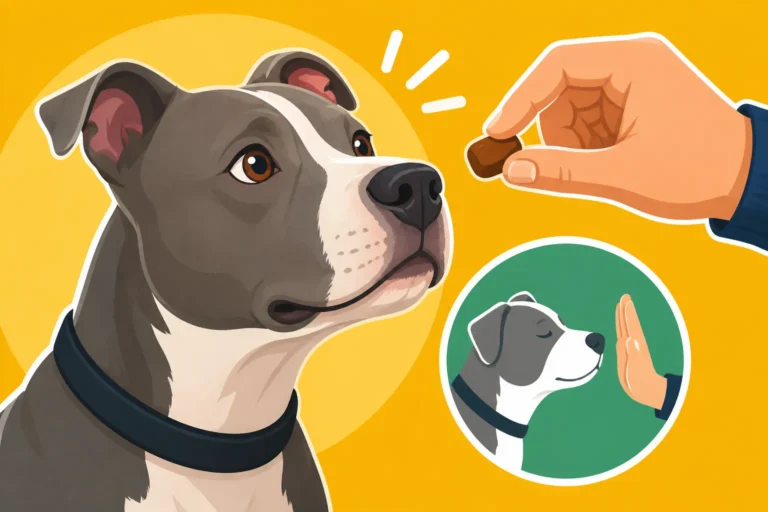
Both dogs should be on separate leashes, handled by separate, calm, and capable adults. Keep the leashes loose, never tense, as tension travels down the leash and can heighten anxiety in the dogs. Begin with parallel walking at a distance where both dogs are relaxed, gradually decreasing the distance if they remain calm. The goal is to allow them to become aware of each other's presence without direct interaction, absorbing scents and observing body language from a safe remove. Reward calm behavior with high-value treats. High-Value Treats That Hold a Pit Bull's Focus can make a huge difference in these scenarios.
Once they've walked calmly for a while, you can allow brief, controlled sniff-and-greet sessions, keeping them short and positive. Watch body language like a hawk: relaxed tails, loose bodies, soft eyes are good signs. Stiff tails, hard stares, raised hackles, or intense focus are red flags. If either dog shows signs of stress or over-excitement, calmly increase the distance again. These initial meetings should be short, positive, and end before any tension builds. You want both dogs to associate these encounters with pleasant, calm experiences. It might take several such neutral territory meetings over days or even weeks before you consider bringing them closer to home.
Slow and Controlled Integration at Home
Once you've had several positive neutral territory meetings, and both dogs seem to tolerate each other, it’s time for the home introduction, but this still needs to be slow and carefully managed. The "crate and rotate" method is often a lifesaver for homes integrating a dog-selective Pit Bull with a new companion. This essentially means that when you cannot actively supervise, the dogs are kept separate, typically crated or in different rooms, and their time together is carefully scheduled and monitored. This might involve letting one dog out for a potty break while the other is secured, then switching. This prevents unsupervised incidents and allows them to get used to each other's presence, sounds, and smells without direct pressure.
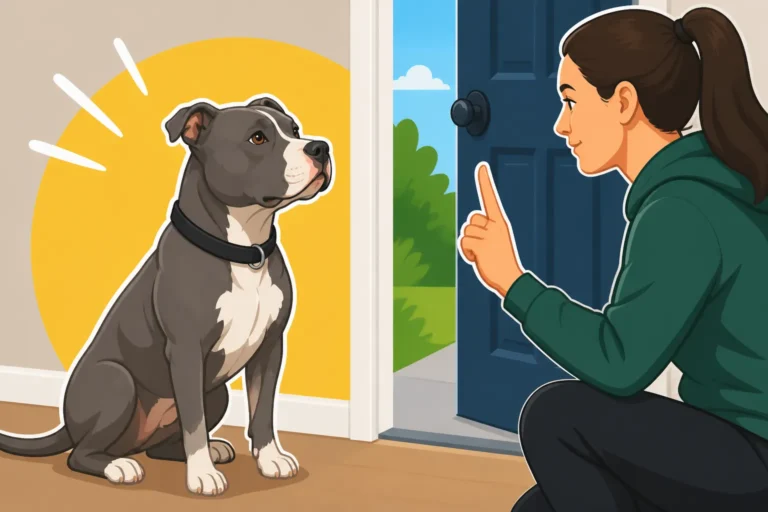
When they are together, always supervise. Use long lines if necessary (but be careful they don't get tangled). Practice impulse control exercises with both dogs, rewarding calm behavior. Feed them in separate rooms, or at least in separate, secure crates, to prevent any food guarding issues. Provide separate, comfortable resting spots for each dog – having their own "safe space" is crucial. This might mean investing in sturdy crates, perhaps from a reputable brand found on Amazon, that your Pit Bull cannot destroy, ensuring they have a secure place to retreat to.
Gradually increase the duration of their supervised interactions. Start with short bursts, always ending on a positive note. Work on parallel activities, like chewing on individual, high-value chews on opposite sides of a room. Avoid situations that might trigger competition, such as tug-of-war games or throwing multiple toys. The goal is to build a sense of calm coexistence, not necessarily intense friendship, especially in the early stages. Introducing a Pit Bull to an Existing Dog Slowly provides a detailed roadmap for this process, emphasizing patience and careful observation.
Managing Resources to Prevent Conflict
Resource guarding is a very common trigger for conflict in multi-dog households, particularly with dog-selective individuals like Pit Bulls. Resources aren't just food; they can be anything a dog values: toys, chews, beds, prime resting spots (like the couch or your lap), and even your attention. To prevent potential scuffles or fights, you must be hyper-vigilant about managing these resources from day one.
The golden rule is: separate dogs when high-value resources are present. This means feeding them in separate rooms or crated separately, ensuring there's no way they can access each other's food bowls. If you give high-value chews like bully sticks or stuffed Kongs, do so when the dogs are in their individual crates or in different secure areas of the house. Never leave a bowl of food down all day, as this can create competition. Pick up bowls once a meal is finished.
Pay attention to resting spots. Ensure each dog has at least one comfortable, undisputed bed or mat in different areas of the house. If one dog guards the couch, establish clear rules (e.g., no dogs on the couch, or only one dog at a time with your permission). Managing your attention is also crucial. Avoid situations where one dog feels like they have to compete for your affection. Spend individual quality time with each dog, offering pets, praise, and training sessions one-on-one. This reinforces their bond with you without creating sibling rivalry. By systematically removing potential triggers, you can significantly reduce the likelihood of conflict and build a more peaceful environment.
Daily Life and Management in a Multi-Pit Bull Household
Even after a successful introduction, living with a dog-selective Pit Bull and another dog means ongoing management and attention. This isn't a "set it and forget it" situation. Your daily routines and your vigilance will be the cornerstones of maintaining peace and safety in your home.
Consistent Supervision and Intervention
Living with a dog-selective Pit Bull requires you to be a perpetual canine body language expert. You need to know what subtle signs indicate rising tension before a full-blown scuffle erupts. Look for stiff bodies, hard stares, freezing, lip-licking, yawning, whale eye (showing the whites of their eyes), raised hackles, or a low growl. These are all communication signals that your dog is uncomfortable or about to react. Reading a Pit Bull Before a Scuffle Starts is a vital skill for any owner.
Your role isn't just to watch, but to intervene calmly and consistently. If you see signs of tension, redirect one or both dogs to a different activity, call one to you for a separate training session, or simply create distance. Don't wait for things to escalate. Prevention is always better than reaction. If a scuffle does happen, you need a plan for how to safely break it up without getting bitten. This might involve using a water spray bottle, a loud noise, or a barrier. Never put your hands directly into a dog fight.
Supervision doesn't mean hovering and making your dogs anxious; it means being aware of the dynamics and being ready to act. This is especially true during times of high arousal, like when someone comes to the door, during playtime, or when food is being prepared. If you need to leave the house, even for a short time, the dogs should be separated – crated, or in different rooms – to prevent unsupervised incidents. This level of consistent awareness becomes second nature over time and is paramount for keeping everyone safe and happy.
Structured Routines and Separate Spaces
Dogs thrive on predictability, and for a dog-selective Pit Bull in a multi-dog household, a structured routine can be a game-changer. Knowing what to expect and when can significantly reduce anxiety and potential triggers for conflict. Establish consistent feeding times, walk schedules, and designated playtime. This predictability creates a sense of security and reduces the need for dogs to compete for resources or attention.
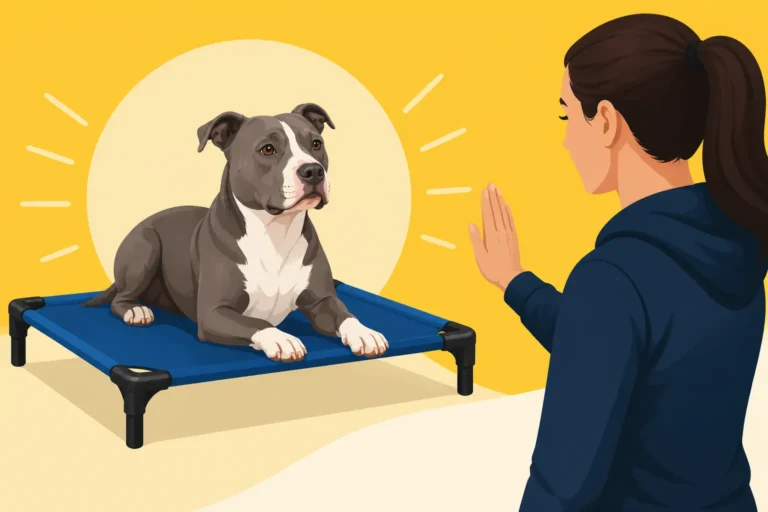
Just as important are separate spaces. Every dog, especially a dog-selective one, needs a sanctuary where they can retreat and feel safe from other dogs. This could be their crate, a specific room, or a designated bed that is off-limits to other pets. Make sure these spaces are comfortable and easily accessible. When one dog is resting in their designated spot, the other should be taught to respect that boundary. You can even rotate access to different areas of the house. For example, your Pit Bull might have free roam of the living room in the mornings, while the other dog gets the space in the afternoon. This ensures both dogs feel like they have their own territory and aren't constantly infringing on each other's personal space.
This isn't about fostering isolation, but about respecting individual needs for peace and privacy. Think of it like siblings in a family home: they might share many spaces, but each typically has their own room where they can relax undisturbed. This reduces friction and allows everyone to decompress, leading to more harmonious interactions when they are together.
Enrichment and Exercise for Each Dog
A tired dog is often a well-behaved dog, but it's not just about physical exercise; mental enrichment is equally vital, especially in multi-dog homes with selective individuals. Each dog in your household needs to have their physical and mental needs met individually. Simply letting them out in the yard together isn't enough, particularly if their play styles clash or if one dog constantly annoys the other.
Regular, structured walks are excellent opportunities for individual bonding and exercise. Teach your Pit Bull good Pit Bull Leash Manners and Physical Strength so walks are enjoyable and controlled, especially if you encounter other dogs. Consider daily one-on-one training sessions, even just for 10-15 minutes, working on obedience cues or fun tricks. This not only burns mental energy but also reinforces your bond with each dog individually and gives them a sense of purpose. This is where resources like a strong, durable tug toy from Amazon, or interactive puzzle feeders, can be invaluable.
Mental enrichment can also include puzzle toys that dispense treats, scent work games (hiding treats around the house for them to find), or using a flirt pole to engage their prey drive in a safe, directed way. If one dog is more energetic, ensure they get extra outlets, perhaps a longer run or a focused play session with you, without the other dog needing to participate. Providing these individual outlets prevents boredom, reduces stress, and ensures that each dog feels fulfilled, making them less likely to act out or seek conflict with their housemates. A well-exercised and mentally stimulated dog is generally a much calmer and more tolerant companion. Indoor Trick Work for a Bored Pit Bull offers more ideas on how to keep your dog's mind active.
When to Seek Professional Help and Red Flags
It's natural to want to manage everything yourself, but sometimes, the challenges of a multi-dog home, especially with a dog-selective Pit Bull, can become overwhelming. Recognizing when you need expert assistance and understanding the red flags that signal escalating issues is crucial for the safety and well-being of everyone involved.
Recognizing Escalating Tension and Conflict
Sometimes, what starts as minor disagreements can slowly escalate into serious problems if not addressed. You need to be able to recognize these red flags. Are the periods of calm coexistence shrinking? Are tense stand-offs becoming more frequent? Is one dog constantly trying to avoid the other, showing signs of fear or anxiety? Look for subtle changes: increased stiffness in body language, more frequent hard stares, growling that used to be rare but is now common, or heightened resource guarding.
A true "fight" is more than a brief scuffle or a loud correction. It often involves biting with intent to injure, sustained grappling, and difficulty in breaking them apart. If you find yourself frequently separating fights, or if either dog is consistently incurring injuries (even minor nicks or scratches), this is a serious red flag that the situation is deteriorating. Another warning sign is if the dogs start to actively seek each other out for conflict, rather than just reacting to triggers. This indicates a deeply ingrained behavioral pattern that is unlikely to resolve on its own.
Don't ignore subtle signs hoping they will go away. Increased tension creates a stressful environment for all dogs, and prolonged stress can lead to other health and behavioral issues. If you're seeing these escalating signs, it's time to acknowledge that you might need external help. Ignoring these signals is unfair to your dogs and puts everyone at risk. Breaking Up a Fight Involving a Pit Bull is a resource you hope you never need, but it's important to be prepared.
Finding a Qualified Professional
When the situation feels beyond your control, or if you're seeing those escalating red flags, it's time to call in a professional. But not just any professional! You need someone who is experienced, qualified, and uses humane, evidence-based methods. Look for a Certified Professional Dog Trainer (CPDT-KA) or, for more severe cases, a Veterinary Behaviorist (Dip ACVB). A veterinary behaviorist is a veterinarian with specialized training in animal behavior, capable of diagnosing medical conditions that might contribute to aggression and prescribing medication if necessary.
When vetting potential trainers or behaviorists, ask about their experience with dog-selective or reactive dogs, particularly bull breeds. Inquire about their methodology: do they use positive reinforcement? Do they advocate for punishment-based tools like prong collars or e-collars? For dog selectivity and multi-dog household dynamics, positive reinforcement and management-focused strategies are generally the safest and most effective approaches. Avoid anyone who promises a quick fix, guarantees results, or suggests methods that make you feel uncomfortable or put your dogs at risk.
A good professional will observe your dogs, ask detailed questions about their history and your daily routine, and develop a customized plan that focuses on safety, management, and teaching both dogs (and you!) better coping mechanisms. They should empower you with tools and knowledge, not just issue commands. Getting the right help early can prevent minor issues from becoming major tragedies and help you maintain a harmonious home. Vetting a Trainer Before Booking a Pit Bull is a crucial step to ensure you're getting the best guidance.
Understanding When a Multi-Dog Home Isn't the Right Fit
This is perhaps the hardest truth to confront for any dog owner: sometimes, despite all your best efforts, training, management, and professional help, a multi-dog home simply isn't the right fit for your dog or for the existing dynamics. It's an incredibly painful realization, but prioritizing the safety and well-being of all animals involved, and your own peace of mind, sometimes means making incredibly tough decisions.
If the stress levels for one or both dogs remain consistently high, if fights are frequent and dangerous, or if you find yourself constantly managing a volatile situation, living in a constant state of anxiety, it might be time to consider whether maintaining a multi-dog household is truly fair to anyone. Living with chronic stress can lead to health problems in dogs and can take a serious toll on human caregivers. In some severe cases, a "crate and rotate" lifestyle becomes permanent, where dogs never share space unsupervised, and their interactions are always managed. While this can work for some, it's a demanding and often exhausting way to live.
This might mean making the heartbreaking decision to rehome one of the dogs into a home where they can thrive as an only dog or with a more compatible companion. This is not a failure on your part; it's an act of profound love and responsibility, recognizing that you are doing what is best for the dog's individual happiness and safety. Sometimes, one dog simply needs a different environment to truly flourish, and acknowledging that is perhaps the most selfless thing an owner can do. The Hardest Call a Pit Bull Owner Makes can be a difficult read, but offers perspective on these ultimate decisions.
Common Misconceptions and Ethical Considerations
Navigating the world of dog selectivity, especially with a breed like the Pit Bull, comes with its own set of myths and ethical responsibilities. It’s important to cut through the noise and focus on what truly serves your dog and your community.
The Myth of "Aggression" vs. Management
One of the biggest hurdles Pit Bull owners face is the pervasive misconception that any sign of dog selectivity equates to inherent aggression or a dangerous dog. This is simply not true. As we've discussed, dog selectivity is a spectrum, often rooted in specific preferences or a lower tolerance threshold, rather than a blanket desire to harm. It's a behavioral trait that requires informed management, not a character flaw. Labeling a dog as "aggressive" too quickly often leads to harsh, punishment-based training methods that are not only ineffective but can actually make the dog more fearful and reactive.
Responsible ownership of a Pit Bull, especially one who is dog selective, means understanding this nuance. It means taking proactive steps to manage their environment, teaching them appropriate coping skills, and advocating for them in a way that highlights their true nature while acknowledging their needs. It doesn't mean hiding their selectivity or denying it; it means understanding it as a characteristic to be managed, much like a high prey drive or a tendency towards certain health issues. We don't call a retriever "aggressive" because it wants to chase squirrels; we manage its prey drive with training and appropriate outlets. The same logic applies to dog selectivity.
The ethical responsibility lies with the owner to ensure their dog does not become a nuisance or a danger to others, not with blaming the dog for exhibiting a trait that may be part of their genetic makeup or learned experiences. With proper management and understanding, a dog-selective Pit Bull can be a wonderful, loving companion who simply needs a bit more guidance in their interactions with other dogs.
Balancing Individual Needs with Household Harmony
In a multi-dog household, particularly with a dog-selective Pit Bull, the constant balancing act between meeting each dog's individual needs and fostering overall household harmony is ongoing. It's easy to fall into the trap of treating all dogs the same, but they are unique individuals with distinct personalities, energy levels, and social preferences. What makes one dog happy might stress another.
This means being flexible and attentive. One dog might thrive on long walks and adventurous outings, while another prefers quiet time and puzzle toys. One might enjoy wrestling play, while another is easily overwhelmed and prefers to just sit by your side. Your job is to recognize these differences and tailor your approach to each dog. This might involve separate walks, individual training sessions, or different types of enrichment toys. For example, your high-energy Pit Bull might benefit from a sturdy, interactive chew toy found on Amazon that keeps them occupied, while your calmer dog might prefer a plush bed and quiet cuddles.
Ensuring each dog feels secure, loved, and has their own space helps prevent resentment and competition. When dogs feel their individual needs are met, they are less likely to seek conflict or act out from frustration. Harmony isn't about forced friendship; it's about respectful coexistence where each member of the pack feels safe and understood. This takes work, observation, and a deep commitment to each dog as an individual, not just as part of a collective.
Advocating for Your Pit Bull in a Selective Situation
As a Pit Bull owner, you're already likely accustomed to being an advocate for your dog. When your Pit Bull is dog selective, this advocacy takes on an even greater importance. In public, this means being realistic about your dog's comfort levels. Don't force interactions with other dogs if your Pit Bull is showing signs of stress. It's perfectly okay to politely tell another owner, "My dog isn't keen on greetings, thank you," or to simply cross the street to create distance. A well-fitted, comfortable basket muzzle can be an incredibly responsible tool to use in public or during introductions, not as a sign of aggression, but as a safety measure and a clear signal to others that your dog needs space. Why Every Pit Bull Should Be Muzzle Trained elaborates on the benefits of this often-misunderstood tool.
It also means educating friends and family about your dog's boundaries. They need to understand that jumping in to pet both dogs at once, or allowing their dog to rush into your yard, might not be safe. You are your dog's protector and translator. Be firm but polite in enforcing boundaries that keep your dog and others safe. This responsibility extends to how you discuss your dog's selectivity. Frame it as a management challenge rather than a flaw. By being transparent and proactive, you model responsible ownership and help chip away at negative stereotypes.
Finally, remember that sometimes the best advocacy is simply ensuring your Pit Bull has a happy, fulfilling life, even if that means a smaller circle of canine friends or a strictly managed environment. Their well-being and safety, and the safety of your community, are paramount. Your commitment to understanding and managing their unique personality speaks volumes more than any forced public interaction ever could.
| Aspect of Introduction | Dog-Friendly Pit Bull | Dog-Selective Pit Bull |
|---|---|---|
| Initial Meeting Location | Can be home with controlled supervision | Absolutely neutral territory only |
| Pace of Introduction | Can be faster, but still cautious | Very slow, gradual, multiple sessions |
| Supervision Level | Consistent, but might allow more freedom quicker | Constant, active, never unsupervised initially |
| Resource Management | Important, but less critical unless known issues | Critical, strict separation for all high-value items |
| Preferred New Dog Type | Generally flexible, but still prefer calm | Calm, polite, known history of good manners, non-pushy |
| Use of Crates/Barriers | Recommended for initial separation at night | Essential for all unsupervised time, "crate & rotate" |
| Body Language Watch | Observe for comfort/discomfort | Scrutinize every subtle cue for tension/stress |
| Professional Help | Consult if any issues arise | Strongly recommended for guidance from the start |
| Long-Term Management | Routine, ongoing socialization | Strict, daily management and consistent routine |
Disclaimer
This article is for general informational purposes only and does not constitute professional advice. Laws, prices and regulations vary by location and change over time. Consult a qualified professional for guidance on your specific situation.