Immunotherapy Costs Across a Pit Bull’s Life
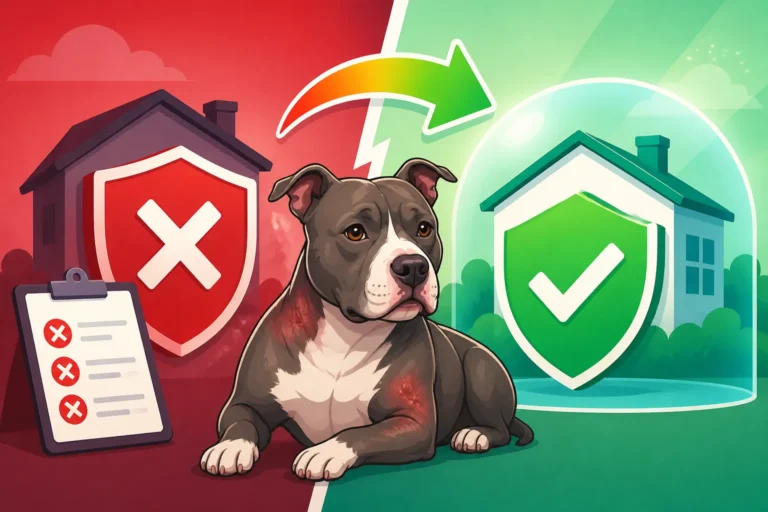
Dealing with a Pit Bull whose skin constantly itches, flares up, and leaves them miserable is one of the most heartbreaking parts of being a dog parent. You've tried diets, creams, medications, and still, that persistent scratching and discomfort can make you feel like you're fighting a losing battle. This guide is here to walk you through what immunotherapy, a long-term solution for environmental allergies, truly costs over your Pit Bull's entire life, helping you understand the financial commitment involved in bringing your furry friend lasting relief.
Understanding Immunotherapy and Its Initial Costs
When your beloved Pit Bull is constantly itchy, scratching, or developing recurrent skin and ear infections, it’s not just uncomfortable for them; it’s a constant worry for you. Immunotherapy can feel like a beacon of hope, but the journey to get there, and the costs involved, often feel like a maze. It’s not a quick fix, and the initial investment can be substantial, so let's break down what those first steps look like.
The Diagnostic Phase: Getting to the Root Cause
Before you even start thinking about custom allergy treatments, your vet needs to confirm that you’re actually dealing with environmental allergies, also known as atopy. This diagnostic process is crucial because many other conditions can mimic allergy symptoms. It’s a bit like being a detective, ruling out suspects one by one.
First, your vet will likely want to rule out parasites. That means checking for fleas, especially if you haven't been consistently using year-round parasite cover for a Pit Bull. Even one flea bite can set off an allergic reaction in sensitive dogs, leading to intense itching, so topical or oral flea preventatives will often be recommended. Next, they’ll want to investigate bacterial or yeast infections, which are common secondary invaders when the skin barrier is compromised by allergies. These might require courses of antibiotics or antifungals, often accompanied by medicated baths for a Pit Bull with atopy. These initial consultations, diagnostics (like skin scrapes or cytology for yeast/bacteria), and medications can easily add up, ranging from a few hundred to over a thousand dollars depending on the severity and complexity of the initial flare-up.
Once external parasites and secondary infections are under control, the next big step is often addressing food allergies behind Pit Bull itching. This usually involves an eight-week food trial on an itchy Pit Bull, where your dog eats only a novel protein or hydrolyzed protein diet. This means no treats, no table scraps, nothing but the prescribed food and water. This trial itself isn't cheap; prescription diets can cost significantly more than regular kibble, and you're committing to that for a solid two months. Only after these steps are taken can environmental allergies become the primary suspect.
Finally, to specifically identify the environmental allergens your Pit Bull reacts to, you'll enter the specialized allergy testing phase. There are generally two main types:
- Intradermal Skin Testing (IDST): This is considered the "gold standard" by many veterinary dermatologists. It involves injecting tiny amounts of common allergens (like pollens, dust mites, molds) into your dog's shaved side and observing for reactions. Your Pit Bull will need to be sedated for this, which adds to the cost and complexity. The test itself, including sedation and the specialist's time, can run anywhere from $800 to $1,500, or even more in major metropolitan areas.
- Serum Blood Testing: This involves taking a blood sample and sending it to a specialized lab to measure antibodies against various allergens. It's less invasive than IDST and doesn't require sedation, making it a more accessible option for many. While often less accurate than IDST, it can still provide valuable information. The cost for a comprehensive serum test typically ranges from $300 to $600.
The choice between these tests depends on your vet's recommendation, your location, and your budget. But either way, be prepared for a significant upfront cost just to pinpoint what's causing your Pit Bull's distress.
Crafting the Custom Treatment: Serum and Administration
Once the diagnostic testing is complete and the specific allergens have been identified, the exciting part begins: formulating your Pit Bull's custom immunotherapy serum. This isn't a generic shot; it's a personalized cocktail designed to desensitize your dog to the very things that make them miserable.
The process involves a specialized lab taking the results from the skin or blood test and compounding a unique serum containing tiny, increasing amounts of the identified allergens. The idea is to gradually expose your dog's immune system to these allergens, teaching it not to overreact. This initial serum formulation usually costs anywhere from $200 to $500, depending on the number of allergens included and the concentration needed. This price covers the lab's work in creating a tailor-made solution for your dog's specific needs.
Beyond the cost of the serum itself, you'll also need to consider the method of administration. There are two primary ways to give immunotherapy:
- Subcutaneous Injections: This is the traditional method, where you (or your vet) administer small injections under the skin. Your vet or vet tech will teach you how to do this safely at home. While the serum cost is the main factor here, you'll also need to factor in the recurring cost of syringes and needles. While these are relatively inexpensive (a box of 100 can be around $20-$40), they are a recurring supply you'll need to purchase, perhaps from pet supply retailers like Chewy.
- Sublingual Oral Drops: A newer, often more convenient option, especially for owners uncomfortable with injections, is administering drops directly into your Pit Bull's mouth. This is done daily and bypasses the need for needles. The cost of oral drops can sometimes be slightly higher per vial than injectable serum, but it eliminates the need for injection supplies. It can also be a gentler introduction for dogs that are needle-averse or have a history of adverse reactions to injections.
Both methods have proven efficacy, and the choice often comes down to owner preference, your Pit Bull's temperament, and your vet's recommendation. The important thing is that once the serum is crafted, you’re embarking on a long-term commitment that aims to re-educate your dog’s immune system for lasting relief.
Ongoing Immunotherapy Costs Through Your Pit Bull's Life
Immunotherapy isn't a one-and-done treatment; it's a marathon, not a sprint. The real commitment, both in terms of time and money, comes with the ongoing maintenance and monitoring required to keep your Pit Bull comfortable and healthy over the years. It's about establishing a routine and understanding that consistency is key to success.
The Regular Schedule: Maintenance Doses and Refills
After the initial "loading phase," where the allergen dose is gradually increased, your Pit Bull will settle into a maintenance schedule. For injections, this typically means administering a shot every 1-3 weeks. For oral drops, it's usually a daily or every-other-day routine. This schedule continues indefinitely, ideally for the rest of your Pit Bull's life, or for as long as it remains effective.
The primary ongoing cost here is the serum refills. A vial of injectable serum or a bottle of oral drops might last anywhere from 3 to 6 months, depending on the concentration and dose frequency. The cost for these refills generally ranges from $150 to $400 per refill. Given that these are needed multiple times a year, this quickly adds up. For example, if your Pit Bull needs refills every three months at an average of $250 each, that's $1,000 annually just for the serum itself.
If you opt for injections, don't forget the recurring cost of syringes and needles. While a single syringe is cheap, buying them in bulk is more economical, but it's still an expense. You can usually find these supplies at veterinary offices, pharmacies, or online pet supply stores. For those using oral drops, the only additional supplies might be the droppers or dispensers provided by the compounding pharmacy.
The key to remember is that this isn't like a course of antibiotics that ends when the bottle is empty. Immunotherapy is a continuous process aimed at sustained immune modulation. Interrupting the schedule can often mean starting over or experiencing a resurgence of symptoms, so budgeting for these regular refills is crucial for the treatment's long-term success.
Monitoring Progress and Adjustments
Even with regular serum administration, immunotherapy isn't a "set it and forget it" solution. Your Pit Bull's immune system is complex, and their allergen sensitivities can sometimes change or fluctuate over time. This means regular check-ins with your veterinarian or veterinary dermatologist are essential to monitor progress and make any necessary adjustments to the treatment protocol.
Typically, you'll have follow-up appointments every 6-12 months, especially during the first few years of treatment. During these visits, your vet will:
- Assess Symptom Control: They'll ask about your Pit Bull's current itching levels, frequency of ear infections, and overall comfort. Keeping a journal of flare-ups can be incredibly helpful for these discussions.
- Evaluate Serum Effectiveness: If your Pit Bull isn't responding as well as hoped, the vet might suggest increasing the dose, changing the frequency, or even re-evaluating the allergen panel. Sometimes, new allergies can develop over time, or the initial testing might have missed something.
- Manage Secondary Issues: Even with successful immunotherapy, some Pit Bulls might still experience occasional flare-ups or secondary infections, especially during peak allergy seasons. These might require short courses of medication, like corticosteroids or Apoquel and Cytopoint for an itchy Pit Bull, adding to the overall cost.
- Consider Re-testing: In some cases, after several years, if progress plateaus or symptoms worsen significantly, your vet might recommend another round of allergy testing to see if new allergens have emerged or if sensitivities have changed. This re-testing would incur similar costs to the initial diagnostic phase, potentially another $300-$1500.
The costs for these follow-up vet visits can range from $50 to $150 per appointment, not including any additional medications or tests. While they might seem like an extra expense, these monitoring visits are vital to ensure the immunotherapy is working effectively and to adapt the plan as your Pit Bull ages and their body changes. Think of it as fine-tuning a very important, lifelong treatment.
Factors Influencing Immunotherapy Costs and Long-Term Budgeting
Understanding the general costs is one thing, but pinpointing the exact amount you’ll spend on immunotherapy for your Pit Bull is tricky, as many variables come into play. It’s not just about the serum; it’s about where you live, what insurance you have, and how comprehensively you approach overall allergy management.
Geographical Variations and Veterinary Practice Fees
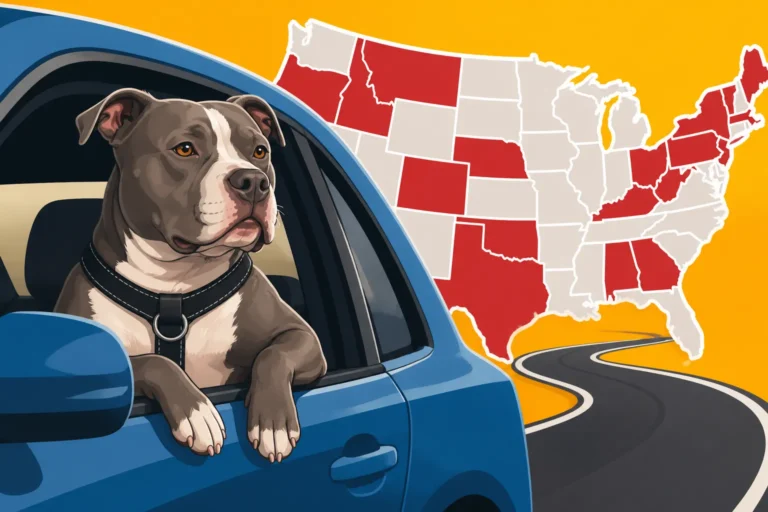
Just like human healthcare, the cost of veterinary care, including specialized treatments like immunotherapy, can vary significantly depending on your location. A clinic in a major metropolitan area like Los Angeles or New York City will likely have higher overheads and, consequently, higher fees than a practice in a smaller, rural town in the Midwest.
For instance, the initial intradermal skin testing performed by a board-certified veterinary dermatologist in a high-cost-of-living area might push past the $1,500 mark, whereas the same test in a less expensive region could be closer to $800. Similarly, the ongoing serum refills and follow-up consultation fees will reflect these regional differences. It’s always a good idea to call around to different veterinary clinics or specialty dermatology practices in your area to get a range of quotes for both the initial testing and the estimated long-term costs. Don’t be afraid to ask for a breakdown of all potential charges, including any in-house lab fees or consultation rates.
Pet Insurance and Financial Planning
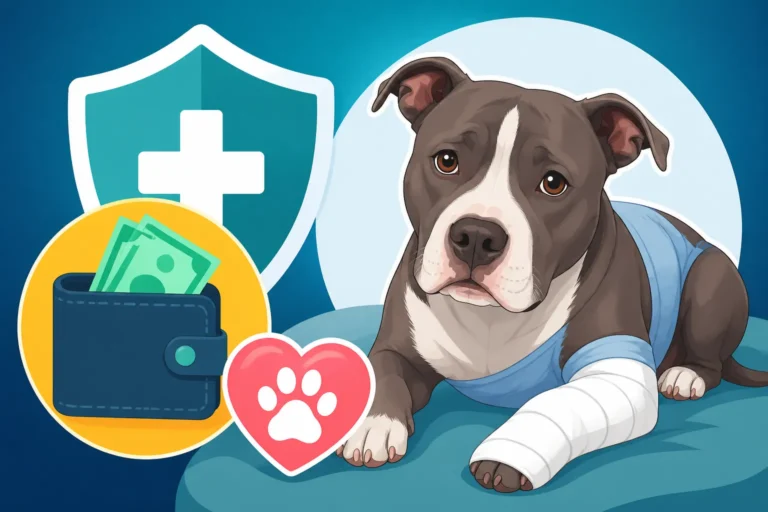
One of the biggest factors that can mitigate the financial strain of long-term treatments like immunotherapy is pet insurance. However, it's critical to understand how pet insurance works, especially regarding pre-existing conditions. Most pet insurance policies will not cover conditions that were diagnosed or showed symptoms before your policy's waiting period ended. This means if your Pit Bull already has documented skin allergies when you sign up for insurance, immunotherapy for those allergies will likely be considered a pre-existing condition and therefore excluded from coverage.
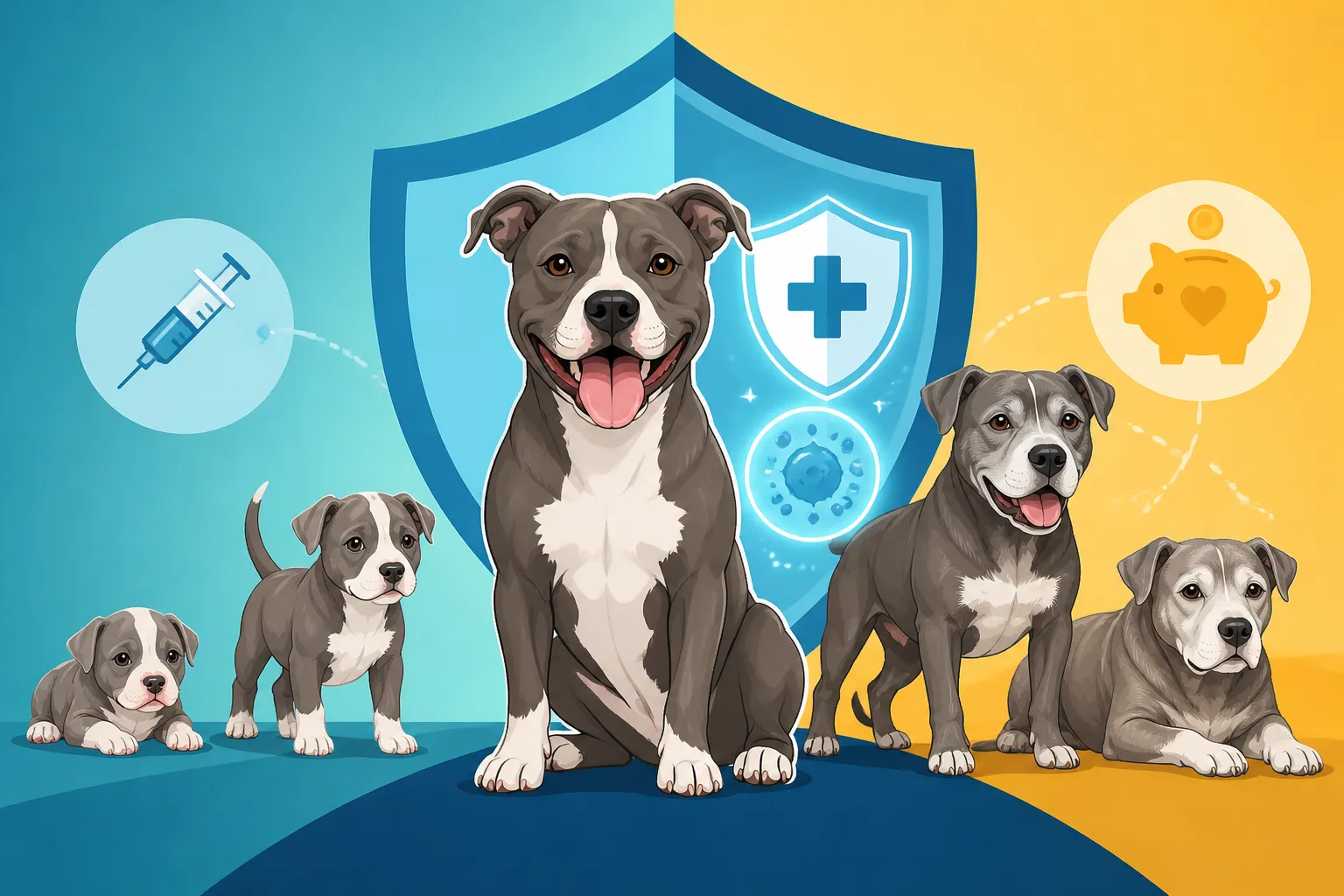
This is why the general advice is to enroll your Pit Bull in pet insurance as early as possible, ideally as a puppy, before any chronic conditions arise. For instance, reputable providers like Healthy Paws offer comprehensive coverage that, if purchased before symptoms appear, could significantly offset the costs of immunotherapy. They often reimburse a percentage of your vet bills after you meet your deductible. Make sure to read the fine print of any policy to understand its specific breed exclusions, deductibles, reimbursement percentages (e.g., 70%, 80%, 90%), and annual limits.
If you don't have pet insurance or if your Pit Bull's allergies are pre-existing, financial planning becomes even more vital. Consider setting up a dedicated savings account for your dog's medical expenses. You could also explore options like a CareCredit card, which offers deferred interest payment plans for veterinary care. Some veterinary clinics also offer their own payment plans or accept third-party financing. Budgeting for a Pit Bull with chronic allergies means being proactive and consistent, much like the treatment itself.
Complementary Treatments and Lifestyle Adjustments
Immunotherapy is often a cornerstone of allergy management, but it's rarely the only thing involved in keeping an allergic Pit Bull comfortable. Many dogs benefit from a multi-modal approach, which means additional costs you need to factor into your long-term budget.
Consider these complementary treatments and lifestyle adjustments:
- Medicated Shampoos and Conditioners: Even with immunotherapy, regular medicated baths for a Pit Bull with atopy can help manage symptoms, remove allergens from the coat, and treat secondary infections. Products like Douxo S3 or Malaseb are often recommended by vets and can be purchased from your vet or online retailers like Chewy. A single bottle might cost $20-$40, but you could go through several a year.
- Dietary Support: While immunotherapy addresses environmental allergies, some Pit Bulls might also have sensitivities to certain ingredients in their food. A limited ingredient diet or a novel protein diet might be recommended by your vet, especially if food allergies were identified or suspected. Brands like Ollie, known for their fresh, human-grade food, or specific prescription diets, can be a valuable part of managing overall health and minimizing inflammation, though they come with a higher price tag than conventional kibble.
- Omega-3 Fatty Acid Supplements: These supplements can help support skin barrier health and reduce inflammation. High-quality fish oil supplements are a common addition to an allergic Pit Bull's regimen, typically costing $20-$50 per bottle, depending on size and concentration.
- Environmental Control: Minimizing exposure to identified allergens at home can also help. This might involve frequent vacuuming, air purifiers, or regularly washing your Pit Bull's bedding. Rinsing pollen off a Pit Bull after walks can also make a noticeable difference during peak allergy seasons.
- Ear Care: Pit Bull ear infections and allergy links are strong, so consistent cleaning with vet-approved solutions is vital. You'll need to learn how to clean a Pit Bull ear properly and budget for ear cleaning solutions, which typically cost $15-$30 per bottle.
All these additional measures, while individually manageable, can collectively add hundreds to thousands of dollars to your annual expenses. However, they are often crucial for achieving the best possible outcome for your Pit Bull's comfort and quality of life, working hand-in-hand with immunotherapy.
| Cost Category | Initial Investment (Estimate) | Ongoing Annual Cost (Estimate) | Notes |
|---|---|---|---|
| Diagnostic Testing | $300 – $1,500+ | $0 – $1,000 (if re-tested) | Includes vet visits, skin scrapes, blood tests, and specialized allergy testing. |
| Initial Serum Formulation | $200 – $500 | N/A | Custom-made based on test results. |
| Serum Refills (Injections/Drops) | N/A | $600 – $1,600+ | Typically 2-4 refills per year, depending on product and frequency. |
| Syringes/Needles (if applicable) | $0 | $40 – $80 | For injectable immunotherapy. |
| Follow-up Vet Visits | N/A | $100 – $300+ | 1-2 visits per year to monitor progress and adjust treatment. |
| Complementary Treatments | $50 – $200 (initial products) | $300 – $1,000+ | Medicated shampoos, supplements, special diets. Highly variable. |
| Total First Year (High Estimate) | $1,150 – $3,200+ | N/A | Includes all initial costs plus a year of ongoing treatment. |
| Total Subsequent Years (High Estimate) | N/A | $1,040 – $2,980+ | Assuming no re-testing, but including ongoing serum, visits, and complements. |
Note: These are estimates and can vary widely based on location, vet fees, product choices, and individual dog needs. Pet insurance can significantly reduce out-of-pocket expenses if enrolled early.
Disclaimer
This article is intended for informational purposes only and does not constitute veterinary advice. Always consult with a qualified veterinarian or veterinary dermatologist for any health concerns or before making any decisions about your Pit Bull's medical care, especially regarding complex treatments like immunotherapy. Individual costs can vary significantly, and personalized professional guidance is essential.