Flea Cover for a Pit Bull With Flea Allergy
It's incredibly frustrating when your Pit Bull is constantly itching, scratching, and gnawing at their skin, especially when you suspect fleas are the culprit, but standard prevention just isn't cutting it. For Pit Bulls with flea allergy dermatitis, it’s not just about getting rid of the fleas; it's about breaking a relentless cycle of discomfort, infection, and misery. This guide will walk you through understanding why flea allergies hit your powerful companion so hard, choosing the right year-round protection, and managing the whole picture to bring your beloved Pit Bull lasting relief.
Understanding Flea Allergy Dermatitis (FAD) in Your Pit Bull
When your Pit Bull starts scratching, chewing, and rubbing themselves raw, it’s natural to suspect fleas. But for dogs with Flea Allergy Dermatitis (FAD), it’s not just the presence of fleas that causes problems; it’s an overblown immune reaction to their saliva. Even a single flea bite can send an allergic Pit Bull into an intense, uncomfortable spiral of itching and inflammation. This isn't just a minor annoyance; it's a chronic, debilitating condition that needs proactive, consistent management.
The Intense Itch and Why Pit Bulls Suffer More
Imagine having an itch so profound that it drives you to distraction, making you chew at your own skin until it's raw and bleeding. That's often what a Pit Bull with FAD experiences. Their immune system is hypersensitive to specific proteins in flea saliva. When a flea bites, instead of a small, localized bump, their body launches a full-scale allergic response. This reaction is often far more intense and widespread than what a non-allergic dog would experience, leading to severe discomfort and a desperate need to scratch. Given that many Pit Bulls already have a predisposition to other skin sensitivities, like environmental allergies, FAD can compound their suffering, making it incredibly challenging for owners to pinpoint the exact cause of their distress. It’s a battle on multiple fronts for their sensitive skin.
Beyond the Fleas: Recognizing Common Symptoms
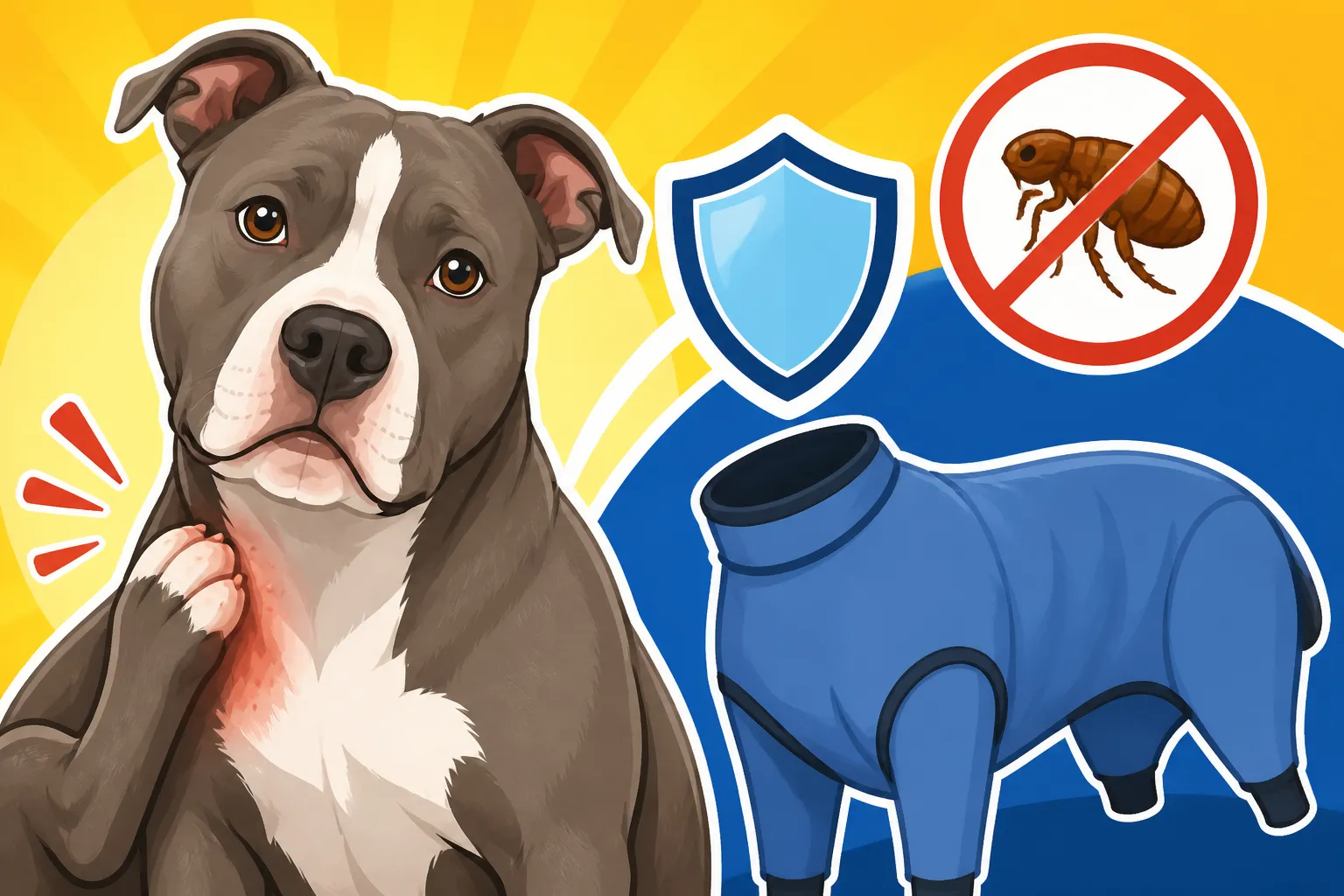
You might not even see a single flea on your dog, yet the symptoms of FAD can be glaringly obvious. The most tell-tale sign is intense itching, often concentrated around the tail base, inner thighs, groin, and abdomen. Your Pit Bull might incessantly lick their paws, leading to red, inflamed skin between their toes, a common issue for many allergic dogs, as discussed in our piece on Pit Bull Paw Licking and Chewing. You might notice hair loss in these areas, small red bumps, scabs, or even open sores from constant scratching and biting. Some Pit Bulls develop "hot spots"—acutely inflamed, painful skin lesions that appear almost overnight. These secondary skin changes can sometimes overshadow the primary flea problem, making it seem like a purely skin-deep issue if the underlying allergy isn't identified. It's crucial to look for these physical manifestations because the actual fleas themselves are often long gone after the bite, leaving only the allergic reaction behind.
The Cycle of Itch, Infection, and Misery
The relentless scratching and chewing that accompanies FAD does more than just remove hair; it breaks the skin barrier. These tiny wounds become open invitations for bacteria and yeast, which are naturally present on the skin, to proliferate and cause secondary infections. This creates a vicious cycle: the flea bite causes itching, the scratching causes infection, and the infection causes even more itching, inflammation, and discomfort. Soon, what started as a simple flea allergy can escalate into full-blown pyoderma or yeast dermatitis, requiring additional veterinary intervention with antibiotics or antifungals. Understanding this cascade is vital because treating only the fleas without addressing the secondary infections and the damaged skin barrier will never truly resolve your Pit Bull's suffering. Our article on Pit Bull Pyoderma and Antibiotic Courses delves deeper into managing these common secondary issues.
Choosing the Right Flea Prevention Strategy
For a Pit Bull with FAD, flea prevention isn't just a good idea; it's an absolute necessity, year-round and without fail. The goal is zero flea bites, which means a highly effective product that consistently kills fleas before they can even get a meal. This often means moving beyond basic over-the-counter options and consulting with your veterinarian for the most potent and appropriate solutions.
A Deep Dive into Prevention Options
The market is flooded with flea prevention products, each with its own method of delivery and active ingredients. Oral medications, given as a tasty chew, work systemically through your dog's bloodstream, killing fleas when they bite. They're often highly effective and can be a great choice for dogs who swim frequently or have skin sensitivities to topical treatments. Topical "spot-on" treatments are applied to the skin, typically between the shoulder blades, and spread across the skin's surface, killing fleas on contact or after they bite. They can be water-resistant but might irritate sensitive skin in some dogs. Flea collars, while convenient, are generally less effective for FAD dogs, as their active ingredients might not disperse thoroughly enough over the entire body to provide comprehensive protection, especially for a muscular Pit Bull. When choosing, consider where you shop; platforms like Chewy offer a wide array of prescription and non-prescription options, often with convenient delivery directly to your door, making it easier to maintain a consistent schedule. Ultimately, the best choice depends on your dog's individual needs, lifestyle, and your vet's recommendation.
The Importance of Prescription-Strength and Veterinary Guidance
When dealing with FAD, generic or over-the-counter flea products often fall short. They might kill some fleas, but not quickly enough or consistently enough to prevent the allergic reaction that even a single bite can trigger. This is where prescription-strength preventatives really shine. These products contain more potent, fast-acting ingredients designed to kill fleas rapidly, often within hours, significantly reducing the chance of an allergic bite. Your veterinarian is your most important ally in this battle. They can accurately diagnose FAD, rule out other conditions like Demodex Mange in a Pit Bull or other allergies, and prescribe the specific product that will be most effective and safest for your Pit Bull. They'll consider your dog's weight, age, health status, and any other medications they might be taking to ensure the best fit. Don't underestimate the value of this professional advice; it can save your Pit Bull from months of unnecessary suffering.
Factors to Consider When Selecting a Product
Choosing the right flea preventative isn't a one-size-fits-all situation, especially for an allergic Pit Bull. You'll need to think about several practical aspects. For instance, does your Pit Bull love to swim or get frequent baths? A topical treatment might wash off or become less effective, making an oral preventative a better choice. Do you have small children or other pets who might come into contact with a freshly applied topical treatment? Oral options eliminate this concern. Are there any known sensitivities or existing skin conditions that might react poorly to certain ingredients? Your vet can guide you away from products that could exacerbate existing issues, like Pit Bull Skin Allergies and the Atopy Pattern. The following table provides a quick overview of common flea prevention types and their general considerations for allergic Pit Bulls:
| Flea Prevention Type | Pros for Allergic Pit Bulls | Cons for Allergic Pit Bulls |
|---|---|---|
| Oral Chews | Highly effective, kills fleas rapidly (often within hours), not affected by bathing/swimming, no topical residue, good for sensitive skin | Requires ingestion, potential for gastrointestinal upset (rare), prescription needed |
| Topical Spot-Ons | Easy to apply, water-resistant (most), kills fleas on contact or after biting, can have repellent effect | May cause local skin irritation, risk to children/other pets if touched while wet, efficacy can be reduced by frequent bathing, prescription often needed |
| Flea Collars | Long-lasting (several months), relatively inexpensive, can deter ticks | Less effective for FAD (may not cover entire body), potential for skin irritation/chafing around neck, active ingredients may not be systemic enough to prevent all bites |
| Injectables | Extremely long-lasting (up to 12 months), no daily/monthly compliance needed, internal solution | Requires vet visit for administration, not all types cover fleas specifically, limited options, prescription needed |
Holistic Management: Beyond Just Killing Fleas
While a robust flea preventative is the cornerstone of managing FAD in your Pit Bull, true relief often requires a more comprehensive approach. You need to address fleas in their environment and provide comfort to your dog's irritated skin. Think of it as a multi-pronged attack to truly break the cycle of itching and inflammation.
Environmental Control: Declaring War on Fleas in Your Home
Fleas don't live on your dog; they just visit to feed. The vast majority of a flea's life cycle – eggs, larvae, and pupae – are found in your home environment, lurking in carpets, bedding, and cracks in the floorboards. This means that even with the best on-dog preventative, if your home isn't treated, your Pit Bull will continue to be exposed. Regular, thorough vacuuming is paramount, especially in areas where your dog rests. Be sure to immediately empty vacuum bags or canisters outside, as fleas can escape. Wash all pet bedding, blankets, and your own linens in hot water weekly. Consider using vet-recommended household flea sprays or foggers for persistent infestations, or even professional pest control in severe cases. Don't forget outdoor areas where your Pit Bull spends time; treating your yard can significantly reduce the flea population around your home. Remember, consistency in environmental control is just as important as consistency in administering your dog’s preventative.
Soothing the Skin and Breaking the Itch Cycle
While prevention aims to stop new bites, your Pit Bull's already irritated skin needs immediate relief. Regular bathing with a gentle, hypoallergenic shampoo can help remove allergens, soothe inflamed skin, and provide temporary comfort. For Pit Bulls with active FAD flares and secondary infections, your vet might prescribe medicated shampoos containing ingredients like chlorhexidine or miconazole to combat bacteria and yeast. It's crucial to follow the contact time instructions for these shampoos, often leaving them on for 5-10 minutes before rinsing thoroughly, as detailed in our guide on Medicated Baths for a Pit Bull With Atopy. Beyond full baths, a quick rinse with cool water after outdoor walks can also help remove environmental allergens, which can exacerbate existing skin irritation, as we explore in Rinsing Pollen Off a Pit Bull After Walks. Your vet might also suggest topical sprays, mousses, or wipes containing corticosteroids or antihistamines for localized relief, or even short courses of oral anti-itch medications during severe flare-ups.
Supporting Skin Health from the Inside Out
A healthy skin barrier is your Pit Bull's first line of defense against allergens and irritants. Supporting their skin health through diet and supplements can play a significant role in managing FAD. Many Pit Bulls with FAD also have other allergies, including food sensitivities. A high-quality diet with appropriate protein sources can strengthen the skin barrier and reduce overall inflammation. Sometimes, a limited ingredient diet or a novel protein diet is recommended to rule out food allergies. For those looking for fresh food options tailored to their dog's needs, companies like Ollie provide custom meal plans that can be a great way to ensure your Pit Bull is getting optimal nutrition, potentially reducing inflammatory responses. Additionally, omega-3 fatty acid supplements, like those found in fish oil, are fantastic for promoting healthy skin and a shiny coat, and can help reduce inflammation throughout the body. Our article on Omega Oils for Pit Bull Skin and Coat offers more insights into these beneficial supplements. Always consult your vet before introducing new supplements or making drastic dietary changes, especially if your Pit Bull is already on a special diet, such as a Limited Ingredient Food for a Pit Bull With Atopy.
The Long Game: Consistent Care and Financial Preparedness
Living with a Pit Bull that suffers from flea allergy dermatitis is a commitment to ongoing care. It's not a condition that resolves with a single course of treatment; it requires vigilance, consistency, and a realistic understanding of the potential financial implications. Thinking long-term about your Pit Bull's health will lead to a happier, more comfortable life for them.
Why Year-Round, Uninterrupted Flea Cover is Non-Negotiable
This is perhaps the most critical takeaway for any owner of an allergic Pit Bull: flea prevention must be year-round, without exception. Many owners mistakenly believe that flea season ends with the first frost, but fleas can survive and thrive indoors, especially in heated homes. A single missed dose, a late refill, or a forgotten application can allow just one flea bite to trigger a full-blown allergic reaction in your sensitive Pit Bull. This can send you right back to square one, dealing with intense itching, secondary infections, and veterinary visits. Consistent, monthly (or as prescribed) administration of your chosen preventative is the only way to ensure continuous protection and prevent the cascade of problems that even a minimal flea presence can cause. Think of it as a constant shield, always in place to protect your Pit Bull's delicate skin from the enemy's bite.
Partnering with Your Veterinarian for Chronic Care
Managing FAD effectively means building a strong, ongoing relationship with your veterinarian. This isn't just about annual check-ups; it's about continuous dialogue and adapting to your Pit Bull's needs. Your vet can monitor the effectiveness of your chosen flea control, assess for any secondary infections, and discuss new advancements in allergy management. They might suggest further diagnostics, like Pit Bull Skin Allergy Testing, to determine if other allergies are at play, or consider if "Whether a Pit Bull Allergy Ever Goes Away" is a question that applies to your specific dog. This partnership is crucial for fine-tuning treatment plans, ensuring that your Pit Bull remains as comfortable as possible throughout their life. Don't hesitate to reach out if you notice a return of symptoms or have concerns; early intervention can prevent major flare-ups.
Budgeting for an Allergic Pit Bull
The reality of managing chronic conditions like FAD is that it comes with recurring costs. Beyond the monthly flea preventatives, you might face expenses for medicated shampoos, supplements, prescription anti-itch medications during flare-ups, and potentially diagnostic tests or treatments for secondary infections. These costs can add up over time, impacting your overall budget for owning your Pit Bull, as highlighted in our article on What a Pit Bull Costs a Year With Allergies. This is where financial planning becomes essential. Many owners find value in pet insurance, which can help offset the unpredictable nature of veterinary bills. When looking into options, be sure to understand the coverage and any breed-specific exclusions, especially when it comes to Pit Bulls and pre-existing conditions. Providers like Healthy Paws often have different plans, so it's worth checking out their offerings and understanding how they handle chronic conditions and potential waiting periods. Being financially prepared for these ongoing needs ensures you can always provide the best care for your beloved Pit Bull without added stress during an emergency.
Disclaimer
This article is for general informational purposes only and does not constitute professional advice. Laws, prices and regulations vary by location and change over time. Consult a qualified professional for guidance on your specific situation.