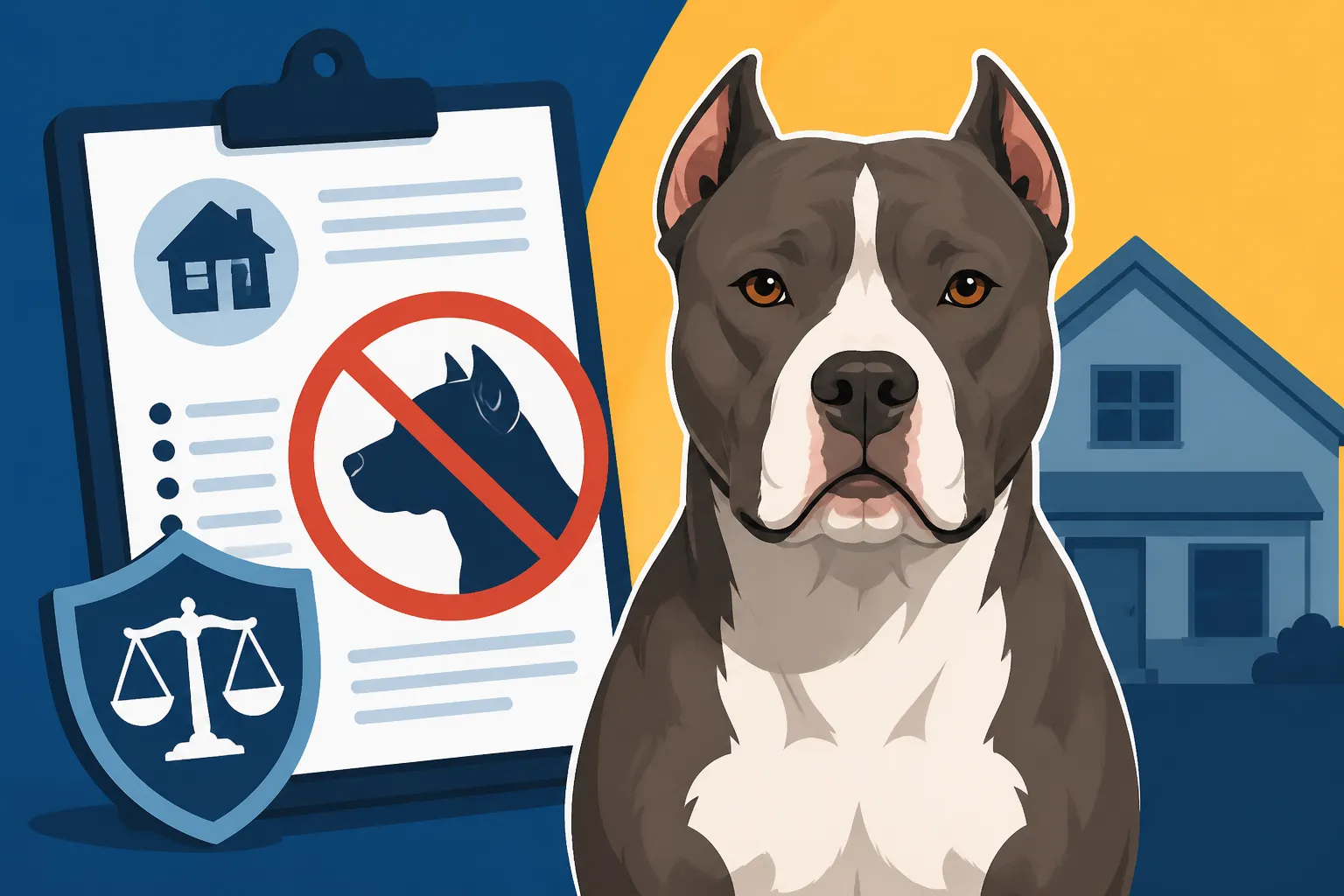
Lease Clauses That Name Pit Bull Type Dogs
The quest to find a rental home when you share your life with a Pit Bull type dog can often feel like an endless loop of frustration and disappointment. We've all been there: scrolling through what seems like the perfect apartment listing, only to read the dreaded words, "no aggressive breeds," or even more specifically, "Pit Bulls prohibited." It's disheartening and often feels incredibly unfair, especially when your beloved companion is nothing but a gentle, well-behaved member of your family. This guide aims to pull back the curtain on those challenging lease clauses that specifically name Pit Bull type dogs, helping you understand their origins, how to decipher them, and practical steps you can take to navigate this tricky landscape.
The Reality of Breed-Specific Rental Restrictions
It's an unfortunate truth that, despite mountains of evidence about individual dog temperaments and the fact that "Pit Bull" itself isn't a single breed, many landlords and property management companies cling to broad, breed-specific restrictions. For us Pit Bull owners, this means facing an uphill battle before we even get a foot in the door. These policies aren't usually rooted in personal bias against your dog; they often stem from larger forces like insurance company mandates or simply a blanket attempt to mitigate perceived risks. The real head-scratcher is that the term "Pit Bull" can refer to American Pit Bull Terriers, American Staffordshire Terriers, Staffordshire Bull Terriers, and countless mixed breeds that just happen to share certain physical characteristics. This ambiguity complicates everything, adding stress to an already competitive housing market.
When you're sifting through potential homes, you'll frequently stumble upon lease clauses that explicitly list "Pit Bulls," alongside other breeds commonly flagged by insurers such as Rottweilers or Dobermans. Sometimes, the language is a bit more nebulous, referring to "aggressive breeds" or "bully breeds," which leaves a lot of room for interpretation by the landlord. This means your sweet, couch-potato Pit Bull type dog might be visually identified as problematic, regardless of their actual calm disposition or verified lineage. It's a painfully common scenario where an otherwise wonderful, well-trained dog is unfairly judged purely on its appearance.
Why Landlords Use Breed Clauses
The primary reasons behind breed-specific clauses in rental agreements almost always circle back to liability and insurance. Property owners and managers face substantial hurdles when trying to secure or maintain their homeowner's or general liability insurance. Many major insurance providers maintain lists of "dangerous dog breeds," and if a property owner has a tenant with a dog on that list, their premiums can skyrocket, or they might even find their coverage denied outright. This isn't usually about landlords having a personal vendetta against dogs; it's a cold, hard financial decision often imposed upon them by the insurance industry.
Beyond the insurance aspect, some landlords genuinely believe these restrictions reduce their risk of property damage or potential incidents, however unsupported those fears may be concerning specific breeds. They might have had a negative experience in the past, or simply be reacting to widespread public perception and media narratives. Understanding this underlying motivation, while deeply frustrating, can sometimes help you strategize your approach if you decide to try and convince a landlord to make an exception. However, it's crucial to remember that their main concern is protecting their investment and their business, which often means adhering strictly to policies, even if those policies feel discriminatory.
Decoding Lease Language Naming Pit Bull Type Dogs
When you finally get your hands on a lease agreement, it is absolutely critical that you read every single word, especially the sections pertaining to pets. Do not just skim! A clause might not explicitly state "no Pit Bulls," but instead use language that indirectly excludes them. For instance, it could impose a maximum weight limit, like "dogs over 40 pounds not permitted," which could inadvertently rule out many adult Pit Bull type dogs without ever naming the breed. Or it might broadly list "aggressive breeds" without providing a clear, objective definition, thereby leaving the decision solely to the landlord's discretion. This vagueness is a massive red flag, as it essentially grants the landlord significant power to interpret the rule against you if they choose.
Pay meticulous attention to any phrases like "breed restrictions," "prohibited breeds," or "breeds requiring prior approval." Sometimes, a lease will simply state that "all pets must be approved by management," and the list of prohibited breeds might only be revealed in an addendum or a separate pet policy document. It is your responsibility to proactively ask for all relevant pet policies upfront, not just the main lease. It’s also worth noting that, on rare occasions, clauses might specify that certain breeds are allowed if they meet specific training requirements, such as possessing a Canine Good Citizen certification. While uncommon, finding such a clause could provide a valuable pathway for responsible owners. For more insight, you might want to review Landlord Breed Clauses Naming Pit Bulls.
Common Pitfalls and Ambiguities
One of the most significant challenges Pit Bull owners face when dealing with lease clauses is the subjective nature of breed identification. What one landlord immediately labels a "Pit Bull," another might not. This often boils down to visual identification, which, as numerous studies have demonstrated, is notoriously inaccurate. Your beloved mixed-breed dog, which might be primarily Labrador and Boxer according to a genetic test, could easily be lumped into the "Pit Bull type" category by an untrained eye simply due to its head shape or muscular build. This is precisely where solid documentation, like a DNA test, can become your strongest ally. A DNA Panel Worth Running on a Rescue Pit Bull can sometimes clarify your dog's actual genetic makeup.
Some leases also contain clauses that are frustratingly vague about who is responsible for determining the breed. Is it the landlord, a licensed veterinarian, or reference to a specific breed registry? Clarifying this point upfront can potentially save a lot of heartache and dispute later on. Furthermore, some agreements stipulate that the landlord reserves the right to change pet policies with reasonable notice. This means a dog that was once perfectly allowed could suddenly become prohibited during your tenancy, creating an incredibly difficult and stressful situation. Always ensure you thoroughly understand the terms regarding modifications to the pet policy during your lease term.
Strategies for Navigating Breed Restrictions
While facing breed restrictions can feel like trying to climb an insurmountable mountain, there are indeed strategies you can employ to significantly increase your chances of securing a rental. It demands persistence, meticulous preparation, and the ability to present yourself and your dog as the responsible, exemplary tenants you are. Remember, a polite, well-documented, and proactive approach often yields far better results than an argumentative one.
Preparation and Documentation
The absolute cornerstone of success in this endeavor often lies in proactive and thorough preparation. Before you even begin seriously looking at listings, assemble a comprehensive "pet resume" for your Pit Bull. This vital document should ideally include:
- Veterinary records: Proof of up-to-date vaccinations, current spay/neuter status, and a history of regular veterinary check-ups.
- Training certificates: If your dog has completed any obedience classes, private training, or, even better, has earned a Canine Good Citizen Testing With a Pit Bull title, definitely include copies of these. Such certifications powerfully demonstrate your commitment to responsible ownership and your dog's good manners.
- Letters of recommendation: A positive letter from a previous landlord (if applicable), your veterinarian, or even a professional dog trainer vouching for your dog's temperament, behavior, and your responsible care can be incredibly impactful.
- High-quality photos: Include several appealing photos of your dog looking friendly, calm, and clearly well-cared for. A picture truly can speak a thousand words in this context.
- Detailed description: A concise, positive, and honest description of your dog's personality, typical daily habits, and overall disposition (e.g., "Enjoys two long walks daily, loves to cuddle, and is a quiet sleeper who respects personal space").
- Pet Insurance: Providing proof of pet insurance, especially from a reputable provider like Healthy Paws, demonstrates immense financial responsibility and preparedness for any unforeseen medical costs. This can significantly alleviate a landlord's concerns about potential vet bills.
- Proof of Responsible Care: If your dog benefits from a specialized diet, perhaps from a fresh food delivery service like Ollie, mention your commitment to their health and well-being. This reinforces that you are a dedicated and attentive pet parent.
In specific scenarios, particularly if your dog is a mix, a DNA test could serve as a valuable tool to legally substantiate that they are not predominantly a "Pit Bull type" as subjectively defined by a landlord's visual assessment. While not a guaranteed solution (as some landlords might still adhere to visual cues), it can be a powerful piece of factual evidence. For further reading on this topic, consider Whether a DNA Test Settles the Pit Bull Question.
Engaging with Landlords and Property Managers
When you pinpoint a promising rental, your first instinct might be to tread lightly, but honestly is the best policy. Be completely upfront and transparent about your dog from the very beginning. Approach the landlord or property manager directly and calmly explain your situation. Immediately offer to provide your meticulously prepared comprehensive pet resume. If they initially express concerns or state strict no-Pit Bull policies, politely inquire if there's any flexibility, or if exceptions are ever made for well-trained, thoroughly documented dogs. You might discover that a private landlord is often more willing to consider individual circumstances and make exceptions than a large corporate complex that is rigidly bound by company-wide rules.
Offer to arrange a brief meeting with the landlord and your dog (always on leash and with exemplary manners, of course) so they can witness firsthand how well-behaved, friendly, and calm your companion truly is. This personal interaction can often dissolve preconceived notions. You could also propose a higher pet deposit or agree to a reasonable "pet rent" to help cover any perceived additional risk, demonstrating your seriousness about being an incredibly responsible tenant. Sometimes, even when facing explicit bans, a personal connection, coupled with a strong showing of responsibility and preparedness, can genuinely make all the difference. Remember, acquiring Renters Insurance That Accepts a Pit Bull can also be a powerful offering, demonstrating that you are proactively covered for potential liabilities.
Understanding Your Rights and Fair Housing
It’s equally important for you to be aware of your fundamental rights, especially if your Pit Bull is a legitimate assistance animal (whether a service dog or an emotional support animal). Under the federal Fair Housing Act, landlords are generally mandated to make reasonable accommodations for assistance animals, regardless of any existing breed or weight restrictions, precisely because these animals are not considered "pets." However, there's a specific and rigorous process for this, which includes providing proper, credible documentation from a licensed medical or mental health professional. It is absolutely crucial never to misrepresent your pet as an assistance animal if they do not genuinely qualify, as doing so can lead to severe legal consequences.
Furthermore, it's worth noting that some states are actively enacting or have already enacted laws that specifically prohibit insurance companies from discriminating based on dog breed. This progressive legislation, in turn, can significantly reduce the pressure on landlords to impose such blanket breed bans. Knowing the specifics of the laws in your state or municipality can provide you with considerable leverage and confidence in discussions with potential landlords. Understanding the nuances of these critical laws, such as States Where Insurers Cannot Ask About a Pit Bull, can be incredibly beneficial to your housing search.
What Happens if You Don't Disclose Your Pit Bull
It might be incredibly tempting to try and "sneak in" your Pit Bull if you stumble upon a rental that seems otherwise perfect but has a strict breed restriction. However, this is an incredibly risky gamble that almost invariably ends in disaster and can have severe, long-lasting repercussions for both you and your beloved dog. Landlords typically have very clear clauses in their leases that grant them the authority to terminate your tenancy, impose heavy financial fines, or even initiate eviction proceedings for undisclosed pets or any violation of their established pet policies.
Legal and Financial Repercussions
Should your landlord discover an unauthorized Pit Bull residing in their property, they are well within their rights to issue a "notice to cure or quit." This means you would be given a very short, specified window of time to either remove the dog from the premises or face immediate eviction. An eviction not only results in the devastating loss of your home but also creates a permanent black mark on your rental history, making it exponentially more challenging to secure housing in the future. Furthermore, you could be held responsible for substantial fines, often accumulating hundreds of dollars per day for each day the animal was undisclosed. This severe financial strain, combined with the immense stress and difficulty of finding new housing under duress, is rarely, if ever, worth the initial risk.
Moreover, if your dog were to be involved in any incident—even something seemingly minor, like escaping the yard or scratching a door—and your landlord was completely unaware of its presence or breed, you could be held entirely liable for any and all damages. This liability could potentially be without the backing of your renters insurance, especially if your policy includes a breed exclusion or if the dog was an undisclosed liability. This immense risk alone should be enough to deter the vast majority of responsible pet owners. It is always, unequivocally, better to be transparent and proactively address any challenges upfront rather than face the severe, cascading consequences of non-disclosure.
Impact on Your Dog and Your Peace of Mind
Beyond the daunting legal and financial implications, living in a constant state of fear and anxiety over potential discovery is incredibly stressful for both you and your Pit Bull. Your dog is highly attuned to your emotions and might pick up on your underlying anxiety, which could, in turn, negatively affect their behavior and overall well-being. You might feel perpetually restricted in taking your dog out for walks, constantly worried that a neighbor could report you. This kind of environment is neither fair nor healthy for either of you. You both deserve a home where you and your cherished companion can live openly, comfortably, and without the constant burden of worry.
Consider the long-term ramifications. If you are caught, not only could you lose your current home, but your landlord is highly likely to provide a negative reference to prospective landlords, making your future housing search an even more arduous and disheartening experience. This is a genuinely challenging situation for many, but it absolutely demands honesty, integrity, and diligence. While it is profoundly frustrating that certain breeds are unfairly targeted, respecting the terms of a legal lease agreement is paramount for your personal security and, most importantly, for your dog's long-term well-being. Always make sure you purchase your dog's food and essential supplies openly, whether from a local pet store or conveniently online via a service like Chewy, ensuring that you are never trying to conceal any aspect of your pet's presence or care.
| Action | Do's | Don'ts |
|---|---|---|
| Before Applying | Read all pet policies and addendums thoroughly. | Assume "pets allowed" automatically includes your Pit Bull. |
| Prepare a detailed "pet resume" with vet records, training, and photos. | Hide your dog's breed or plan to secretly bring them in. | |
| Research local and state fair housing laws, especially for assistance animals. | Misrepresent your pet as a service or emotional support animal if they don't qualify. | |
| During Application | Be upfront and honest about your dog's breed, size, and temperament. | Lie on the application or omit crucial information about your dog. |
| Offer to provide additional documentation (references, insurance proof). | Argue or become defensive if policies are strict; maintain politeness. | |
| Offer a supervised meeting with your well-behaved dog and the landlord. | Wait for the landlord to discover your dog; address it proactively. | |
| After Approval | Obtain renters insurance that explicitly covers your specific breed. | Ignore lease clauses or assume they won't be enforced consistently. |
| Meticulously follow all pet rules (leash laws, waste cleanup, noise). | Allow your dog to create problems that attract unwanted attention. |
Finding a Pet-Friendly Home
While the challenges of breed restrictions are undeniably real and can feel overwhelming, please do not give up hope. There are indeed many landlords and property management companies out there who are genuinely pet-friendly, and some are even open-minded towards Pit Bull type dogs. Often, these are private property owners who assess potential tenants and their pets on a case-by-case basis, rather than blindly adhering to restrictive, blanket breed bans. Focusing your search specifically on these types of rentals can significantly improve your chances of success.
Make strategic use of online search filters on popular rental websites, explicitly looking for "dog-friendly" or "pets allowed" listings. However, always remember that "pets allowed" does not automatically translate to all breeds being welcome, so always follow up with a direct, clear inquiry about their specific pet policies. Consider reaching out to local pet-friendly housing resources or Pit Bull specific rescue organizations in your area; they often maintain valuable networks of known pet-friendly landlords or communities. It might indeed take more time, and you might need to expand your search area more than anticipated, but finding the absolute right, welcoming home for both you and your Pit Bull is unquestionably worth the additional effort. For a broader perspective on your search, you can refer to Finding a Rental That Takes a Pit Bull.
Disclaimer
The information provided in this article is for general informational purposes only and is not intended to be a substitute for professional legal advice. Landlord-tenant laws and breed-specific legislation are complex and can vary significantly by state, county, and municipality. Therefore, you should always consult with a qualified legal professional or a housing advocate who is intimately familiar with your local laws for advice tailored to your specific situation and circumstances.