Finding a Rental That Takes a Pit Bull
Finding a rental that welcomes your beloved Pit Bull can feel like an uphill battle, especially with so many places imposing blanket breed restrictions. It’s frustrating when your well-behaved, loving companion is unfairly judged simply because of outdated stereotypes. This guide is here to walk you through the complex world of renting with a Pit Bull, offering practical strategies and a roadmap to help you secure a safe and happy home for both of you.
Understanding Breed Restrictions in Rental Properties
Let's face it, the moment you mention "Pit Bull" to some landlords or property managers, you can almost hear the shutters coming down. It's a tough reality many of us face, and it stems from a combination of factors that have little to do with your individual dog's temperament.
The Reality of Breed-Specific Legislation and Policies
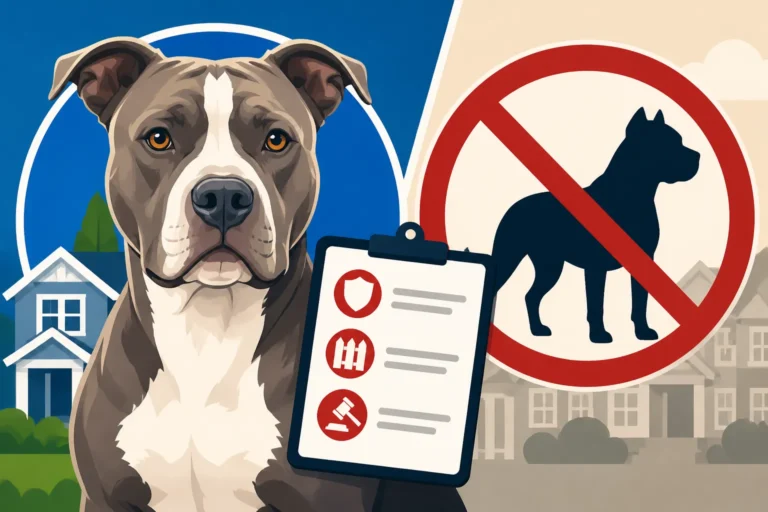
It’s easy to feel singled out, and frankly, you often are. Breed-specific legislation (BSL) at a city or county level, though thankfully declining in many areas, still exists and can outright ban certain breeds, including Pit Bulls, from residing within those limits. But beyond government-imposed bans, many rental properties have their own internal policies that restrict certain breeds. These policies are often driven by their insurance providers. A landlord might be perfectly fine with your dog, but their homeowners insurance carrier might classify Pit Bulls (and Rottweilers, German Shepherds, Dobermans, etc.) as "high-risk" breeds, leading to increased premiums or even policy cancellation if they allow one on the property. This puts landlords in a tough spot, and unfortunately, their financial interests often win out. It's not personal, but it certainly feels that way when you're apartment hunting. It's vital to research if Where Pit Bull Legislation Still Applies in your desired location before you even start looking.
Common Pit Bull Labeling in Rental Agreements
One of the most maddening aspects of this whole situation is the broad and often inaccurate labeling of dogs as "Pit Bulls." What exactly is a Pit Bull? For many landlords and insurance companies, it’s not a specific breed like an American Pit Bull Terrier or an American Staffordshire Terrier. Instead, it’s a catch-all term for any dog with a blocky head, muscular build, and short coat – meaning countless mixed-breed dogs get unfairly lumped into this category. You might have a Boxer mix, a Labrador mix, or even a dog with very little Pit Bull DNA, but if it looks the part, you're often facing the same restrictions. This ambiguity means that even if your dog isn't a "purebred" Pit Bull, it can still be denied simply because of its appearance. Understanding How a City Decides a Dog Is a Pit Bull can shed light on this frustrating subjectivity, which landlords often adopt without further question.
The Impact of Homeowners Insurance on Landlords
As mentioned, a huge driver behind breed restrictions is the landlord's homeowners insurance policy. Many insurance companies have specific "dangerous dog" lists, and Pit Bulls frequently top them. If a landlord allows a restricted breed, they might face significantly higher premiums, be forced to switch to a specialty (and more expensive) insurer, or even lose coverage altogether. This risk makes many landlords understandably hesitant. While it's unfair to you and your well-behaved dog, from their perspective, they're protecting their investment. This is why some landlords might be perfectly kind and dog-loving, but still have their hands tied. It's a systemic problem, not usually a personal one directed at you. Researching Homeowners Carriers That Refuse Pit Bulls can give you an idea of the landscape they're navigating.
Strategies Before You Start Your Search
Before you dive headfirst into endless online listings, taking some preparatory steps can significantly improve your chances. Think of it as building your Pit Bull's resume!
Know Your Local Laws and Fair Housing Rights
Before you even start looking, become an expert on the local landscape. Check the municipal and county ordinances for any lingering breed-specific legislation (BSL) in the areas you're considering. While BSL is becoming less common, it's still a real hurdle in some places. Beyond that, familiarize yourself with fair housing laws. While breed restrictions are generally legal for standard pets, there are exceptions for service animals and, in many cases, legitimate emotional support animals. Understand the legal distinctions and protections offered by the Fair Housing Act. Also, some states have progressive laws that prohibit insurance companies from using breed as the sole factor in determining coverage, which could indirectly help landlords. Knowing States That Bar Insurers From Refusing a Pit Bull could mean opening up more options for you. Always be honest about your dog, but be equipped with the knowledge of your rights.
Gathering Documentation for Your Pit Bull
This is where you build your dog's "A-team" portfolio. Prepare a comprehensive "pet resume" that makes your Pit Bull shine. Include:
- Veterinary Records: Up-to-date vaccination history, spay/neuter certificates, and proof of regular parasite prevention. This shows proactive health care.
- Training Certificates: Did your Pit Bull ace obedience classes? Get a Canine Good Citizen (CGC) title? These are gold! A dog with a CGC proves they've mastered basic obedience and good manners. Showing documentation of Canine Good Citizen Testing With a Pit Bull can hugely impress a landlord.
- Behavioral References: If you have a dog walker, trainer, or even a previous landlord who can vouch for your dog's excellent behavior, get their contact information or a written letter.
- Photos: Include a couple of clear, happy photos of your dog – not intimidating ones, but ones that show their friendly, well-adjusted nature.
- A Personal Letter: Write a heartfelt letter introducing your dog, detailing their routine, good habits, and how you manage them responsibly. For example, explain that they love their daily walks and puzzle toys and are crate-trained.
- Proof of Insurance: If you've already secured personal liability insurance that covers your dog (even if the landlord doesn't require it), this is a massive advantage. It shows you're taking extra steps to be a responsible owner.
Having all this ready to go streamlines the application process and immediately presents your Pit Bull in the best possible light.
Networking and Personal Referrals
Sometimes, the best opportunities don't come from Zillow; they come from word-of-mouth. Tap into your network! Talk to other Pit Bull owners in your current community or the community you plan to move to. Local Pit Bull rescue groups, breed advocacy organizations, and even your current vet might have leads on Pit Bull-friendly landlords or property managers. Ask around at dog parks (if your dog is well-socialized and enjoys them), local pet stores, and even online community groups. A personal referral or a landlord who has had positive experiences with Pit Bulls in the past is invaluable. Sometimes, an individual landlord who isn't bound by corporate policies might be more open to meeting your dog and making a decision based on temperament rather than breed alone.
Navigating the Rental Application Process
Once you've done your homework, it's time to hit the pavement (or the internet). This stage requires a strategic approach and a thick skin.
Targeting "Pet-Friendly" Versus "Breed-Friendly" Listings
This is a critical distinction. Many listings boast being "pet-friendly," but when you dig into the fine print, you'll often find weight limits, size restrictions, and almost always, a list of prohibited breeds. These are not truly "breed-friendly" for Pit Bulls. Instead, you need to actively seek out listings that explicitly state "no breed restrictions," "all breeds welcome," or simply "pets considered on a case-by-case basis." These are your golden tickets. Don't waste your time (and heartache) applying to places that clearly state no Pit Bulls. It's often non-negotiable, and you'll just be setting yourself up for disappointment. Pay close attention to the language used. Some Apartment Complexes That Ban Pit Bulls Outright are very clear, so you'll know to move on quickly.
Direct Communication with Landlords and Property Managers
Once you find a promising lead, be upfront and honest from the very first contact. Don't try to hide your Pit Bull or downplay their breed. Transparency builds trust. When you call or email, immediately mention you have a Pit Bull and state your interest in their property. Then, pivot quickly to highlight your dog's excellent qualities and your responsible ownership. For example: "I saw your listing for X address and I'm very interested. I own a well-trained, 3-year-old Pit Bull named Buster who has his Canine Good Citizen title. I've compiled a pet resume with his vet records and training certificates I'd be happy to share." This approach frames the conversation around your dog's individual merits, not just their breed label. Be prepared to answer questions and offer to introduce your dog. Some landlords might be willing to meet your dog in person to assess their demeanor.
Understanding Pet Deposits, Fees, and Rents
Let's talk money, because it's almost always a factor. Many pet-friendly rentals, even those without breed restrictions, will require:
- Pet Deposit: A one-time refundable deposit, similar to a security deposit, meant to cover any potential damage caused by the pet.
- Non-Refundable Pet Fee: A one-time, non-refundable fee. This is often just an extra charge for having a pet.
- Monthly Pet Rent: An additional monthly charge on top of your regular rent for having a pet. This can range from $25 to $100 or more per month.
Be prepared for these extra costs. Sometimes, demonstrating that you are willing and able to pay these fees can make a landlord more open to considering your Pit Bull. While it stings to pay extra, view it as an investment in securing housing for your family member. Knowing the typical Monthly Pet Rent Charged for a Pit Bull can help you budget accordingly. In some cases, if you have a genuinely exceptional tenant profile (great credit, stable job), a landlord might be willing to waive or reduce some of these fees, but don't count on it.
Presenting Your Pit Bull Positively
Your Pit Bull's personality and your dedication as an owner are your strongest assets. Leverage them effectively during your search.
Highlighting Training and Temperament
This cannot be stressed enough: a well-trained Pit Bull is your absolute best advocate. If your dog knows basic commands like sit, stay, down, and has good leash manners, you need to highlight this. Mentioning formal training classes or certifications like the Canine Good Citizen (CGC) program, or even advanced obedience, tells a landlord that your dog is manageable and that you are a responsible owner who invests in their behavior. Imagine being able to tell a landlord, "My Pit Bull, Luna, knows Teaching a Pit Bull to Sit Before Every Door and will wait patiently before entering or exiting." This instantly paints a picture of a controlled, well-mannered dog, rather than a wild, unpredictable one. If your dog is crate trained, mention that too, as it reassures landlords about potential unsupervised destructive behavior.
Providing References from Previous Landlords or Vets
A positive reference from a previous landlord can be incredibly powerful. If your Pit Bull resided with you in a prior rental without incident, ask that landlord for a letter of recommendation or if they'd be willing to take a phone call. A reference stating your dog caused no damage, was quiet, and that you were a responsible tenant who always cleaned up after your pet is gold. Similarly, your veterinarian can provide a reference testifying to your dog's good health, regular check-ups, and even their calm demeanor during visits. These objective third-party endorsements carry significant weight and can help alleviate a landlord's concerns.
Showcasing Responsible Ownership Practices
Responsible ownership goes beyond just a well-behaved dog; it's about your entire approach to pet care. Emphasize your commitment to your Pit Bull's well-being and how that translates to being a considerate tenant. This includes:
- Veterinary Care: Regular check-ups, vaccinations, and proactive health management. Proof of Year-Round Parasite Cover for a Pit Bull shows you're preventing common issues.
- Exercise Routine: Explain how you keep your Pit Bull physically and mentally stimulated, preventing boredom and destructive behavior. Mentioning daily walks, trips to the dog park (if appropriate), or engaging play keeps them happy and tired.
- Waste Management: Assure the landlord you always pick up after your dog and maintain cleanliness in common areas.
- Grooming & Hygiene: Discuss regular bathing and grooming to keep them clean and healthy.
- Supplies & Management: Mention you provide high-quality food, like options from Ollie, and durable chew toys from reputable retailers like Chewy to prevent destructive chewing. Show that you have a plan for all aspects of your dog's care.
These details paint a picture of an owner who takes their responsibilities seriously, reassuring a landlord that their property will be in good hands.
Legal Protections and Advocacy for Pit Bull Owners
While breed restrictions can feel insurmountable, there are legal avenues and advocacy efforts that can provide support or even overturn these bans.
Service Animals and Emotional Support Animals
It’s crucial to understand the very real differences between service animals and emotional support animals (ESAs), and the legal protections they offer.
- Service Animals: These dogs are individually trained to perform tasks for people with disabilities. They are not pets; they are working animals, and under the Americans with Disabilities Act (ADA) and the Fair Housing Act (FHA), breed restrictions do not apply to them. A landlord cannot deny housing to a service animal based on breed.
- Emotional Support Animals (ESAs): ESAs provide therapeutic benefits to their owners through companionship, mitigating symptoms of a disability. While they don't require specific task training like service animals, they are covered under the Fair Housing Act. This means that landlords must make a "reasonable accommodation" for an ESA, waiving pet policies, including breed restrictions and pet fees, if the animal is necessary for the individual's disability.
A critical word of caution: Do not misrepresent your pet as a service animal or ESA if they are not. This practice is unethical, illegal, and harms legitimate assistance animal users by eroding trust and making it harder for them to gain acceptance. If you genuinely have a disability and your Pit Bull provides essential emotional support as prescribed by a licensed mental health professional, then you may have a valid claim. Seek professional guidance to ensure you follow all legal requirements correctly.
Local and State Laws Protecting Responsible Owners
The tide is slowly turning in some areas. A growing number of states and municipalities are enacting laws that limit or prohibit breed-specific restrictions, particularly those imposed by insurance companies. These laws recognize that a dog's behavior is individual, not breed-dependent. For example, some states explicitly prohibit insurance companies from denying homeowners policies or increasing premiums based solely on a dog's breed. This directly impacts landlords, making it easier for them to allow all breeds without financial penalty. Checking for specific state protections like States That Bar Insurers From Refusing a Pit Bull can reveal opportunities that wouldn't exist elsewhere. Always research current laws in your specific area, as this landscape can change.
Advocacy Groups and Resources
You are not alone in this fight! Numerous national and local organizations are dedicated to advocating for Pit Bulls and fighting against breed discrimination. Groups like the ASPCA, Best Friends Animal Society, and local Pit Bull-specific rescues often have resources, legal advice, and lists of Pit Bull-friendly housing. They can provide guidance on navigating rental agreements, understanding your rights, and sometimes even connect you with landlords who are open to these breeds. Connecting with these groups can be a game-changer, offering both practical help and much-needed emotional support during a challenging search.
When All Else Fails: Creative Solutions and Resources
If you've hit brick walls with traditional rentals, it's time to think outside the box. Don't give up hope!
Considering Individual Landlords Versus Corporate Complexes
This is a key distinction. Large apartment complexes and corporate property management companies often have rigid, non-negotiable pet policies dictated by their legal departments and insurance providers. There's usually very little room for negotiation, and their rules are applied uniformly. Individual landlords, on the other hand, especially those who own just one or a few properties, tend to be far more flexible. They often make decisions based on their personal assessment of you and your dog. An individual landlord might be willing to meet your Pit Bull, see their calm demeanor, and decide based on temperament rather than a blanket breed label. Focus your search on single-owner homes, duplexes, or small multi-unit properties where you can speak directly with the owner.
Long-Term Stay Hotels or Short-Term Rentals
If you're facing an immediate housing crunch or need a temporary solution while continuing your search, long-term stay hotels or short-term vacation rentals (like those found on Airbnb or VRBO) can be a lifeline. Many of these accommodations are much more lenient with pet policies, often only requiring an extra fee. They might not be ideal for a permanent home, but they can buy you valuable time. Be upfront about your Pit Bull when booking, and always be a model guest – keep your dog quiet, clean up meticulously, and prevent any damage. Your good behavior could lead to extended stays or even referrals.
Leveraging Online Resources and Specialized Pet-Friendly Locators
While mainstream rental sites can be frustrating, several platforms specialize in pet-friendly rentals. Websites like Zumper, Apartments.com, and others often have filters specifically for "dogs allowed," and some even allow you to filter by breed (though Pit Bulls may still be excluded by some landlords). Beyond that, niche websites and Facebook groups dedicated to "Pit Bull friendly housing" or "no breed restriction rentals" can be invaluable. These communities are often curated by other Pit Bull owners who understand the struggle and share leads. You might also find success with local real estate agents who specialize in pet-friendly housing; they often have insider knowledge of properties and landlords who are more accommodating.
Financial Considerations and Insurance for Pit Bull Owners
Being a responsible Pit Bull owner comes with financial responsibilities, especially when it comes to housing and healthcare. Understanding these costs is crucial.
The Cost of "Pet-Friendly" Housing
We've touched on pet deposits, fees, and monthly pet rent, but it's worth reiterating how quickly these can add up. A typical scenario might look like:
- Pet Deposit: $200 – $500 (often refundable)
- Non-Refundable Pet Fee: $100 – $300
- Monthly Pet Rent: $25 – $100+
Over a year, that monthly pet rent alone can be an extra $300-$1200. These costs are on top of your standard rent, utilities, and other pet expenses like food, toys, and vet care. It's a significant financial commitment, but it's part of ensuring your Pit Bull has a home. Budgeting for these fees from the outset is important. Don't forget the initial costs involved in getting your Pit Bull settled, including adoption or purchase fees, which can vary widely. If you're considering a new addition, understanding What a Pit Bull Costs to Adopt or Buy will help you plan your initial outlay.
Here's a quick look at how pet fees can vary:
| Rental Type | Typical Pet Deposit (One-time, often refundable) | Typical Non-Refundable Pet Fee (One-time) | Typical Monthly Pet Rent | Likelihood of Breed Restriction |
|---|---|---|---|---|
| Large Apt. Complex | $200 – $500 | $200 – $400 | $50 – $100+ | High |
| Small Priv. Landlord | $100 – $300 | $0 – $200 | $25 – $75 | Moderate (more flexible) |
| Duplex/Single Home | $200 – $500 | $0 – $300 | $25 – $75 | Low (individual decision) |
Liability Insurance and Pit Bulls
Even if your landlord doesn't require it, obtaining your own personal liability insurance that covers your Pit Bull is a highly recommended step for responsible ownership. This type of insurance protects you financially in the event your dog causes property damage or injures someone. While many standard homeowners or renters insurance policies might exclude certain breeds, there are specialty insurance providers who offer canine liability policies for all breeds. Companies like State Farm, USAA, and Amica are often cited as being more lenient with breed restrictions on their standard policies, but it's crucial to confirm directly. The peace of mind this insurance provides, knowing you're financially protected, is invaluable. While Healthy Paws focuses on pet health insurance, which covers vet bills, responsible owners also factor in liability. A comprehensive plan for your Pit Bull’s well-being includes both health and liability coverage. Thinking ahead about Pit Bull Pet Insurance and Breed Exclusions is a smart move for all Pit Bull owners.
Budgeting for Unexpected Pet Expenses
Beyond rent and routine care, responsible Pit Bull ownership means budgeting for the unexpected. Emergency vet visits, unforeseen medical conditions, or even specialized training if behavioral issues arise, can be costly. Having an emergency fund specifically for your pet, or investing in pet health insurance, can soften the blow. Products from Chewy, like quality food and durable toys, can help keep your Pit Bull healthy and engaged, preventing some issues, but unexpected costs are still a reality. Consider a high-quality fresh food like Ollie to ensure optimal health and potentially reduce vet visits for diet-related issues. Remember, a healthy, happy dog is less likely to cause problems that lead to landlord complaints or expensive repairs.
Life After Finding a Pit Bull-Friendly Rental
Congratulations! You've found your new home. Now the real work begins: maintaining that trust and ensuring a smooth living experience for everyone.
Maintaining a Good Relationship with Your Landlord
Once you've secured a Pit Bull-friendly rental, your primary goal is to be an exemplary tenant, both for yourself and for the sake of other Pit Bull owners who may follow.
- Open Communication: Keep lines of communication open. If there's ever a minor issue, address it immediately with your landlord. Don't let small problems fester.
- Property Upkeep: Ensure your unit is clean and well-maintained. If your dog causes any accidental damage, report it promptly and offer to fix it or cover the cost.
- Pet Waste: Always, without exception, pick up after your dog. This is a non-negotiable aspect of responsible pet ownership and a common source of neighbor complaints.
- Noise Control: Be mindful of excessive barking, especially if your dog is prone to it when left alone. Address nuisance barking proactively to avoid disturbing neighbors.
By being a fantastic tenant, you not only secure your own housing but also build goodwill for other Pit Bull owners in the future. Your positive experience can pave the way for others.
Ensuring Your Pit Bull is a Good Neighbor
Your Pit Bull's behavior directly impacts your living situation and your relationship with those around you. Being proactive about good neighborliness is key.
- Leash Manners: Always keep your Pit Bull on a leash in common areas, and ensure they have impeccable Pit Bull Leash Manners and Physical Strength. A strong, pulling dog can be intimidating, regardless of breed.
- Controlled Greetings: Work on polite greetings with people and other dogs. Not everyone is comfortable with dogs, especially larger, muscular breeds. Teach your Pit Bull to sit calmly or stay by your side when others pass by.
- Waste Management (Again): This can’t be emphasized enough. Carry bags, use them, and dispose of waste properly.
- Respect Common Areas: Don't let your Pit Bull dig in shared gardens or relieve themselves in inappropriate spots. Keep them off furniture in common lobbies or recreation areas.
- Minimize Barking: If your Pit Bull is a barker, work on training to reduce excessive barking. Use positive reinforcement and enrichment to keep them stimulated and prevent boredom barking when you're away.
Remember, every positive interaction your Pit Bull has with a neighbor helps chip away at negative stereotypes. You are an ambassador for the breed.
Planning for Future Moves
Even if you love your current rental, life happens, and you might need to move again someday. Keep all your documentation updated and readily available. Continuously work on your Pit Bull’s training and manners. A long history of positive landlord references and a well-documented "pet resume" will make future housing searches significantly easier. Consider keeping a log of any positive interactions your dog has had with neighbors or visitors, as these anecdotes can be powerful. The effort you put in now, both in documenting your dog's history and ensuring their good behavior, is an investment in your future housing security.
Disclaimer
The information provided in this guide is for general informational purposes only and does not constitute legal advice. Laws regarding breed-specific legislation, emotional support animals, and fair housing vary by jurisdiction and are subject to change. Always consult with a legal professional or housing authority for advice specific to your situation.