Chews That Do Not Crack Pit Bull Teeth
One of the biggest heartbreaks for a Pit Bull owner is discovering their beloved companion has cracked a tooth. These powerful dogs, with their strong jaws and inherent desire to chew, often fall victim to well-meaning owners offering chews that are simply too hard. This guide is here to help you navigate the world of dog chews, ensuring your Pit Bull can satisfy their natural instincts safely, protecting their teeth from painful and expensive damage.
Understanding Your Pit Bull's Impressive Chewing Power
Let's be real, Pit Bulls are built like tanks, and that includes their mouths. Their jaw strength isn't just a myth; it's a powerful tool developed over generations. This incredible force, while impressive, means that what might be a safe chew for a smaller or less driven breed can quickly become a dental disaster for a Pit Bull. Understanding this fundamental difference is the first step in choosing appropriate enrichment for your dog.
The Anatomy of a Powerful Chewer
Your Pit Bull’s strong head and deep-set jaw aren't just for show. They possess robust jaw muscles, particularly the temporalis and masseter, which allow them to exert significant pressure when chewing. Their teeth, especially the molars and premolars, are designed for tearing and crushing. When you combine this powerful musculature with an instinct to chew for hours, you have a recipe for potential dental trauma if the wrong items are offered. Many people underestimate just how much force their dog can apply, assuming that if a chew is labeled "durable," it's automatically safe for their particular dog. Unfortunately, for a Pit Bull, "durable" often means "harder than tooth enamel."
The Risks of Unsuitable Chews
The consequences of giving your Pit Bull inappropriate chews are far more serious than just a broken toy. The most common injury is a slab fracture, where a piece of the tooth, often a large molar in the upper jaw, breaks off, exposing the sensitive pulp cavity. This is incredibly painful and can lead to infection. Other risks include worn-down teeth from constant grinding on abrasive materials, gum irritation, and even jaw injuries from excessive force. Beyond the pain your dog experiences, repairing a fractured tooth often requires a costly veterinary procedure, ranging from a root canal to extraction. It’s a pain point many owners discover too late, wishing they had known about the risks beforehand. It’s a stark reminder that sometimes the chews marketed as "long-lasting" are precisely the ones causing the most harm. If you've ever had a Pit Bull Broken Teeth From Hard Chewing, you know the feeling all too well.
Types of Chews to Avoid for Your Pit Bull
When it comes to dental safety for a Pit Bull, some popular chew options are simply too risky, regardless of how much your dog loves them or how long they seem to last. It’s crucial to understand why these items pose a threat to their teeth.
Hard Bones, Antlers, and Hooves
This is probably the biggest category of culprits. Natural bones, antlers, and hooves are often touted as long-lasting and natural, but for a Pit Bull, they are a recipe for disaster. They have virtually no give; they are harder than tooth enamel. When your Pit Bull bites down with force on such an unyielding object, the bone doesn't break, the tooth does. Imagine biting a rock with your teeth – that's essentially what your dog is doing. This often results in painful slab fractures on molars, exposing the pulp and inviting infection. While a quick chew on a recreational bone might seem harmless, sustained chewing on these rock-hard items is incredibly dangerous. This is why you'll often hear vets recommend against them. For more specific insights on this, you can look into Antlers and Bones a Pit Bull Should Avoid.
Hard Nylon Chews and Ice
Many commercially available nylon chews are marketed as "indestructible" for power chewers. While they are indeed tough, this very quality makes them hazardous. Like natural bones and antlers, these chews offer no give. They are designed to withstand chewing without breaking down, which means all the force generated by your Pit Bull's powerful jaws is absorbed by their teeth. Over time, or with one strong bite, these can cause significant dental damage. It's a cruel irony that a product designed to last can be the very thing that damages your dog's most vital tools. Similarly, ice cubes, while seemingly innocuous and refreshing, are far too hard and can also lead to fractured teeth, especially for enthusiastic chewers. It's better to offer chilled or frozen safe chews instead of pure ice.
Safe and Satisfying Chew Alternatives for Your Pit Bull
Now that we know what to avoid, let's focus on the good stuff! There are plenty of safe, engaging, and satisfying chew options that will keep your Pit Bull happy without risking their dental health. The key is to look for items that have some "give" or flexibility, rather than being rock-hard.
Resilient Rubber and Flexible Nylon Options
The best chews for Pit Bulls are often made from durable, yet pliable, rubber or a more flexible type of nylon specifically designed for powerful chewers. Think of brands that focus on items that can flex, bend, or deform under pressure, rather than remain rigid. These materials allow your dog to sink their teeth in a bit, providing the sensory satisfaction of chewing without the extreme impact on their enamel. When shopping on sites like Chewy or Amazon, look for descriptions that emphasize flexibility and durability for power chewers, often featuring specific shapes or designs to make them harder to destroy quickly. These might include thick, natural rubber toys or even some of the more advanced nylon-based options that are designed to fray and wear down gradually rather than chip or splinter.
It's a balance: you want something tough, but not too tough. Some products even have a "chew-o-meter" to help you choose. Always read reviews from other Pit Bull owners, because what works for a Labrador might not stand up to your strong chewer, but also be wary of claims of absolute indestructibility, as that often signals a material that's too hard. Look for toys that satisfy the urge to gnaw and work the jaw muscles without creating a direct force confrontation between tooth and immovable object.
Edible Chews with Safe Flexibility
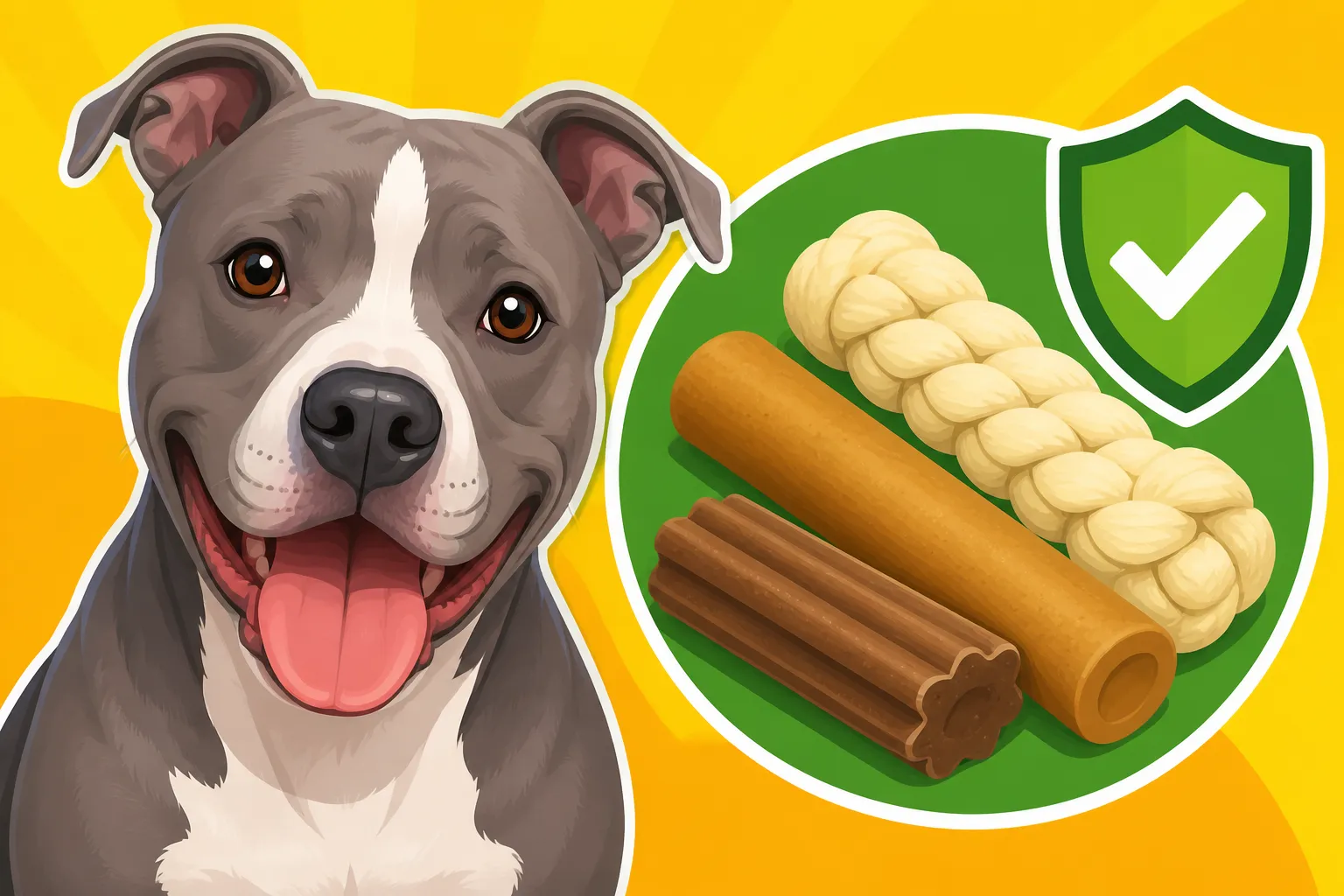
When it comes to edible chews, the same principle of "give" applies. Avoid anything that feels rock-hard to your thumbnail test (if you can't make a dent, it's too hard for their teeth). Look for chews that soften when chewed, or those made from materials that are designed to be safely digestible in smaller pieces. Many dental chews fall into this category, but you still need to select the appropriate size and firmness for your Pit Bull's chewing style.
There are also safer rawhide alternatives made from vegetable starches, ground digestible proteins, or other engineered materials that break down more easily and don't pose the same splintering or impaction risks as traditional rawhide. Always supervise your Pit Bull with any edible chew, especially newer types, to ensure they aren't trying to swallow large chunks or having any adverse reactions. Checking product descriptions carefully on Chewy or Amazon for details on digestibility and suitability for aggressive chewers is paramount. Remember that these are often meant for short, supervised sessions, not hours of unsupervised gnawing.
Puzzle Toys and Food-Dispensing Chews
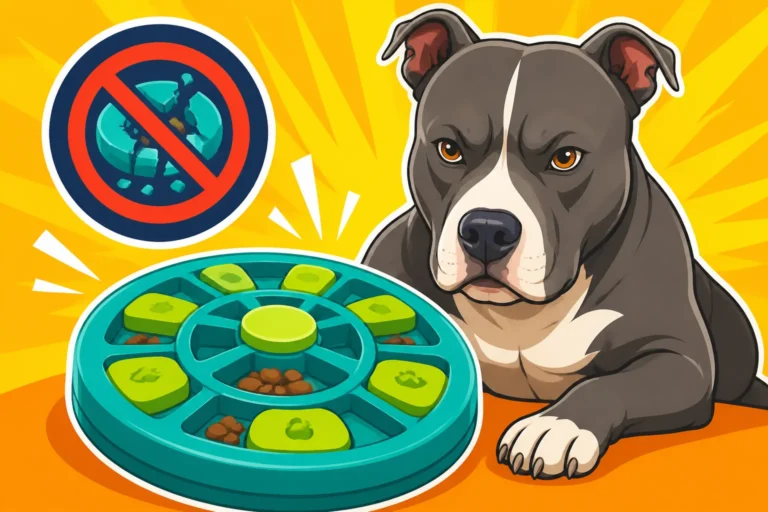
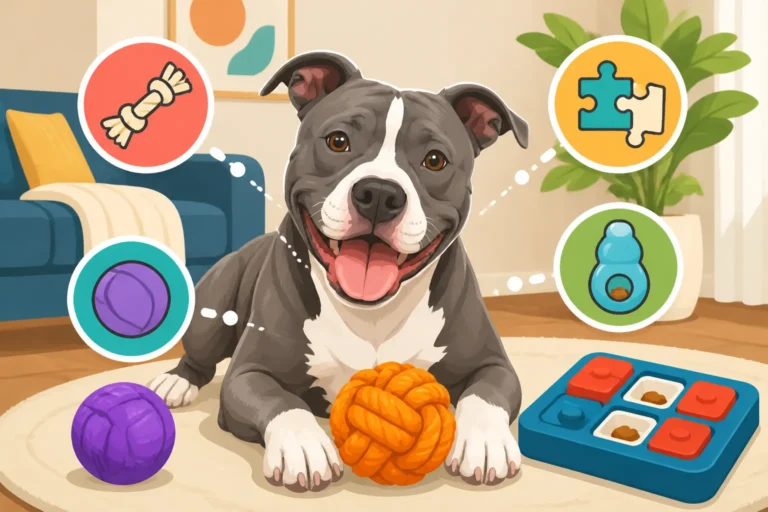
These are fantastic options for Pit Bulls because they engage their minds as much as their mouths. Puzzle toys, especially those made from durable rubber that can hold treats or kibble, turn chewing into a mental exercise. Your dog has to figure out how to get the goodies out, satisfying their instinct to work for food, which can be incredibly enriching. This not only keeps them busy but also slows down their eating, which can be a plus for fast eaters.
Fillable rubber toys are a classic example. You can stuff them with peanut butter, canned pumpkin, or their regular kibble mixed with a little water and freeze it. This creates a long-lasting, satisfying challenge that is also safe for their teeth. There are many variations available, from simple treat balls to more complex dispensers, and you can find a vast array on Amazon. These options redirect your Pit Bull's chewing energy into a productive and safe activity, often preventing them from resorting to destructive behaviors like Pit Bull Chewing Through Furniture and Crates out of boredom. For other engaging options, consider Puzzle Feeders a Pit Bull Cannot Destroy.
Best Practices for Pit Bull Chewing Safety
Choosing the right chew is just one part of the equation. How you manage your Pit Bull's chewing habits, from supervision to regular inspections, is equally important for their long-term dental health and overall well-being.
Supervision and Regular Inspection
Even with the safest chews, supervision is critical for a power chewer like a Pit Bull. No chew is truly "indestructible," and even safe materials can eventually wear down, become damaged, or present a choking hazard if a large piece breaks off. Always keep an eye on your dog while they're enjoying a chew. This allows you to intervene if a piece becomes too small, if the chew starts to splinter in an unexpected way, or if your dog is chewing with excessive, unhealthy intensity.
Make it a habit to regularly inspect all of your Pit Bull's chews. Look for signs of significant wear, cracking, or pieces that are about to break off. If a rubber chew starts showing deep gouges or is missing chunks, it's time to replace it. For edible chews, ensure they are consumed safely and fully, or removed if your dog tries to swallow a piece that's too large. This proactive approach can prevent many dental emergencies and keep your Pit Bull's mouth healthy. This is also important in the larger context of your Pit Bull Dental Cleaning Schedule.
Rotating Chews and Mental Enrichment
Imagine having the same toy every single day – eventually, you'd get bored, right? The same applies to your Pit Bull. Rotating their selection of safe chews keeps them interested and prevents them from fixating on just one item, which can lead to excessive wear on specific teeth or the chew itself. Have a collection of 3-5 different safe chews and rotate them every few days. This keeps the novelty alive and ensures your dog continues to engage with their appropriate outlets.
Beyond physical chews, remember that mental enrichment is just as vital. A bored Pit Bull is more likely to engage in inappropriate chewing or destructive behavior. Incorporate activities like scent work, obedience training sessions using High-Value Treats That Hold a Pit Bull's Focus, interactive games, or structured walks into their routine. A mentally stimulated and physically tired Pit Bull is generally a happier and less destructive chewer. This holistic approach helps manage their powerful drives constructively.
When to Consult Your Veterinarian
Despite your best efforts, accidents can happen, or subtle signs of dental issues might emerge. It's crucial to know when to seek professional veterinary advice. Watch for any changes in your Pit Bull's chewing habits, such as favoring one side of their mouth, dropping food, refusing certain chews they once loved, or showing sensitivity when their mouth is touched. Excessive drooling, bad breath that is worse than usual (beyond typical "dog breath"), or visible signs of blood on chews are also red flags.
If you ever suspect a fractured tooth or notice any unusual bumps or lesions in your dog's mouth, don't delay. A prompt visit to the vet can prevent further pain, infection, and more complicated treatment down the line. Regular veterinary check-ups are also essential for monitoring your Pit Bull's dental health, as they can spot issues like Tartar Building on Pit Bull Molars or early signs of disease that you might miss. Early intervention is always less invasive and less costly than treating an advanced problem, ensuring your Pit Bull maintains a healthy, happy smile for years to come.
| Chew Category | Examples | Risk Level | Why / Why Not | Recommendation for Pit Bulls |
|---|---|---|---|---|
| Too Hard/Rigid | Antlers, natural bones, ice, hooves | High | Harder than tooth enamel; causes slab fractures, painful exposures, potential splinters. | AVOID COMPLETELY. Not worth the risk of serious dental injury. |
| Potentially Hard | Very hard nylon chews | Medium-High | While durable, lack of give can still cause dental fractures over time. | Use with extreme caution, prefer more flexible options, always supervise. |
| Flexible/Durable | Thick rubber toys (e.g., KONG Extreme) | Low-Medium | Designed for power chewers with enough give to be tooth-safe, yet highly durable. | RECOMMENDED. Look for "power chewer" or "extreme" versions. Replace when worn. |
| Digestible Chews | Certain dental chews, rawhide alternatives | Low-Medium | Designed to break down safely or soften when chewed. Supervision is key. | RECOMMENDED (with caution). Choose appropriate size, firmness, and supervise. |
| Interactive/Puzzle | Rubber treat dispensers, puzzle balls | Low | Engage mind and mouth; often made of safe, durable rubber; reduces frantic chewing. | HIGHLY RECOMMENDED. Great for mental enrichment and safe chewing. |
Disclaimer
This article is for general informational purposes only and does not constitute professional advice. Laws, prices and regulations vary by location and change over time. Consult a qualified professional for guidance on your specific situation.