Pit Bull Dental Cleaning Schedule
As a Pit Bull owner, you know these strong, loving dogs often face unique health challenges, and keeping their powerful jaws and healthy teeth in top condition is absolutely critical. It's not just about a fresh-smelling breath, although that's certainly a bonus; neglecting your Pit Bull's oral hygiene can lead to painful infections, systemic diseases, and incredibly expensive veterinary bills down the road. This comprehensive guide will help you understand why a consistent dental cleaning schedule is paramount for your Pit Bull's overall well-being and how to implement one effectively, both at home and with professional veterinary care.
The Critical Importance of Pit Bull Dental Health
It’s easy to overlook dental care when your Pit Bull seems perfectly happy, chasing balls and enjoying life. But just like with humans, dental issues in dogs can be silent and insidious, slowly building up until they become a painful and serious problem. For a breed known for its robust build and strong chewing habits, understanding these risks is the first step towards prevention.
Understanding Pit Bull Dental Disease
The journey to dental disease typically begins subtly. Every time your Pit Bull eats, tiny particles of food mix with bacteria in their mouth, forming a sticky film called plaque. If this plaque isn't removed regularly, it hardens into tartar, also known as calculus, within just a few days. Tartar is rough, yellowish-brown, and impossible to remove with a toothbrush alone; it clings tenaciously to the teeth, particularly along the gumline.
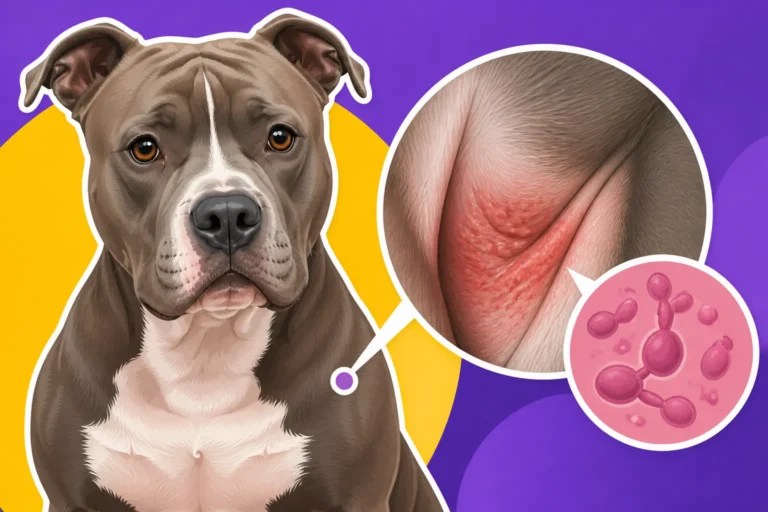
Once tartar forms, it creates a rough surface that invites even more plaque and bacteria to accumulate. This constant irritation leads to gingivitis, which is inflammation of the gums. You might notice your Pit Bull's gums looking red, swollen, or even bleeding slightly when they chew on something hard. Left unchecked, gingivitis progresses to periodontal disease, a much more serious condition where the inflammation spreads beneath the gumline, affecting the supporting structures of the teeth. This is where real trouble begins. Pockets form between the gums and teeth, collecting more bacteria and food debris, which further damages the bone and ligaments holding the teeth in place. Eventually, teeth can loosen, become infected, and even fall out. The pain associated with advanced Pit Bull Dental Disease and Hard Chewing can be excruciating, though many dogs are masters at hiding their discomfort.
The Systemic Impact of Poor Oral Hygiene
Perhaps the most alarming aspect of dental disease is its reach beyond the mouth. Those pockets of bacteria and infection aren't just localized problems; they act as a superhighway for harmful bacteria to enter your Pit Bull's bloodstream. Once in the bloodstream, these bacteria can travel to major organs, causing serious health complications.
The heart is particularly vulnerable, as bacteria can lodge in its valves, leading to conditions like endocarditis, a severe heart infection. The kidneys and liver, critical for filtering toxins from the blood, can also be compromised, potentially leading to organ damage or failure over time. Imagine a constant, low-grade infection circulating through your dog's body – that's what advanced periodontal disease can mean.
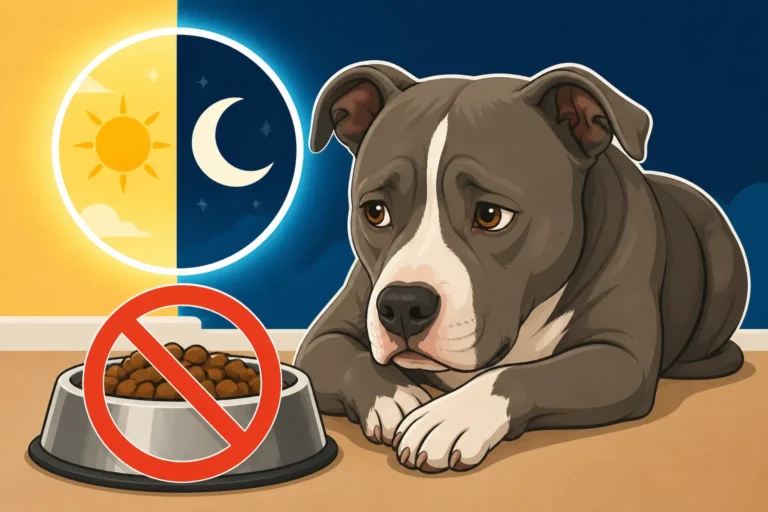
Beyond these systemic issues, the constant pain and discomfort from dental disease can drastically impact your Pit Bull's quality of life. They might become reluctant to eat A Pit Bull That Refuses Food for a Day, leading to weight loss and nutritional deficiencies. They might avoid certain toys, become less playful, or even show changes in behavior due to chronic pain. You might notice they paw at their mouth, drool excessively, or have an overwhelmingly foul breath – all signs that something is seriously wrong. Addressing these issues proactively is not just about keeping their teeth in their mouth; it's about safeguarding their entire body and ensuring a happy, comfortable life.
Building a Proactive At-Home Dental Routine
When it comes to dental health, prevention truly is the best medicine. While professional cleanings are essential, a consistent at-home routine can significantly extend the time between those vet visits and keep your Pit Bull's mouth healthier day-to-day. It requires dedication, but the benefits are immeasurable.
Daily Brushing: The Gold Standard
Brushing your Pit Bull's teeth every day is, without a doubt, the most effective way to combat plaque buildup. It sounds daunting, especially with a strong-willed Pit Bull, but with patience and positive reinforcement, it's absolutely achievable. The key is to start early, ideally when they are a puppy, and make it a positive, fun experience.
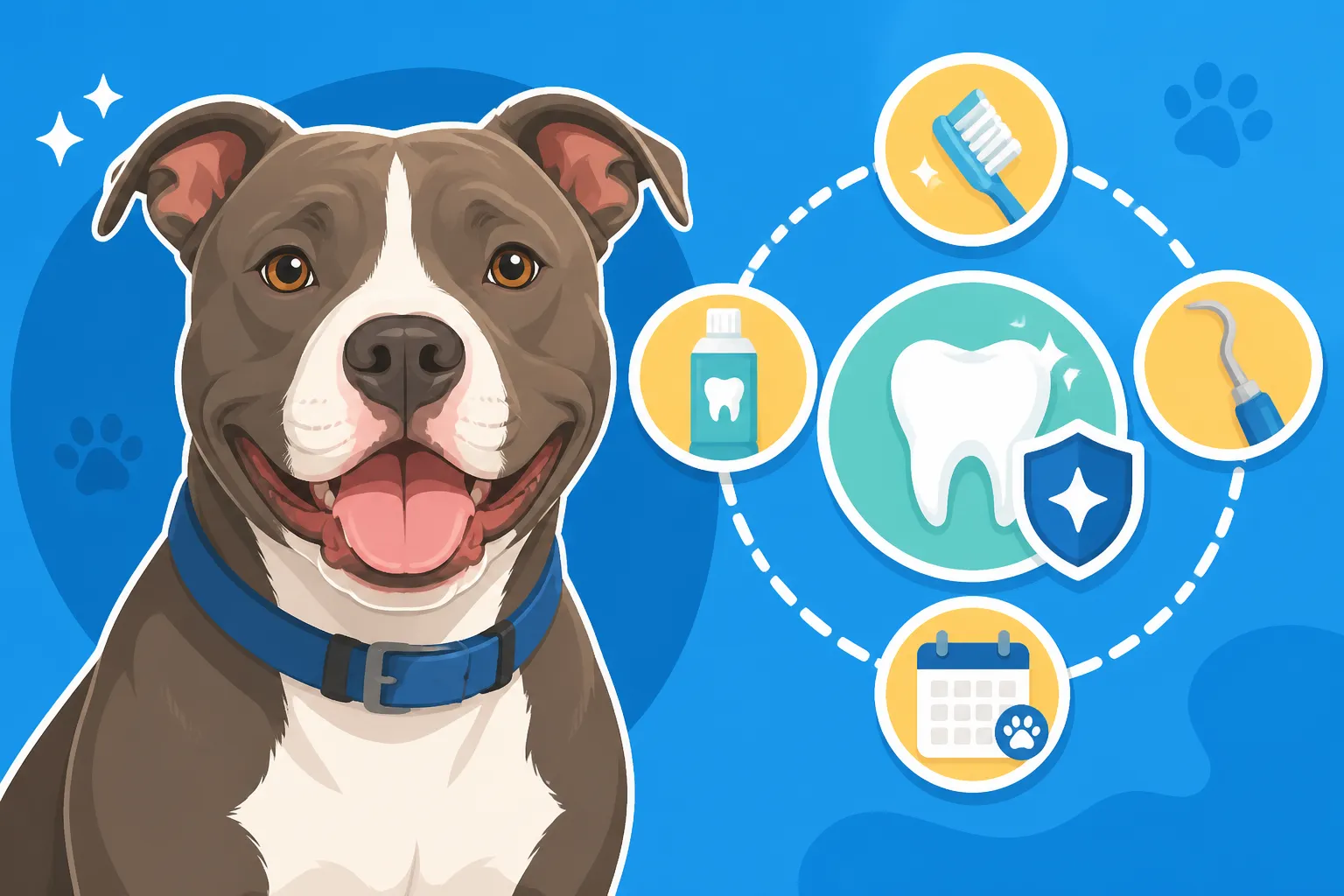
To start, gather your supplies: a dog-specific toothbrush (designed to fit their mouth and teeth) or a finger brush, and enzymatic dog toothpaste. Never use human toothpaste, as it contains ingredients like fluoride and xylitol that are toxic to dogs. Begin by letting your Pit Bull lick a small amount of toothpaste from your finger, making it a tasty treat. Over a few days, gradually introduce the toothbrush, letting them sniff and chew on it playfully. Once they're comfortable with the brush, gently lift their lip and try to brush just a few teeth, focusing on the outside surfaces where plaque tends to accumulate most. The goal isn't perfection initially; it's about building trust and routine. Keep sessions short and positive, always following with praise and a favorite reward. As they get more accustomed, you can increase the duration and coverage. For a detailed guide on technique and tips, check out A Weekly Toothbrushing Routine for a Pit Bull. Remember, even brushing a few times a week is better than nothing, but daily is truly optimal for preventing that stubborn plaque from turning into tartar.
Dental Chews, Wipes, and Water Additives
While brushing is king, there are other tools you can incorporate into your Pit Bull's dental cleaning schedule to supplement your efforts. These aren't substitutes for brushing or professional cleanings, but they can certainly help maintain oral hygiene between more intensive interventions.
Dental Chews: The market is flooded with dental chews, but it's crucial to choose wisely. Look for products approved by the Veterinary Oral Health Council (VOHC) seal, which indicates they meet standards for reducing plaque and/or tartar. Be cautious with extremely hard chews, bones, or antlers, as your Pit Bull’s powerful jaws can easily break or chip teeth, leading to painful emergencies and expensive vet visits. You certainly don't want a trip to the emergency vet because of Pit Bull Broken Teeth From Hard Chewing. Instead, opt for chews that are flexible enough to bend but firm enough to provide abrasive action against the teeth. Chews that are too hard, such as certain bones or even some synthetic chews, can actually cause more harm than good, as detailed in Chews That Crack a Pit Bull Molar. When choosing products, ensure they are appropriate for your Pit Bull's size and chewing style. Soft, digestible dental chews or toys specifically designed to scrape teeth are generally safer options. For puppies, there are excellent Cold Chews for a Teething Pit Bull that can offer some dental benefits while soothing their gums. Ultimately, focus on Chews That Do Not Crack Pit Bull Teeth.
Dental Wipes: These are soft cloths infused with plaque-fighting solutions. You simply wrap one around your finger and rub it along your dog's gumline and teeth. They can be a good starting point for dogs who are resistant to a toothbrush or a quick daily clean for areas you might miss with brushing.
Water Additives: These products are added to your Pit Bull's drinking water and contain ingredients designed to reduce bacteria and plaque. While convenient, their effectiveness can vary, and they generally offer minimal protection compared to mechanical cleaning (brushing). Always choose a VOHC-approved brand and discuss it with your vet to ensure it's appropriate for your dog.
The key with all supplementary products is consistency and choosing high-quality, safe options. Think of them as allies in your fight against dental disease, not standalone solutions.
Professional Dental Cleanings: When and Why
Despite our best efforts at home, there comes a point where professional intervention is necessary. Just like we visit the dentist for deep cleanings, our Pit Bulls need regular veterinary dental care to address issues that at-home routines simply can't handle.
The Necessity of Veterinary Dental Care
Even with daily brushing, some plaque will inevitably harden into tartar, especially in hard-to-reach areas or on teeth with slight irregularities. Once Tartar Building on Pit Bull Molars occurs, it creates a rough surface that attracts more bacteria and cannot be removed by brushing alone. This is where your veterinarian steps in.
A professional dental cleaning, often referred to as a COHAT (Comprehensive Oral Health Assessment and Treatment), goes far beyond what you can do at home. During a COHAT, your Pit Bull will undergo a thorough examination of their entire oral cavity, including areas you can't see, like under the gumline. This procedure typically involves:
- Oral Examination: A detailed visual inspection of teeth, gums, tongue, and other oral structures.
- Scaling: Using specialized ultrasonic and hand instruments, the vet or vet technician meticulously removes plaque and tartar from above and below the gumline. This subgingival cleaning is crucial for preventing and treating periodontal disease.
- Polishing: After scaling, the teeth are polished to smooth out any microscopic etches on the enamel, making it harder for new plaque to stick.
- Dental X-rays: This is perhaps the most vital part of a comprehensive cleaning. X-rays reveal problems lurking beneath the gumline, such as bone loss, root damage, unerupted teeth, or abscesses, which are impossible to detect with just a visual exam. Many painful issues, like a fractured tooth, are often invisible to the naked eye.
- Extractions (if necessary): If severe disease or damage is found, diseased or broken teeth will be extracted to alleviate pain and prevent further infection. This is a common and important step in restoring oral health.
Without these procedures, especially the subgingival scaling and X-rays, significant problems can go undetected and untreated, leading to chronic pain and further health complications for your Pit Bull.
Understanding Anesthesia and Its Risks
Many Pit Bull owners, understandably, worry about general anesthesia for their beloved companions. It's a valid concern, but it's important to understand why anesthesia is absolutely necessary for proper dental care and how modern veterinary practices minimize risks. Your Pit Bull, regardless of how well-behaved they are, would never tolerate the meticulous scaling, probing, and X-rays required for a thorough cleaning while awake. Imagine trying to get your dog to lie still for an hour or more with sharp instruments in their mouth!
Today's veterinary anesthesia protocols are safer than ever. Before any procedure, your veterinarian will perform a thorough physical exam and often recommend pre-anesthetic bloodwork The Bloodwork an Old Pit Bull Should Have. This allows them to assess your Pit Bull's overall health, identify any underlying conditions (like kidney or liver issues) that might affect their ability to metabolize anesthetic drugs, and tailor the anesthetic plan specifically for them.
During the procedure, your Pit Bull will be constantly monitored by trained staff, using advanced equipment that tracks heart rate, respiratory rate, blood pressure, oxygen saturation, and body temperature. This allows the veterinary team to adjust anesthetic levels as needed, ensuring your dog's safety and comfort. For muscular breeds like Pit Bulls, special considerations may be taken for anesthesia, as discussed in Anesthesia and Muscle Mass in a Pit Bull, to ensure proper dosing and monitoring. While no anesthetic procedure is entirely risk-free, the potential benefits of preventing and treating painful dental disease far outweigh the carefully managed risks, especially when performed by a skilled veterinary team.
Establishing a Professional Cleaning Schedule
So, how often should your Pit Bull have a professional dental cleaning? There isn't a one-size-fits-all answer, as it depends on several factors, including your dog's age, genetics, diet, existing dental health, and the effectiveness of your at-home care.
General Recommendation: For most adult Pit Bulls with good at-home care, an annual professional dental cleaning is often recommended. This allows your vet to catch and address problems before they become severe.
Factors Influencing Frequency:
- Age: Younger Pit Bulls (1-3 years) with excellent home care might be able to go longer between cleanings, perhaps every 18-24 months. However, as they age, dental disease often progresses more quickly. Older Pit Bulls (7+ years) might need cleanings more frequently, even every 6-9 months, especially if they have a history of gum disease or extractions.
- Breed Predisposition: While Pit Bulls aren't typically considered among the breeds most prone to severe dental disease (like small breeds), their strong chewing habits can lead to worn or fractured teeth if not managed well.
- Diet: A diet specifically designed to promote dental health can help, but it's rarely enough on its own.
- Previous Dental History: If your Pit Bull has a history of periodontal disease, frequent tartar buildup, or has had extractions, your vet might recommend more frequent cleanings to prevent recurrence.
- Effectiveness of At-Home Care: If you are diligently brushing daily and using VOHC-approved chews, you might be able to extend the time between professional cleanings. If at-home care is minimal, your Pit Bull will likely need professional cleanings more often.
It’s crucial to have your veterinarian assess your Pit Bull's mouth during their annual wellness check-ups. They can determine the grade of any existing dental disease and recommend the appropriate frequency for professional cleanings. Don't wait until your Pit Bull's breath is unbearable What a Pit Bull's Breath Says About Its Teeth or they show obvious signs of pain. By then, the disease is often advanced, and treatment becomes more invasive and costly.
Pet insurance can be a huge help in managing these costs. Providers like Healthy Paws offer comprehensive plans that can cover a significant portion of unexpected veterinary expenses, including dental procedures that aren't considered routine cleaning (like extractions due to disease or injury). Investing in their health now, both through routine care and financial planning, is a true act of love.
Here’s a general guideline for dental cleaning schedules:
| Pit Bull Age/Condition | Recommended At-Home Care | Recommended Professional Cleaning Frequency | Typical Dental Concerns |
|---|---|---|---|
| Puppy (Up to 1 year) | Daily brushing introduction | Not typically needed (unless anomalies) | Teething, retained baby teeth |
| Young Adult (1-3 years) | Daily brushing, VOHC dental chews | Annually (or every 18-24 months if excellent home care) | Mild plaque, early gingivitis |
| Adult (3-7 years) | Daily brushing, VOHC dental chews | Annually | Plaque/tartar buildup, moderate gingivitis, some periodontal disease |
| Senior (7+ years) | Daily brushing, soft VOHC dental chews | Every 6-12 months | Advanced periodontal disease, loose teeth, oral masses |
| History of Severe Disease | Daily brushing, specific vet recommendations | Every 6-9 months (as advised by vet) | Recurrence of periodontal disease, fractured teeth |
This table is a general guide, and your veterinarian's specific recommendations based on your Pit Bull's individual needs will always be the most accurate plan.
Recognizing and Addressing Dental Problems
Even with the best preventative care, sometimes issues arise. Knowing what to look for and acting quickly can prevent minor problems from escalating into major health crises.
Signs Your Pit Bull Needs Dental Attention
Pit Bulls are stoic animals, often hiding pain surprisingly well. This means you need to be vigilant and aware of subtle changes that might indicate dental discomfort or disease. Don't wait for them to cry out in pain; by then, the problem is likely severe.
Here are the key signs that your Pit Bull needs veterinary dental attention:
- Foul Breath (Halitosis): This is often the first and most common sign. While no dog's breath smells like roses, truly offensive, putrid breath is a strong indicator of bacterial overgrowth from plaque and tartar. As mentioned, if you're regularly wondering What a Pit Bull's Breath Says About Its Teeth, it's time for a vet visit.
- Red, Swollen, or Bleeding Gums: Healthy gums are pink, not red or inflamed. If you notice redness, swelling, or any bleeding when your dog chews or you touch their gums, it's a sign of gingivitis or more advanced periodontal disease.
- Discolored or Broken Teeth: Yellow or brown stains (tartar) are obvious, but also look for dark spots, chips, or cracks. A fractured tooth can be incredibly painful and expose the tooth's sensitive pulp to infection. Many Pit Bulls, given their powerful bite, are prone to these kinds of injuries, making awareness of Pit Bull Broken Teeth From Hard Chewing crucial.
- Excessive Drooling: While some drooling is normal for some dogs, an increase, especially if accompanied by blood or pus, can indicate oral pain or infection.
- Difficulty Chewing or Eating: If your Pit Bull suddenly becomes picky about their food, drops food, chews on one side of their mouth, or seems hesitant to eat hard kibble or chews, pain is likely involved. They might approach the food bowl enthusiastically but then pull away or whine when they try to eat. This is definitely a red flag.
- Pawing at the Mouth or Rubbing Face: These actions are classic signs of discomfort or pain in the mouth.
- Lumps or Bumps in the Mouth: While less common, any unusual growths in the gums, tongue, or lips should be examined by a vet immediately, as they could indicate more serious issues, including oral tumors. These can sometimes be early indicators of Cancers That Show Up in an Older Pit Bull.
- Changes in Behavior: Any unexplained lethargy, irritability, or reluctance to play could be linked to chronic pain from dental issues.
If you observe any of these signs, don't delay. Schedule an appointment with your veterinarian right away. Early intervention can make a huge difference in your Pit Bull's comfort and long-term health.
What to Expect at a Dental Check-up
When you bring your Pit Bull in for a suspected dental problem or a routine dental check-up, your veterinarian will typically begin with a thorough oral examination while your dog is awake. This initial exam provides a general overview of the visible teeth and gums. However, to truly assess the extent of any disease, especially below the gumline, further steps under anesthesia are usually required.
If a full cleaning and evaluation under anesthesia are recommended, here’s generally what you can expect:
- Pre-anesthetic Assessment: As discussed earlier, a physical exam and blood tests (especially important for senior Pit Bulls or those with existing health conditions) will be performed to ensure your dog is a good candidate for anesthesia.
- Anesthesia and Monitoring: Your Pit Bull will be safely anesthetized and continuously monitored throughout the procedure.
- Comprehensive Oral Exam (under anesthesia): Once anesthetized, the vet can perform a much more detailed examination, probing gum pockets, inspecting each tooth thoroughly, and checking for hidden issues.
- Dental X-rays: Full-mouth dental X-rays are crucial. They allow the vet to see the roots of the teeth, the surrounding bone, and identify problems like abscesses, bone loss, or unerupted teeth that are invisible to the naked eye.
- Scaling and Polishing: All plaque and tartar will be removed, both above and below the gumline, followed by polishing.
- Treatment of Existing Problems: If any diseased or fractured teeth are found, extractions will be performed. The vet will explain these findings to you and get your consent for any extractions. Sometimes, advanced procedures like root canals might be an option, depending on the severity and location of the tooth.
- Pain Management: Your Pit Bull will receive pain medication before, during, and after the procedure to ensure their comfort.
- Post-Procedure Care: You'll receive detailed instructions for at-home care, which might include specific foods, medications, or adjustments to their dental routine. The cost of aftercare for a robust dog like a Pit Bull can sometimes be a concern, but prioritizing their comfort is key. Healthy Paws can also assist with unexpected aftercare expenses following a covered procedure.
Maintaining your Pit Bull’s oral health is a lifelong commitment, but it’s one of the most impactful ways you can ensure they live a comfortable, healthy, and long life by your side. A consistent dental cleaning schedule, combining diligent home care with regular professional veterinary attention, is the cornerstone of preventing pain and serious disease.
Disclaimer
The information provided in this article is for general informational purposes only and is not a substitute for professional veterinary advice, diagnosis, or treatment. Always seek the advice of your veterinarian or other qualified health provider with any questions you may have regarding a medical condition or before starting any new treatment for your Pit Bull.