Pit Bull Hair on Dark Clothing
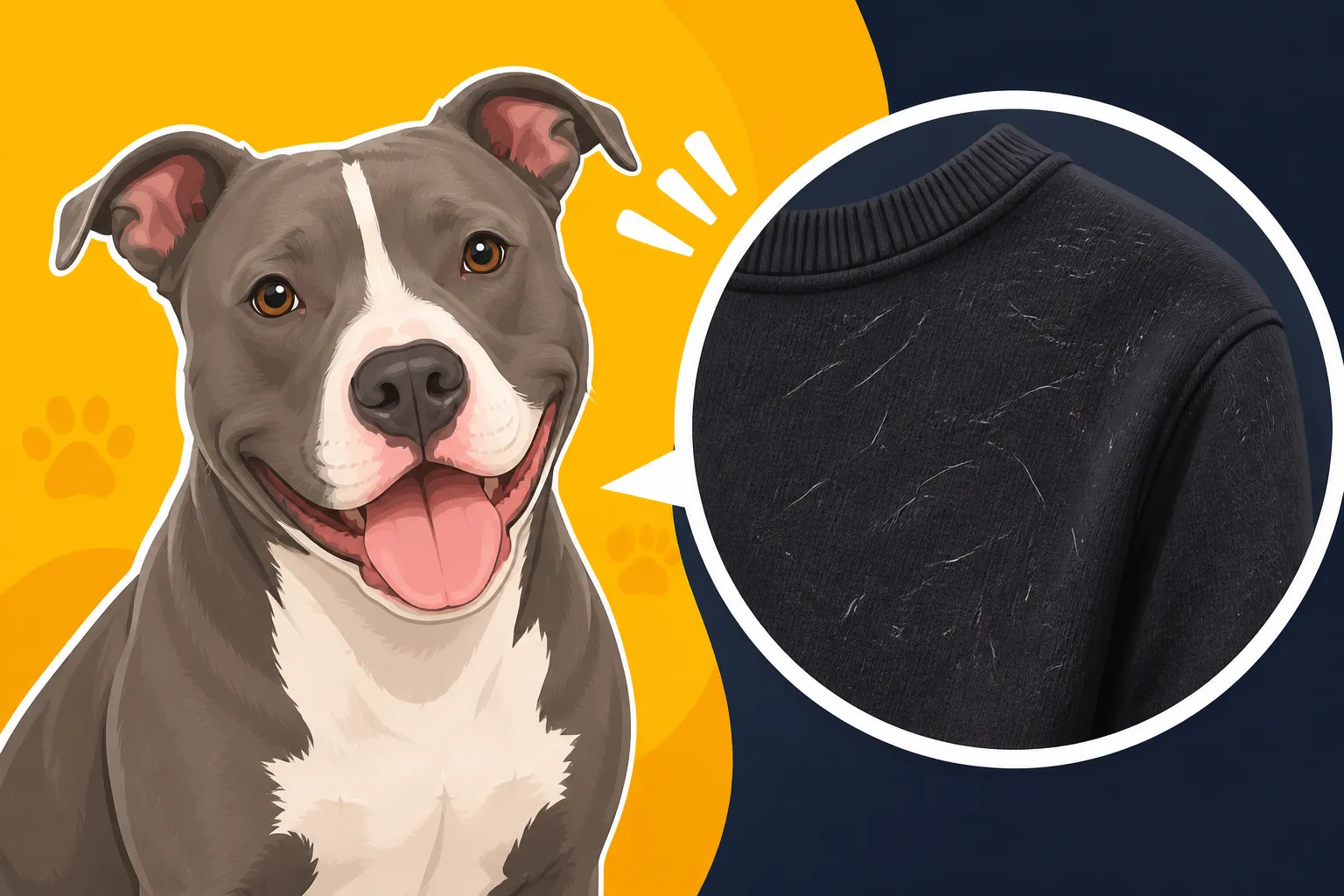
Oh, the eternal struggle! You love your Pit Bull with all your heart, but those dark clothes? They’ve become a furry tribute to your beloved companion. It's a common lament among Pit Bull parents, especially when you're trying to walk out the door looking presentable, only to realize you're wearing a fine layer of 'dog glitter.' This guide is here to help you navigate the hairy truth of Pit Bull shedding and equip you with practical strategies to keep your wardrobe (and sanity) intact.
Understanding Pit Bull Shedding Patterns
It’s easy to assume that because Pit Bulls have those sleek, short coats, they don't shed much. Oh, if only that were true! Many new Pit Bull owners are often surprised by just how much hair can come off these compact, muscular dogs. The reality is that Pit Bulls do shed, and quite consistently too. Their short, stiff hairs tend to weave themselves into fabric, making them particularly stubborn to remove from certain materials, especially dark ones where they stand out like a beacon.
Why Pit Bulls Shed So Much
Shedding is a completely natural process for most dogs, including Pit Bulls. It’s how they manage their coat health, removing old or damaged hair to make way for new growth. While they might not have the long, flowing locks of a Collie or the dense double coat of a Husky, their single coat still goes through a cycle. Factors like genetics, diet, overall health, and even environmental conditions play a huge role in the amount and type of shedding you’ll experience. A healthy Pit Bull with a good diet and proper care often sheds less, but it's never truly "no shed."
Think of it like this: every hair on your Pit Bull's body has a lifespan. When that lifespan ends, the hair falls out. Because their hair is short, it doesn't always have the weight to simply fall to the floor. Instead, it seems to defy gravity, attaching itself to anything it touches, which, in a busy household, often means your clothes, furniture, and car seats. You might notice seasonal changes, with slightly heavier shedding in spring and fall as their coat adjusts to temperature shifts, but for many Pit Bulls, it feels like a year-round event.
The Nature of Pit Bull Hair
Pit Bull hair is typically short, straight, and quite stiff. This texture is a double-edged sword when it comes to shedding. On one hand, it's easy to brush out when you're actively grooming. On the other, once it's embedded in fabric, its firmness makes it much harder to dislodge than softer, finer hairs. It acts almost like tiny, bristly hooks, clinging stubbornly to wool, cotton, and synthetic blends. This is why a quick swipe with a hand often isn't enough to remove it, and why dark clothing becomes such a magnet for it.
The color of your Pit Bull’s coat also plays a part. A fawn or red Pit Bull's hair will be incredibly visible on black trousers, while a black Pit Bull's hair will stand out on light-colored items. But let's be honest, regardless of color, you're going to see it. This particular characteristic of their fur means we need to employ specific strategies that are effective against its clingy nature. It’s not just about the volume of hair, but its physical properties that make it a challenge. How Much a Short Coated Pit Bull Sheds goes into more detail about what to expect with their unique coat.
Daily Management and Grooming Routines
The first line of defense against Pit Bull hair on your clothes isn't a lint roller, it's a consistent grooming routine. By proactively removing loose hair from your dog, you significantly reduce the amount that ends up elsewhere. This isn't just good for your wardrobe; it's essential for your Pit Bull's overall skin and coat health. Regular grooming sessions can be a wonderful bonding experience, too!
Regular Brushing to Capture Loose Hair
This is perhaps the most effective strategy. Aim for daily brushing, even if it's just a quick five-minute session. For Pit Bulls, short-bristled brushes, rubber curry brushes, or grooming mitts work wonders. These tools are designed to grab onto the short, shed hair without irritating their skin. You’ll be amazed at how much fur you can collect, preventing it from migrating to your favorite jeans.
When brushing, use short, firm strokes in the direction of hair growth. Pay special attention to their back, flanks, and underbelly, where shedding can be particularly prolific. Many Pit Bulls absolutely adore being brushed, turning it into a soothing massage. It also helps to distribute their natural skin oils, which contributes to a healthy, shiny coat. You can find excellent Rubber Curry Brushes for a Pit Bull on sites like Chewy or Amazon, often for a very reasonable price. Making it a daily ritual before you sit down for coffee or after their evening walk can make a huge difference in the amount of hair floating around your home.
Bathing and Coat Condition
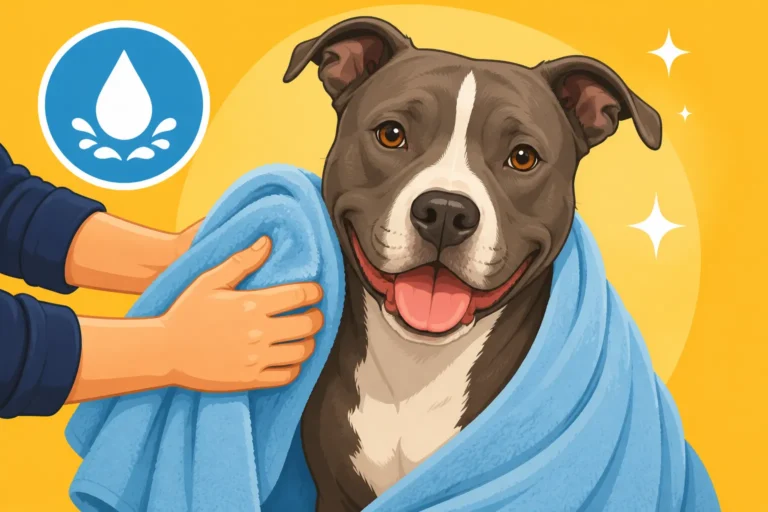
While not a daily task, regular bathing helps to loosen and wash away dead hair. For many Pit Bulls, a bath every 3-4 weeks is sufficient, but if your dog has skin issues or allergies, your vet might recommend a more frequent schedule using specialized shampoos. Always use a dog-specific shampoo and ensure you rinse thoroughly to prevent skin irritation. After bathing, drying your Pit Bull completely, perhaps with a soft towel and a quick brush, can also help remove any remaining loose hairs.
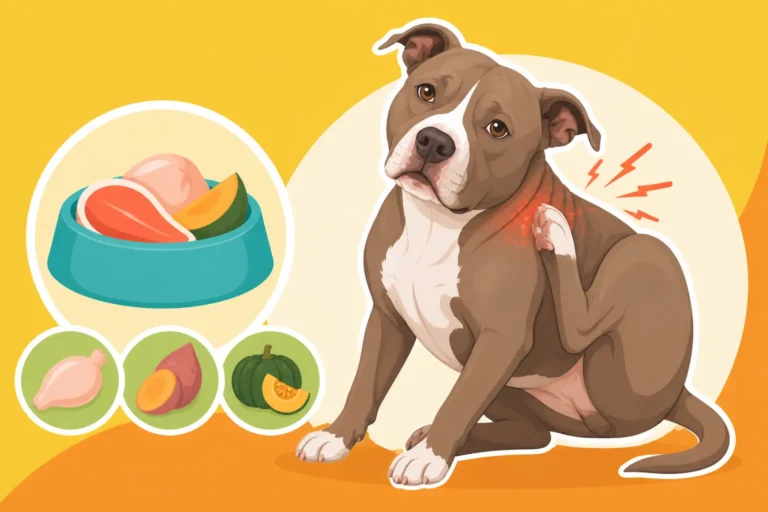
A well-nourished Pit Bull with healthy skin will often have a healthier coat that sheds less excessively. Consider talking to your vet about omega fatty acid supplements if your Pit Bull’s coat seems dull or if they're shedding more than usual. These can promote skin health and a lustrous coat from the inside out. Remember, a healthy coat is a happier coat, and a happier coat means less undesirable shedding. Pit Bull Coat and Skin Care Week to Week details a good routine for maintaining their fur.
Tackling Hair on Clothing and Furniture
Even with the most diligent grooming, some Pit Bull hair is inevitable. The trick is having the right tools and techniques to remove it efficiently from your clothes and upholstery. This is where most people get truly frustrated, pulling out their hair trying to get dog hair off their clothes!
Effective Tools for Clothing
When it comes to your dark clothing, lint rollers are your best friend. Keep them everywhere: by the front door, in your car, in your purse, at your desk. They offer a quick, convenient way to de-hair before you head out. For stubborn, deeply embedded hairs, however, you might need something more robust.
Here's a comparison of common hair removal tools:
| Tool Type | Pros | Cons | Best For |
|---|---|---|---|
| Sticky Lint Roller | Quick, easy to use, portable, affordable. | Can run out quickly, not effective on deeply embedded hair. | Quick touch-ups on clothes, light hair accumulation. |
| Reusable Lint Roller | Eco-friendly, washable, no refills needed, often more sticky. | Needs cleaning after each use, less portable. | Regular use on clothes, moderate hair. |
| Fabric Brush/Pet Hair Roller (Velvet/Rubber) | Very effective on embedded hair, reusable, no sticky sheets. | Requires more effort, can sometimes snag delicate fabrics. | Clothes, upholstery, car seats with stubborn hair. |
| Rubber Gloves | Inexpensive, excellent for larger surfaces, creates static. | Can be tiring for hands, not ideal for fine fabrics. | Furniture, car interiors, large blankets. |
| Pumice Stone/Pet Hair Remover Stone | Extremely effective on carpets and heavy fabrics, durable. | Can damage delicate fabrics, might pull threads if not careful. | Car carpets, heavy upholstery, rugs, items with very embedded hair. |
Beyond lint rollers, consider a reusable pet hair remover tool, often made of rubber or a specialized fabric that creates static to lift hairs. These are fantastic for both clothes and upholstery. For seriously embedded hair on items like denim or durable couch fabric, a slightly damp rubber glove can work wonders. Just put it on, sweep your hand across the fabric, and watch the hair clump up.
Laundry Room Strategies
The washing machine and dryer can either be your allies or your enemies in the fight against fur. First, before washing, give heavily furred items a good shake outside or a once-over with a lint roller to remove as much loose hair as possible. This prevents it from spreading to other items in the wash and clogging your machine's filter.
Adding half a cup of white vinegar to your wash cycle can help relax fabric fibers, making it easier for pet hair to detach. For drying, dryer balls (wool or plastic) can help agitate clothes, separate hairs, and reduce static cling, which often makes hair stick more. Always clean your dryer's lint trap before and after drying pet-hair-laden items. You might even need to run a "no heat" cycle for 10-15 minutes after the main drying cycle with a dryer sheet to collect any remaining hairs.
Proactive Home Strategies
Preventing hair from getting on your dark clothing often starts long before you even pick out your outfit for the day. By managing the amount of hair in your home environment, you’re tackling the problem at its source. This means creating a home environment that works with you, not against you, in the battle against Pit Bull fur.
Dedicated Sleeping Spots and Covers
Give your Pit Bull their own designated sleeping areas, complete with easily washable blankets or bedding. A sturdy, comfortable dog bed with a removable, machine-washable cover can be a game-changer. Encourage them to use these spots, especially on furniture you want to keep relatively fur-free. You can cover your furniture with throws or blankets specifically for your dog, which can be tossed into the wash frequently.
Choosing pet-friendly fabrics for furniture, if you’re in the market, can also help. Tightly woven fabrics or those with a slight sheen tend to attract and hold less hair than open-weave or textured materials. While you adore your Pit Bull snuggled up on the couch next to you, having specific pet blankets or covers can keep that hair contained. Think about Pit Bull Bedding That Survives Digging – robust and washable is the key!
Vacuuming and Floor Care
Regular vacuuming is non-negotiable in a Pit Bull household, especially if you have carpets or rugs. Invest in a good quality vacuum cleaner designed for pet hair, as these often have stronger suction and specialized attachments that can lift embedded fur. Vacuuming daily or every other day can drastically reduce the amount of loose hair available to jump onto your clothes. For hard floors, a microfiber mop or a robot vacuum can keep dust bunnies and tumbleweeds of fur at bay.
Don't forget to vacuum upholstered furniture and curtains, too! Many pet hair vacuums come with smaller attachments perfect for getting into crevices and along seams where hair likes to accumulate. Regular cleaning of your vacuum’s filters and brush rolls will ensure it maintains optimal suction. Keeping a tidy home isn't just about aesthetics; it's a practical step in controlling Pit Bull hair.
Environmental Controls and Air Purifiers
While less direct, managing the air quality in your home can also play a small role. Air purifiers with HEPA filters can capture airborne pet dander and some loose hairs before they settle on surfaces. This is particularly helpful for those with allergies, but it also contributes to a cleaner environment overall. Keeping your heating and cooling filters clean in your home also helps to trap hair and dander.
Think about your daily routine: if you get dressed in a room where your Pit Bull frequently sleeps, you're setting yourself up for a furry challenge. Keep your bedroom, especially your closet, as much of a "no-dog-zone" as possible, or at least ensure their dedicated sleeping area is far from where your clean clothes hang. This layering of strategies – from grooming to cleaning – is what makes the biggest difference in managing Pit Bull hair on dark clothing.
Disclaimer
This article is for general informational purposes only and does not constitute professional advice. Laws, prices and regulations vary by location and change over time. Consult a qualified professional for guidance on your specific situation.