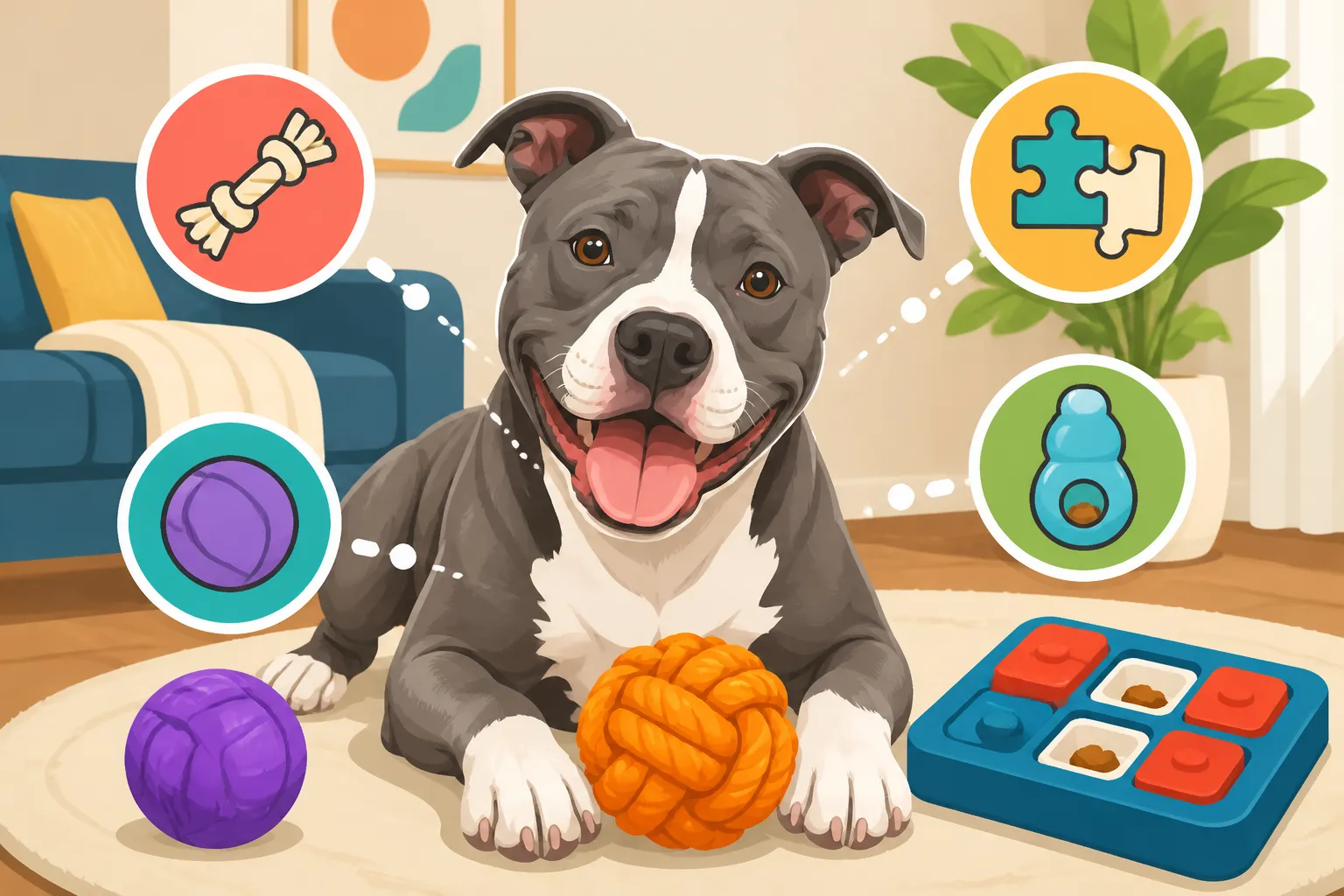
Indoor Games for a Housebound Pit Bull
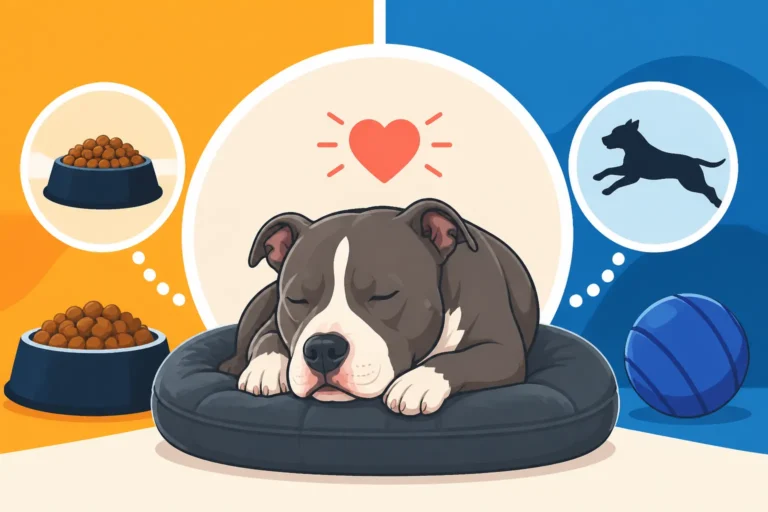
We all know the struggle: you look outside and see a blizzard, a torrential downpour, or the kind of scorching heat that makes the pavement sizzle. Or perhaps your beloved Pit Bull is recovering from a minor injury, or you're living in a rental that makes outdoor access a challenge. When getting outside for proper exercise isn't an option, a housebound Pit Bull can quickly become a bundle of pent-up energy, leading to frustration for both of you. This guide will walk you through a treasure trove of indoor games and activities to keep your powerful, intelligent companion mentally stimulated and physically content, even when confined to the great indoors.
Why Indoor Games Are Essential for Pit Bulls
It’s easy to think that a physically strong dog like a Pit Bull only needs physical exercise, but that's only part of the equation. Just like us, our dogs need to use their brains, too! Especially for a breed often misunderstood, providing consistent and enriching mental outlets is crucial for their well-being and your sanity.
Mental Stimulation Beyond Physical Exercise
Imagine being stuck inside all day with nothing to do. You'd probably get bored, restless, and maybe even a little destructive, right? Your Pit Bull feels the same way. These dogs are smart, often highly trainable, and thrive on having a "job." If they don't get enough mental exercise, that clever brain will find its own ways to entertain itself, and those ways aren't always what we'd prefer. Think about how a working dog needs to think and solve problems, not just run. Pit Bulls, with their eager-to-please nature and surprising problem-solving skills, benefit immensely from activities that make them focus and strategize. It taps into their natural instincts and helps burn energy in a much more constructive way than simply pacing or whining.
Beating Boredom and Destructive Behavior
A bored Pit Bull is an architect of chaos. Seriously, if you've ever come home to a shredded couch cushion, a suspiciously chewed table leg, or a trail of scattered trash, you know exactly what I'm talking about. Pit Bulls have powerful jaws and a drive to chew and investigate. If they're not given appropriate outlets, they’ll create their own. Destructive chewing, excessive barking, digging at carpets, or even house-soiling can often be direct symptoms of boredom and a lack of mental engagement. By introducing regular indoor games, you're not just passing the time; you're proactively preventing these common and frustrating behavioral issues. It's about channeling that incredible drive and energy into something positive. When they are physically tired from a good walk, but also mentally tired from solving a puzzle, that's when you get a truly happy and calm companion. If your Pit Bull tends to take out their boredom on your home, you might want to read A Pit Bull That Destroys Furniture When Alone.
Safe Outlets for Energy When Outdoors Isn't an Option
Life happens. Maybe your Pit Bull has a minor paw injury, and the vet said "rest only," or perhaps you live in an apartment complex with strict outdoor rules, or the weather is just plain awful. During these times, outdoor walks and strenuous play might be limited or impossible. This doesn't mean your Pit Bull's energy simply vanishes. It needs an outlet. Indoor games provide that much-needed release without putting undue stress on their body or risking further injury. They allow your dog to move, think, and engage in a safe, controlled environment. Plus, it builds a stronger bond between you and your dog, as you're actively participating in their enrichment.
Types of Engaging Indoor Games for Your Pit Bull
Now for the fun part! There are so many ways to entertain your Pit Bull indoors, tapping into their natural instincts and intelligence. Forget simply tossing a ball; these games engage their minds in deeper ways.
Scent Work and Nose Games
Pit Bulls have amazing noses, and letting them use them is incredibly enriching. Scent work is one of the best ways to tire a dog out mentally, often more effectively than a long walk. Think about it: sniffing uses a huge part of their brain!
- "Find It" Games: This is super simple and hugely rewarding. Start by having your dog sit and stay in one room. Show them a high-value treat, then hide it in an obvious spot in another room while they watch. Release them with a "find it!" command. As they get better, gradually increase the difficulty, hiding treats in harder spots – under a towel, behind a chair, in a box, or even underneath a blanket pile. You can use their regular kibble for this too, making mealtime a game.
- Cup Game (Shell Game): Line up three opaque cups. Let your Pit Bull watch as you place a treat under one cup. Shuffle the cups slowly and let them "find" the treat. This is a great way to build focus and problem-solving skills.
- Towel Roll-Up: Lay a towel flat, sprinkle some kibble or small treats across it, then roll it up tightly. Your Pit Bull has to figure out how to unroll it to get the rewards. You can even tie a knot in the middle for an extra challenge.
- Cardboard Box Hunt: Take a cardboard box (or a few different sized boxes) and scatter treats among crumpled paper or small toys inside. Your Pit Bull will love sniffing out and digging for the goodies. Just make sure the boxes are free of staples or tape that could be ingested.
You can learn more about this in Scent Work as Indoor Pit Bull Exercise.
Puzzle Toys and Interactive Feeders
These are fantastic tools for independent play and mental exercise, especially if you need to keep your Pit Bull occupied while you're busy with something else. The key is to choose durable options that can stand up to a Pit Bull's powerful jaws.
- Dispensing Toys: Brands like KONG are famous for their durable rubber toys that can be stuffed with peanut butter, yogurt, or even wet dog food and then frozen. Your Pit Bull will spend a good chunk of time trying to lick every last bit out. There are also ball-shaped dispensers where kibble falls out as the dog nudges and rolls it. Look for options on Chewy or Amazon that are specifically designed for strong chewers.
- Slide and Flip Puzzles: These are more intricate, often made of wood or hard plastic, where your dog has to slide panels, lift pieces, or push levers to reveal hidden compartments of food. They come in various difficulty levels, so you can start easy and work your way up. Always supervise your Pit Bull with new puzzle toys to ensure they understand how to use them and don't try to chew them apart. For truly tough options, check out Puzzle Feeders a Pit Bull Cannot Destroy.
- Snuffle Mats: These fabric mats have various textures and folds where you can hide kibble. Your Pit Bull has to use their nose and paws to "snuffle" around and find their meal. It slows down eating and provides excellent mental stimulation.
Training Sessions and Brain Teasers
Training isn't just for puppies or for fixing bad habits; it's a fantastic way to engage your Pit Bull's mind and strengthen your bond. Even five to ten-minute sessions throughout the day can make a big difference.
- Learning New Tricks: Pit Bulls are often quick learners. Teach them fun tricks like "spin," "bow," "weave through legs," or "play dead." Break down complex tricks into small steps and use positive reinforcement with High-Value Treats That Hold a Pit Bull's Focus. The mental effort of learning something new is incredibly tiring for a dog.
- Proofing Known Commands: Even if your Pit Bull knows "sit" and "stay," practice these commands in different rooms, with increasing distractions (like you moving around or making noises). This strengthens their understanding and builds their impulse control.
- Obstacle Course: Use household items to create a simple indoor agility course. Weave through chair legs, jump over a broomstick laid low between two objects, crawl under a blanket draped over cushions, or balance on a low stool. Make it a fun, low-pressure activity.
- "Clean Up" Game: Teach your Pit Bull to put their toys away in a basket. Start by rewarding them for picking up a toy, then for dropping it near the basket, and eventually for dropping it in the basket. It’s practical and mentally engaging! You can explore options for formal training in Pit Bull Training and Certification Costs.
Here's a quick overview of some engaging indoor games:
| Game Type | Description | Benefits | Example Activities |
|---|---|---|---|
| Scent Work | Utilizing your dog's powerful sense of smell to locate hidden treats or toys. | Highly mentally stimulating, reduces stress, builds confidence. | "Find It" games, Cup Game, Towel Roll-Up, Cardboard Box Hunt. |
| Puzzle Toys | Devices that require manipulation (licking, nudging, sliding) to access food or treats. | Independent mental engagement, slows eating, prevents boredom chewing. | KONGs, treat-dispensing balls, slider puzzles, snuffle mats. |
| Training Games | Structured sessions focused on learning new commands, tricks, or practicing known behaviors. | Boosts confidence, strengthens human-dog bond, provides mental workout. | "Spin," "Bow," "Weave," indoor obstacle course, "Clean Up" game. |
| Interactive Play | Games where you actively participate, encouraging controlled chasing, tugging, or retrieving. | Physical release, social interaction, reinforces manners. | Fetch in hallway, controlled tug, hiding games (you hide), flirt pole (modified indoors). |
Setting Up Your Home for Indoor Play Success
Before you dive into a full day of indoor fun, a little preparation goes a long way. This isn't just about safety; it's about making sure the games are enjoyable and effective for both you and your Pit Bull.
Creating a Safe Play Environment
Your Pit Bull is a strong, enthusiastic player, so ensuring their play space is safe is paramount.
- Clear the Clutter: Before starting any game, do a quick sweep of the area. Remove any small objects that could be accidentally swallowed, fragile items that could be knocked over, or anything you don't want chewed. This includes remote controls, shoes, children's toys, and decorative knick-knacks. A Pit Bull in full play mode can be surprisingly clumsy and powerful.
- Designate a Play Zone: If possible, establish a specific room or area where indoor games happen. This helps your dog understand boundaries and can prevent them from thinking the entire house is fair game for roughhousing. A carpeted area is usually better than slippery hard floors to prevent slips and falls, especially during active play.
- Supervise Actively: Even with the best preparation, supervision is key. Keep an eye on your Pit Bull, especially with new toys or games. Make sure they’re engaging with the toy as intended and not trying to dismantle it or eat non-edible parts. This also allows you to intervene if play gets too intense or if they seem to be losing interest.
Choosing the Right Gear for Durability
Pit Bulls are renowned for their powerful jaws and love of chewing. This means many "standard" dog toys simply won't last more than a few minutes. Investing in durable, appropriate gear is essential.
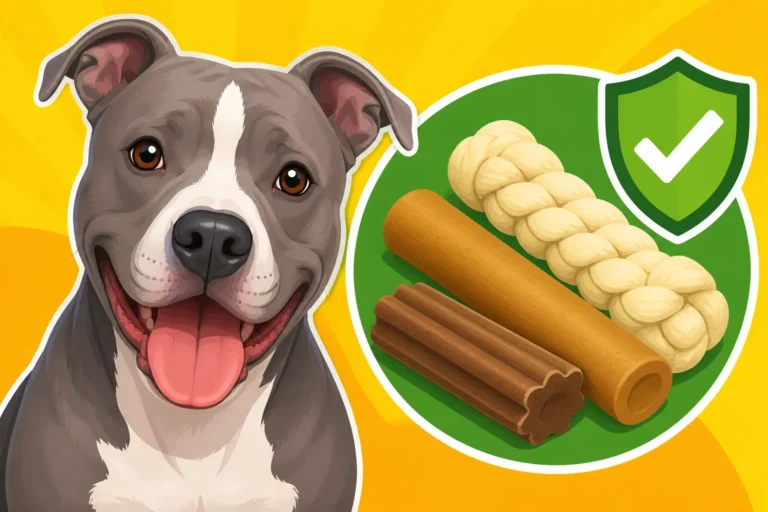
- Heavy-Duty Chews and Toys: Look for toys specifically marketed for "power chewers" or "aggressive chewers." Brands like KONG (their black extreme line), GoughNuts, West Paw, and Nylabone are often good starting points. Rubber toys tend to be more resilient than plush ones for Pit Bulls, but even those can be destroyed. Shop on Amazon or Chewy for a wide selection of these tougher toys, often with reviews from other power-chewer owners. You'll find more recommendations in Chew Toys That Hold Up to a Pit Bull.
- Interactive Feeder Construction: For puzzle toys, choose models made from sturdy, non-toxic plastics or wood that can withstand enthusiastic pawing and nudging, and resist attempts at chewing. Avoid anything with small, easily detachable parts.
- Treat Selection: For scent games and training, you'll want small, highly palatable treats. Think pea-sized pieces of cooked chicken, cheese, or specialized training treats from brands like Ollie. The value of the treat directly correlates to your Pit Bull's motivation to "work" for it.
Rotating Toys and Activities to Maintain Interest
Even the best toy or game can become boring if it's always available. Variety is the spice of life for dogs, too!
- Keep a Toy Library: Don't leave all your Pit Bull's toys out all the time. Instead, have a rotating selection. Keep a few toys available for daily use and store the rest away. Every few days or weeks, swap out the "old" toys for some "new" ones from the stash. This keeps things fresh and exciting, making even familiar toys feel novel again.
- Mix Up Game Types: Don't stick to just one kind of indoor game. Alternate between scent work one day, puzzle toys the next, and a training session the day after. This provides a diverse range of mental stimulation and prevents your Pit Bull from getting bored with a repetitive routine.
- Introduce Novelty: Occasionally, introduce a brand new toy or a new variation of an existing game. For example, instead of hiding treats under cups, try hiding them in a muffin tin with tennis balls on top. Small changes can spark renewed interest and keep their minds engaged.
Troubleshooting Common Indoor Play Challenges
Even with the best intentions and the most engaging games, you might run into a few bumps in the road. Pit Bulls are intelligent and opinionated, and sometimes their enthusiasm can be a bit much. Understanding how to navigate these challenges will make indoor play much more successful and enjoyable.
Over-Excitement and Rough Play
It's wonderful when your Pit Bull is excited to play, but sometimes that excitement can quickly escalate into a full-body slam or overly zealous nipping. This is common, especially with their powerful build and high energy levels.
- Keep Sessions Short and Sweet: Instead of one long, intense play session, break it up into several shorter ones throughout the day. This helps manage their arousal levels and prevents them from getting "over-amped."
- Practice Impulse Control: Incorporate commands like "wait," "leave it," or "settle" into your play. For instance, before you toss a toy, ask them to "wait" and reward them for holding still. If play gets too rough, immediately stop the game, ask for a "sit" or "down," and only resume when they are calm. This teaches them that calm behavior leads to more fun.
- Redirection and Time-Outs: If your Pit Bull starts nipping or getting too mouthy, redirect them to an appropriate chew toy. If they continue, calmly end the game and give them a short time-out in their crate or another quiet area until they've settled. The goal isn't punishment, but showing them that rough play stops the fun. You can find useful tips on managing energy in The Daily Exercise a Pit Bull Actually Needs.
Losing Interest Quickly
You've spent good money on a fancy puzzle toy, or meticulously set up a scent game, only for your Pit Bull to sniff it once and walk away. It's frustrating, but it happens!
- Start Easy, Build Difficulty: If a game is too hard, your Pit Bull might get frustrated and give up. If it's too easy, they might get bored. Always start with the simplest version of a game to ensure success, then gradually increase the challenge. For instance, with a puzzle toy, leave some treats visible or make it very easy to open initially.
- Increase the Value of the Reward: Is the treat you're using exciting enough? For some Pit Bulls, plain kibble just won't cut it when there are more interesting things to do. Try using higher-value treats like cooked chicken, cheese, or small pieces of a new, tasty chew. Brands like Ollie offer high-quality, palatable options perfect for motivating picky players.
- Make it a Shared Experience: Sometimes, your Pit Bull just wants to interact with you. Don't just set a toy down; actively participate. Encourage them, praise them, and celebrate their successes. Your enthusiasm can be contagious and make the game much more appealing.
- Don't Force It: If your Pit Bull isn't interested right now, don't force them. Put the game away and try again later, or switch to a different activity. Sometimes they're just not in the mood.
Resource Guarding During Play
Pit Bulls, like many breeds, can develop resource guarding tendencies, where they become protective of toys, food, or even their space. If your Pit Bull growls or stiffens when you approach them during play, it's important to address this calmly and effectively. Understanding their body language is crucial, and you can learn more about this in Reading a Pit Bull Growl Correctly.
- The "Trade" Game: This is a fantastic exercise to build trust and teach your Pit Bull that you approaching their valuable item leads to something even better. While they have a high-value toy, offer them an even higher-value treat. As they drop the toy to take the treat, praise them and immediately give the toy back. Repeat this many times, gradually increasing the time they hold the treat before getting the toy back. This teaches them that giving up an item is rewarding and that you won't just take things away.
- Management Over Confrontation: If your Pit Bull is guarding a specific item, avoid directly confronting them. Instead, manage the environment. Pick up all high-value items when you can't supervise. Provide only one highly valued toy at a time, or separate dogs in a multi-dog household during chew time.
- Practice "Drop It" and "Leave It": These commands are essential for safety and managing resource guarding. Practice them frequently with lower-value items first, always rewarding success with praise and a treat. Build up to higher-value items in a controlled, non-threatening way. Never punish your dog for guarding, as this can make the behavior worse. Seek professional help from a certified positive reinforcement trainer if resource guarding is severe or escalates.
By understanding these challenges and applying consistent, positive strategies, you can ensure that indoor games remain a fun, safe, and enriching experience for your Pit Bull, no matter the weather outside.
Disclaimer
This article is for general informational purposes only and does not constitute professional advice. Laws, prices and regulations vary by location and change over time. Consult a qualified professional for guidance on your specific situation.