How Public Opinion on Pit Bulls Has Shifted
It can be incredibly frustrating and disheartening when the world sees your beloved dog through a lens of fear and misconception. For Pit Bull owners, this is an all too common reality, where the prevailing public narrative often overshadows the true nature of these wonderful, affectionate dogs. This guide delves into how public opinion on Pit Bulls has dramatically shifted over the decades, exploring the factors that led to this change and the ongoing efforts to reshape their image.
The Pit Bull's Original Image: American Icons and Loyal Companions
Long before negative stereotypes took root, Pit Bull type dogs held a revered place in American homes and culture. They were seen as symbols of courage, loyalty, and companionship, embodying many of the values that Americans admired. Their sturdy build and unwavering devotion made them popular choices for families, farmers, and even as patriotic mascots.
The "Nanny Dog" Myth and Family Life
One of the most persistent, yet ultimately misleading, historical narratives surrounding Pit Bulls is the "nanny dog" myth. While the term itself likely wasn't in widespread use, the sentiment behind it was certainly present. These dogs were frequently pictured with children, depicted as watchful protectors and gentle playmates, entrusted with the care of the youngest family members. They were seen as integrated members of the household, celebrated for their patience and resilience. What the Pit Bull Nanny Dog Story Rests On explores the origins and inaccuracies of this charming but dangerous idea.
Families throughout the early to mid-20th century often chose Pit Bulls for their reputed good nature and perceived reliability with kids. They were common sights in family photos, advertisements, and even as popular characters in media, reflecting a societal acceptance and fondness that is hard to reconcile with today's prevailing fear. Owners would often speak of their Pit Bulls' remarkable tolerance for child's play, seeing them as a natural fit for active, bustling homes. This early positive association laid a strong foundation of trust and affection within American communities.
Pit Bulls as Patriotic Symbols and War Heroes
Beyond their roles as family companions, Pit Bulls also served as powerful national symbols during times of war and cultural shifts. Their tenacious spirit, courage, and loyalty were perfectly aligned with the American ideal of perseverance. This led to their widespread adoption as mascots, both formal and informal, representing the grit and determination of the nation.
Perhaps the most famous example is Sergeant Stubby, a Pit Bull type dog who became a decorated war hero in World War I, embodying the bravery and steadfastness attributed to the breed. Pit Bulls in Film, Advertising and Media delves deeper into these historical depictions. These stories were not outliers; they reflected a broader societal view where Pit Bulls were celebrated for their strong character, intelligence, and working capabilities, making them true American heroes in the public imagination.
The Erosion of Trust: Media Scrutiny and Sensationalism
The positive image of the Pit Bull began to unravel dramatically in the latter half of the 20th century, largely fueled by sensationalized media coverage and a growing misunderstanding of dog behavior. Isolated incidents, often involving dogs misidentified as Pit Bulls or dogs with unknown histories, were amplified, creating a narrative of inherent danger. This shift from beloved family dog to feared aggressor happened relatively quickly and with devastating consequences for the breed's reputation.
The Rise of Negative Media Portrayals
As dogfighting became a more public issue and certain types of dogs, including Pit Bulls, were unfortunately exploited for illegal purposes, media outlets began to focus on these darker aspects. News reports often highlighted dog attacks, almost always associating them with the "Pit Bull" label, regardless of the actual breed or circumstances. This constant barrage of negative headlines created a powerful and persistent image in the public consciousness: the Pit Bull as a dangerous animal.
These portrayals often lacked nuance, failing to differentiate between responsible ownership and abuse, or between various bull and terrier type breeds. The term "Pit Bull" itself became a catch-all for any powerfully built dog, further muddying the waters. Every time a dog was involved in an unfortunate incident, if it even remotely resembled a Pit Bull, that was the label applied, reinforcing a cycle of fear and misinformation. How Media Coverage Shapes Pit Bull Perception provides more context on this phenomenon.
The Impact of Breed Misidentification
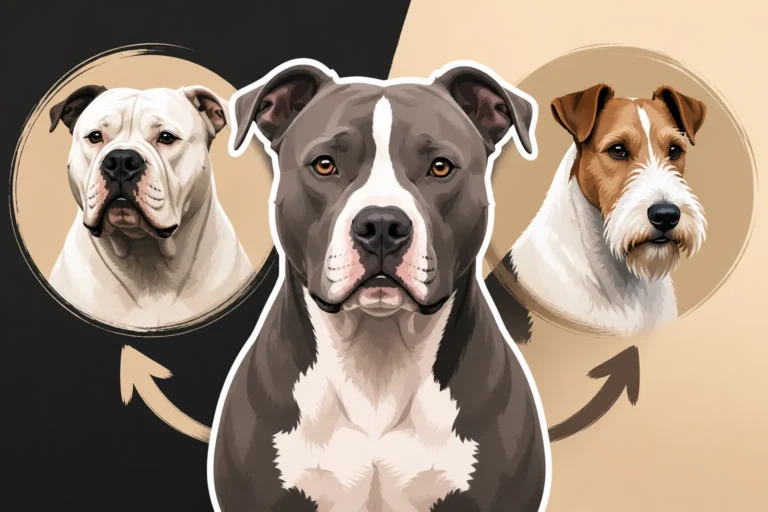
A critical factor in the decline of public opinion has been the rampant misidentification of breeds. Many dogs that are visually identified as "Pit Bulls" are, in fact, mixes of various breeds, or even other distinct breeds entirely, such as American Bulldogs or Boxers. However, once an incident occurs, the label "Pit Bull" is often the first to be assigned, due to its common usage and the prevailing negative narrative. This phenomenon has been well-documented, with studies showing that visual identification alone is often inaccurate.
This misidentification has a profound impact, as it unfairly attributes incidents to a broad "type" of dog, rather than investigating the specific circumstances, responsible ownership, or individual animal behavior. The public, without access to accurate breed information, readily accepts these labels, further solidifying the perception that "Pit Bulls" are uniquely dangerous. This perpetual cycle of misidentification fuels the negative stereotype, making it incredibly difficult for advocates to present a factual counter-narrative. Why Pit Bull Is a Type and Not a Breed helps clarify the complexities of this breed identification.
The Era of Breed-Specific Legislation and Public Fear
The growing media fear mongering culminated in a wave of breed-specific legislation (BSL) across the United States and other countries. These laws, which ban or severely restrict ownership of certain breeds (primarily Pit Bulls and similar types), were a direct reflection of public panic and a desperate attempt by lawmakers to address perceived safety concerns. This era solidified the Pit Bull's image as a public menace in the eyes of many.
Laws That Targeted a Type of Dog
Starting in the 1980s, cities and counties began enacting ordinances that made it illegal to own, breed, or even transport dogs identified as Pit Bulls. These laws were often passed in response to high-profile dog bite incidents, with the public demanding immediate action. The underlying assumption was that these dogs were inherently dangerous, and therefore, removing them would enhance public safety. Unfortunately, these measures largely failed to address the complex factors contributing to dog bites, such as irresponsible ownership, lack of socialization, or abuse.
The implementation of BSL not only displaced countless innocent dogs from their homes but also reinforced the idea that Pit Bulls were inherently flawed and dangerous. For many communities, seeing signs and laws explicitly targeting these dogs validated their fears, making it even harder for Pit Bull owners to feel accepted or safe. The direct consequence was that families were forced to choose between their beloved pets and their homes, or to navigate a labyrinth of complex and often punitive regulations.
Social Stigma and Discrimination
Beyond legal restrictions, BSL created a pervasive social stigma that deeply affected Pit Bull owners. Landlords, insurance companies, and even veterinarians sometimes became hesitant to work with these dogs, fearing liability or simply succumbing to the prevailing negative sentiment. Owners found themselves facing housing discrimination, exorbitant insurance premiums, or outright denial of coverage, simply because of the dog they chose to love. This made the everyday realities of Pit Bull ownership incredibly challenging and isolating.
The stigma extended into public spaces. Pit Bull owners often report feeling judged, receiving dirty looks, or even having people cross the street to avoid their dogs. Children were sometimes excluded from playdates, or parents of Pit Bulls were hesitant to bring their dogs to public parks, fearing negative reactions or potential accusations. This constant pressure and judgment created a deep sense of injustice among Pit Bull advocates, who knew their dogs to be gentle, loving companions, entirely at odds with their public image. Finding suitable durable goods, like a specific type of tough chew toy or an escape-proof crate, often meant navigating limited options or looking to larger online retailers like Chewy, because local stores might not stock items for breeds perceived as "troublesome" or might not cater to their specific needs for durability.
The Advocacy Wave: Changing Hearts and Minds
Despite the entrenched negative perceptions and restrictive laws, a powerful counter-movement began to emerge. Pit Bull advocates, rescue organizations, and responsible owners tirelessly worked to educate the public, dispel myths, and showcase the true nature of these dogs. This advocacy wave has been instrumental in gradually shifting public opinion back towards a more balanced and informed perspective.
Rescue Organizations Leading the Charge
Pit Bull rescue organizations have been at the forefront of this effort, working tirelessly to save dogs from shelters where they face disproportionately high euthanasia rates. These groups provide care, rehabilitation, and responsible adoption services, often going above and beyond to prepare dogs for successful lives in new homes. They organize adoption events, share success stories, and actively challenge stereotypes through direct interaction with the public. Pit Bull Rescue and Breed Advocacy Groups highlights some of these essential efforts.
Many of these organizations partner with local animal control and humane societies to improve identification practices and ensure that dogs are evaluated as individuals rather than by breed label. They often use social media and local outreach to share heartwarming stories, showcasing the Pit Bull's versatility in various roles, from therapy dogs to loyal family pets. This direct, positive exposure is crucial for chipping away at years of negative conditioning. When these groups need to stock up on essentials like quality food, sturdy leashes, or health supplements for their rescues, they often turn to accessible online pet stores like Chewy for bulk orders and reliable delivery.
Education and Debunking Myths
A key component of advocacy has been widespread education aimed at debunking common myths and providing accurate information about dog behavior. Advocates emphasize that dog aggression is a complex issue, influenced by genetics, environment, training, and individual temperament, rather than being exclusive to any single breed. They highlight statistics on bite incidents, pointing out that breed alone is not a reliable predictor of risk, and that many factors contribute to bites.
Educational campaigns often focus on responsible pet ownership, stressing the importance of proper socialization, training, and supervision for all dogs, regardless of breed. They aim to empower the public with knowledge, encouraging them to look beyond appearance and evaluate dogs based on their individual behavior and history. Many trainers and behaviorists, recognizing the challenges Pit Bulls face, offer specialized classes and resources. Owners looking for high-quality educational materials or specific training aids often find a vast selection on platforms like Chewy, along with reviews from other pet parents facing similar situations.
Canine Good Citizen and Therapy Dog Programs
Demonstrating the true temperament of Pit Bulls has been another powerful tool in changing public opinion. Programs like the American Kennel Club's Canine Good Citizen (CGC) test, which assesses a dog's basic manners and reliability in public, have been embraced by Pit Bull owners. Successfully passing the CGC test provides tangible proof of a dog's good behavior and responsiveness to commands, helping to challenge the stereotype of an uncontrollable animal. Canine Good Citizen and Why It Matters for a Pit Bull explains the value of this certification.
Beyond CGC, many Pit Bulls have gone on to become certified therapy dogs, bringing comfort and joy to people in hospitals, nursing homes, and schools. Their gentle nature, coupled with their often intimidating appearance, makes them powerful ambassadors, capable of disarming fear and replacing it with warmth. These dogs, with their wagging tails and calm demeanors, directly contradict the negative stereotypes, creating powerful, positive interactions that gradually shift individual and collective perceptions.
Shifting Tides: A Glimmer of Hope and Ongoing Challenges
While the battle for a positive Pit Bull image is far from over, there are undeniable signs that public opinion is slowly but steadily shifting. More communities are revisiting and repealing breed-specific legislation, and a growing number of people are adopting Pit Bulls, drawn to their affectionate personalities and resilience. However, significant challenges remain, requiring continued vigilance and advocacy.
Repealing Breed-Specific Legislation
One of the most significant indicators of changing public opinion is the growing trend towards repealing BSL. Over the past decade, numerous cities and even entire states have moved away from breed-specific bans, opting instead for breed-neutral dangerous dog laws that focus on individual dog behavior and owner responsibility. This shift reflects a greater understanding among lawmakers and the public that targeting specific breeds is ineffective and unfair. Why Support for Pit Bull Bans Has Fallen elaborates on this positive development.
These repeals are often the result of tireless advocacy by local groups, who present data, share personal stories, and demonstrate that responsible ownership and effective enforcement of existing animal control laws are far more impactful than breed bans. While pockets of BSL still exist, the momentum is clearly moving towards more equitable and evidence-based approaches to canine public safety. This progressive change signals a growing willingness among the public to reconsider old biases.
Increased Adoption Rates and Public Acceptance
Anecdotal evidence from shelters and rescue groups suggests that Pit Bulls are finding homes more readily than in previous decades. While they still face challenges and often wait longer for adoption than some other breeds, there is a noticeable increase in public acceptance. More families are looking past the "Pit Bull" label and seeing the individual dog, opening their homes and hearts to these loving animals.
This growing acceptance is often driven by personal experiences – a friend's well-behaved Pit Bull, a heartwarming story seen online, or an encounter with a therapy dog. As more Pit Bulls live peacefully in communities, these positive interactions become contagious, slowly eroding the fear that once dominated public discourse. Finding the right gear for these adopted dogs, from comfortable harnesses to durable beds, is often made easier by wide selections available from pet supply companies like Chewy, which cater to a diverse range of breeds and sizes, making it convenient for new owners.
Remaining Hurdles and Future Efforts
Despite these positive shifts, Pit Bulls and their owners still face significant hurdles. Housing and insurance discrimination remain prevalent in many areas, creating ongoing stress and limitations for owners. The negative stereotype, while fading, is deeply ingrained and can resurface with sensationalized media coverage of isolated incidents. Furthermore, the sheer volume of Pit Bull type dogs in shelters means that many still do not find homes.
The future of public opinion on Pit Bulls hinges on continued education, advocacy, and positive exposure. It means supporting responsible breeders, fostering strong rescue networks, and empowering owners with the tools and knowledge to raise well-adjusted, ambassador dogs. It requires a societal commitment to judge dogs as individuals, based on their behavior and the responsibility of their owners, rather than by outdated and often inaccurate breed labels. By consistently showcasing their true nature – loving, loyal, and adaptable – we can continue to heal the Pit Bull's tarnished image, one wagging tail at a time. The Twelve to Sixteen Years a Pit Bull Gets highlights the long commitment involved in Pit Bull ownership, reinforcing the importance of responsible care.
Comparing Past and Present Public Perceptions
To truly grasp the extent of the shift in public opinion, it's helpful to look at a comparative overview of how Pit Bulls were generally perceived in different eras. This table illustrates the dramatic contrast between their historical image and the challenges they faced, as well as the progress being made today.
| Aspect of Perception | Early 20th Century (Historical) | Late 20th Century (Peak Negative) | Early 21st Century (Current Trends) |
|---|---|---|---|
| Role in Family | Beloved family member, "nanny dog" (myth) | Feared liability, potential threat | Affectionate companion, requires responsible ownership |
| Public Symbolism | Patriotic icon, symbol of courage and loyalty | Symbol of danger, aggression, and criminality | Resilient, misunderstood, loyal friend, therapy dog potential |
| Media Representation | Positive, heartwarming stories, advertisements | Sensationalized attacks, focus on dogfighting | Balanced (still some negative), advocacy, success stories |
| Legislation/Policy | Generally no breed-specific laws | Widespread breed-specific bans (BSL), housing restrictions | Repeals of BSL, focus on individual behavior, ongoing challenges |
| Adoption/Ownership | Popular choice, integrated into daily life | Difficult to adopt, high shelter euthanasia rates | Increased adoption, but still faces hurdles, discrimination |
| Perception of Danger | Minimal, seen as reliable | High, seen as inherently dangerous | Lowering, but still present; understood as complex issue |
This table clearly illustrates the journey of the Pit Bull in the public eye, from a cherished icon to a maligned menace, and now, gradually, back towards a more nuanced understanding. The shift wasn't linear, and the work to fully restore their reputation continues.
Disclaimer
This article is for general informational purposes only and does not constitute professional advice. Laws, prices and regulations vary by location and change over time. Consult a qualified professional for guidance on your specific situation.