The Twelve to Sixteen Years a Pit Bull Gets
It's heartbreaking to think that our beloved Pit Bulls won't be with us forever, and grappling with the uncertainty of their lifespan can be a real source of anxiety for any owner. You want to give them the best life possible, and understanding how long that might be, and what factors play into it, is crucial for planning their care. This guide is here to shed some light on the typical longevity of Pit Bulls and what you can do to help them live their fullest, healthiest lives, potentially spanning twelve to sixteen glorious years.
Understanding the Typical Pit Bull Lifespan
When we talk about a "Pit Bull," we're often referring to a type of dog, not a single breed. This group commonly includes the American Pit Bull Terrier, the American Staffordshire Terrier, and sometimes even the Staffordshire Bull Terrier or American Bully. While there can be slight variations between these specific breeds, their general lifespan tends to fall within a fairly consistent range. Most healthy Pit Bull type dogs will enjoy a good 12 to 14 years, with many reaching 15 or even 16 years, especially with excellent care. It's a wonderful run, filled with endless affection and playful antics, but it's also a journey that requires commitment to their health from day one.
The truth is, seeing your Pit Bull reach the higher end of that spectrum, say 14 to 16 years, often comes down to a combination of good genetics and diligent, proactive ownership. Some dogs just seem to be blessed with robust constitutions, while others might face early health hurdles. It's not a guarantee, but it's certainly a goal we all strive for as loving pet parents. Knowing this range helps you set realistic expectations while also motivating you to provide the best environment for your furry family member.
Key Factors That Influence Pit Bull Longevity
So, what truly dictates whether your Pit Bull becomes a sprightly senior or faces challenges earlier in life? It’s a complex interplay of several factors, some within your control and some that are simply down to the luck of the draw. Understanding these can empower you to make informed decisions for your dog's long-term well-being.
The Role of Genetics and Responsible Breeding
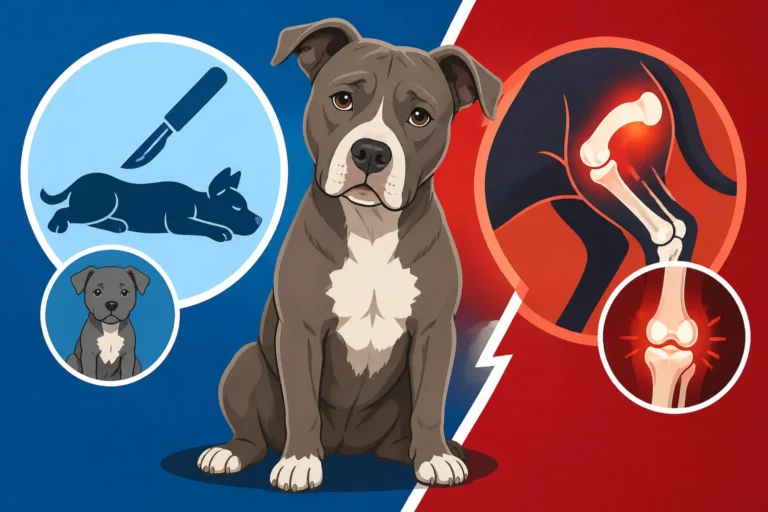
Genetics play an undeniable role in a dog's predisposition to certain health conditions that can shorten their life. When you get a puppy from a reputable breeder, they should be transparent about the health history of the parent dogs and their lines. They'll perform screenings for common issues that can plague the breed type, like hip and elbow dysplasia, certain heart conditions, and even some neurological disorders. For instance, knowing about a history of Pit Bull Hip Dysplasia Showing at One to Two Years in a bloodline allows you to be proactive with preventative care and early intervention.
A responsible breeder is actively working to reduce the incidence of these hereditary problems, contributing to stronger, healthier generations. Conversely, buying from a backyard breeder or an irresponsible source might mean you're unaware of potential genetic landmines, which could lead to significant health issues down the road. These early health problems can not only be costly but can also shave years off your Pit Bull's life. It’s a frustration many new owners face, discovering unexpected conditions that could have been screened for.
Nutrition and Weight Management
What you feed your Pit Bull and how much they weigh can dramatically impact their lifespan. A high-quality, balanced diet provides the essential nutrients for strong bones, healthy organs, and a robust immune system. Think about it: a diet lacking in proper nutrients is like trying to run a high-performance car on cheap fuel – it might work for a while, but it'll eventually break down. Overfeeding, leading to obesity, is one of the biggest silent killers for dogs. Excess weight puts immense strain on joints, exacerbates conditions like Pit Bull Obesity and Joint Strain, and increases the risk of heart disease, diabetes, and certain cancers. It’s a common challenge for Pit Bull owners because these dogs often have hearty appetites and can quickly pack on pounds if not managed carefully. We often assume they need more food because they're muscular, but it's about quality calories and appropriate portion control. For guidance, consider our article on Feeding a Pit Bull to Keep Muscle Without Fat.
Consistent Exercise and Mental Stimulation
Pit Bulls are athletic, intelligent dogs that thrive on regular physical activity and mental engagement. A sedentary lifestyle isn't just boring for them; it's detrimental to their health. Regular exercise helps maintain a healthy weight, strengthens muscles, supports joint health, and keeps their cardiovascular system in top shape. It also helps manage stress and can prevent destructive behaviors born out of boredom. A Pit Bull that gets sufficient exercise is generally happier, more settled, and less prone to the kind of stress that can manifest as physical ailments.
Beyond physical activity, mental stimulation is equally important. Puzzle toys, training sessions, and interactive games keep their minds sharp and engaged, which is just as vital for longevity as physical fitness. A bored Pit Bull can become a destructive one, but a mentally stimulated Pit Bull is a thriving one. For more ideas on how to keep your powerful canine fit, check out our guide on Pit Bull Exercise for a Powerful Athletic Dog.
Proactive Veterinary Care and Preventative Measures
Regular visits to the vet aren't just for when your dog is sick; they're essential for preventative care. Annual check-ups allow your veterinarian to catch potential health issues early, often before they become serious or untreatable. This includes vaccinations, parasite control (fleas, ticks, heartworm), and routine blood work as your dog ages. Discussing things like appropriate timing for spaying or neutering, as covered in When to Neuter a Pit Bull Without Costing Joints, is also part of this proactive approach.
Beyond the routine, being observant of any changes in your Pit Bull's behavior, appetite, or physical condition is paramount. Early detection of conditions like Pit Bull Skin Allergies and the Atopy Pattern or noticing signs of discomfort can make a huge difference in treatment success and overall prognosis. Prompt treatment for illnesses, injuries, and chronic conditions can prevent them from escalating and seriously impacting their quality of life and longevity. This is where pet insurance, like plans offered by Healthy Paws, can be incredibly helpful, ensuring you don't have to choose between your dog's health and your budget when unexpected medical needs arise.
Common Health Challenges That Can Impact Longevity
No dog is immune to health issues, and Pit Bulls, like any other type, have their common ailments. Being aware of these can help you be vigilant and proactive, potentially mitigating their impact on your dog's overall lifespan.
Joint and Bone Conditions
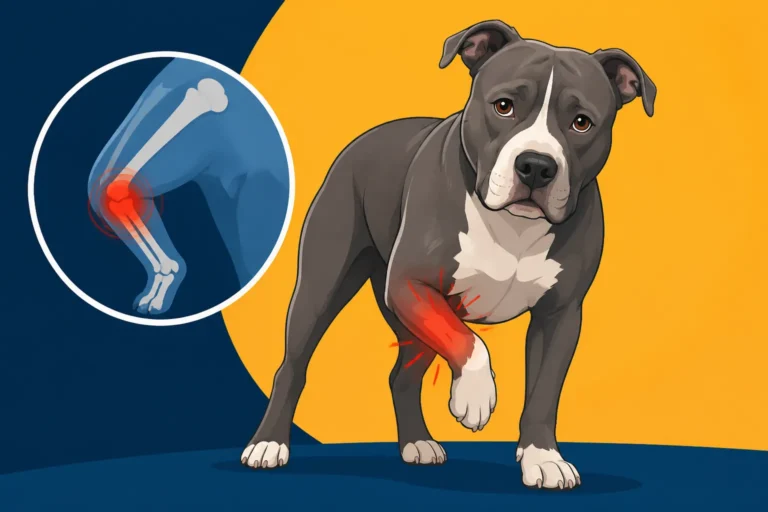
Due to their muscular build and athletic nature, Pit Bulls can be prone to certain orthopedic issues. Hip and elbow dysplasia are unfortunately common, leading to arthritis and pain as they age. While genetics play a role, lifestyle factors like maintaining a healthy weight and avoiding excessive high-impact activities during puppyhood can help manage and reduce the severity of these conditions. The discomfort from these joint problems can severely impact a dog's mobility and quality of life, indirectly affecting their desire to move and exercise, which then spirals into other health issues. For more detailed information, you can read about Pit Bull Joint and Ligament Injuries.
Allergies and Skin Issues
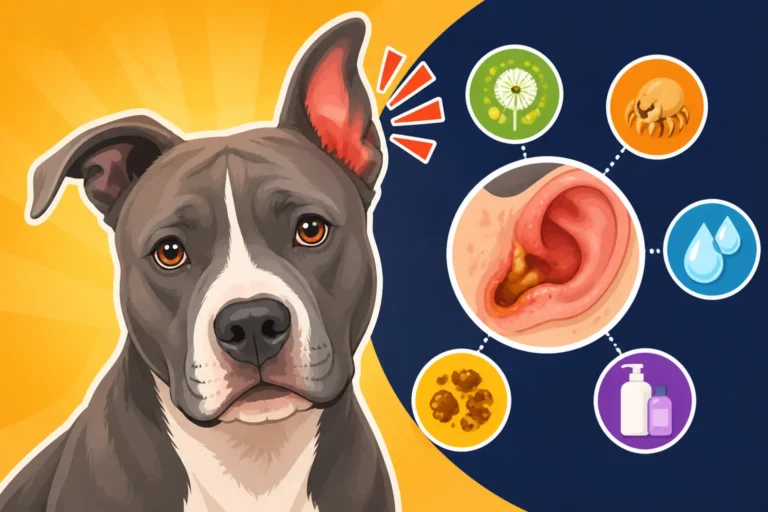
Many Pit Bulls struggle with environmental or food allergies, leading to chronic skin irritation, ear infections, and paw licking. While not directly life-threatening, chronic allergies can significantly impact a dog's comfort and quality of life. Constant itching and scratching can lead to secondary bacterial or yeast infections, requiring ongoing medication and vet visits. If left unmanaged, the chronic inflammation and discomfort can impact their overall well-being and stress levels. Owners often feel frustrated by the persistent nature of these conditions, trying diet after diet and medication after medication to find relief.
Heart and Thyroid Conditions
Pit Bulls can be susceptible to certain heart conditions, such as aortic stenosis, a narrowing of the artery leaving the heart. Early detection through regular vet check-ups can allow for management, though severe cases can impact longevity. Additionally, hypothyroidism, an underactive thyroid gland, can affect Pit Bulls. This condition can lead to weight gain, lethargy, and skin problems, and if left untreated, it can have serious health consequences. Regular blood work, especially as your Pit Bull enters their middle years, can help identify these issues early. Our article on Pit Bull Heart and Thyroid Conditions offers more insight.
Dental Disease
It might seem minor, but dental disease is a huge problem for dogs and can shave years off their lives. Plaque and tartar build-up lead to gum disease, pain, and tooth loss. More seriously, the bacteria from severe dental infections can enter the bloodstream and affect vital organs like the heart, kidneys, and liver. Pit Bulls, with their strong jaws and love for chewing, can also be prone to broken teeth, which require prompt veterinary attention. Establishing a consistent dental care routine from a young age is paramount to preventing these issues, as detailed in Pit Bull Dental Disease and Hard Chewing.
Cancer
As with many breeds, cancer is a leading cause of death in older Pit Bulls. Different types of cancers can affect them, and while some are treatable, others are aggressive. The key here, as always, is early detection. Regular physical exams, feeling for any new lumps or bumps, and being attentive to changes in appetite, energy levels, or weight are crucial. Knowing what signs to look for can be life-saving. For information on specific types, you might find our resource on Cancers That Show Up in an Older Pit Bull helpful. When a cancer diagnosis occurs, having pet insurance like Healthy Paws can provide immense financial relief, allowing you to focus on treatment options rather than the daunting costs.
Maximizing Your Pit Bull's Lifespan
While some factors are out of our hands, there's so much you can actively do to promote a long, healthy life for your Pit Bull. It boils down to consistent, attentive care through all stages of their life.
Prioritize Preventative Healthcare
This cannot be stressed enough. Stick to your vet's recommended schedule for vaccinations, deworming, and parasite prevention. These simple steps protect your Pit Bull from a host of preventable diseases that can significantly impact their health and lifespan. Don't skip annual check-ups, even if your dog seems perfectly fine. Your vet is trained to spot subtle changes or early warning signs that you might miss. Regular health screenings, especially as your Pit Bull ages, can detect issues like Hypothyroidism and a Thinning Pit Bull Coat or early signs of kidney disease, allowing for timely intervention. This proactive approach is the backbone of a long and healthy life.
Maintain an Ideal Body Weight
This is huge. A lean Pit Bull is a healthier Pit Bull. Work with your vet to determine your dog's ideal body weight and then stick to a feeding plan that helps them maintain it. This often means carefully measuring food portions, limiting treats, and ensuring they get enough exercise. It's easy to spoil them with extra food, but it's a kindness that can unknowingly shorten their lives. Every extra pound your Pit Bull carries puts additional stress on their joints, heart, and other organs, making them more susceptible to various health problems.
Provide a Balanced Diet
Choose a high-quality dog food appropriate for your Pit Bull's age, activity level, and any specific health needs. Look for foods with real meat as the first ingredient and avoid excessive fillers. Some Pit Bulls with allergies may benefit from limited ingredient diets or novel protein sources. Always ensure fresh water is available. If you're ever in doubt about what to feed, consult your veterinarian. They can offer personalized dietary advice to ensure your dog is getting all the necessary nutrients without overdoing it on calories.
Ensure Adequate Exercise and Mental Enrichment
Aim for at least 60-90 minutes of moderate to vigorous exercise daily for an adult Pit Bull, ideally split into multiple sessions. This could include brisk walks, jogging, playing fetch, or dog sports. Couple this with regular mental stimulation through training, puzzle toys, and interactive games. A physically and mentally satisfied Pit Bull is less likely to engage in destructive behaviors and will generally lead a more fulfilling life. Remember, a tired Pit Bull is a happy Pit Bull!
Foster a Safe and Loving Environment
A stress-free environment, filled with love and positive reinforcement, contributes significantly to a dog's overall well-being. Ensure your Pit Bull has a comfortable, safe place to rest, consistent routines, and plenty of positive interactions with family members. A secure yard, free from hazards, also allows for safe outdoor play. Just like people, dogs thrive in a stable, predictable, and affectionate home. The emotional health of your Pit Bull is just as important as their physical health.
Navigating the Senior Years with Your Pit Bull
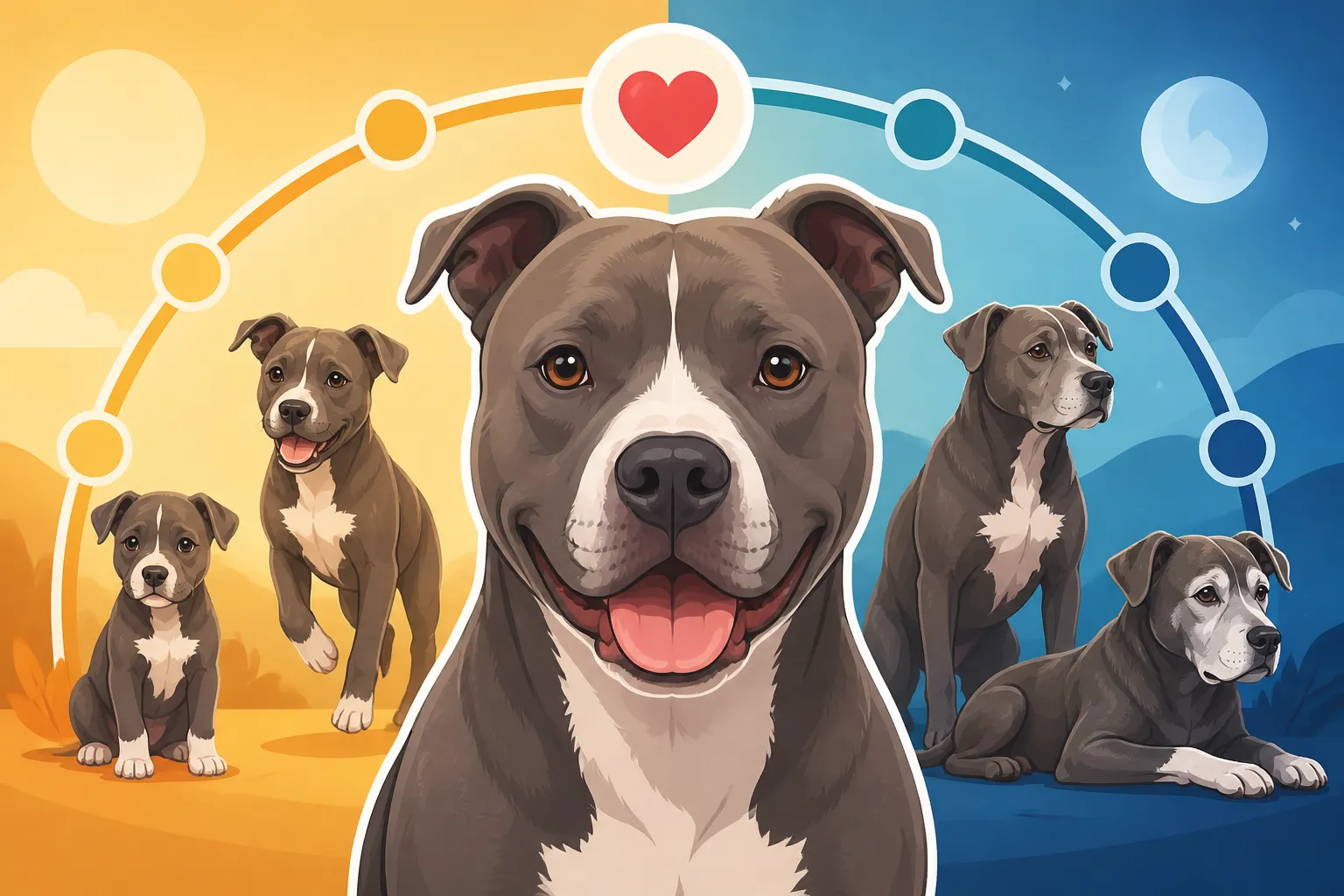
As your Pit Bull enters their golden years – typically starting around seven to eight years of age, though it varies – their needs will change. These years can be incredibly rewarding, but they also require extra attention and care to ensure their comfort and quality of life.
Recognizing the Signs of Aging
It's natural for Pit Bulls to start slowing down as they age. You might notice them sleeping more, having less stamina on walks, or being a little stiffer when they get up. Their vision or hearing might decline, and their coat might thin or turn grey around the muzzle. They may develop lumps and bumps, some benign, others requiring veterinary attention. It’s important not to dismiss these changes as "just old age" but to bring them to your vet's attention, as many age-related conditions can be managed or treated. Being observant and understanding these shifts can help you provide appropriate care and make timely decisions.
| Age Range (Typical) | Common Physical Changes | Care Considerations |
|---|---|---|
| 7-9 Years | Early stiffness, reduced stamina, mild weight gain | Introduce joint supplements, adjust exercise intensity, monitor diet, start semi-annual vet checks. |
| 10-12 Years | Increased stiffness, some muscle loss, dental issues | Soft bedding, ramps/steps for beds/cars, regular dental cleanings, pain management if needed, focus on comfort. |
| 13+ Years | Significant mobility issues, cognitive decline, sensory loss | Frequent vet visits, specialized senior diet, careful monitoring for pain, enrichment for mental well-being, easy access to necessities. |
Adjusting Their Routine and Care
As your Pit Bull ages, you’ll need to adjust their daily routine to accommodate their changing needs. Shorter, more frequent walks might replace long hikes, and softer bedding can ease joint pain. Puzzle toys and gentle games can still provide mental stimulation without overtaxing their bodies. Regular grooming becomes even more important, as older dogs might struggle to groom themselves. Consider adding ramps or steps to help them get onto furniture or into the car, preserving their independence and preventing injury. This is where pet insurance from providers like Healthy Paws can be a lifesaver, covering the increased vet visits and specialized care that often accompany a senior dog. For a comprehensive guide on what to expect, refer to Caring for a Pit Bull in Its Second Decade.
Maintaining Regular Veterinary Check-ups
Senior Pit Bulls should ideally have vet check-ups every six months, rather than annually. This allows for closer monitoring of age-related conditions, such as arthritis, kidney disease, Heart Disease in a Pit Bull, or diabetes. Early detection and management of these conditions can significantly improve their quality of life and potentially extend their comfortable years. Regular blood work and urinalysis can help catch issues before they become advanced. These frequent check-ups are also an opportunity to discuss any behavioral changes or concerns you might have, like increased anxiety or confusion, which can be signs of cognitive decline. Our guide on How Often a Ten Year Old Pit Bull Needs Checking provides more information on this.
Ensuring Comfort and Quality of Life
The ultimate goal for our senior Pit Bulls is to ensure they remain comfortable and enjoy a good quality of life. This means being attentive to their pain levels and working with your vet on pain management strategies if needed. It also means adapting your home to make it more accessible and safe for them. Most importantly, continue to provide them with love, attention, and mental engagement. Their golden years are a precious time, and by being proactive and compassionate, you can help your Pit Bull enjoy every single one of those twelve to sixteen years, and perhaps even more.
What Takes Years Off a Pit Bull
Sometimes, despite our best efforts, certain factors can unfortunately shorten a Pit Bull's life. Beyond the genetic predispositions we discussed earlier, preventable issues and accidents are significant contributors. Understanding these risks can help owners be more vigilant. For example, uncontrolled obesity not only strains joints but also puts immense pressure on internal organs, leading to conditions like diabetes and heart failure, which certainly reduce longevity. Similarly, chronic stress, whether from an unstable environment or lack of mental stimulation, can take a toll on a dog’s immune system, making them more susceptible to illness.
Accidents, unfortunately, are also a major factor. Unsupervised outdoor time can lead to encounters with wildlife, other dogs, or even traffic. Ingesting toxic substances, from household cleaners to certain human foods, can also lead to severe illness or death. This is why a secure home and yard, combined with diligent supervision, are non-negotiable for a Pit Bull's safety. For a deeper dive into these unfortunate possibilities, you can explore our detailed article on What Takes Years Off a Pit Bull.
Disclaimer
The information provided in this article is for general informational purposes only and does not constitute veterinary advice. Always consult with a qualified veterinarian for any health concerns or before making any decisions about your pet's health or treatment.