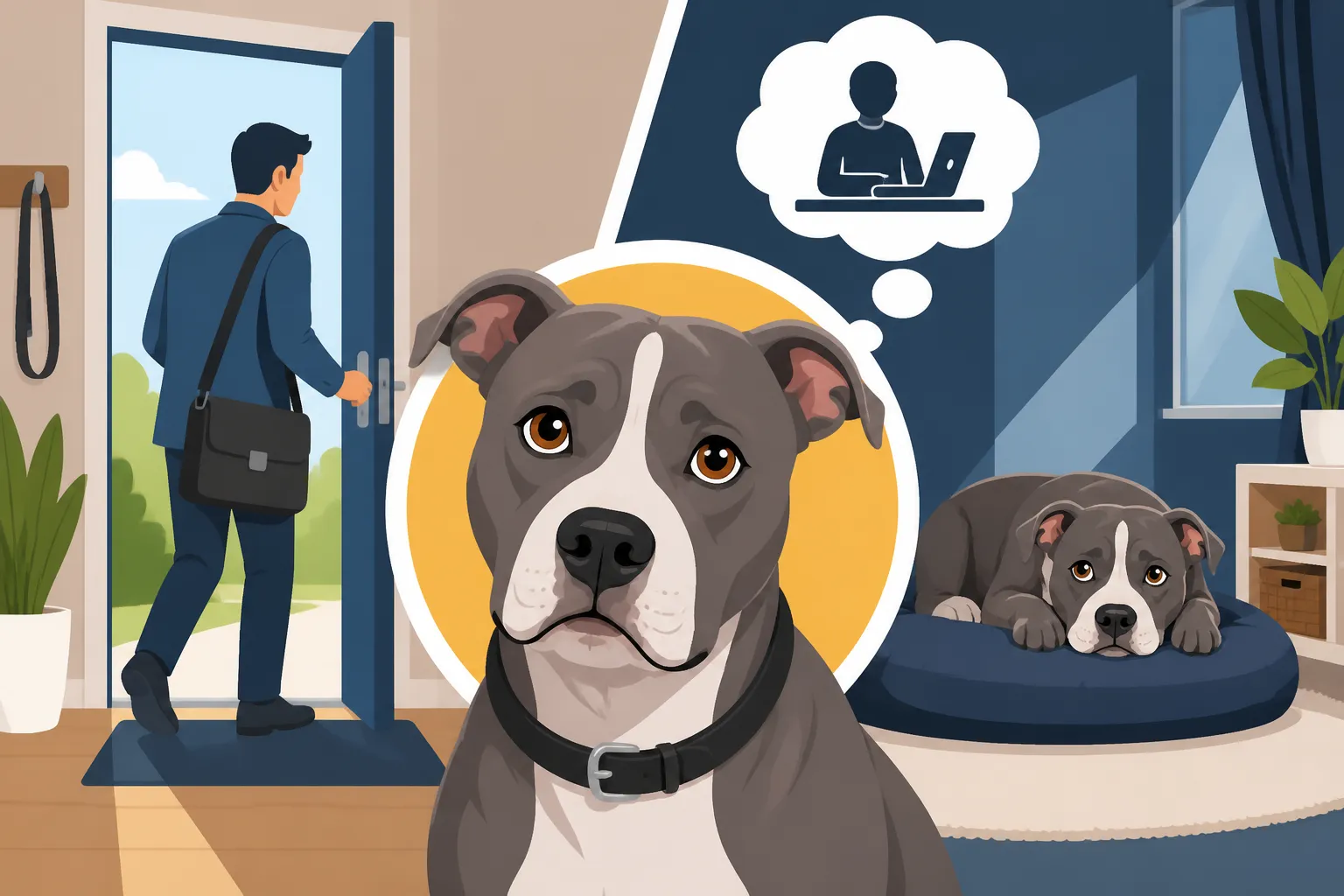
Leaving a Pit Bull While You Are at Work
Leaving your beloved Pit Bull home alone for extended periods while you're at work can feel like a constant tug-of-war between responsibility and guilt. Many owners grapple with the worry of boredom, potential destruction, or simply their dog's loneliness. This guide aims to ease those concerns by providing practical, empathetic strategies to ensure your Pit Bull is not just tolerating, but genuinely coping and thriving during your time away.
Understanding Your Pit Bull's Need for Connection
Pit Bulls, in all their variations, are renowned for their loyalty, affectionate nature, and deep bonds with their human families. This incredible connection, while one of their most endearing traits, also means that prolonged periods of isolation can be particularly challenging for them. They aren't dogs that are content to simply be ignored; they thrive on interaction, mental stimulation, and physical activity. When these needs aren't met, especially for hours on end, behavioral issues can quickly blossom.
It’s easy to project human emotions onto our dogs, and sometimes we worry they're feeling exactly what we would: boredom, frustration, sadness. While we can't know their inner thoughts, we can observe their behaviors. A Pit Bull left alone without adequate preparation and stimulation might not just lie around waiting. Their strong will and powerful build mean that boredom can manifest in ways that are frustrating for us, like chewing through furniture, tearing up cushions, or incessant barking. It’s crucial to remember that these aren't acts of spite, but often cries for help or expressions of pent-up energy and anxiety. Ignoring these signals can lead to a cycle of destructive behavior that’s hard to break, and it ultimately impacts the bond you share. Many people wonder if their Pit Bull's strong temperament makes them difficult to leave, but often it's their intelligence and drive for engagement that needs to be properly channeled.
Moreover, the public perception of Pit Bulls sometimes adds an extra layer of pressure on owners. We feel a heightened responsibility to ensure our dogs are perfectly behaved, especially when left alone, to counter unfair stereotypes. This can exacerbate the guilt we feel when things go wrong. Understanding that your Pit Bull's emotional and physical needs are paramount, and addressing them proactively, is not just about preventing problems but about fostering a balanced and happy life for them. It’s about building confidence in your dog, and in yourself as a responsible owner, even when you can't be by their side.
Creating a Successful "Alone Time" Environment and Routine
Setting your Pit Bull up for success when you're not home is all about proactive planning and establishing a consistent routine. It begins long before you walk out the door for your workday and extends to the environment you leave them in. A well-thought-out strategy can make all the difference in turning potentially stressful alone time into a peaceful, manageable period for your dog.
The Power of Pre-Departure Exercise
One of the most effective tools in your arsenal is pre-departure exercise. A tired Pit Bull is usually a calm Pit Bull. Before you even think about leaving for work, carve out a significant chunk of time for vigorous physical activity. This isn't just a quick walk around the block; this means a long, brisk walk, a good session of fetch in the yard, or even a structured play session with a flirt pole. The goal is to burn off that characteristic Pit Bull energy so they're ready to settle down and rest. Imagine trying to sit still and be quiet for eight hours if you were full of unspent energy – it's just not going to happen easily. For a powerful, athletic dog like a Pit Bull, this morning burst of activity is non-negotiable for peaceful alone time. Think about the kind of sustained effort that would leave you pleasantly tired, and aim for something similar for your dog. You can find more tips in The Daily Exercise a Pit Bull Actually Needs.
Crate Training as a Safe Haven
For many Pit Bull owners, a properly introduced and consistently used crate is an invaluable tool for managing alone time. A crate isn't a punishment; it's meant to be a den, a safe, secure space where your dog can feel comfortable and relaxed. Start by making the crate a positive experience, feeding meals inside, offering high-value chews only when they're in the crate, and never using it for time-outs. For a Pit Bull, especially a puppy, a sturdy crate can prevent destructive chewing, keep them safe from household hazards, and provide a sense of security. It limits their options, which can actually reduce anxiety for some dogs who might feel overwhelmed by too much unsupervised space. You might find our guide on Getting a Pit Bull to Choose Its Crate helpful for this process. It's also vital to ensure the crate is robust enough to withstand your Pit Bull's strength. There are plenty of options on sites like Chewy that offer heavy-duty crates designed for powerful chewers and escape artists.
Dog-Proofing Your Home Environment
If crating isn't an option, or if your Pit Bull is trustworthy with more freedom, then thorough dog-proofing is essential. This means going room by room, removing anything that could be chewed, ingested, or otherwise damaged. Think about electrical cords, toxic plants, shoes, remote controls, and anything within jumping or climbing distance. Some owners opt to limit their Pit Bull to one or two rooms, using baby gates or sturdy indoor barriers. Ensure there are no tempting targets on counters or low shelves. Provide a comfortable bed or blanket, access to fresh water, and a variety of appropriate chew toys. A secure environment not only protects your belongings but, more importantly, keeps your Pit Bull safe from harm. A hungry or bored Pit Bull can be surprisingly resourceful, so always err on the side of caution.
Enriching Alone Time: Mental Stimulation and Mid-Day Solutions
Leaving a Pit Bull alone for typical workday hours requires more than just a quick morning walk and a locked door. It demands a strategy for mental enrichment and, often, external support to break up the long stretches of solitude. These elements are key to preventing boredom, reducing anxiety, and ensuring your Pit Bull remains a happy, well-adjusted companion.
The Power of Interactive Toys and Chews
Mental stimulation is just as important as physical exercise for a smart, driven breed like the Pit Bull. Before you leave, provide engaging activities that can keep their minds occupied. Puzzle feeders are fantastic for this; instead of simply eating a meal in two minutes, your Pit Bull has to work for it, which can provide 20-30 minutes of focused activity. Fill a Kong or other durable chew toy with peanut butter (xylitol-free!), plain yogurt, or canned pumpkin and freeze it overnight. This turns a quick treat into a long-lasting project. Chewy offers a wide range of puzzle toys and durable chews specifically designed for strong chewers, which can be a lifesaver for busy owners. These types of toys tap into their natural problem-solving instincts and can dramatically reduce the likelihood of destructive chewing on inappropriate items. Consider rotating toys to keep things fresh and exciting; a toy that's put away for a few days feels new again when reintroduced.
Here's a quick look at some popular solo enrichment options:
| Enrichment Type | Benefit | Considerations |
|---|---|---|
| Kongs (frozen) | Long-lasting, mentally engaging, durable | Requires preparation, filling can be messy |
| Puzzle Feeders | Stimulates problem-solving, slows eating | Can be destroyed by strong chewers if not durable |
| Lick Mats | Calming, reduces stress, long-lasting | Needs supervision initially, often suction-backed |
| Bully Sticks/Chews | High-value, satisfies chewing instinct | Monitor for choking hazards, can be expensive |
| Snuffle Mats | Encourages foraging behavior, mental exercise | Not for aggressive chewers, can get dirty easily |
Mid-Day Breaks and Professional Help
For many Pit Bulls, especially younger dogs or those prone to separation anxiety, a full 8-10 hour stretch alone is simply too long. Breaking up the day can make a huge difference. If your schedule permits, coming home for lunch to let them out for a potty break and a quick play session can reset their emotional clock. If that’s not possible, consider hiring a professional dog walker. A mid-day walk, even just for 30 minutes, provides a crucial potty break, a dose of fresh air, and a little social interaction, helping to manage their Hours a Pit Bull Copes With on Its Own.
Doggy daycare is another excellent option for highly social Pit Bulls who thrive in group settings. It ensures they get plenty of exercise, playtime, and supervision throughout the day, coming home tired and happy. However, not all doggy daycares are comfortable with Pit Bulls, and it's essential to research facilities that have experience with strong, energetic breeds and good management protocols. Ensuring your Pit Bull is well-socialized and has appropriate play styles is key to a successful daycare experience. You can read more about options in Pit Bull Boarding and Daycare Access. For dogs with genuine separation anxiety, these external solutions are often critical, alongside working with a professional trainer on specific anxiety protocols, as outlined in A Pit Bull That Screams When You Leave.
Addressing Common Pit Bull Challenges When Left Alone
Even with the best intentions and preparations, leaving a Pit Bull alone can sometimes lead to challenges. It's important to view these issues not as signs of a "bad" dog, but as indicators that a need isn't being met, or that anxiety is taking hold. Understanding the root cause is the first step toward finding effective solutions.
Destructive Chewing and Digging
Perhaps the most common complaint from owners is coming home to a destroyed house. For Pit Bulls, with their powerful jaws and intelligent minds, boredom, anxiety, or a lack of appropriate outlets for their natural chewing instincts can quickly lead to havoc. If your Pit Bull is routinely chewing furniture, doors, or even digging through drywall when you're gone, it's a clear sign they need more mental or physical stimulation. It could be they didn't get enough exercise before you left, the enrichment toys you provided weren't engaging enough, or they are experiencing genuine stress.
Address this by revisiting your morning routine – can you add another 15-20 minutes of vigorous play? Are you consistently providing high-value, durable chews that they want to chew? Brands available through Chewy, like Benebones or Nylabones designed for power chewers, or even natural options like large, raw marrow bones (under supervision first to ensure safety) can be excellent choices. If the destruction is severe and accompanied by other anxiety signs (like excessive drooling or pacing), it might be more than just boredom and could point to separation anxiety, which requires a more structured approach with a qualified behaviorist. Our article on A Pit Bull That Destroys Furniture When Alone delves deeper into these specific issues.
Excessive Barking and Howling
Another common issue is a Pit Bull who barks or howls incessantly when left alone. This can be problematic not just for your dog, but for your neighbors! Barking can stem from various reasons: boredom, loneliness, anxiety, or reactivity to external stimuli they notice while you're gone (like mail carriers, other dogs, or pedestrians). If your Pit Bull is barking, it's their way of communicating distress or trying to engage with their environment.
To tackle this, first ensure their physical and mental needs are met before you leave. A tired dog is less likely to have the energy to bark. Next, consider their environment: can you reduce external triggers by closing blinds or playing calming music? If you suspect anxiety, subtle changes in your departure routine can help. Try not to make a big fuss when you leave or return. Use a pet camera to observe their behavior; is the barking constant, or does it happen only when something specific occurs outside? For persistent barking, a professional trainer can help you identify triggers and implement counter-conditioning strategies. More insights into this behavior can be found in How Much a Pit Bull Actually Barks.
House Soiling and "Accidents"
Finding an unexpected puddle or pile inside when your house-trained Pit Bull has been left alone can be incredibly frustrating. While sometimes it's simply a matter of holding it for too long, in other cases, it can be a symptom of anxiety or stress. A dog experiencing separation anxiety might lose control of their bladder or bowels, not out of malice, but because they are genuinely distressed.
If your Pit Bull is having accidents, first rule out medical issues with a vet visit. Once that's clear, reassess the length of time they're left alone. Do they genuinely need a mid-day potty break? If so, hiring a dog walker or arranging for a neighbor to help is crucial. If the accidents are accompanied by other signs of anxiety, like pacing, drooling, or destructive behavior, it's time to consider a comprehensive approach to separation anxiety. This often involves very gradual desensitization to your departures, professional guidance, and creating a truly secure and comforting environment. For tips on managing regression in house training, you can refer to A House Trained Pit Bull Having Accidents Again. Remember, punishing accidents only increases anxiety and can make the problem worse, as your dog associates your return with punishment, not with their anxiety being the cause of the mess.
Disclaimer
This article is for general informational purposes only and does not constitute professional advice. Laws, prices and regulations vary by location and change over time. Consult a qualified professional for guidance on your specific situation.