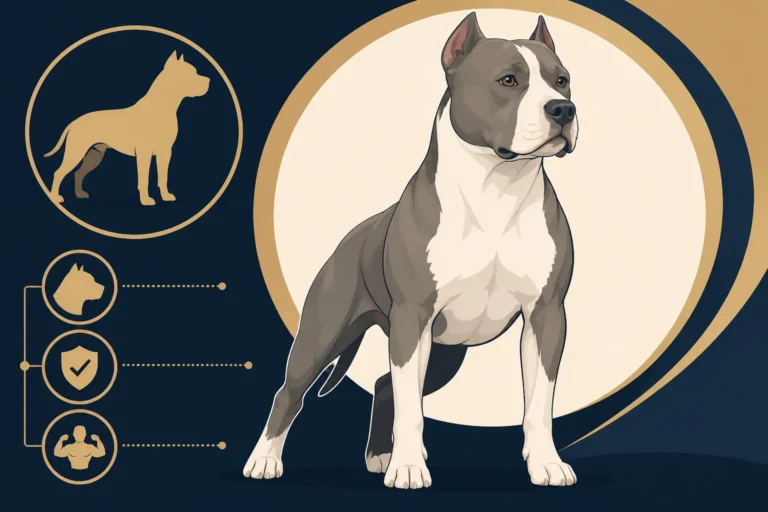
What a Beginner Needs Before a Pit Bull
Bringing a Pit Bull into your life, especially if it's your first dog, is an incredibly rewarding journey, but it comes with a unique set of considerations that new owners often don't anticipate. Many prospective Pit Bull parents fall in love with their charming personalities and athletic build, only to realize later the societal perceptions, training demands, and specific care needs that this type of dog requires. This guide is here to walk you through what a beginner truly needs to understand and prepare for before welcoming a Pit Bull into their home, ensuring a happy and successful life together for both of you.
Understanding the Pit Bull Type Beyond the Label
One of the biggest hurdles new Pit Bull owners face isn't just about the dog itself, but the public's perception of it. The term "Pit Bull" doesn't actually refer to a single breed, but rather a group of dog types with similar physical characteristics, including the American Pit Bull Terrier, American Staffordshire Terrier, and Staffordshire Bull Terrier. Because of this broad categorization, and historical misconceptions, these dogs often carry a stigma that can impact everything from housing to insurance.
Deciphering the "Pit Bull" Identity
It’s easy to get caught up in the visual label. You might see a sturdy, broad-headed dog at the shelter and it’s instantly called a "Pit Bull," but the reality is often much more nuanced. Many dogs labeled as Pit Bulls in shelters are actually mixed breeds, sometimes with very little of the recognized 'Pit Bull' breeds in their DNA. This can be a source of confusion for new owners. Understanding that "Pit Bull" is more of a visual descriptor than a precise breed is the first step in navigating the world of these dogs. It’s also important to remember that this generalized label is what often triggers breed-specific legislation and negative biases, regardless of your individual dog's temperament or true genetic makeup. Why Pit Bull Is a Type and Not a Breed is a great resource to dive deeper into this topic.
When you're considering adoption or purchase, don't be afraid to ask about the dog's background and any known breed mixes. While a DNA test can clarify lineage, even without one, acknowledging the common perceptions is vital. Your dog might be the sweetest, gentlest soul, but some people will still react based on the label. This means you, as the owner, need to be prepared to be an advocate for your dog, often needing to go above and beyond to demonstrate their good nature.
The True Temperament of Pit Bull Type Dogs
Despite the often aggressive portrayal in media, temperament testing, like that conducted by the American Temperament Test Society (ATTS), frequently shows Pit Bull type dogs performing well, sometimes even surpassing the pass rates of other popular breeds. These tests evaluate a dog's reaction to various stimuli, assessing their stability, shyness, aggressiveness, and friendliness. The results consistently show that many Pit Bulls possess stable, confident, and outgoing personalities.
However, it's crucial to understand that these are averages, and individual temperament varies wildly. Just like with any dog, genetics, early socialization, and consistent training play a massive role in shaping a Pit Bull's personality. They are often described as highly intelligent, eager to please, and incredibly affectionate with their families. This deep loyalty is a hallmark of the type, making them wonderful companions for those who invest in their training and care. Pit Bull Temperament and What Testing Shows offers more insights into this aspect.
They thrive on human interaction and can be quite sensitive, which often surprises those who only see their strong physique. While they can be powerful, they are not inherently dangerous, and with proper guidance, they can be incredibly well-adjusted and beloved family members.
Preparing Your Home and Lifestyle
Bringing any new dog home requires preparation, but for a Pit Bull, it often means going the extra mile to create a safe, secure, and stimulating environment. Their intelligence and physical capabilities mean they need more than just a fenced yard; they need mental engagement and robust management strategies.
Securing Your Space and Property
Pit Bulls are strong, agile, and intelligent dogs, which means they can be surprisingly adept at testing the boundaries of their environment. A flimsy fence or an easily accessible gate isn't going to cut it. You'll need secure fencing that is tall and sturdy enough to prevent jumping or digging under. We're talking about a solid six-foot fence, preferably with a base that prevents tunneling. Chain link fences should be heavy gauge, and even then, some determined Pit Bulls can climb them.
Indoors, think about what you need to puppy-proof (even for an adult dog, initially). These dogs are known for their strong jaws and love to chew, so anything valuable or dangerous should be out of reach. Durable crates are often a necessity, especially during initial training or when you're away. Look for heavy-duty models that can withstand a determined chewing session, because a standard wire crate might not hold up to a strong, anxious, or bored Pit Bull. The Crate a Pit Bull Cannot Break Out Of is a good article to review if you're concerned about containment.
Researching Housing and Insurance
This is where the societal stigma hits hard. Many apartments, rental properties, and homeowner's insurance policies have breed restrictions, and Pit Bulls are almost always at the top of that list. This can be incredibly frustrating, but it's a reality you must face head-on before you even start looking for a dog. Don't assume your current housing or insurance will be fine; verify it in writing.
For renters, speak directly with your landlord or property management. Don't try to hide your dog; transparency is key. Some landlords might make exceptions for well-trained dogs with a Canine Good Citizen (CGC) certification, or if you offer an increased pet deposit. For homeowners, contact your insurance provider. You might find your current policy will be canceled, or your rates will skyrocket. Be prepared to shop around for insurance companies that do not have breed-specific exclusions. Some states have even moved to prevent insurers from discriminating based on breed, but this isn't universal. Getting Home Insurance With a Pit Bull and Finding a Rental That Takes a Pit Bull are essential reads for this aspect of preparation.
Having a robust training record for your Pit Bull can sometimes help, demonstrating to both landlords and insurers that you are a responsible owner.
Financial Commitment Beyond the Adoption Fee
The initial cost of adopting or buying a Pit Bull is just the tip of the iceberg. These are generally robust dogs, but they are still susceptible to common ailments and, given their strength, can incur higher costs for certain types of care and equipment. Being financially prepared for the long haul is non-negotiable.
Everyday Expenses and Quality Care
Monthly food bills can be significant. Pit Bulls are active, muscular dogs that benefit from high-quality, protein-rich diets to maintain their physique and energy levels. While you don't need the most expensive boutique brand, skimping on nutrition can lead to health issues down the line. Factor in the cost of treats for training, which you'll be using a lot of! You can find excellent options on online retailers like Chewy, offering bulk discounts on quality kibble and treats.
Beyond food, there are regular vet check-ups, vaccinations, and year-round parasite prevention (heartworm, fleas, ticks). These are non-negotiable for any dog but still add up. Consider durable toys – Pit Bulls have powerful jaws, and cheap toys will be destroyed in minutes. Invest in puzzle toys for mental stimulation and strong chews to keep them occupied and help with dental health. Pit Bull Dental Disease and Hard Chewing is a good place to look for more information on managing their dental needs.
Budgeting for the Unexpected
This is arguably the most critical financial preparation: pet insurance or a dedicated emergency fund. Pit Bulls, like many active breeds, can be prone to certain orthopedic issues, such as Pit Bull Hip Dysplasia Showing at One to Two Years or Cruciate Ligament Tears in a Muscular Pit Bull. Surgeries for these conditions can run into the thousands of dollars. Allergy management is another common, recurring expense. Many Pit Bulls develop skin allergies that require ongoing medication, specialized diets, or even regular medicated baths. Pit Bull Skin Allergies and the Atopy Pattern explains these challenges in detail.
An emergency vet visit for something like bloat, which can affect deep-chested breeds, or an accidental ingestion can also lead to hefty bills. Without pet insurance or a substantial savings account specifically for your dog, you could find yourself in a very difficult position if an unexpected illness or injury arises. Pet insurance policies vary widely in what they cover and their breed exclusions, so research thoroughly and enroll your dog when they are young and healthy to avoid pre-existing condition clauses. Pit Bull Pet Insurance and Breed Exclusions is a must-read for anyone considering insurance.
Here's a quick look at some common recurring costs to anticipate:
| Category | Description | Frequency | Estimated Cost Shape |
|---|---|---|---|
| Food & Treats | High-quality kibble, wet food, training treats. | Monthly | Moderate to High (varies by brand/diet) |
| Preventatives | Heartworm, flea, and tick medication. | Monthly/Quarterly | Low to Moderate |
| Routine Vet Care | Annual check-ups, vaccinations, fecal exams. | Annually | Moderate |
| Grooming | Nail trims, occasional baths (more if skin issues). | Monthly/Bi-monthly | Low (higher for professional services) |
| Durable Toys & Chews | Replacements for destroyed toys, puzzle feeders. | Monthly | Low to Moderate |
| Training/Classes | Puppy classes, advanced obedience, behavioral consultations. | As needed | Moderate to High (initial investment, then ongoing) |
| Pet Insurance/Emergency Fund | Monthly premiums or regular savings contributions for unforeseen medical events. | Monthly | Varies widely by plan/coverage or personal savings goals |
The Dedication to Training and Socialization
Pit Bulls are intelligent and powerful dogs, and their enthusiasm needs to be channeled correctly. This means a significant commitment to ongoing training and socialization from the moment they enter your home. This isn't just about teaching basic commands; it's about building a strong relationship, establishing clear boundaries, and ensuring they are confident and well-mannered in all situations.
Foundational Training and Consistency
Starting early with positive reinforcement training is paramount. Pit Bulls respond incredibly well to reward-based methods because they are so eager to please their people. Focus on basic obedience commands like "sit," "stay," "come," and "leave it." These aren't just tricks; they are vital tools for safety and management. Because of their physical strength, leash manners are especially critical. A Pit Bull pulling on the leash can be a serious challenge, both physically for you and in terms of public perception. Invest in proper equipment like a well-fitting harness or head halter, and commit to consistent Pit Bull Leash Manners and Physical Strength training.
Beyond basic commands, focus on impulse control. Teaching your Pit Bull to wait patiently, not to jump on guests, and to release items on command are invaluable skills. Their high energy and desire to play can sometimes manifest as enthusiastic jumping or mouthy behavior, so Pit Bull Bite Inhibition and Mouthing must be taught from a young age. Remember, consistency is key. Everyone in the household needs to be on the same page with rules and commands to avoid confusing your dog. Consider professional puppy classes or individual training sessions, especially from a trainer experienced with strong breeds.
Socialization and Managing Dog Interactions
Early and ongoing socialization is vital for any dog, but for Pit Bulls, it's particularly important to foster positive experiences and help them navigate the world calmly. This means safely exposing your puppy or adult rescue to a wide variety of sights, sounds, people, and environments. Aim for controlled, positive interactions rather than overwhelming them.
However, it's also realistic to acknowledge that many Pit Bulls can develop what is known as "dog selectivity" or "animal aggression" as they mature. This isn't aggression towards humans, but a tendency to be particular about their canine companions, or to not tolerate other animals like cats or small pets. This trait often emerges between one and three years of age. While excellent socialization can help, it may not prevent it entirely. Therefore, managing your Pit Bull's interactions with other dogs is a lifelong responsibility. Pit Bull Dog Selectivity and Multi-Dog Homes dives into this important topic.
It might mean no dog parks, always keeping them leashed in public, and carefully selecting playmates. For a beginner, this might feel daunting, but understanding this potential trait upfront allows you to implement smart management strategies from day one, like secure leashes, careful introductions, and possibly a "crate and rotate" system if you have multiple dogs in the home. The goal is safety and comfort for everyone, and sometimes that means accepting that your Pit Bull thrives best as an only dog or with carefully selected companions.
The Broader Commitment to Advocacy and Responsibility
Beyond the daily care, owning a Pit Bull involves an unspoken commitment to being a responsible breed ambassador. Because of the negative stereotypes, your Pit Bull's behavior, and by extension, your own responsibility as an owner, will be scrutinized more than that of a Golden Retriever or a Labrador.
Being a Breed Ambassador
Every time you take your Pit Bull out in public, whether it's for a walk in the park or a trip to the vet, you are representing the entire "Pit Bull" type. A well-behaved, calm Pit Bull with a responsible owner can subtly chip away at misconceptions. Conversely, an unruly or poorly managed Pit Bull reinforces negative stereotypes. This doesn't mean your dog has to be perfect, but it does mean a heightened awareness of their behavior and your management of it.
Consider pursuing titles like the Canine Good Citizen (CGC) certification. This demonstrates that your dog has excellent manners in public and can be a powerful tool to advocate for them in housing or insurance situations. It shows you've invested time and effort into making your dog a respectful member of society. Canine Good Citizen and Why It Matters for a Pit Bull elaborates on the benefits of this certification. Your consistent, positive example can make a difference in how these dogs are perceived in your community.
Long-Term Dedication and Love
Ultimately, owning a Pit Bull is a long-term commitment. They can live Pit Bull Lifespan Across Twelve to Sixteen Years, which means you're signing up for over a decade of dedication. This includes adapting their care as they age, from adjusting their diet to managing potential arthritis in their senior years. Caring for a Pit Bull in Its Second Decade is a thoughtful read on this topic.
It means understanding their unique needs, celebrating their incredible loyalty and affection, and advocating for them in a world that often misunderstands them. For a beginner, this level of commitment can seem overwhelming, but the bond you build with a Pit Bull is truly unparalleled. They are intelligent, loving, and resilient dogs who thrive when given consistent guidance, plenty of exercise, and boundless affection. If you're ready to put in the work and dedicate yourself to their well-being, a Pit Bull can be the most wonderful, devoted companion you could ever ask for.
Disclaimer
This article is for general informational purposes only and does not constitute professional advice. Laws, prices and regulations vary by location and change over time. Consult a qualified professional for guidance on your specific situation.