A Pit Bull That Destroys Furniture When Alone
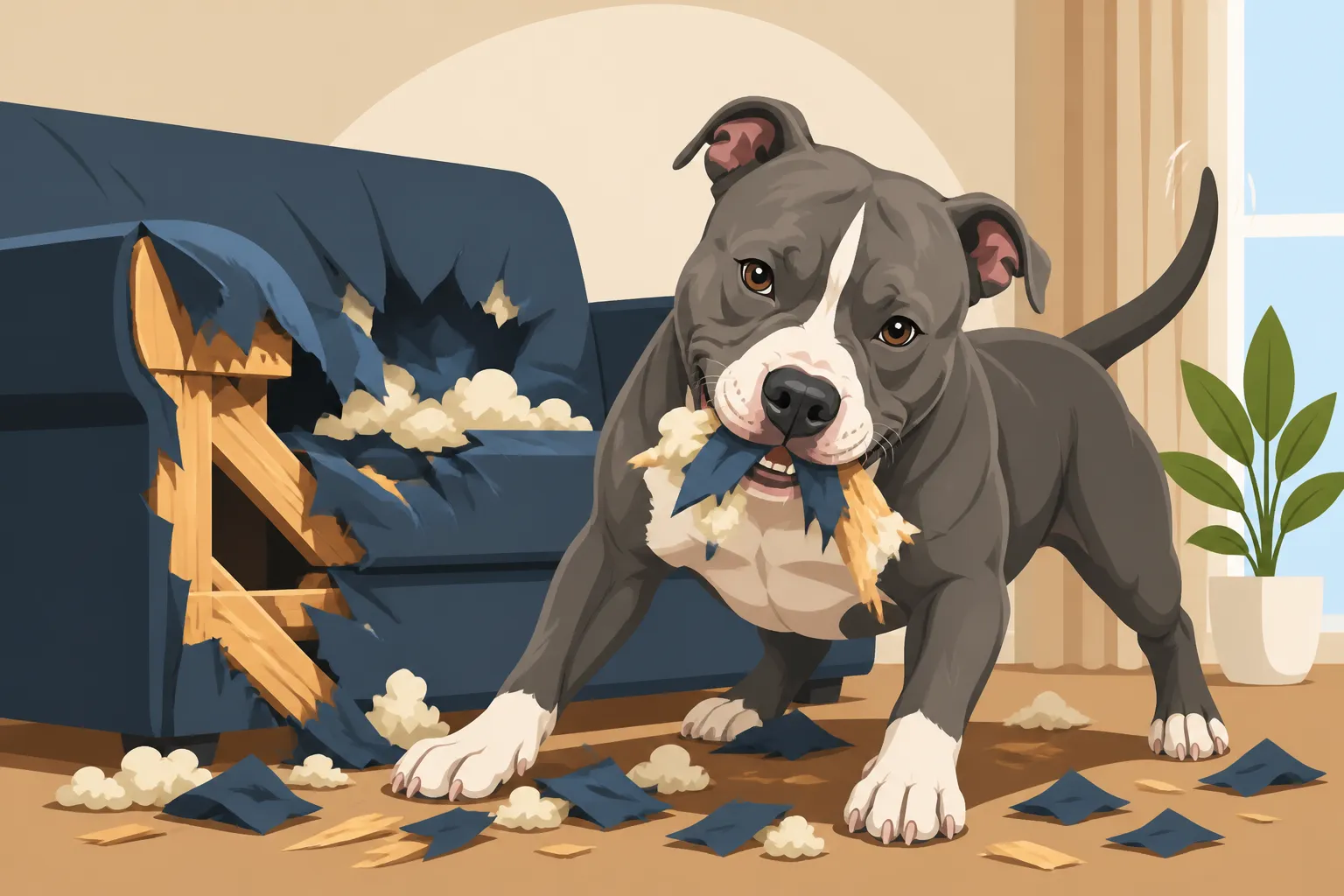
Coming home to discover your once-perfect sofa now looks like a science experiment, or your favorite wooden table has been re-sculpted by a furry architect, is incredibly frustrating and disheartening. You love your Pit Bull, but this destructive behavior when they're left alone can feel overwhelming, expensive, and frankly, a bit like a betrayal. This guide will dive deep into the real reasons behind your Pit Bull's furniture destruction and offer practical, empathetic strategies to help you protect your home and, most importantly, address your dog's underlying needs.
Understanding Why Your Pit Bull Destroys Furniture When Alone
It's easy to assume your Pit Bull is acting out of spite or naughtiness when you find a shredded cushion. However, dogs don't operate on such complex emotions. Their destructive behavior, especially when alone, is almost always a symptom of an unmet need, fear, or a lack of appropriate outlets. Understanding the "why" is the first critical step toward finding a lasting solution.
Separation Anxiety and Distress
One of the most common and emotionally challenging reasons for destructive behavior when alone is separation anxiety. This isn't just your Pit Bull being bored; it's a genuine panic response to being left by their primary attachment figure – you. Imagine feeling utterly alone, fearful, and without any sense of control over your environment. That's what severe separation anxiety can feel like for a dog.
When a Pit Bull experiences this intense distress, they might try to "escape" their confinement, leading to scratched doorframes, torn up carpets near exits, or even broken blinds as they desperately try to see where you've gone. They might chew on furniture, not because they enjoy the taste, but because the act of chewing can be self-soothing, a way to release pent-up nervous energy. This kind of destruction is often accompanied by other signs like excessive vocalization (howling, barking), pacing, drooling, or even house-soiling, all occurring only when you're away. It's a clear cry for help, and addressing it requires patience and a deep understanding of their emotional state. A dog experiencing this level of stress isn't misbehaving; they're suffering. You might even find your Pit Bull starts to show signs of distress as soon as you begin your departure routine, like grabbing your keys or putting on your shoes. This anticipatory anxiety is a strong indicator that separation distress is at play.
Boredom and Lack of Mental or Physical Stimulation
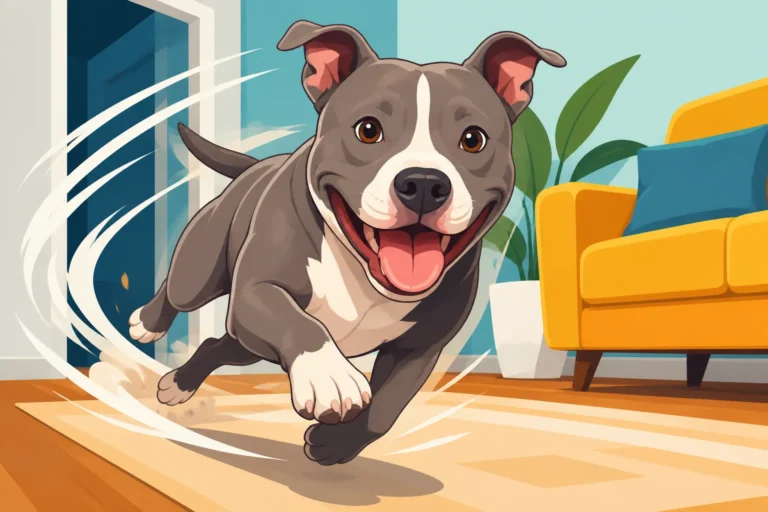
Pit Bulls are intelligent, athletic, and generally high-energy dogs. They were bred for physical prowess and often possess a strong drive to work and engage. If these inherent traits aren't channeled into appropriate activities, that powerful energy has to go somewhere. And often, that "somewhere" ends up being your furniture. A Pit Bull that hasn't had enough physical exercise or mental engagement before you leave is like a coiled spring, ready to release its energy.
A walk around the block might not be enough for a robust Pit Bull. They need varied exercise that truly tires them out, both physically and mentally. If they're under-exercised, they might see your sofa as a giant chew toy, or your throw pillows as excellent objects for a shredding game. This isn't malicious; it's simply a dog finding an outlet for their natural instincts when they're left to their own devices without sufficient alternatives. Think of it from their perspective: the house is quiet, nothing is happening, and suddenly, that enticing chair leg or cushion becomes the most interesting thing in the room. They might gnaw, dig, or tear simply to pass the time and alleviate the tedium. This type of destruction can also happen when the dog isn't sure what is appropriate to chew on, leading them to experiment with household items.
Puppyhood Chewing and Lack of Appropriate Outlets
It’s important to distinguish between destructive behavior in an adult Pit Bull and the natural, often chaotic, chewing phases of a puppy. Pit Bull puppies explore the world with their mouths, just like human babies. They also go through teething, which can be an uncomfortable process that makes them seek out things to chew on to relieve gum soreness. During this crucial developmental stage, if they aren't consistently provided with a wide variety of appropriate chew toys and taught what is and isn't okay to chew, they'll just chew whatever is available.
The problem arises when these puppy habits aren't properly redirected or managed, and they carry over into adulthood. A young Pit Bull might not understand that the chair leg they gnawed as a puppy is suddenly off-limits now that they're older. It's a training issue rooted in a lack of clear boundaries and suitable alternatives. If your home isn't "puppy-proofed" from day one, and if those tempting table legs aren't replaced with an appealing, durable chew, your Pit Bull will simply learn that household items are fair game. This can be especially true for Pit Bulls with strong jaws and a natural inclination to chew, who need exceptionally durable and engaging chew toys to satisfy this instinct.
Immediate Strategies to Protect Your Home
While you work on the underlying behavioral issues, you need to implement immediate strategies to prevent further damage and keep your Pit Bull safe. These are not long-term solutions for behavior problems, but rather management techniques to buy you time and protect your belongings.
Crate Training and Confinement
Crate training, when done correctly, isn't a punishment; it's a way to provide your Pit Bull with a safe, den-like space where they feel secure. For a dog that destroys furniture, a properly introduced crate can be a lifesaver for your home and a haven for your dog. The key is to make the crate a positive place, never using it for time-outs or discipline. Fill it with comfortable bedding, a favorite toy, and a long-lasting, frozen treat when you leave.
Start with short periods, gradually increasing the time your Pit Bull spends inside, always ensuring they are comfortable and happy. This takes time and patience, but it's invaluable. A crate limits their access to furniture and other tempting items, preventing destruction and keeping them out of trouble while you're away. It also helps prevent them from ingesting something harmful. For larger, stronger Pit Bulls, investing in a heavy-duty, chew-proof crate is essential. You’ll want something that can withstand their power and determination. Read more about The Crate a Pit Bull Cannot Break Out Of to find the right fit for your muscular companion. This provides a secure, chew-resistant environment, giving you peace of mind when you can't supervise them directly.
"Dog-Proofing" Your Space
Before you leave your Pit Bull alone, take a few minutes to critically assess your home from their perspective. What's within reach? What's tempting? "Dog-proofing" means making your environment as unappealing for destruction as possible. This might mean physically removing access to certain rooms using baby gates or simply moving tempting items out of reach.
Put away shoes, remote controls, books, and anything else you value and don't want to see chewed. Consider covering furniture with heavy blankets or moving it into a room your Pit Bull cannot access. You can even apply bitter apple spray to furniture legs or other items they tend to chew, though this is often a temporary deterrent as many Pit Bulls learn to tolerate the taste. Think about secure shelving units or closing off doors to areas that contain particularly vulnerable items. You can find a variety of dog-proofing items like robust baby gates and chew deterrent sprays on Amazon, making it easier to secure your home. The goal is to set your Pit Bull up for success by reducing the opportunities for them to engage in destructive behavior while alone.
Providing Appropriate Chews and Enrichment
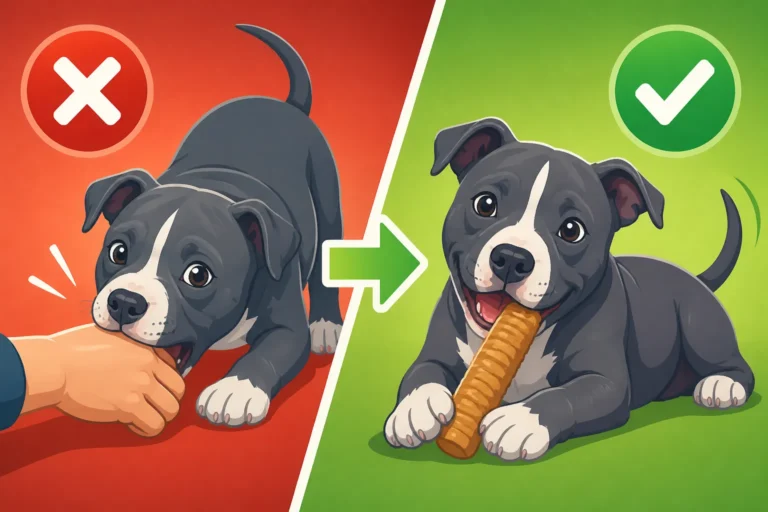
If your Pit Bull is going to chew – and most Pit Bulls have a strong need to chew – you need to provide them with the right things to chew on. This isn't just about throwing them a bone; it's about providing high-value, durable, and engaging chews that can withstand their powerful jaws and keep their interest for an extended period. Look for chews designed for aggressive chewers, such as tough rubber toys (like KONGs), nylon bones, or natural chews like bully sticks or appropriately sized antler chews.
Stuffing a KONG with peanut butter, yogurt, or wet food and freezing it can provide a long-lasting challenge that keeps them occupied for a significant amount of time. Puzzle feeders are also excellent for mental stimulation, making your Pit Bull "work" for their food. Rotating these toys keeps them novel and interesting. The more satisfying and appropriate chew options they have, the less likely they are to turn their attention to your furniture. Remember, a bored mouth is a destructive mouth. Providing a compelling alternative is crucial. Learn more about Chew Toys That Hold Up to a Pit Bull to make sure you're offering the best options. These aren't just toys; they are essential tools for managing a Pit Bull's natural chewing drive.
Long-Term Behavioral Solutions
While immediate strategies buy you time, true success in stopping furniture destruction comes from addressing the root causes through consistent training, lifestyle adjustments, and building your Pit Bull's confidence when alone.
Increasing Exercise and Mental Stimulation
A tired Pit Bull is a good Pit Bull, but "tired" means more than just a quick trot. These dogs thrive on activity, and a lack of proper exercise is a huge contributor to destructive behavior. Aim for at least two vigorous exercise sessions daily. This could include fast-paced walks, running, hiking, fetch, or even swimming if your Pit Bull enjoys it. The goal is to physically exhaust them, making them more inclined to rest when you're gone.
Beyond physical exertion, mental stimulation is equally important. Pit Bulls are smart, and their brains need a workout too. Incorporate obedience training sessions, teach them new tricks, or engage them in scent work games around the house or yard. Puzzle feeders that make them think for their food are also fantastic. A mentally stimulated dog is less likely to become bored and resort to destructive behaviors. Think about structured activities that engage both their body and mind before you leave them alone. For more ideas on how to keep your companion engaged, check out The Daily Exercise a Pit Bull Actually Needs and Indoor Trick Work for a Bored Pit Bull. Remember, a fully engaged and satisfied Pit Bull will have far less inclination to turn their energies towards your furnishings.
Addressing Separation Anxiety Through Gradual Desensitization
If separation anxiety is the root cause, it requires a very specific, patient training approach known as desensitization. The goal is to gradually accustom your Pit Bull to being alone without triggering their panic response. This starts with very short absences that don't cause any distress, and slowly building up the duration over days or weeks. Don't make a big deal out of leaving or coming home; keep arrivals and departures calm and low-key.
Practice "mock departures" where you go through your leaving routine (grabbing keys, putting on shoes) but then simply sit back down. This helps desensitize them to your cues. Consider providing a special, high-value chew toy that only comes out when you leave and disappears when you return. This helps create a positive association with your absence. Start by leaving for literally 30 seconds, returning before any signs of anxiety appear. Slowly increase this to a minute, then two, then five, and so on. It’s a slow process, but it builds genuine confidence. If your Pit Bull starts to show signs of distress like A Pit Bull That Screams When You Leave, you've gone too fast, and you need to dial it back. Online training platforms, such as those offered by BAXTER & Bella, can provide structured programs and support for owners dealing with separation anxiety, guiding you through these steps systematically.
Building Independence and Confidence
Beyond direct desensitization, fostering overall independence and confidence in your Pit Bull can significantly reduce their reliance on your constant presence. Encourage them to settle calmly in their own space, whether that's their bed, mat, or crate, even when you are home. Teach a "place" command, where they go to their designated spot and stay there calmly for increasing periods. This teaches them to relax independently.
Avoid constant hovering or inadvertently rewarding attention-seeking behaviors. While you adore your Pit Bull, sometimes giving them too much constant, unsupervised access to you can make being alone even harder. Make sure they have a comfortable, quiet area that is solely their own, where they can retreat and feel safe. Consider leaving a radio or TV on low to provide some background noise, which can mask outside sounds that might trigger anxiety. You can also use pet cameras, readily available on Amazon, to monitor your Pit Bull's behavior when you're gone, allowing you to observe their triggers and how long they can comfortably cope. Understanding Leaving a New Pit Bull Alone for the First Time and Hours a Pit Bull Copes With on Its Own are important guides for this process.
When to Seek Professional Help
Sometimes, despite your best efforts, the destruction persists, or the anxiety symptoms seem too severe to tackle on your own. This is not a sign of failure on your part, but rather an indication that a trained professional's expertise is needed.
Identifying Severe Separation Anxiety
It's crucial to recognize when your Pit Bull's distress goes beyond typical boredom or puppy chewing and delves into severe separation anxiety. Look for a cluster of symptoms that occur only when you are absent: frantic efforts to escape (damaging doors, windows, crates), excessive drooling, persistent barking or howling, inappropriate urination or defecation, and self-mutilation (licking or chewing paws until raw).
If your Pit Bull exhibits intense panic, pacing, panting, or trembling during your departure routine, or if the destruction is severe and immediate upon your exit, these are strong indicators of a deeper anxiety issue. These dogs are truly suffering, and it’s not something they can simply "get over." Their well-being, and the safety of your home, depend on appropriate intervention. Trying to power through severe separation anxiety without professional guidance can actually make the problem worse, increasing your dog's stress and potentially solidifying the undesirable behaviors.
Consulting a Certified Professional Dog Trainer or Veterinary Behaviorist
For severe cases of furniture destruction, especially those rooted in separation anxiety, bringing in a professional is the most effective course of action. A Certified Professional Dog Trainer (CPDT) with experience in separation anxiety can provide a tailored behavior modification plan. They can observe your Pit Bull's specific triggers and reactions, and guide you through the nuanced steps of desensitization and counter-conditioning.
For the most extreme cases, or if a trainer believes medical intervention might be necessary, a Veterinary Behaviorist (DACVB) is the expert to consult. These are veterinarians who have specialized in animal behavior, and they can diagnose and treat complex behavioral disorders. They can prescribe medication, if appropriate, to help manage the anxiety levels while you work on the behavioral modifications. Medication is never a standalone solution but can be a valuable tool to help your Pit Bull learn and cope more effectively. When selecting a professional, always look for certifications and ask about their experience specifically with Pit Bulls and separation anxiety, as it's a unique and challenging issue. To make sure you're finding the right person, review our guide on Vetting a Trainer Before Booking a Pit Bull.
Here’s a quick overview of common destructive behaviors and potential underlying causes:
| Destructive Behavior | Potential Underlying Cause(s) | Common Solution Approaches |
|---|---|---|
| Chewing furniture, door frames, walls | Separation Anxiety, Boredom, Puppy Teething, Lack of Chews | Crate training, dog-proofing, providing high-value chews like Puzzle Feeders a Pit Bull Cannot Destroy, increased exercise/mental stimulation, desensitization. |
| Digging at carpets, floors | Separation Anxiety, Boredom, Attempted Escape, Instinctual Digging | Secure confinement, increased exercise, scent work, providing appropriate digging outlets (sandpit), desensitization, professional help for anxiety. |
| Shredding cushions, bedding | Boredom, Play, Stress Relief | Increased mental stimulation, providing shreddable toys (cardboard boxes, paper towels), ensuring adequate exercise, consistent redirection to appropriate items. |
| House Soiling (when alone) | Separation Anxiety, Medical Issue, Incomplete House-training | Vet check-up, strict house-training schedule, desensitization for separation anxiety, professional behaviorist consultation. |
| Escaping from crate/yard | Separation Anxiety, Lack of Exercise/Stimulation, Fear, Prey Drive | Secure containment, increasing exercise, mental enrichment, desensitization, professional behaviorist for severe anxiety. |
| Excessive Barking/Howling (when alone) | Separation Anxiety, Boredom, Alert Barking | Desensitization, increased mental stimulation, sound masking (radio), professional help for anxiety. |
| Pacing/Restlessness (when alone) | Separation Anxiety, Discomfort | Desensitization, appropriate exercise, ensuring comfortable resting place, consulting vet for discomfort, professional behaviorist. |
| Self-mutilation (paw licking, biting) | Separation Anxiety, Allergies, Pain, Boredom | Vet check-up to rule out medical issues, desensitization for anxiety, increased enrichment, professional behaviorist. |
| Stealing forbidden items | Attention Seeking, Boredom, Lack of Impulse Control | Management (put items away), "leave it" training, increased mental stimulation, consistent positive reinforcement. |
Disclaimer
This article is for general informational purposes only and does not constitute professional advice. Laws, prices and regulations vary by location and change over time. Consult a qualified professional for guidance on your specific situation.