The American Pit Bull Terrier as the UKC Defines It
The term "Pit Bull" often causes a lot of confusion, being used loosely to describe a whole type of dog rather than a specific breed. This makes it incredibly difficult for owners and enthusiasts to discuss these wonderful dogs with clarity, especially when it comes to understanding what a true, recognized breed actually entails. This guide aims to clear up that confusion by diving deep into the American Pit Bull Terrier (APBT) as it is formally recognized and defined by the United Kennel Club (UKC), shedding light on its specific standards, history, and the unique characteristics that make it a distinct breed.
Understanding the United Kennel Club and Its Recognition of the APBT
When people talk about "Pit Bulls," they're often referring to a variety of breeds with similar appearances, but only a few formal registries actually recognize a breed with "Pit Bull" in its name. The United Kennel Club (UKC) stands out as the very first registry to officially recognize the American Pit Bull Terrier as a distinct breed, doing so way back in 1898. This is a crucial piece of information because it means the UKC has a long-standing, detailed breed standard that sets the APBT apart from other bull-and-terrier types.
The UKC's Historical Role in Breed Preservation
The UKC was founded with a focus on working dogs, celebrating their utility and athletic prowess. This ethos has profoundly shaped their approach to breed standards. Unlike some other registries that prioritize conformation for show, the UKC has always emphasized a dog's ability to perform the tasks it was historically bred for. For the APBT, this meant a standard that valued strength, agility, gameness (a trait referring to courage and tenacity), and intelligence. This historical perspective is vital because it explains why the UKC's definition of the APBT isn't just about looks, but also about inherent working ability and temperament. They saw the APBT not just as a pet, but as a capable, all-around athletic companion.
Why Registry Matters for Breed Identification
In a world where many dogs are visually identified as "Pit Bulls" regardless of their actual genetics, a formal registry like the UKC provides a definitive benchmark. For owners looking to understand their dog's heritage or for those seeking to purchase a well-bred American Pit Bull Terrier, UKC registration offers a verifiable lineage and an assurance that the dog's parents and ancestors met the breed standard. This contrasts sharply with the often ambiguous "Pit Bull" label given to countless mixed-breed dogs in shelters. While DNA tests can help clarify a dog's genetic makeup, a UKC pedigree offers a specific, recognized line of APBTs. It's about knowing you have a dog bred to a specific set of characteristics, rather than a generic look-alike. This is often where confusion arises, as outlined in Why Pit Bull Is a Type and Not a Breed.
The UKC Official Breed Standard for the American Pit Bull Terrier
The UKC's breed standard for the American Pit Bull Terrier is a comprehensive document that describes the ideal physical appearance, movement, and temperament of the breed. It's a blueprint for breeders striving to produce quality dogs and a guide for judges evaluating them in the show ring. Understanding this standard is key to appreciating the true American Pit Bull Terrier.
Physical Characteristics and Build
The UKC standard describes the APBT as a medium-sized, solidly built, short-coated dog with smooth, well-defined musculature. The emphasis is on power, agility, and grace.
- Head: The head is often described as a "wedge" or "brick" shape, moderate in length, with a broad, flat skull and well-developed cheek muscles. The muzzle is broad and deep, tapering slightly from stop to nose. Jaws are strong, with a complete set of evenly spaced, white teeth meeting in a scissor bite. Eyes are round to almond-shaped, set low and wide apart. Ears can be natural or cropped.
- Body: The neck is muscular and of moderate length, blending smoothly into strong, broad shoulders. The chest is deep and moderately wide, with well-sprung ribs that extend well back. The back is strong and firm, with a slight arch over the loin that extends into a gradually sloping croup. The tail is thick at the base, tapering to a point, and typically carried low.
- Legs and Feet: The front legs are strong and straight, with well-defined musculature. The hindquarters are powerful and muscular, with good angulation at the hock. Feet are of moderate size, compact, and well-arched, with tough pads. This powerful build is central to Pit Bull Weight and Muscle on a Working Frame.
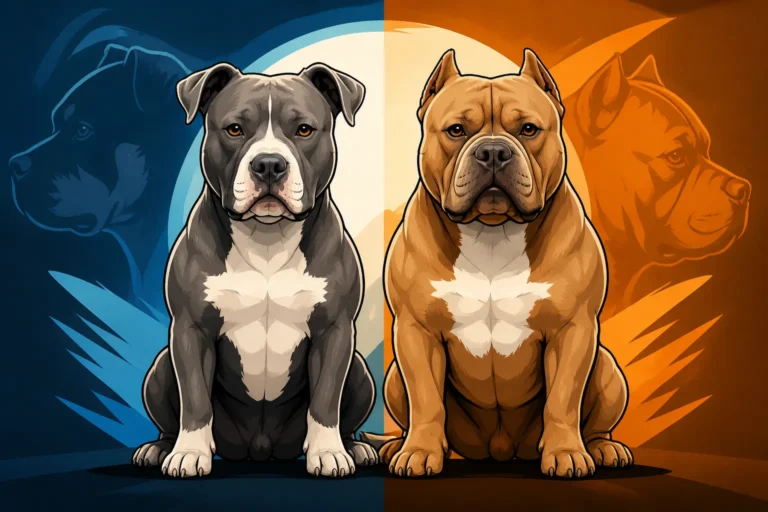
- Coat and Color: The coat is short, stiff to the touch, and glossy. All colors and patterns are acceptable, with the exception of merle. There's a common misconception about "blue nose" or "red nose" Pit Bulls being distinct breeds, but these are simply coat color variations within the APBT, not separate classifications.
- Size: The UKC standard defines a height and weight range, but emphasizes that proportion is more important than exact size. Generally, dogs stand from 17 to 19 inches at the withers and weigh between 30 and 60 pounds, with females typically being on the smaller side. This flexible approach allows for athletic individuals within a reasonable range. For more detailed insights into dimensions, you might want to read Pit Bull Height, Weight and Build.
Temperament and Character
Beyond the physical, the UKC standard places significant importance on temperament. The ideal American Pit Bull Terrier is described as having strength, confidence, and zest for life. They are intelligent, eager to please, and possess a strong desire to work. They should be outgoing and friendly, though caution is advised regarding dog-to-dog interactions, a characteristic known as "dog selectivity" that is common to many terrier breeds.
- Confidence and Courage: A hallmark of the breed is its unwavering confidence and courageous nature. This isn't to be confused with aggression towards humans, which is considered highly undesirable in the standard and should be severely penalized. They should be fearless but not outwardly hostile.
- Intelligence and Trainability: APBTs are known for their sharp minds and eagerness to learn. This makes them highly trainable, excelling in various dog sports like agility, obedience, and rally. This intelligence, however, also means they need consistent mental stimulation to prevent boredom and destructive behaviors. Many owners find success using positive reinforcement methods, often sourcing engaging toys and puzzle feeders from retailers like Chewy.
- People-Oriented Nature: Despite historical misperceptions, the UKC standard describes the APBT as having a deeply affectionate and loyal disposition towards people. They thrive on human companionship and are known for their loving nature within their families. This aspect challenges the "nanny dog" myth, which, while debunked, points to their generally good nature with people. You can delve more into this with What the Pit Bull Nanny Dog Story Rests On.
- Gameness and Tenacity: This is a crucial trait in the UKC standard, referring to their unwavering determination and refusal to quit when faced with a challenge. While historically associated with dog fighting (a cruel practice the UKC and responsible breeders condemn), in a modern context, it translates to incredible drive and persistence in tasks, whether it's retrieving a toy, excelling in sports, or working through a challenging training exercise. It's this tenacity that makes them such formidable partners in canine athletics.
- Dog Selectivity: The standard explicitly mentions that while most APBTs are friendly with people, some degree of dog-to-dog aggression or selectivity is not uncommon. This is an important trait for owners to understand and manage, especially in multi-dog households or public settings. Proper socialization from a young age and careful introductions are essential. Pit Bull Dog Selectivity and Multi-Dog Homes offers more guidance on this.
The UKC emphasizes that while these dogs possess incredible power, they are meant to be stable and predictable. Any deviation from a steady temperament, particularly human aggression, is considered a serious fault within the breed standard.
Here's a quick comparison of some UKC APBT traits versus common misconceptions:
| Trait Aspect | UKC American Pit Bull Terrier Standard | Common Misconceptions/Stereotypes |
|---|---|---|
| Temperament | Confident, courageous, intelligent, eager to please, people-oriented; dog selectivity is noted. | Inherently aggressive, unpredictable, dangerous. |
| Human Aggression | Severely penalized; not characteristic of a well-bred APBT. | Pit Bulls are predisposed to attacking humans. |
| Jaw Strength | Strong, powerful jaws; scissor bite. | Possess "locking jaws" (anatomically false). |
| Physical Build | Medium-sized, muscular, agile, athletic. | Large, bulky, intimidating. |
| Purpose | Originally working dogs, valued for gameness and athletic ability; now companions and athletes. | Bred solely for fighting. |
| Trainability | Highly intelligent, trainable, eager to work. | Stubborn, difficult to control. |
Beyond the Standard: Living with a UKC-Registered APBT
Bringing a UKC-registered American Pit Bull Terrier into your home is a commitment to understanding and nurturing a dog with a rich history and a specific set of traits. It's about recognizing their potential and managing their unique needs in a responsible way.
Training and Socialization Imperatives
Given their intelligence and strength, training is non-negotiable for an APBT. Early and consistent positive reinforcement training is paramount. A well-trained APBT is a joy to live with, but an untrained one can be a handful. Focus on impulse control, leash manners, and recall from a very young age. Many owners find that puppy classes and continued advanced training are crucial. Products like long lines and secure harnesses, readily available from online pet suppliers like Chewy, can be invaluable for teaching Pit Bull Leash Manners and Physical Strength safely. Socialization isn't just about meeting other dogs; it's about positive exposure to various people, places, sounds, and experiences. While dog selectivity is a breed trait, responsible socialization can help ensure they are comfortable and well-adjusted in different environments. Aim for a Canine Good Citizen and Why It Matters for a Pit Bull certification to demonstrate their excellent manners.
Exercise and Mental Stimulation Needs
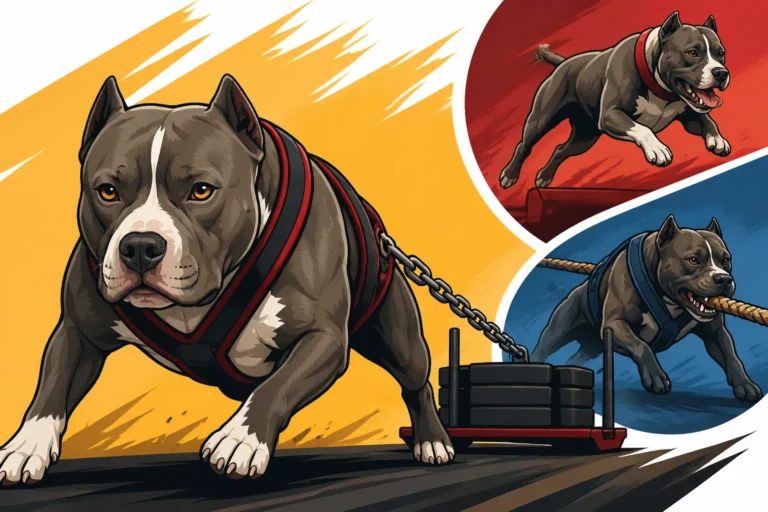
APBTs are athletic dogs with considerable energy. They need daily, vigorous exercise to be happy and healthy. This isn't just a quick walk around the block; it often means long walks, runs, hikes, or engaging in dog sports. Without adequate physical and mental outlets, they can become bored and destructive. Tug-of-war, flirt poles, and puzzle toys are excellent ways to burn energy and stimulate their minds. They also thrive on "jobs," whether it's learning complex tricks or participating in scent work. Remember that a tired Pit Bull is a good Pit Bull. Providing quality, durable toys, which you can often find at Chewy, is essential for these powerful chewers.
Managing Public Perception and Misconceptions
One of the biggest challenges for APBT owners is the prevailing public perception. Despite their loyal and affectionate nature, they often face breed discrimination and negative stereotypes. As an owner of a UKC-registered APBT, you become an ambassador for the breed. This means ensuring your dog is always well-behaved in public, meticulously following leash laws, and being prepared to educate others about the true nature of the breed. It also means making responsible choices about where you live, as Where Pit Bull Legislation Still Applies can impact your ability to rent or get homeowners insurance. Carrying proof of training and responsible ownership can sometimes help, but unfortunately, these dogs often get less benefit of the doubt than other breeds. Understanding how to talk about your dog's true temperament, as highlighted in Pit Bull Temperament and the ATTS Results, can make a real difference.
Owning a UKC American Pit Bull Terrier is incredibly rewarding. They are intelligent, devoted, and athletic dogs that thrive on companionship and purposeful activity. By understanding and honoring the UKC breed standard, and by committing to responsible ownership, training, and care, you can ensure your APBT lives a full, happy life and helps to change hearts and minds about this remarkable breed.
Disclaimer
This article is for general informational purposes only and does not constitute professional advice. Laws, prices and regulations vary by location and change over time. Consult a qualified professional for guidance on your specific situation.