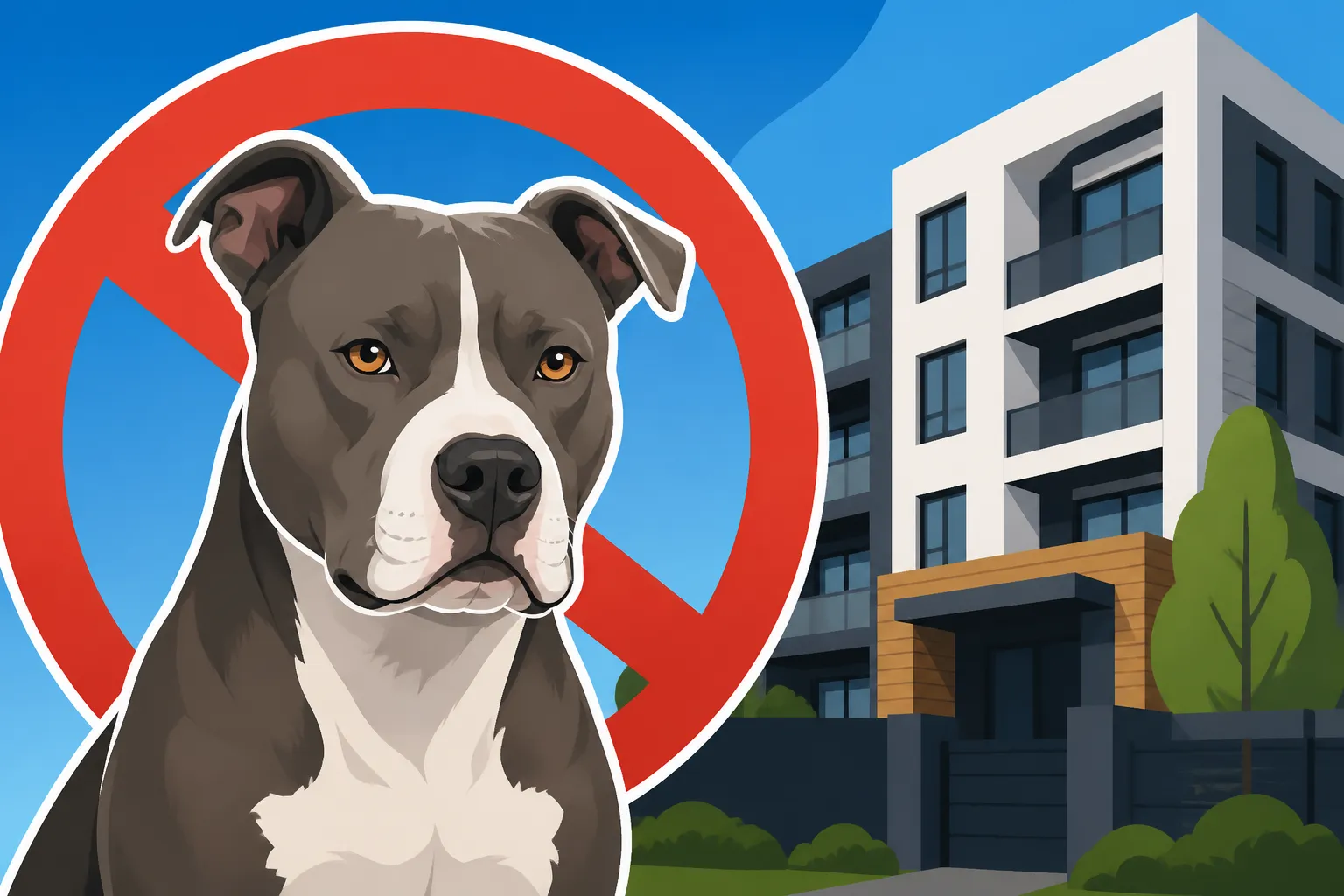
Complexes That List Pit Bulls as Prohibited
It's incredibly frustrating, isn't it, when you find what seems like the perfect home, only to discover a dreaded breed restriction buried in the fine print? For Pit Bull owners, this is an all-too-common hurdle, making the search for suitable housing feel like an uphill battle. This comprehensive guide is here to walk you through understanding why these restrictions exist, how to identify them, and most importantly, how to navigate the complex world of housing to find a welcoming home for you and your beloved Pit Bull.
Understanding Breed-Specific Housing Restrictions
The reality is, many housing complexes, landlords, and even entire communities operate under breed-specific policies that unfortunately target Pit Bulls and similar breeds. It’s not a reflection of your dog's individual temperament, but a systemic issue rooted in perception and liability.
Why Pit Bulls Face Discrimination in Housing
The reasons behind these blanket bans are complex and often unfair. Historically, Pit Bulls have been unfairly portrayed in media, leading to widespread misconceptions about their temperament and safety. This negative portrayal has unfortunately fueled fear and prejudice, resulting in many property owners and insurance companies adopting restrictive policies to mitigate perceived risks. They're often grouped into broad categories like "aggressive breeds" or "dangerous dogs," regardless of individual behavior or training. This can feel deeply unjust when you know your Pit Bull is a gentle, loving member of your family, but the policies often don't differentiate.
Beyond media influence, a significant driver of these restrictions is insurance liability. Many homeowners insurance carriers refuse to cover certain breeds, including Pit Bulls, or charge exorbitant premiums. Because property owners need to protect their investments and ensure coverage in case of an incident, they often err on the side of caution by implementing breed bans. This puts landlords in a difficult position, forcing them to choose between accommodating all tenants and maintaining affordable and comprehensive insurance coverage. It's a frustrating cycle that leaves responsible Pit Bull owners in a bind, but understanding this underlying dynamic can help you prepare to address their concerns directly.
Common Language in Lease Agreements and HOA Bylaws
When you're looking at rental agreements or community guidelines, breed restrictions usually aren't hidden. You'll often find a specific clause outlining prohibited breeds, which almost invariably includes "Pit Bull," "Staffordshire Terrier," "American Bulldog," "Rottweiler," "Doberman Pinscher," and sometimes even broader terms like "any dog with characteristics resembling a Pit Bull." This ambiguous language can make things particularly tricky, as even a mixed-breed dog that looks like a Pit Bull could fall under the ban, regardless of its actual genetic makeup. It's crucial to read these documents extremely carefully, scrutinizing every word in the pet policy section before you even consider applying.
In homeowners associations (HOAs), these restrictions are typically embedded within the community's bylaws or covenants, conditions, and restrictions (CC&Rs). These rules can be even harder to challenge once you've moved in, as they are legally binding and often enforced by a board of directors. Many HOAs have specific HOA Bylaws Aimed at Pit Bull Type Dogs that can affect everything from your ability to have certain breeds to where your dog can be walked. Always request and review the full set of HOA documents before purchasing property, paying particular attention to any sections related to pets, breed restrictions, and liability. A simple conversation with the property manager or HOA representative early in the process can save you a lot of heartache later on.
The Legal Landscape: What's Allowed and What's Changing
While local laws and state regulations can sometimes offer some protections against breed-specific legislation, it's a complicated patchwork across the country. Some states have passed laws prohibiting local governments from enacting breed-specific bans, or making it illegal for insurance companies to deny coverage based solely on breed. For instance, states like Michigan and Pennsylvania have taken steps to limit local breed bans, aiming for more breed-neutral approaches. However, these laws often apply to public housing authorities or municipalities, and do not necessarily extend to private landlords or property management companies. This distinction is key: a private entity can usually set its own rules regarding pets, as long as they comply with fair housing laws and don't discriminate against protected classes.
Furthermore, even in states with progressive laws regarding breed restrictions, landlords often find loopholes or justifications, citing insurance mandates or "property safety" as reasons to maintain their bans. This means that while the broader legal landscape may be slowly shifting, the individual renter or homeowner still faces significant challenges. It's important to research the specific laws in your state and local municipality. Knowing your rights can empower you in discussions with potential landlords, but be prepared for the reality that private property owners often have the final say.
Identifying Prohibited Breed Lists
One of the biggest frustrations is the lack of a standardized definition for "Pit Bull." What one complex considers a Pit Bull, another might not, making the housing search even more complex.
How Complexes Define "Pit Bull"
The term "Pit Bull" itself is a type, not a single breed, which adds to the confusion and inconsistency in housing policies. When a complex lists "Pit Bulls" as prohibited, they are often referring to American Pit Bull Terriers, American Staffordshire Terriers, Staffordshire Bull Terriers, and sometimes even American Bullies or any mixes that visually resemble these breeds. The problem is, this identification is frequently subjective and based on visual cues rather than actual breed lineage, which can be incredibly frustrating for owners of mixed-breed dogs. A property manager might look at your dog and make a judgment call, even if your dog's DNA test shows little or no Pit Bull ancestry. This is why understanding How a City Decides a Dog Is a Pit Bull can sometimes give insight into how private complexes might also assess your dog, often leading to misidentification.
Some complexes take it a step further and simply ban "bully breeds" or "any breed with known aggressive tendencies," which casts an even wider net. This ambiguous language gives property managers significant discretion and makes it difficult for owners of dogs that might share physical traits but are not technically one of the commonly banned breeds. It also puts the burden of proof on the owner to demonstrate their dog's breed or temperament. While a DNA test might clarify your dog's ancestry, it's not always accepted by landlords as proof against a visual identification or a blanket "bully breed" ban.
Where to Find Breed Restrictions Before Applying
The most straightforward way to identify breed restrictions is to be proactive and ask direct questions from the very first contact. When you inquire about a property, always lead with questions about their pet policy, specifically mentioning your Pit Bull by name. Don't wait until you've fallen in love with a place or are filling out an application. Many online rental listings will have a "pets allowed" filter, but you need to dig deeper. Look for specific clauses on their websites or in downloadable application packets that detail breed restrictions. Websites like Apartments.com, Zillow, and Realtor.com often include sections on pet policies, but these can be generic, so always confirm directly with the property.
Beyond online listings, consider speaking with current residents if possible, or visiting the complex in person to get a feel for their pet culture. Sometimes, even if a policy lists restrictions, individual properties might have a degree of flexibility or a process for appealing. However, do not assume this; always get written confirmation of any exceptions or approvals. If you're working with a real estate agent, make sure they are fully aware of your dog's breed and your needs, so they can filter properties accordingly. The goal is to avoid wasting time and application fees on places that will inevitably reject your application based on your dog.
Consequences of Non-Disclosure
Attempting to sneak your Pit Bull into a complex with breed restrictions is a risky game with severe consequences. If you fail to disclose your dog's breed or misrepresent it, and the complex later discovers your pet violates their policy, you could face immediate eviction. Lease agreements are legally binding contracts, and violating a pet clause is a serious breach, often leading to termination of your tenancy. Eviction can be a long, costly, and stressful process, leaving you scrambling to find new housing on short notice, often with an eviction on your rental history, making future housing searches even more challenging.
Beyond eviction, you could also face hefty fines, lose your security deposit, and even be held financially responsible for any legal fees or damages incurred by the landlord. Some leases even include clauses that hold tenants liable for any increased insurance premiums the landlord might face due to a prohibited breed on the property. It's simply not worth the stress or the potential financial and legal fallout. Transparency, though difficult, is always the best policy. It might mean a longer housing search, but it ensures peace of mind and a stable home for you and your Pit Bull in the long run.
Strategies for Finding Pet-Friendly Housing
Finding housing that welcomes a Pit Bull requires a different approach than simply looking for "pet-friendly." It means being strategic, prepared, and persistent.
Seeking Out "No Breed Restriction" Properties
Your best bet for finding a truly welcoming home for your Pit Bull is to actively seek out properties that explicitly state "no breed restrictions." While these can be harder to find, they do exist. Often, independent landlords who manage a small number of properties or individual homes for rent are more flexible than large corporate apartment complexes. They might be more willing to meet your dog and assess its individual temperament rather than relying on blanket policies. When searching online, filter by "dogs allowed" but then dig into the details. Look for phrases like "all breeds welcome" or "no breed restrictions" in the listing description. Sometimes, newer apartment complexes or those that are trying to cultivate a particularly pet-friendly image might adopt a more inclusive policy.
Networking can also be incredibly valuable. Talk to other Pit Bull owners in your area, join local Pit Bull advocacy groups online, or ask your veterinarian for recommendations. They might know of landlords or neighborhoods that are more accepting. While searching, be prepared to broaden your geographical search area slightly if necessary. Sometimes, moving just a few miles can open up a whole new set of possibilities. Remember, patience is key here; it might take longer, but finding a truly welcoming home is worth the extra effort.
Building a Strong Pet Resume
When you find a potential landlord who is open to discussion, a comprehensive "pet resume" can be a powerful tool. This isn't just a cute document; it's a professional presentation of your dog's excellent behavior and your responsible ownership. Include a current photo of your Pit Bull, their age, spay/neuter status, and up-to-date vaccination records. Detail their training history, especially if they've completed obedience classes or achieved certifications like the Canine Good Citizen (CGC) title. Mentioning that your dog has passed Canine Good Citizen Testing With a Pit Bull can go a long way in demonstrating their excellent manners and your commitment to responsible ownership. Provide references from previous landlords, neighbors, or even your vet, who can attest to your dog's good behavior and your reliability as a pet owner.
Crucially, include proof of pet liability insurance. While a general pet insurance policy from providers like Healthy Paws can cover vet bills, you might also want to look into specific liability insurance riders that protect against property damage or injury claims. Presenting a policy that explicitly covers your dog's breed can alleviate a landlord's primary concern about potential financial risk. Outline your dog's daily routine, including exercise, crating habits (if applicable), and any measures you take to prevent barking or destructive behavior. The goal is to proactively address all potential landlord concerns and paint a picture of a well-behaved dog and a highly responsible owner.
Leveraging Emotional Support Animal or Service Dog Status
For individuals with disabilities, an Emotional Support Animal (ESA) or Service Dog offers legal protections under the Fair Housing Act, which generally overrides breed restrictions. This is a critical distinction: ESAs and Service Dogs are not considered "pets" under the law and are therefore exempt from breed, weight, and pet fee restrictions. However, it's absolutely vital to approach this legitimately and ethically. To qualify for an ESA, you must have a documented disability (which doesn't have to be visible) and a letter from a licensed mental health professional stating that your dog provides therapeutic benefit as part of your treatment plan. The letter must be current and from a professional actively treating you.
A Service Dog, on the other hand, is individually trained to perform specific tasks directly related to a person's disability. This requires extensive training, and simply calling your pet a "service dog" without proper training and documentation is illegal and undermines the legitimate rights of people with disabilities. If your Pit Bull genuinely meets the criteria for an ESA or Service Dog, these federal protections can be a lifeline for securing housing. However, never misrepresent your dog's status; legitimate documentation and an understanding of the law are paramount. Landlords are legally allowed to verify the authenticity of an ESA letter and can deny housing if the documentation is not credible or if the animal poses a direct threat to the health or safety of others that cannot be mitigated.
Navigating Discussions with Landlords and Property Managers
Once you've found a potential property, the conversation with the landlord or property manager is your opportunity to make a strong, positive impression.
Preparing Your Case and Presenting Your Pit Bull Positively
When you finally get that crucial meeting, whether it's in person or over video call, come prepared. If possible and appropriate, bring your well-behaved Pit Bull with you to meet the landlord. Seeing your dog calmly greet them and demonstrate good manners can instantly dissolve many preconceived notions. Ensure your dog is freshly groomed, well-exercised, and wearing a comfortable, secure harness and leash. Have your pet resume handy and be ready to talk enthusiastically and confidently about your dog's positive attributes, training, and routine. You might even share some positive statistics on Pit Bull temperament, such as the generally favorable pass rates in temperament tests. For instance, What ATTS Pass Rates Show About Pit Bull Temperament highlights how many Pit Bulls perform well in controlled evaluations.
Beyond the initial meeting, consider offering a "trial period" where the landlord can observe your dog's behavior. Be proactive in offering solutions to potential concerns, such as agreeing to use a crate when you're not home, ensuring your dog is always leashed on the property, and providing references from trainers or previous landlords. Your goal is to showcase your Pit Bull not as a "problem" breed, but as a cherished, well-adjusted family member whose presence will not cause issues. Emphasize your commitment to responsible pet ownership and your willingness to go the extra mile to ensure your dog is a good tenant.
Addressing Concerns About Insurance and Liability
One of the biggest hurdles is often the landlord's concern about insurance. Many property owners fear that having a Pit Bull on their premises will either void their insurance policy, significantly increase their premiums, or make them liable for any incidents. This is where your proactive approach with pet liability insurance comes into play. Research providers that offer liability coverage for all breeds, such as State Farm or USAA (for military families), which are known for not having breed restrictions. Presenting proof that you have a robust policy, like one from Healthy Paws, which offers comprehensive coverage, and a separate liability rider (if available) that specifically covers your Pit Bull for a substantial amount (e.g., $100,000 or more) can be incredibly persuasive. You might even offer to add the landlord as an "additional insured" party on your liability policy, further protecting them.
Explain that your personal liability insurance mitigates their risk, as any potential claims would first go through your policy, not theirs. Provide clear documentation of this coverage and be prepared to discuss the specifics of what your policy entails. This conversation can be a game-changer, as it directly addresses their primary financial concern. Furthermore, you can proactively seek out Getting Liability Cover With a Pit Bull to understand your options better before discussing with landlords. By demonstrating that you have taken concrete steps to protect both yourself and the property owner, you significantly increase your chances of acceptance.
Negotiating Pet Fees and Deposits
It's a common reality that pet-friendly properties often come with additional costs, and for breeds perceived as higher risk, these fees can sometimes be higher. Be prepared to discuss and potentially negotiate pet fees, pet rent, and security deposits specifically for your Pit Bull. While these added costs can sting, viewing them as an investment in securing a stable home for your dog can make them more palatable. Some landlords charge a one-time, non-refundable pet fee, while others implement monthly "pet rent" in addition to a standard security deposit.
You might inquire if there's any flexibility, perhaps by offering a slightly higher initial deposit in exchange for a lower monthly pet rent, or vice versa, depending on your financial situation. If you have an immaculate pet resume and excellent references, you might use these as leverage in your negotiation. Highlight your long-term commitment and responsible ownership as reasons why you're a desirable tenant, justifying any upfront costs. Remember, landlords are looking for reliable tenants who will care for their property, and demonstrating your responsibility as a pet owner can outweigh some of the concerns associated with breed type. Being financially prepared for these additional expenses shows your commitment and can help smooth the negotiation process.
Alternative Housing Solutions and Resources
If traditional apartment complexes continue to be a dead end, don't despair. There are other avenues to explore.
Considering Private Rentals or Homes for Rent
One of the most promising routes for Pit Bull owners is seeking out private rentals or individual homes for rent, rather than large corporate-managed apartment complexes. Private landlords often have more autonomy and flexibility in their pet policies. They're not typically bound by the strict, inflexible rules of corporate insurance providers or nationwide property management companies. This means they are more likely to consider your application based on you and your individual dog, rather than a blanket breed ban. You might find private listings on sites like Craigslist, Facebook Marketplace, or local real estate websites. Word-of-mouth is also incredibly powerful; let everyone you know that you're looking for a dog-friendly rental.
When contacting private landlords, reiterate all the points from your pet resume and emphasize your responsibility. Offer to pay a larger pet deposit if it eases their concerns. Many private owners are more concerned with finding a reliable tenant who will take good care of their property, and a well-vetted, responsible Pit Bull owner fits that description perfectly. While these properties might be slightly more expensive or located further out, the trade-off for a truly welcoming environment can be invaluable. It's often easier to build a personal relationship and trust with an individual landlord than with an anonymous property management company.
Exploring Co-ops or Breed-Neutral Communities
Another option, though sometimes less common, is exploring housing cooperatives (co-ops) or communities that specifically advertise as "breed-neutral." Co-ops are unique in that residents are shareholders, and rules are often set by the community itself, which can lead to more flexible pet policies. It requires a different purchasing or renting process, but can be a viable long-term solution. These communities often prioritize responsible pet ownership over breed, requiring all dogs to be well-behaved and owners to adhere to cleanliness and noise rules, rather than banning breeds outright.
Additionally, some forward-thinking developers are building pet-inclusive communities that intentionally cater to all breeds, recognizing the growing demand for truly pet-friendly living. These places often have amenities like dog parks, washing stations, and even on-site vets. While they might have premium pricing, they offer peace of mind and a ready-made community of fellow dog lovers. You might need to expand your search beyond typical rental websites to find these niche communities, perhaps by contacting local pet advocacy groups or real estate agents specializing in pet-friendly properties. These options represent a significant shift in thinking about pet ownership in housing, moving away from breed discrimination towards a focus on responsible pet guardianship.
Utilizing Online Resources and Advocacy Groups
The internet is a powerful tool for Pit Bull owners searching for housing. There are numerous online platforms and advocacy groups dedicated to helping owners find pet-friendly rentals. Websites like My Pit Bull is Family list properties that explicitly welcome Pit Bulls and other "restricted" breeds, often compiled through user submissions and direct landlord outreach. You can also join local Facebook groups for Pit Bull owners or dog enthusiasts in your area; members often share leads on welcoming landlords or properties. These groups also provide invaluable emotional support and advice from others who have successfully navigated similar challenges.
Furthermore, national organizations like the ASPCA and Best Friends Animal Society advocate for breed-neutral housing policies and offer resources and guides for pet owners. They can provide templates for pet resumes, advice on negotiating with landlords, and information on local laws. While you're preparing for your move, remember to stock up on your dog's favorite food and supplies from reliable sources like Chewy or consider specialized options like Ollie for fresh dog food. Having your pet's needs covered makes the transition smoother, regardless of where you land. These resources are designed to empower you with information and connect you with a supportive community, making the daunting task of finding a Pit Bull-friendly home a little less solitary.
Housing Options for Pit Bull Owners
| Housing Type | Likelihood of Breed Restrictions | Pros for Pit Bull Owners | Cons for Pit Bull Owners |
|---|---|---|---|
| Large Apartment Complexes | High (Corporate Policies) | Amenities (gym, pool), professional management, maintenance | Strict breed bans, less flexibility, impersonal |
| Private Home Rentals | Moderate (Individual Landlord) | More flexibility, landlord might meet dog, yard space | Fewer available, may require more searching, individual negotiation |
| Condos/Townhomes (Rental) | High (HOA Bylaws) | Often well-maintained, access to community amenities | Stringent HOA rules, complex management structure |
| Co-ops/Breed-Neutral Communities | Low (Community-Driven Policy) | Welcoming to all breeds, often pet-focused amenities | Can be expensive, fewer locations, specific buying/rental process |
| Mobile Home Parks | Varies wildly (Often high) | Potentially more outdoor space, some no-restriction parks | High stigma, mixed bag on pet policies, may be age-restricted |
Disclaimer
The information provided in this guide is for general informational purposes only and does not constitute legal advice. Housing laws and policies regarding breed restrictions can vary significantly by location and are subject to change. Always consult with a legal professional or housing expert for advice tailored to your specific situation.