HOA Bylaws Aimed at Pit Bull Type Dogs
It's incredibly frustrating when you've found the perfect home, only to discover that the community you're joining has rules that might jeopardize your beloved Pit Bull. Many homeowners associations (HOAs) have bylaws that specifically target certain dog breeds, and Pit Bull type dogs often find themselves at the top of these lists. This guide is here to walk you through understanding these often confusing and restrictive HOA bylaws, offering practical advice on how to navigate them and advocate for your furry family member.
The Reality of HOA Breed Restrictions and Pit Bulls
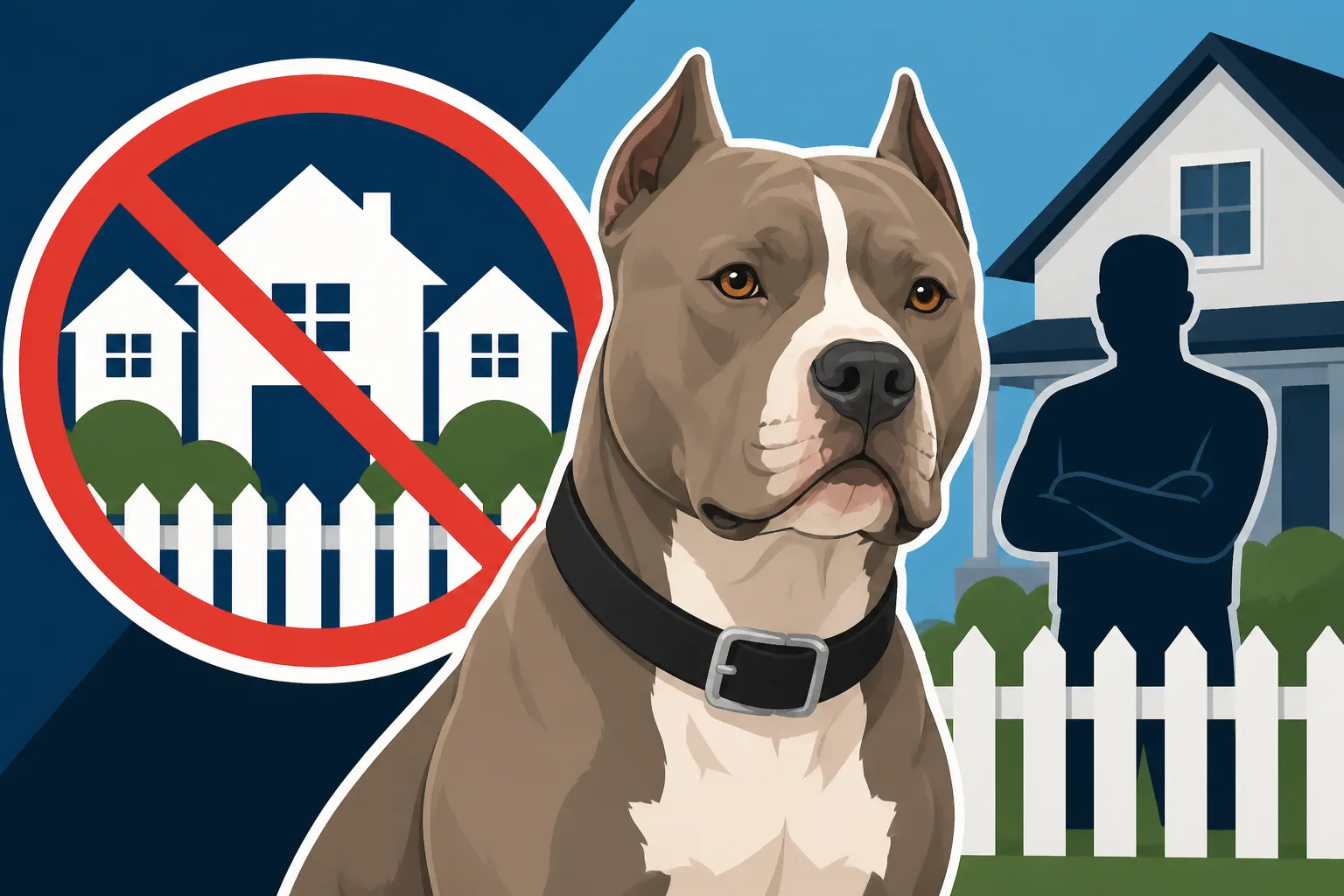
Navigating the landscape of homeowners association rules can feel like walking through a minefield, especially when you share your life with a Pit Bull type dog. Many people buy a home, fall in love with the neighborhood, and then get hit with the shocking news that their four-legged best friend isn't welcome. It’s a heartbreaking situation that far too many Pit Bull owners face, and it often stems from a lack of understanding of what an HOA truly is and the power it wield holds over residents. These aren't just suggestions; they are legally binding rules that can impact your ability to live peacefully in your own home with your dog.
How HOAs Define "Pit Bull Type Dogs"
One of the biggest hurdles is often the ambiguous and broad definition an HOA uses for "Pit Bull type dogs." Unlike breed registries that define specific breeds like the American Pit Bull Terrier or the American Staffordshire Terrier, HOAs often cast a very wide net. They might list "Pit Bull" as a single breed, or include "any dog resembling a Pit Bull," "any mix containing Pit Bull genetics," or even "any dog with characteristics commonly associated with Pit Bulls." This vague terminology can mean that a Boxer mix, a Labrador mix, or even a dog with a blocky head and muscular build, regardless of actual breed, could be flagged. It's not uncommon for associations to rely on visual identification, which, as studies show, can be highly inaccurate. This arbitrary classification is deeply unfair to owners and dogs alike, forcing many to prove their dog isn't what the HOA thinks it is. Understanding Why Pit Bull Is a Type and Not a Breed is crucial in these discussions.
The frustration intensifies because these definitions rarely align with scientific or canine expert consensus. A dog that is clearly a Staffordshire Bull Terrier, a breed recognized by the American Kennel Club as distinct, might still be lumped into the "Pit Bull" category by an HOA solely based on its appearance. This often leads to unnecessary stress and conflict for owners who have invested time, love, and resources into their dogs, only to have their pet's lineage unfairly questioned. The emotional toll of having your dog's safety and your living situation threatened by such broad interpretations can be immense.
The Frustration of Blanket Bans
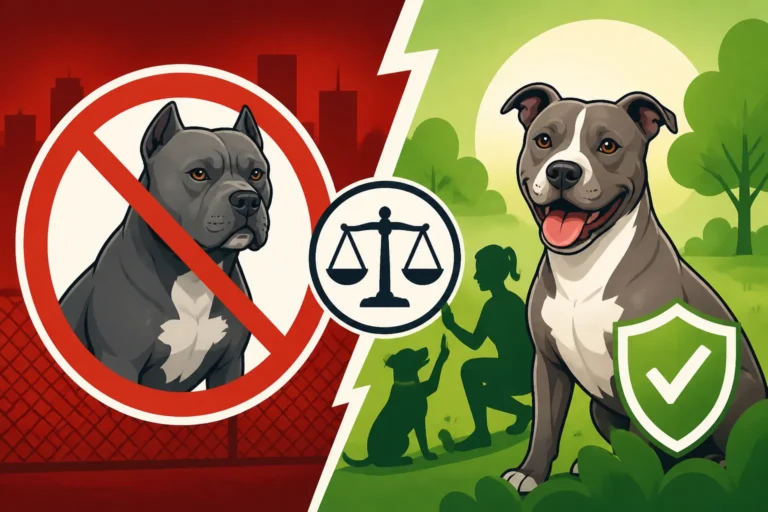
The concept of a "blanket ban" on certain breeds, particularly Pit Bulls, is a source of deep frustration for responsible pet owners. These bans operate under the assumption that all dogs of a certain type are inherently dangerous or problematic, ignoring individual temperament, training, and upbringing. It’s a discriminatory approach that punishes responsible owners and well-behaved dogs simply for their appearance. Imagine dedicating years to training your dog, ensuring they are a model citizen, only to have them deemed unwelcome because of a generalized fear. It negates all the effort you've put in, from Training a Pit Bull to a Higher Standard Than Other Dogs to getting them certified through programs like the Canine Good Citizen.
Moreover, these bans rarely, if ever, prove effective in increasing community safety. Instead of addressing irresponsible dog ownership, which is the true root of most incidents, they target specific breeds. This means that a poorly trained, aggressive dog of an unrestricted breed can still pose a risk, while a well-trained, docile Pit Bull is unfairly penalized. The focus should always be on behavior, not breed. For owners, these bans can feel like a personal attack, undermining their right to choose their companion and live in peace within their own home. It forces people to choose between their beloved pet and their housing, a choice no one should have to make.
When Bylaws Change After You Move In
Perhaps one of the most agonizing scenarios is when an HOA introduces or modifies breed-specific bylaws after you’ve already purchased your home and settled in with your Pit Bull. You moved in under one set of rules, believing your dog was welcome, only to have the rug pulled out from under you. This can feel like a profound betrayal, leaving homeowners in a terrible bind. Suddenly, your cherished family member is at risk, and you might face fines, demands to rehome your pet, or even legal action. This situation highlights the importance of not just reading the bylaws when you buy, but also understanding the HOA's process for amendments.
Such changes often spark outrage and division within communities, as established residents rally against what they perceive as unfair and arbitrary regulations. Homeowners might find themselves in the difficult position of having to fight the very board that is supposed to represent their interests. The process of challenging these retroactive changes can be long, emotionally draining, and financially costly, adding another layer of stress to an already difficult situation. It’s a stark reminder that HOA environments are dynamic, and what is permitted today might not be tomorrow, placing an ongoing burden of vigilance on pet owners.
Deciphering HOA Documents Before You Buy
The best defense against breed restrictions is a good offense: thorough research before you even sign on the dotted line. It's not the most exciting part of buying a home, but trust me, understanding these documents can save you immense heartache and potential legal battles down the road. Never assume anything, and always get everything in writing. A quick chat with a board member might seem sufficient, but their verbal assurance holds little weight against the written word in the official documents.
Key Sections to Scrutinize in Bylaws and Covenants
When you receive the massive stack of HOA documents – often hundreds of pages – it can feel overwhelming. However, there are specific sections you absolutely must pore over with a fine-tooth comb. Look for clauses related to "pets," "animals," "dogs," "nuisance animals," "breed restrictions," and "weight limits." Sometimes the restrictions are not outright bans but subtle limitations, such as a weight cap that would effectively exclude most adult Pit Bulls, or a maximum number of pets allowed. Pay close attention to definitions: how do they define a "pet"? How do they define "Pit Bull type dog"? What about provisions for service animals or emotional support animals, as these often have different rules?
Also, don't just read the current bylaws. Look for the amendment process. Can the board unilaterally change pet policies, or does it require a community vote? Understanding this mechanism is vital, especially considering cases where HOA Bylaws That Restrict Pit Bulls might change after you've moved in. If you're unsure about any phrasing, it's worth consulting with a lawyer experienced in HOA law. This might seem like an extra step, but compared to the potential cost of rehoming your dog or fighting a legal battle, it's a wise investment. Make sure to check the master declaration, articles of incorporation, bylaws, and any separate rules and regulations document – they all contain critical information.
The Importance of a Direct Conversation with the HOA Board
While the written documents are paramount, a direct, documented conversation with the HOA board or management company can also provide valuable context and clarify any ambiguities. However, remember that verbal assurances are not legally binding. Always follow up any conversation with a written summary (email is great) confirming what was discussed and agreed upon. Ask specific questions: "Does your definition of 'Pit Bull type dog' include [your dog's breed/mix]?" "Are there any current discussions or planned votes to change pet policies?" "Is there a process for appealing a breed restriction if my dog doesn't fit the negative stereotypes?"
If you're bringing an existing Pit Bull into the community, ask if there's a way to "register" your dog or apply for an exception, especially if your dog has certifications like the Canine Good Citizen. This proactive approach shows you're a responsible owner and might open a dialogue. Document the names of the people you speak with, the dates, and the specific answers given. This paper trail can be incredibly useful if disputes arise later. You might even find that certain HOAs have more lenient interpretations or a willingness to work with responsible owners than their boilerplate documents initially suggest.
Understanding Grandfather Clauses and Waivers
In some cases, HOAs that implement new breed restrictions might include "grandfather clauses." This means that dogs already living in the community before the new rule was enacted are exempt, allowing them to remain. However, new dogs moving in would be subject to the ban. It’s a temporary solution, as it doesn't apply to future pets or if you move again. Always clarify if such a clause exists, what its exact terms are, and whether it applies to your specific situation. Don't assume; get it in writing.
Another possibility is seeking a waiver or an exception. This is often more challenging but not impossible, especially if you can demonstrate that your dog is a well-behaved, non-aggressive member of the community. This is where comprehensive documentation of your dog's training, behavior, and good health comes into play. Proof of Canine Good Citizen Testing With a Pit Bull or therapy dog certifications can be powerful evidence. Some HOAs might offer waivers for owners who agree to specific conditions, such as liability insurance (which, incidentally, you should probably have anyway). Even if it seems like a long shot, it's always worth exploring these avenues, as it shows your commitment and responsibility as a pet owner.
Strategies for Advocating for Your Pit Bull
If you find yourself facing an HOA with breed-specific restrictions, don't despair right away. There are proactive steps you can take to advocate for your Pit Bull. It requires patience, diligence, and a commitment to presenting a compelling case built on facts and responsible pet ownership. This isn't just about your dog; it's about challenging discriminatory policies and promoting a fairer approach to pet ownership in communities.
Gathering Documentation and Training Records
The strongest argument you can present to an HOA is a comprehensive portfolio of your Pit Bull's good behavior and your responsible ownership. This isn't just a casual chat; it's a formal presentation. Start by compiling all veterinary records, ensuring your dog is up-to-date on all vaccinations and parasite preventatives. A letter from your vet confirming your dog's good health and temperament can be beneficial. Crucially, gather all training certificates. Proof of puppy classes, obedience training, and especially certifications like the AKC Canine Good Citizen (CGC) are invaluable. The CGC demonstrates that your dog is well-mannered, leash-trained, and non-reactive in various public settings. A trainer's letter detailing your dog's specific positive traits and training regimen also adds credibility.
Consider obtaining high-level liability insurance that explicitly covers your Pit Bull. Some carriers, like State Farm or Amica, are known for not having breed restrictions, though policies can vary by state. Presenting proof of such coverage can alleviate some of the HOA's concerns about liability. Additionally, provide a clear, recent photograph of your dog, along with their actual breed information (if known from a DNA test), weight, and height. This helps counter the often-misinformed visual identification. For a good look into which insurers might cover you, check out Getting Homeowners Cover After a Pit Bull Denial. You could even include a statement from neighbors or previous landlords attesting to your dog's calm demeanor. Remember, you're building a case to demonstrate that your Pit Bull is an individual, not a stereotype.
Presenting a Case to the HOA Board
Once you've assembled your documentation, request a formal meeting with the HOA board. Present your case professionally, calmly, and respectfully. Focus on facts, not emotions. Explain that breed-specific legislation is often ineffective and discriminatory, and that responsible ownership and individual behavior should be the criteria. Highlight your dog's training and certifications, emphasizing their good temperament. Share your liability insurance details. You might even bring up examples of other communities or cities that have moved away from breed-specific bans, focusing instead on "dangerous dog" laws that target behavior regardless of breed.
Be prepared for questions and potential pushback. The goal is to educate the board and demonstrate that your dog is not a risk. Offer solutions, such as agreeing to specific leash rules, muzzling in common areas (if appropriate and after proper Muzzle Training Every Pit Bull Should Have), or even regular behavior check-ins. Your willingness to collaborate can go a long way. If the board remains resistant, politely ask for their reasoning and whether there are any alternative solutions they might consider. Don't be afraid to leave them with a packet of your compiled information for their review. You might also mention that some pet insurance providers, like Healthy Paws, do not have breed restrictions, further showing your commitment to their well-being and mitigating risks.
Seeking Legal Counsel When Necessary
Sometimes, despite your best efforts, the HOA board remains unyielding. This is when seeking legal counsel might become necessary. An attorney specializing in HOA law and pet owner rights can review your specific situation, interpret the bylaws, and advise you on your legal options. They can help determine if the HOA has overstepped its authority, if the bylaws were improperly adopted, or if there's a basis to challenge the restriction on grounds of discrimination (e.g., if your dog is a legitimate service or emotional support animal, which are protected under federal housing laws).
A lawyer can also help you understand how to navigate formal appeal processes within the HOA structure or, if necessary, pursue litigation. They can send official letters to the HOA on your behalf, which can sometimes be enough to encourage the board to reconsider, knowing you are serious about protecting your rights. While legal action can be costly and stressful, it may be your only recourse to ensure your Pit Bull can remain safely in your home. Remember, the cost of fighting an unfair ban can be significant, so weighing your options carefully with a legal expert is essential. Sometimes, understanding What Allergy Shots Cost a Pit Bull Owner or other ongoing expenses can help put potential legal fees into perspective within the broader context of pet ownership.
Living Under Restrictive HOA Bylaws
Even if you successfully navigate the initial hurdles, living in an HOA community with a Pit Bull requires ongoing vigilance and a commitment to responsible ownership. You might be under increased scrutiny, and it’s important to ensure your dog is always a shining example of good behavior. Your actions, and your dog's behavior, can set a precedent for future Pit Bull owners in the community.
Compliance and Avoiding Incidents
If your Pit Bull is allowed to reside in the HOA community, whether through an exception, a grandfather clause, or a successful appeal, strict compliance with all rules is non-negotiable. This means always keeping your dog on a leash in common areas, picking up after them diligently, and ensuring they don't become a nuisance through excessive barking or destructive behavior. You want to be beyond reproach. This level of responsibility often mirrors the advice for responsible pet ownership, such as year-round parasite coverage for a Pit Bull. Keep your dog's training sharp and reinforce good manners consistently. You might consider refresher courses or continued advanced training to ensure your dog remains a model citizen.
Beyond the basic rules, consider how your dog interacts with others. If your Pit Bull has Pit Bull Dog Selectivity Explained and prefers the company of people over other dogs, manage their interactions carefully. Avoid dog parks within the community if they exist, opting for leashed walks or private playdates instead. The goal is to avoid any incident, no matter how minor, that could give the HOA grounds to reconsider their decision or enforce further restrictions. Proactive management of your dog's environment and interactions is key to long-term success in a breed-restricted community. Many pet owners find that online retailers like Chewy offer a wide range of training tools, durable leashes, and waste bags to help ensure compliance and cleanliness.
Managing Public Perception Within the Community
Living with a Pit Bull in a community that may harbor negative stereotypes means you'll need to actively manage public perception. This isn't fair, but it's a reality many Pit Bull owners face. Be friendly and approachable with your neighbors. Allow them to meet your well-behaved dog in a controlled, positive environment. Many people's fears are based on misinformation, and a positive personal interaction can go a long way in changing minds. If your dog has their Canine Good Citizen and Why It Matters for a Pit Bull title, don't hesitate to mention it (politely, of course!).
Consider carrying small, individually wrapped treats on walks and offering them to neighbors (with permission) who express interest in your dog. This creates positive associations. Make sure your dog is impeccably groomed and well-cared for. A healthy, happy, and clean Pit Bull will always make a better impression than one that appears neglected. Remember that every positive interaction your dog has chips away at negative stereotypes, not just for your dog, but for the entire "Pit Bull type" umbrella. Every calm greeting, every wagging tail, and every respectful interaction helps to change minds, one neighbor at a time.
Exploring Alternatives if an Agreement Can't Be Reached
If, despite all your efforts, you are unable to reach an agreement with your HOA, or if the situation becomes untenable, it's a heartbreaking reality that you might need to explore other living arrangements. No one wants to make this choice, but for some, the stress and potential legal battles are simply too much. This could mean finding a new rental property or selling your home and moving to a community or area without breed restrictions. Researching Finding a Rental That Takes a Pit Bull or States Where Insurers Cannot Ask About a Pit Bull would be your next steps.
While rehoming your dog might feel like the only option in extreme cases, it should always be the absolute last resort, explored only after all other avenues have been exhausted. If this difficult decision must be made, work with reputable rescues or a trusted network to find your dog a safe and loving home where they will be accepted. The emotional toll of such a situation is immense, and it highlights the importance of thorough research and aggressive advocacy from the very beginning. Remember that your dog's well-being and your peace of mind are paramount.
The Broader Movement Against Breed-Specific Legislation
The challenges Pit Bull owners face with HOA bylaws are part of a much larger conversation about breed-specific legislation (BSL) across the country. There's a growing understanding that BSL is not effective, and many organizations and communities are shifting towards more sensible, behavior-based regulations. This broader movement offers hope and resources for those fighting local restrictions.
Shifting Tides in Local and State Laws
There's a noticeable shift happening across the United States, with more and more cities and states repealing or restricting breed-specific legislation. For example, states like Pennsylvania, Arizona, and Massachusetts have laws preventing local governments from enacting breed-specific bans. Florida recently ended its statewide ban on Pit Bulls, a move that delighted advocates. This growing trend reflects a deeper understanding that responsible pet ownership and individual dog behavior are the true indicators of safety, not breed. This often involves educating policymakers and the public on topics like How a City Decides a Dog Is a Pit Bull and why visual identification is often inaccurate.
This change is largely driven by veterinary associations, animal welfare organizations, and responsible pet owner advocacy groups, who provide evidence that BSL doesn't reduce bite incidents and disproportionately impacts certain breeds and their owners. As more data becomes available, the argument against BSL gains strength, paving the way for more progressive and fair animal control ordinances. This shift is crucial for HOAs to observe, as they often lag behind current best practices in animal welfare.
Resources and Advocacy Groups
You are not alone in this fight. Numerous national and local organizations are dedicated to advocating against breed-specific legislation and supporting Pit Bull owners. Groups like the American Society for the Prevention of Cruelty to Animals (ASPCA), Best Friends Animal Society, and various local Pit Bull rescue and advocacy groups offer invaluable resources. They provide educational materials, legal guidance, and support networks for owners navigating these challenges. These organizations often publish position statements, share success stories of cities overturning bans, and offer advice on how to effectively advocate to local councils or HOA boards.
Connecting with these groups can provide you with templates for letters, research papers to share, and even direct contacts for legal aid or public relations strategies. They can also put you in touch with other Pit Bull owners in similar situations, fostering a sense of community and shared purpose. Many of these groups emphasize the importance of titles like Whether a CGC Title Helps a Pit Bull Policy to demonstrate responsible ownership. Don't hesitate to reach out to them; they are often on the front lines of changing hearts and minds, and their expertise can be a powerful tool in your arsenal.
The Impact of Pet-Friendly Community Trends
Beyond direct advocacy, there's a broader cultural trend towards more pet-friendly communities. Many people view their pets as integral family members, and their choice of housing is often influenced by pet policies. Developers and property managers are starting to recognize the value of attracting responsible pet owners, leading to a rise in communities that embrace all breeds. This trend can indirectly influence HOAs to reevaluate their restrictive policies, as they compete for residents in a pet-loving market.
More and more apartment complexes and planned communities are advertising "no breed restrictions" or "all breeds welcome" as a selling point. This reflects a significant shift from even a decade ago. As this trend continues, HOAs that maintain outdated breed bans may find themselves at a disadvantage, struggling to attract and retain residents who prioritize their pets. This evolving marketplace provides another avenue for pressure and encourages a more inclusive approach to pet ownership within housing communities. For those seeking housing, keep an eye out for places that list "all breeds accepted" or are generally known for being pet-friendly – it saves a lot of headaches later on. Even companies like Ollie, which provides fresh, custom dog food, cater to a market where owners view their pets as family and are willing to invest in their well-being, suggesting a broader shift in pet ownership values.
Key Considerations for Pit Bull Owners in HOAs
| Aspect | What to Look For/Do | Why It Matters |
|---|---|---|
| Bylaw Language | Specific breed names, "Pit Bull type," weight limits, "nuisance" clauses. | Vague language can be interpreted broadly, impacting your dog. |
| Amendment Process | How rules are changed (board vote, community vote, etc.). | Rules can change after you move in, so understand how. |
| Documentation | Vet records, training certificates (CGC), liability insurance. | Provides concrete proof of responsible ownership and good behavior. |
| Communication | Direct, documented conversations with HOA board. | Clarifies ambiguities and establishes a paper trail. |
| Grandfather Clauses | If existing dogs are exempt from new restrictions. | Can protect your current dog but not future pets. |
| Public Perception | Engage positively with neighbors, ensure impeccable behavior. | Helps dismantle stereotypes and build community support. |
| Legal Counsel | Consult an attorney specializing in HOA/pet law if needed. | Understand your rights and options for challenging unjust rules. |
| Alternative Housing | Research pet-friendly communities or rentals. | A last resort if all other efforts fail, but important to know options. |
Disclaimer
This guide offers general information and insights into HOA bylaws and breed restrictions concerning Pit Bull type dogs. It is not intended as legal advice. Every HOA has unique bylaws and enforcement procedures, and local and state laws can vary significantly. If you are facing issues with your HOA regarding your dog, it is strongly recommended that you consult with an attorney specializing in HOA law and animal rights in your specific jurisdiction.