Adding Up Fifteen Years of Pit Bull Bills
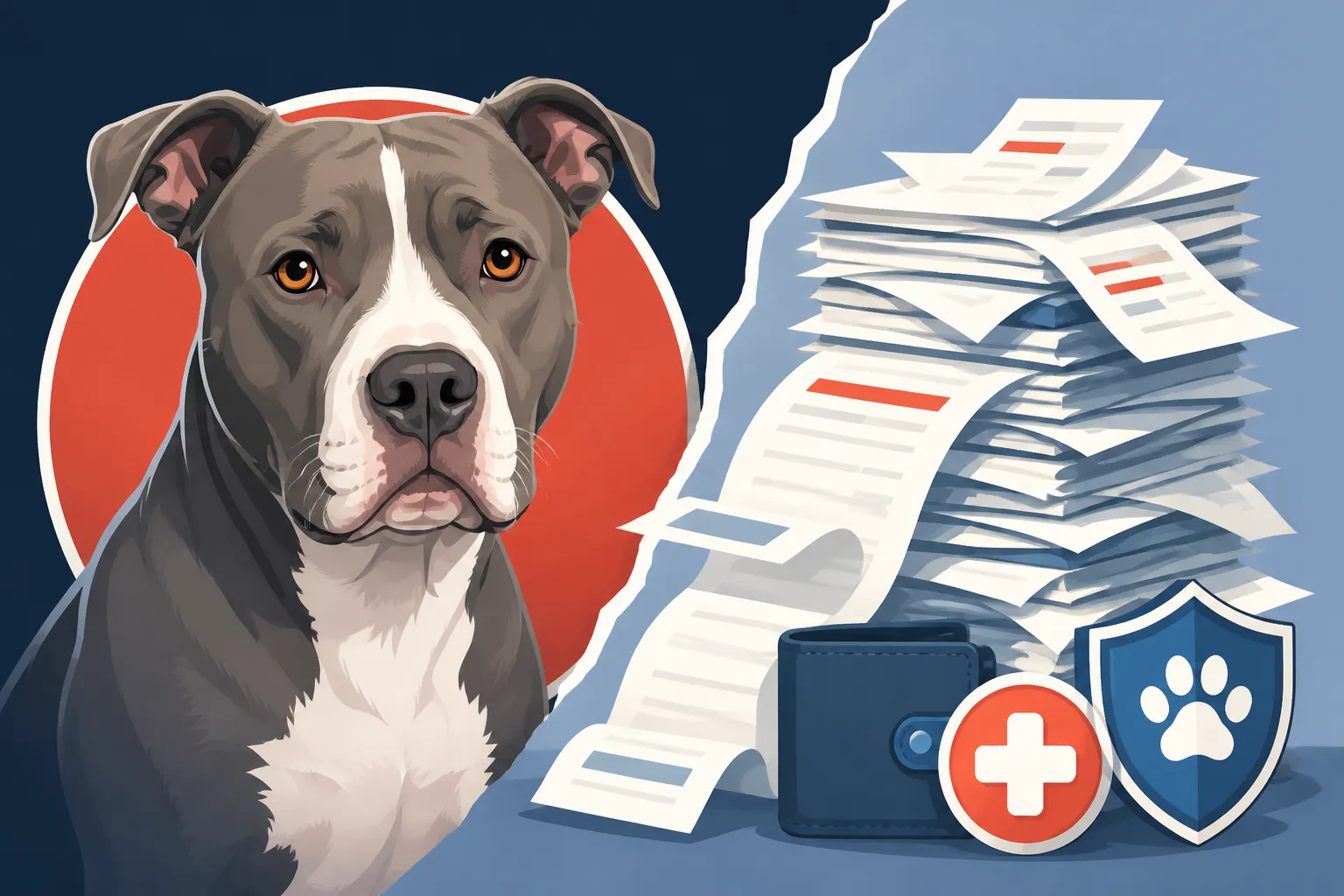
Bringing a Pit Bull into your life is an incredible joy, but it's also a significant long-term financial commitment that many folks underestimate. From the moment you welcome that wiggly puppy or noble adult into your home, the bills start adding up, and they certainly don't stop when your dog hits their golden years. This guide is here to walk you through the realistic costs you can expect over a Pit Bull's entire lifespan, typically spanning The Twelve to Sixteen Years a Pit Bull Gets, helping you budget wisely for every stage of their wonderful life.
The Initial Outlay and First-Year Essentials
That first year with a Pit Bull is often one of the most expensive, right behind their senior years. You're not just paying for the dog itself; you're setting up their entire world and making sure they get off to a healthy start. It's a flurry of shopping and vet visits, but every penny spent here lays the groundwork for a happy, healthy future.
Adoption or Purchase Costs
First things first, how does your Pit Bull come home? If you're adopting from a shelter or rescue, you'll typically pay an adoption fee. These fees vary widely depending on the organization, the dog's age, and what's included. Often, a shelter fee covers initial vet checks, spaying or neutering, microchipping, and initial vaccinations. It's an incredible value when you consider what all of that would cost separately. For instance, Pit Bull Adoption Fees at a Shelter are often much lower than the actual services provided.
If you're buying from a responsible breeder, the purchase price for a Pit Bull puppy can be substantially higher. Good breeders invest heavily in health testing their breeding stock for common Pit Bull ailments like hip dysplasia and cardiac issues, and they provide excellent care for the puppies before they go home. While the initial sticker price might seem steep, remember you're paying for a foundation of good health and temperament. Be wary of listings that seem too cheap, as they often come from backyard breeders who skip critical health screens, potentially leaving you with much larger vet bills down the line.
Puppy Supplies and Setup
Once your Pit Bull is on their way, you'll need to outfit your home. This isn't just a few toys; it's about creating a safe, comfortable environment. You'll need a sturdy crate – something a growing Pit Bull can't easily destroy – along with comfy bedding. Think about heavy-duty food and water bowls, a quality leash and collar or harness, and plenty of chew-proof toys. Many Pit Bulls are powerful chewers, so investing in durable toys from the start, perhaps from a reputable online retailer like Chewy, can save you money in the long run by not constantly replacing shredded items.
Training equipment is also key. You might need a long line for recall practice, or a specific harness to help with Pit Bull Leash Pulling at Fifty Pounds. Don't forget basic grooming tools like a brush, nail clippers or a grinder, and puppy-safe shampoo. The cost of these initial supplies can easily add up, ranging from a few hundred dollars to more than a thousand, depending on your choices and how much you need to buy all at once. It's wise to budget a dedicated amount for this initial setup before your puppy even arrives.
Early Veterinary Care and Preventatives
The first few months of a Pit Bull puppy's life involve a series of crucial vet visits. They'll need their initial rounds of vaccinations to protect against diseases like parvovirus, often detailed in a guide like Pit Bull Puppy Vaccination and Parvovirus. These are typically given in a series over several weeks. Alongside vaccinations, your vet will likely recommend deworming, especially if your puppy came from a shelter or a multi-dog environment.
Then there are monthly preventatives. Heartworm medication, flea, and tick prevention are absolute musts, and these prescriptions are dosed by weight. Your Pit Bull will grow quickly, meaning their dosage, and thus the cost, will increase rapidly in that first year. Many vets will also recommend a fecal exam to check for intestinal parasites and potentially blood work to establish a baseline. If your Pit Bull isn't already spayed or neutered, that will be a significant one-time cost, typically performed between six months and a year of age.
Ongoing Annual Expenses for a Healthy Adult Pit Bull
Once your Pit Bull is through their puppy phase, the big initial costs level out, but a consistent stream of expenses continues. These are the regular, predictable bills that keep your adult Pit Bull healthy, happy, and well-behaved for many years to come.
Food and Nutrition
Feeding a muscular, active Pit Bull correctly is crucial for their health and energy levels. They need a high-quality diet that supports their lean muscle mass and robust energy. The cost of food can be one of your largest recurring expenses. Whether you opt for premium kibble, wet food, or even a fresh-food diet, the cost will depend on the brand, ingredients, and your dog's size and activity level. For example, a resource like Feeding a Muscular Fifty Pound Pit Bull emphasizes quality and proper portions.
If your Pit Bull develops allergies or sensitivities later on, you might find yourself needing prescription diets or novel protein formulas, which often come with a higher price tag. Brands like Ollie offer fresh, pre-portioned meals that can be an excellent option for some dogs, but these too will factor into your budget. Treats for training and enrichment also add up. It's not just about filling their belly; it's about providing the right fuel for their unique build and needs.
Routine Veterinary Care and Preventatives
Even a perfectly healthy adult Pit Bull needs regular vet check-ups. Most vets recommend an annual physical exam, often combined with updated vaccinations like rabies and distemper. These yearly visits are critical for catching any subtle health issues early, which can save you money and heartache in the long run.
Ongoing preventatives remain a non-negotiable expense. Heartworm medication and flea/tick prevention are usually monthly or quarterly, depending on the product, and are essential for year-round protection, as outlined in guides like Year-Round Parasite Cover for a Pit Bull. Dental care is another often-overlooked cost. Pit Bulls are strong chewers, but they can still develop dental disease. Annual dental cleanings under anesthesia can be a significant cost, but they're vital for preventing painful infections and more serious health problems. Brushing your dog's teeth at home daily, as discussed in Pit Bull Dental Cleaning Schedule, can help reduce the frequency of professional cleanings.
Training, Enrichment, and Gear Replacement
Your Pit Bull's needs don't stop at food and vet visits. Ongoing training and enrichment are vital for a well-adjusted dog. Group classes, private sessions, or even workshops for specific sports like agility can be a recurring expense, but they're an investment in your dog's behavior and your bond. Pit Bulls thrive on having a "job" and mental stimulation.
Then there's gear. Leashes wear out, collars get stretched, and even the toughest chew toys eventually meet their match. You'll likely replace these items periodically over fifteen years. Factor in the cost of sturdy harnesses, new beds, and puzzle toys. If your Pit Bull attends daycare while you're at work, that's another significant weekly or monthly expense. Even simple things like poop bags, grooming supplies, and occasional professional grooming appointments for nail trims or de-shedding add up over time.
Accounting for Common Pit Bull Health Challenges
While we hope for a perfectly healthy life for our dogs, Pit Bulls, like all breeds, are prone to certain health issues that can significantly impact your long-term budget. Being prepared for these possibilities is key to responsible ownership.
Managing Skin Allergies
One of the most common and frustrating chronic conditions for many Pit Bulls are skin allergies. These can manifest as constant itching, paw licking, ear infections, and skin irritation. Dealing with Pit Bull Skin Allergies and the Atopy Pattern often means a combination of prescription medications, special diets, medicated shampoos, and potentially allergy shots or oral immunotherapy.
The costs associated with managing allergies can be substantial and lifelong. You might be looking at regular vet visits, expensive medications, and potentially frequent medicated baths or wipes. A guide like What a Pit Bull Costs a Year With Allergies provides a stark look at how these expenses can quickly accumulate. It's a real financial burden that many Pit Bull owners face, and it's essential to factor this possibility into your long-term financial planning.
Addressing Joint Issues and Injuries
Pit Bulls are athletic and powerful, which can sometimes put strain on their joints. Conditions like hip dysplasia are not uncommon, with Pit Bull Hip Dysplasia Showing at One to Two Years in many cases. Cruciate ligament tears, a common knee injury, can also affect active Pit Bulls, often requiring surgery. These orthopedic issues can lead to incredibly high vet bills, easily running into thousands of dollars for diagnostics, surgery, and rehabilitation.
Even without major surgery, managing joint health in a muscular Pit Bull often involves joint supplements, pain medication, and potentially physical therapy as they age. Maintaining a lean body condition is critical to minimize joint strain, a topic discussed in Pit Bull Obesity and Joint Strain. These proactive and reactive measures for joint health are an important part of a Pit Bull's long-term care budget.
The Role of Pet Insurance
Given the potential for chronic conditions like allergies and expensive orthopedic surgeries, many Pit Bull owners choose to invest in pet insurance. This can be a lifesaver when unexpected illnesses or injuries strike. Pet insurance plans typically involve a monthly premium, a deductible, and a reimbursement percentage. It’s crucial to understand Pit Bull Pet Insurance and Breed Exclusions, as some older policies might have breed-specific clauses, though many modern providers like Healthy Paws are more inclusive.
While it's an added monthly expense, pet insurance can prevent you from facing an impossible choice when your dog needs a costly procedure. For example, if your Pit Bull needs knee surgery or has a severe allergy flare that requires advanced diagnostics and treatment, having insurance can mean the difference between getting them the best care and struggling to afford it. However, remember that most policies don't cover pre-existing conditions, so enrolling your Pit Bull when they are young and healthy is often the best strategy.
Table: Common Pit Bull Health Costs (Illustrative)
| Condition / Service | Typical Cost Range (Excludes Preventatives) | Annual vs. One-Time | Potential Impact on Long-Term Budget |
|---|---|---|---|
| Initial Vet Visits & Vaccines | Moderate to High | One-Time (Puppy) | Essential foundation |
| Spay/Neuter | Moderate to High | One-Time | Crucial for health, prevents litters |
| Allergy Diagnostics & Meds | High | Annual / Ongoing | Can be a significant lifelong burden |
| Cruciate Ligament Surgery | Very High | One-Time (per knee) | Major unexpected expense |
| Hip Dysplasia Surgery (e.g., THR) | Very High | One-Time (per hip) | Major unexpected expense |
| Dental Cleaning (annual) | Moderate | Annual | Prevents serious oral disease |
| Emergency Vet Visit | High | As Needed | Unpredictable, can be very sudden |
Note: These ranges are illustrative and can vary significantly based on your location, veterinary clinic, and specific treatments required. Always consult your vet for accurate estimates.
Senior Pit Bull Care and End-of-Life Planning
As your Pit Bull enters their senior years, typically around seven or eight years old, their needs and associated costs will shift again. These golden years can be incredibly rewarding, but they often come with increased veterinary expenses and a focus on comfort and quality of life.
Increased Veterinary Needs
Older Pit Bulls generally require more frequent veterinary check-ups, often twice a year instead of annually. This allows your vet to monitor for age-related conditions like arthritis, heart disease, kidney issues, or even Cancers That Show Up in an Older Pit Bull. These visits often include senior blood panels, urine tests, and sometimes X-rays to assess organ function and joint health. The cost of these diagnostic tests adds up.
Managing chronic pain, especially from arthritis, becomes a regular part of care for many senior Pit Bulls. This might involve daily non-steroidal anti-inflammatory drugs (NSAIDs), joint supplements, or even newer injectable medications for pain management. These prescriptions are ongoing costs. As their senses decline, you might also be dealing with An Old Pit Bull Losing Sight and Hearing, which might not have direct medical costs but could require changes to your home environment.
Mobility Support and Comfort
Keeping an older Pit Bull comfortable is paramount. As their mobility decreases, you might need to invest in things like orthopedic beds, ramps to help them get into cars or onto furniture, or even supportive harnesses for assistance with walking. Pit Bull Mobility Aids in Old Age can make a huge difference in their quality of life. Slippery floors can become a hazard, so consider non-slip mats or even paw grips.
For dogs with severe mobility issues, professional physical therapy or hydrotherapy can provide immense relief but will add to your ongoing expenses. The goal is always to ensure their comfort and maintain their independence for as long as possible, which sometimes means adjusting your home and investing in supportive equipment.
End-of-Life Considerations
It's a difficult topic, but responsible Pit Bull ownership includes planning for their final days. The decision to say goodbye is often The Hardest Call a Pit Bull Owner Makes, and there are costs associated with humane euthanasia. This can be done at your veterinary clinic or, for added comfort, at home, which often carries a higher fee.
Beyond that, you'll need to consider aftercare options. Cremation services, whether communal or private (allowing you to receive your dog's ashes back), vary in price. Some owners choose burial. There are also memorial items, like paw prints or special urns, that can help with the grieving process. While no one wants to think about this, having these costs in mind helps ensure you can provide a dignified farewell when the time comes.
Ultimately, a Pit Bull is a fifteen-year commitment, not just of love and time, but of financial resources. By understanding the potential bills for What One Pit Bull Costs From Eight Weeks On and throughout their life, you can better prepare and ensure your beloved companion receives the best care possible.
Disclaimer
This article is for general informational purposes only and does not constitute professional advice. Laws, prices and regulations vary by location and change over time. Consult a qualified professional for guidance on your specific situation.