Why a Pit Bull Microchip Matters More
Let's be real for a moment: losing any dog is a gut-wrenching experience, a true nightmare for any pet parent. But for those of us who share our lives with Pit Bulls, the stakes feel astronomically higher. When a Pit Bull goes missing, it's not just about finding your beloved family member; it's about battling misconceptions, navigating breed-specific fears, and ensuring their safety in a world that often misunderstands them. This guide will delve deep into why a microchip isn't just a good idea for your Pit Bull, but an absolutely crucial lifeline that provides an essential layer of protection and peace of mind.
The Unfair Reality: Why Pit Bulls Face Different Hurdles When Lost
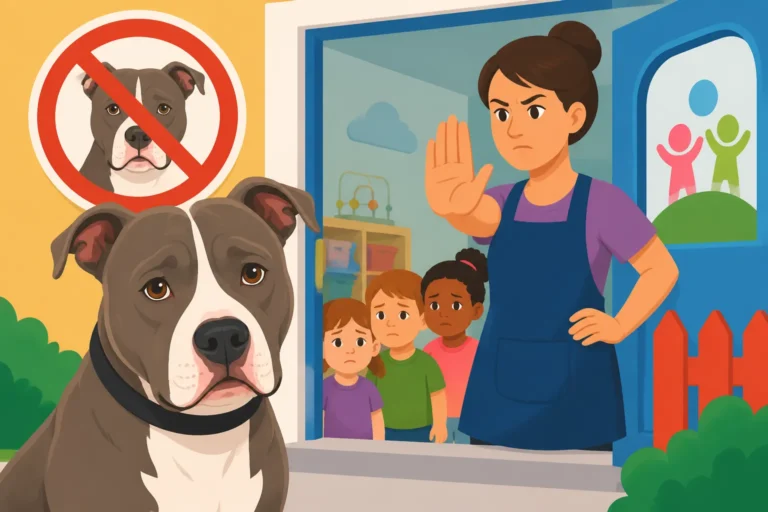
It’s a sad truth that not all lost dogs are viewed equally in the eyes of the public, or even sometimes, in the systems designed to protect them. For Pit Bulls, the journey back home can be riddled with extra challenges that other breeds simply don’t encounter. These hurdles are often rooted in deep-seated prejudices and misunderstandings about the breed type.
Visual Identification and Misconceptions
One of the most frustrating realities is the sheer difficulty in accurately identifying a "Pit Bull" by sight alone. The term "Pit Bull" isn't a single breed, but rather an umbrella term that often encompasses several distinct breeds like the American Pit Bull Terrier, the American Staffordshire Terrier, and even mixes with similar physical characteristics. This can lead to a rescue organization or a well-meaning citizen mislabeling a lost dog based purely on looks, which can affect everything from how quickly they are reunited to the policies applied to them in shelters. You might find yourself asking, "How Shelters Decide a Dog Is a Pit Bull" and the answer is often subjective, based on visual cues rather than a definitive breed standard. This misidentification can hinder reunification efforts, as people might be looking for a "boxer mix" when their dog has been labeled a "Pit Bull" by the shelter.
Consider a scenario where your beloved brindle Pit Bull, who happens to have a very square head, gets out. A neighbor finds her and, seeing her strong build, immediately labels her "a Pit Bull" – which, while perhaps accurate in the broad sense, doesn't help if your local shelter has specific rules or even outright bans on the type of dog. This initial, often incorrect, visual identification can set off a chain reaction that makes finding your dog exponentially harder. Without a reliable, unchangeable form of identification, your dog's fate can hinge entirely on the subjective interpretation of a stranger.
Housing and Insurance Restrictions
The struggles don't stop there. Many Pit Bull owners grapple with constant housing and insurance challenges. Trying to find a rental that takes a Pit Bull can be a nightmare, with many landlords having blanket bans based on breed. Similarly, homeowners carriers that refuse Pit Bulls are a common source of frustration, often leading to higher premiums or outright denial of coverage. This creates a precarious situation: if your dog is lost and identified as a Pit Bull, even if you manage to find her, returning home might not be straightforward if your current living situation is technically against the rules, or if a new rule has been imposed while she was missing.
Imagine you're renting, and your lease has a strict "no Pit Bull" clause, even though your sweet American Staffordshire Terrier has never harmed a fly. If she slips out and is picked up, her perceived breed can trigger alarm bells. This can lead to your landlord discovering your dog and potentially putting your housing at risk. A microchip, while not a magical solution to housing discrimination, provides a permanent, undeniable link to you as the owner. It can help establish a documented history and responsible ownership, which, while not always enough to overcome rigid policies, is a vital piece of the puzzle. It underscores the point that while we strive for a world where "Whether a DNA Test Gets a Pit Bull Insured" shouldn't be a question, it sometimes is, and a microchip provides critical data regardless.
The Shelter System and Stigma
Sadly, Pit Bulls often face a harsher reality within animal shelters. Due to their sheer numbers, the stigma surrounding the breed type, and sometimes breed-specific legislation, Pit Bulls can spend longer in shelters, and tragically, have higher euthanasia rates than other breeds. This isn't a reflection of their individual temperaments but rather a systemic issue. When your Pit Bull goes missing, the clock starts ticking faster for them in many places.
A shelter might be overwhelmed with dogs labeled as Pit Bulls, making it harder for your dog to stand out. Even if your Pit Bull is the sweetest, most well-behaved dog on the planet, the "Pit Bull" label can reduce her chances of being quickly reclaimed or adopted by a new family if you cannot be found. This adds immense pressure on owners to ensure their dog has the most reliable form of identification possible. Knowing "Why Pit Bull Adoption Fees Are Often Waived" can hint at the struggles shelters face with this particular breed type. When a microchip is scanned, it immediately provides a direct link back to you, the owner, cutting through the noise and increasing the chances of a swift, safe return home before the systemic challenges of the shelter environment take their toll.
Beyond Basic ID: How a Microchip Becomes a Pit Bull's Lifeline
A collar and tags are fantastic and absolutely necessary, but they are easily lost, broken, or removed. A microchip, however, is a permanent, tamper-proof form of identification that truly goes the extra mile for your Pit Bull, offering layers of security that other methods simply cannot match. It’s an investment in their safety that you’ll never regret.
Ensuring Speedy Reunification
The primary benefit of a microchip for any dog is reunification, but for a Pit Bull, it's particularly vital. When a lost Pit Bull is found, whether by animal control, a concerned citizen, or a vet clinic, the first thing many will do is check for a microchip. A simple scan reveals a unique identification number, which, when registered, links directly back to your contact information. This bypasses all the potential misidentification issues we discussed earlier.
Think about it: if your dog loses her collar while exploring a new scent in the woods, or if a well-meaning person removes it, her identity becomes a mystery. But with a microchip, that unique ID is always there, beneath her skin, silent and persistent. This means fewer agonizing days spent wondering, less time in a noisy, stressful shelter environment, and a much higher chance of being back in your arms swiftly. A microchip is about immediate, undeniable proof that this specific dog belongs to you, regardless of what she looks like or what assumptions others might make.
Providing Undeniable Proof of Ownership
In unfortunate situations where disputes over ownership arise, a microchip serves as invaluable, irrefutable evidence. Imagine your Pit Bull is found by someone who then claims she's theirs, or perhaps she's picked up in an area with strict local ordinances that might lead to confiscation if ownership isn't immediately clear. A microchip provides a legally recognized and traceable link directly to you.
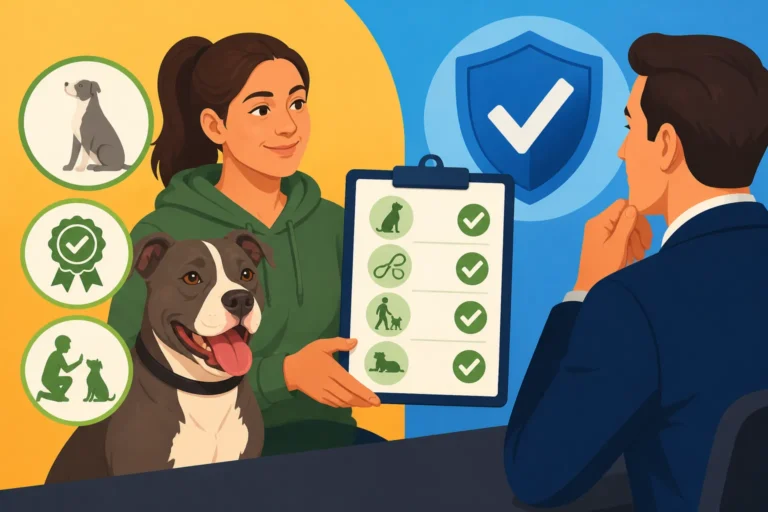
This becomes especially important in the context of breed-specific legislation or incidents where a Pit Bull's temperament might be unfairly questioned. While a microchip doesn't prevent an incident, it ensures that if your dog is involved in one, or simply found roaming, her identity as your pet can be quickly verified. This establishes accountability and allows you to respond promptly. Documenting a Pit Bull's training record, along with a microchip, further solidifies your position as a responsible owner, which can be critical in demonstrating due diligence in any situation.
Navigating Breed-Specific Legislation
This is where the "matters more" truly comes into play for Pit Bulls. Many cities, counties, and even entire states still have active breed-specific legislation (BSL) that places restrictions or outright bans on Pit Bull-type dogs. Moving to a city with a Pit Bull ban, or even driving through one, can be incredibly stressful. A microchip, by providing irrefutable proof of ownership and a means to track your dog's history (if associated with vet records), can become a critical tool in navigating these complex legal landscapes.
In some areas with BSL, microchipping might even be a mandatory requirement, coupled with specific licensing or permitting rules. For example, some jurisdictions might require a Pit Bull owner to obtain a special permit, microchip their dog, and even carry specific insurance. A microchip ensures compliance and provides an objective way for authorities to identify your dog and connect her to her legal owner. While it doesn't dismantle BSL, it gives you a crucial piece of identification that ties your dog to you, the responsible owner, rather than leaving her as an anonymous "Pit Bull" subject to arbitrary judgments. This link can be particularly important in situations where "How a City Decides a Dog Is a Pit Bull" is a subjective process; the microchip connects her to your documented details, not just a visual assessment.
Here’s a quick comparison of ID methods:
| Identification Method | Pros for Any Dog | Pros Specifically for Pit Bulls | Cons |
|---|---|---|---|
| Collar & Tags | Visible, immediate contact | Easy to spot, widely understood | Easily lost/removed, can be ignored or misinterpreted by those with breed bias |
| Microchip | Permanent, tamper-proof, effective worldwide | Irrefutable proof of ownership, bypasses visual misidentification, critical for BSL compliance | Requires scanner, doesn't provide immediate contact visually, must be registered/updated |
| License Tag | Shows legal registration | Supports responsible ownership claims, helps with local ordinance compliance | Can be lost with collar, only valid in specific jurisdiction |
| DNA Test | Confirms breed ancestry | Can clarify "Pit Bull type" vs. specific breed, useful for insurance arguments | Not an ID method if lost, doesn't link to owner, expensive |
Making Your Pit Bull's Microchip Work as Hard as They Do
Simply getting your Pit Bull microchipped is the first step, but it’s far from the last. To truly maximize the effectiveness of this tiny, yet powerful, device, there are crucial follow-up actions and considerations every Pit Bull owner needs to embrace.
The Critical Step of Registration and Updates
This cannot be stressed enough: a microchip is utterly useless if it isn't registered with your current contact information, or if that information becomes outdated. It's like having a driver's license in an old address book. When your Pit Bull is microchipped, you’ll be given a unique ID number. It is your responsibility to register this number with a reputable microchip registry service. Many services exist, and some even offer lifetime registration for a one-time fee.
Think about moving, changing phone numbers, or even changing your dog's primary care veterinarian – each of these events necessitates an update to your microchip registration. A quick call or online update can be the difference between a swift reunion and your Pit Bull languishing in a shelter, simply because the contact information is no longer valid. Don't fall into the trap of thinking "once it's in, it's done." Regularly confirm your details are current, perhaps making it a yearly habit around your dog's annual vet check-up. This annual check-up should also involve the vet scanning the chip to ensure it's still in place and readable.
Combining Microchips with Other Safety Measures
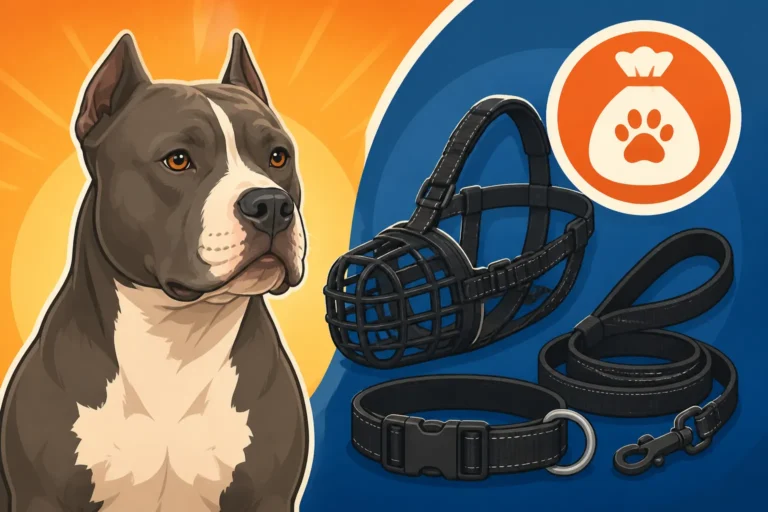
While the microchip is paramount, it’s best utilized as part of a multi-faceted approach to your Pit Bull's safety. Think of it as layers of protection. Your Pit Bull should always wear a sturdy collar with up-to-date identification tags, including your name, phone number, and perhaps "microchipped" printed on it. These provide the immediate, visible identification that might prevent your dog from ever needing a scanner. Many pet supply retailers, like Chewy, offer a wide range of durable collars and custom ID tags that can withstand the energy of a Pit Bull.
Beyond physical ID, consider investing in a GPS tracker. These attach to the collar and allow you to track your dog’s real-time location via a smartphone app. This is an excellent complementary tool, especially for active Pit Bulls who might have a strong prey drive and could bolt after a squirrel or deer, suddenly finding themselves miles from home. While a microchip is a passive identifier for when they are found, a GPS tracker is an active tool to help you find them. Proper leash training is also invaluable; a Pit Bull that understands "The Word That Stops a Pit Bull Mid-Stride" is less likely to become lost in the first place. You might also consider "Heartworm Cover Through a Pit Bull's Life" and other routine preventatives, ensuring your dog stays healthy and less prone to wandering due to discomfort or illness.
What to Do if Your Microchipped Pit Bull Goes Missing
Even with all precautions, accidents can happen. If your microchipped Pit Bull does go missing, immediate action is key.
- Notify Your Microchip Registry: The very first step is to call your microchip registry and report your dog as missing. They can flag her ID number in their system and often offer resources or advice.
- Contact Local Shelters and Vets: Systematically call every animal shelter, humane society, and veterinary clinic in your area, and expand your search radius to surrounding towns. Provide a clear description of your Pit Bull and her microchip number. Even if they don't have her, they can be aware.
- Create and Distribute "Lost Dog" Posters: Include a clear, recent photo, your contact information, and her microchip number. State that she is microchipped.
- Leverage Social Media: Post on local lost pet groups, neighborhood forums, and your own social media. Include the microchip number.
- Visit Shelters in Person: Don't just rely on phone calls. Go to local shelters in person regularly. Visual identification can sometimes be the only way to confirm it’s your dog, especially if she's been misidentified.
- Don't Give Up: The microchip significantly increases your odds, but persistence is vital. Stories of dogs reunited years later thanks to their microchip are common.
By proactively managing your Pit Bull’s microchip and combining it with other safety measures, you're giving your beloved companion the best possible chance of a safe and swift return home, overcoming many of the unique challenges that Pit Bulls disproportionately face. Ensuring they receive a balanced diet, perhaps from a brand like Ollie that provides transparent ingredient lists, also contributes to their overall health and well-being, keeping them happy and less prone to illness that might lead to wandering. And for unexpected health issues, having pet insurance from a provider like Healthy Paws could ensure that if your found Pit Bull needs medical attention, those costs are manageable, removing another potential barrier to reunification.
Disclaimer
This article is for general informational purposes only and does not constitute professional advice. Laws, prices and regulations vary by location and change over time. Consult a qualified professional for guidance on your specific situation.