Vaccination Bills for a Pit Bull Puppy
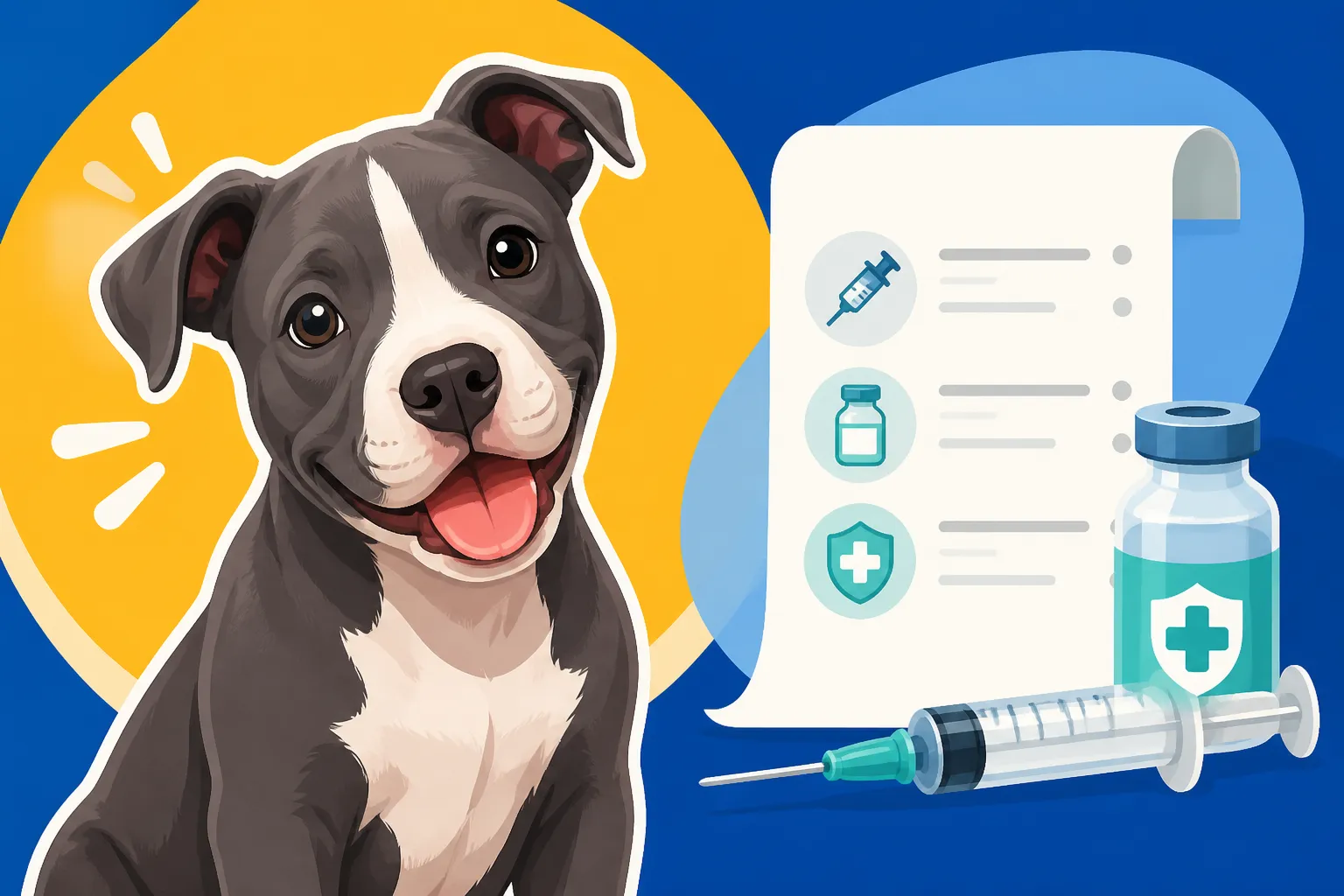
Bringing home a rambunctious Pit Bull puppy is an incredibly exciting time, but it often comes with a bit of sticker shock when you start looking at the initial vet bills. One of the biggest and most important early expenses you'll face is their vaccination series, which can feel like a revolving door of appointments and payments. It's completely normal to feel overwhelmed wondering what vaccinations your furry friend actually needs, when they need them, and how you're going to budget for it all. This guide is here to walk you through everything you need to know about your Pit Bull puppy's vaccination schedule and how to manage the associated costs, helping you ensure a healthy start without breaking the bank.
Understanding the Pit Bull Puppy Vaccination Schedule
The journey of welcoming a Pit Bull puppy into your home is filled with joy, but also significant responsibilities, and ensuring their health through proper vaccination is paramount. These early shots are not just routine; they are critical shields against some truly nasty diseases that can be devastating, especially for young, developing immune systems. It’s a series of visits, not just a one-and-done deal, because puppies receive antibodies from their mothers that can interfere with early vaccinations. This means a single shot often isn't enough to build lasting immunity until those maternal antibodies fade.
The general timeline for puppy vaccinations is typically a series of injections given every three to four weeks until the puppy is around 16 weeks old. This staggered approach ensures that once the maternal antibodies are gone, the puppy's own immune system can respond effectively to the vaccine. Missing a booster shot or delaying the schedule can leave your Pit Bull puppy vulnerable during a crucial developmental window. Think of it like building a fortress brick by brick; each shot adds another layer of protection. Your vet will outline the specific schedule, but generally, it involves a primary series followed by an annual or tri-annual booster for most core vaccines. This early protection is vital for all dogs, but for a breed like the Pit Bull, which often has an active, outdoor lifestyle, robust immunity is particularly important.
Core Vaccinations Your Pit Bull Puppy Needs
Core vaccines are those universally recommended for all puppies, regardless of their lifestyle or location, due to the severe and often fatal nature of the diseases they protect against. For your Pit Bull puppy, these are non-negotiable and form the bedrock of their early health. The most well-known core vaccine is the DHPP, often referred to as the "distemper shot," which is actually a combination vaccine protecting against Distemper, Adenovirus (Hepatitis), Parvovirus, and Parainfluenza. These are insidious diseases that can attack multiple systems in a puppy's body, from their respiratory and gastrointestinal tracts to their nervous system.
Parvovirus, in particular, is a virulent and highly contagious disease that can quickly lead to severe vomiting, diarrhea, and dehydration, often proving fatal in puppies. You might find yourself searching for information on topics like Pit Bull Puppy Vaccination and Parvovirus if you encounter stories of outbreaks in your community, which just underscores how vital this protection is. The initial series of DHPP shots usually starts around 6-8 weeks of age, with boosters every 3-4 weeks until 16 weeks, and then a booster at one year, followed by subsequent boosters every three years. Rabies is another mandatory core vaccine, legally required in most places. It's usually given as a single shot around 12-16 weeks of age, then boosted annually or every three years, depending on local regulations and the specific vaccine used. Failing to keep up with rabies vaccination can lead to serious legal ramifications and poses a public health risk.
Non-Core Vaccinations to Consider for Your Pit Bull
While core vaccines are essential, non-core vaccines are recommended based on your Pit Bull puppy's potential exposure risks, lifestyle, and geographical location. These are not "less important" but rather "situationally important." Discussing your puppy's anticipated activities with your veterinarian is key to making informed decisions. For example, if your Pit Bull puppy will be spending time at dog parks, boarding facilities, or daycare, or if they're generally very social with other dogs, the Bordetella vaccine (kennel cough) is highly advisable. It can significantly reduce the severity of upper respiratory infections, which while not usually fatal, can be quite unpleasant for both you and your pup.
Another common non-core vaccine is Leptospirosis, often recommended if your Pit Bull will have access to standing water, puddles, or areas frequented by wildlife, such as hiking trails or rural properties. Lepto is a bacterial infection that can cause kidney and liver damage and can also be transmitted to humans. The Lyme disease vaccine is another one to consider, especially if you live in or visit areas where ticks are prevalent. Ticks are not just annoying; they can transmit serious illnesses, and while preventing ticks is key with year-round parasite control for a Pit Bull, the vaccine adds an extra layer of defense against Lyme. Your vet might also discuss the Canine Influenza vaccine, depending on current regional outbreaks and your puppy's exposure risk. Deciding on these non-core vaccines is a conversation to have with your vet, weighing the risks versus the benefits for your specific Pit Bull puppy.
Breaking Down the Costs of Core and Non-Core Vaccines
When you look at the total bill for your Pit Bull puppy's initial vet visits, it's easy to feel a bit faint. The cost isn't just for the jab itself; it includes the veterinary exam, the administration fee, and sometimes a small disposal fee for medical waste. It's helpful to understand that these costs are investments in preventing much more expensive and emotionally draining treatments down the line. Treating a full-blown case of parvovirus, for instance, can involve days of hospitalization, IV fluids, and extensive medication, racking up bills that dwarf the cost of prevention. So, while you might be budgeting for The First Month Cost of a Pit Bull, remember that early preventative care is crucial.
The range of costs can vary quite a bit depending on your geographic location, the type of veterinary clinic (e.g., a bustling city practice versus a rural one), and any special deals or packages they might offer for puppy series. Some clinics bundle puppy vaccines and exams into a package, which can offer a slight discount compared to paying for each visit individually. It’s always worth asking your vet about these options. Don’t be shy about discussing the financial aspect of your puppy’s care with your veterinary team; they are often happy to explain the breakdown of costs and available payment methods.
Typical Price Range for Core Vaccine Series
For the core DHPP (Distemper, Hepatitis, Parvovirus, Parainfluenza) vaccine series, you're generally looking at several visits, each typically involving a physical exam fee plus the cost of the vaccine. An individual DHPP shot might have one price, but remember your puppy needs a series of these boosters. The total for the initial series of 3-4 shots, including the necessary vet exams at each visit, can add up. It’s a staggered expense over a few months, rather than a single lump sum, which can sometimes make it feel less daunting if you’re planning your budget.
The Rabies vaccine, usually given once at 12-16 weeks, is often a more straightforward cost. Many areas require annual or tri-annual boosters for rabies, and these follow-up shots are generally less expensive than the initial puppy series because they sometimes don't require as comprehensive an exam if the dog is otherwise healthy and recently checked. When considering What a Pit Bull Costs From Eight Weeks On, these early vaccination costs are a significant, but temporary, spike in your expenses. Don't forget, these costs usually include the vet's time for a thorough check-up at each visit, which is invaluable for catching any other potential health issues early on.
Costs for Non-Core Vaccine Choices
The non-core vaccines, such as Bordetella, Leptospirosis, and Lyme disease, will add to your overall puppy vaccination bill. Each of these typically has its own separate cost per dose, and like the core vaccines, some may require a booster series initially, followed by annual boosters. For instance, the Leptospirosis vaccine often needs two doses given a few weeks apart for the primary series, then annual boosters. If your Pit Bull puppy is going to be a frequent visitor to dog parks or boarding kennels, the Bordetella vaccine is often offered as an intranasal (nasal spray) or oral vaccine, which can sometimes have a slightly different cost than an injectable.
The decision to get these non-core vaccines means an additional investment, but it's an investment in peace of mind. For example, if you live in an area with high tick exposure, the cost of a Lyme vaccine is far less than the potential cost and complications of treating Lyme disease itself. Similarly, paying for the Bordetella vaccine is a small price to pay compared to dealing with a hacking cough and miserable puppy. As you look at the whole picture of your Pit Bull's health, including topics like Year-Round Parasite Cover for a Pit Bull, these non-core vaccines fit into a comprehensive preventive care plan designed for your specific pet.
| Vaccine Type | Typical Schedule (Puppy) | Number of Doses (Puppy Series) | Booster Frequency (Adult) |
|---|---|---|---|
| Core Vaccines | |||
| DHPP (Distemper, Parvo, etc.) | 6-8 weeks, then every 3-4 weeks | 3-4 doses | Every 1-3 years |
| Rabies | 12-16 weeks | 1 dose | Every 1-3 years (legal req) |
| Non-Core Vaccines | |||
| Bordetella (Kennel Cough) | As early as 8 weeks (single or booster) | 1-2 doses | Every 6-12 months |
| Leptospirosis | 12 weeks, then 2-4 weeks later | 2 doses | Annually |
| Lyme Disease | 12 weeks, then 2-4 weeks later | 2 doses | Annually |
| Canine Influenza | 8 weeks, then 2-4 weeks later | 2 doses | Annually |
Note: This table provides a general overview. Your veterinarian will recommend a specific schedule based on your puppy's age, health, and local risks.
Managing Vaccination Bills and Future Health Investments
The initial wave of vaccination costs for your Pit Bull puppy is just the beginning of a lifelong commitment to their health. It's a significant financial undertaking, but there are ways to manage it and plan for future veterinary expenses. Thinking ahead can prevent a lot of stress down the road, especially with a breed known for its active nature and sometimes proneness to certain health conditions. It's not just about paying the immediate bill; it's about establishing a foundation for consistent, high-quality care throughout their life.
Budgeting for Puppy Vet Visits
Creating a budget specifically for your Pit Bull puppy's care is one of the smartest things you can do. The first year is typically the most expensive due to vaccinations, deworming, spaying/neutering, and all the initial gear. You can often get a cost estimate for the entire puppy vaccination series from your vet's office when you schedule the first appointment. This allows you to set aside funds over those crucial first few months. Don't forget to factor in other preventative care items like Heartworm Cover Priced at Pit Bull Weight and flea and tick preventatives, which are ongoing monthly costs that protect against parasites, some of which can be life-threatening.
Many pet owners find it helpful to set up a dedicated savings account or even a separate envelope for pet-related expenses. This way, when a vet bill comes in, whether it's for a routine booster or an unexpected issue like Pit Bull Puppy Diarrhea in the First Week, the funds are already there. Remember that quality food, appropriate toys (which often need to be durable for a Pit Bull!), and training classes also contribute to a healthy and well-adjusted dog, all of which should be part of your comprehensive budget. Thinking of services like Chewy for regular food and chew toy deliveries can sometimes help you consolidate costs and ensure you never run out of essentials.
Exploring Pet Insurance and Wellness Plans
Pet insurance can be a game-changer for managing the unpredictable costs of pet ownership, especially for a Pit Bull. While most pet insurance policies won't cover pre-existing conditions (so it's best to enroll your puppy before any health issues arise), they can be invaluable for unexpected accidents, illnesses, or future chronic conditions like Pit Bull Skin Allergies and the Atopy Pattern. Some companies, like Healthy Paws, offer different deductible and reimbursement levels, allowing you to tailor a plan to your budget and risk tolerance. It's worth comparing various providers and plans, paying close attention to what's covered (and what isn't, like routine care versus emergency care) and any breed-specific exclusions, which, unfortunately, some insurers still have for Pit Bulls.
Beyond traditional insurance, many veterinary clinics also offer "wellness plans" or "preventative care packages." These are typically annual membership programs that cover routine services like exams, vaccinations, deworming, and sometimes even dental cleanings at a discounted monthly rate. These aren't insurance, but rather a way to spread out the cost of predictable preventative care. It's a great option for those who want to budget monthly for routine health maintenance. These plans can be particularly beneficial during the puppy stage, covering the cost of those initial vaccination series and regular check-ups that are so important for a growing Pit Bull.
Long-Term Health and Cost Considerations
Beyond the puppy stage, your Pit Bull will need ongoing preventative care, and understanding these long-term costs is part of responsible ownership. Regular annual vet check-ups are crucial, even if your dog seems perfectly healthy, as they allow your vet to catch potential issues early. These check-ups will also include booster vaccinations, typically every one to three years for core vaccines, and annually for non-core ones based on your lifestyle choices. Don't forget about Pit Bull Dental Cleaning Schedule as dental disease can lead to other serious health problems if left unchecked.
Diet plays a massive role in long-term health, too. Investing in high-quality food, like options from Ollie, can contribute to fewer health issues down the line, potentially saving you on vet bills related to poor nutrition or allergies. For a muscular breed like the Pit Bull, maintaining a healthy weight is vital to prevent strain on their joints as they age, something discussed in Pit Bull Obesity and Joint Strain. While the initial vaccination bills might feel steep, remember they are foundational to a lifetime of health. By planning, budgeting, and exploring options like pet insurance or wellness plans, you can provide your beloved Pit Bull puppy with the best possible start and a happy, healthy life.
Disclaimer
This article is for general informational purposes only and does not constitute professional advice. Laws, prices and regulations vary by location and change over time. Consult a qualified professional for guidance on your specific situation.