Whether a Bloodline Justifies a Pit Bull Price
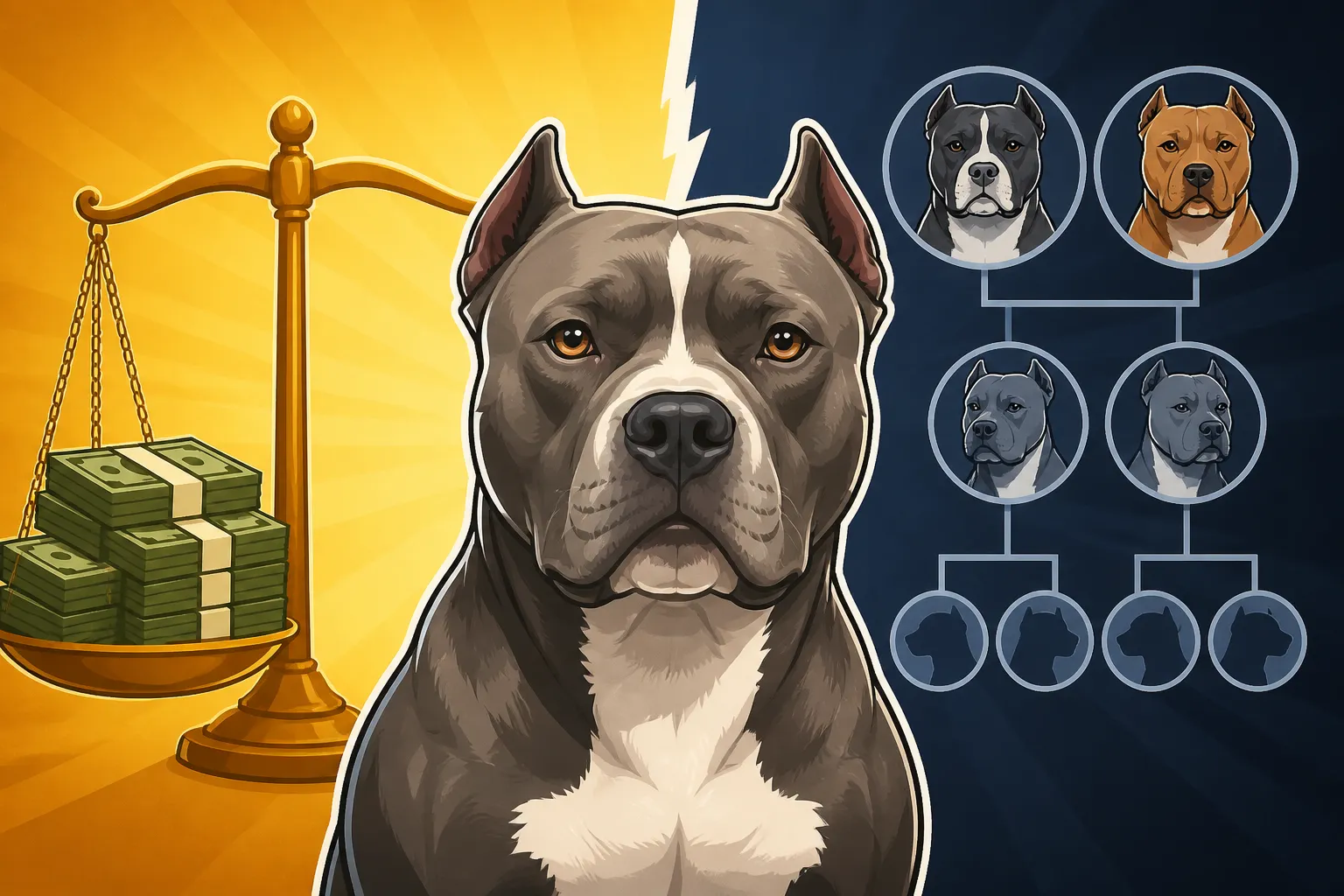
It's a common dilemma when you start looking for a Pit Bull: you see prices ranging from a few hundred dollars to several thousand, and often, those higher-priced pups come with claims of "elite bloodlines" or "champion lineage." It leaves many prospective owners wondering if these lofty claims truly justify the significant price tag or if it's just clever marketing designed to part you from more of your hard-earned cash. This guide will delve into what "bloodline" actually means in the world of Pit Bulls, what factors genuinely contribute to a higher, justifiable price, and how to spot claims that are more hype than substance.
Understanding Pit Bull "Bloodlines" and What They Mean
The term "bloodline" can be a bit of a tricky one in the Pit Bull world, mainly because "Pit Bull" itself isn't a single recognized breed by all major kennel clubs. When people talk about Pit Bull bloodlines, they're generally referring to American Pit Bull Terriers (APBTs), American Staffordshire Terriers (AmStaffs), or sometimes Staffordshire Bull Terriers, and increasingly, American Bullies. It's crucial to understand the distinction between a genuinely documented lineage and catchy marketing terms.
The Difference Between a True Lineage and Marketing Gimmicks
A true bloodline, or lineage, implies a history of documented ancestry, often tracing back many generations through a recognized registry like the United Kennel Club (UKC) for American Pit Bull Terriers, or the American Kennel Club (AKC) for American Staffordshire Terriers. Breeders who talk about bloodlines with substance are referring to specific lines known for consistent traits – be it conformation, working ability, temperament, or health. For instance, a breeder might specialize in "game-bred" lines known for their athleticism and drive, or "show lines" bred for specific physical characteristics that align with breed standards.
However, many breeders, particularly those less reputable, use terms like "Blue Nose Pit Bull" or "Red Nose Pit Bull" to market their puppies at premium prices. While these dogs certainly exist and are beautiful, "blue nose" and "red nose" refer only to coat and nose color, not a distinct breed or a superior bloodline. These colors are simply genetic variations, and a blue-nosed puppy from a backyard breeder with no health testing or proven lineage is often not worth more than any other color variation. The focus on color alone, without any discussion of temperament, health clearances, or working ability, is usually a red flag. For a deeper dive into one recognized standard, you might want to look into The American Pit Bull Terrier as the UKC Defines It.
What Reputable Breeders Aim for with Selective Breeding
A truly responsible breeder invests countless hours and significant resources into their breeding program, and this is where a "bloodline" can genuinely add value. Their goal isn't just to produce puppies but to improve the breed. This means they meticulously select breeding pairs based on several critical factors:
- Health: They prioritize health testing to screen for genetic conditions common in Pit Bull type dogs, such as hip and elbow dysplasia, cardiac issues, and certain neurological conditions like NCL-A. A puppy from parents who have passed these screenings has a statistically lower risk of developing these debilitating conditions. This investment in preventative health care for the parent dogs is a major cost for breeders but a huge benefit to you, the future owner.
- Temperament: A well-bred Pit Bull should have a stable, confident, and friendly temperament. Reputable breeders select for these traits, ensuring that their breeding dogs are not overly aggressive, fearful, or anxious. They raise puppies in an environment that encourages positive socialization.
- Conformation/Working Ability: For those breeding for show, they aim for dogs that meet the breed standard. For working lines, they might focus on drive, intelligence, and physical prowess for sports like agility, weight pull, or scent work.
- Longevity: Some lines are known for dogs that live long, healthy lives, avoiding common breed ailments. This is an outcome of consistent health screening and careful genetic selection over generations.
When a breeder talks about a "bloodline" in this context, they're talking about a commitment to consistent quality across these vital areas, not just a catchy name.
The Pitfalls of Unverified "Bloodline" Claims
Unfortunately, the appeal of a "special" or "rare" bloodline can be exploited by unscrupulous individuals. These "backyard breeders" or "puppy mill" operations often make grand claims about lineage without any verifiable proof. They might show you impressive-looking paperwork that's easily faked or irrelevant, or simply rely on dramatic stories.
Without proper documentation from a recognized kennel club and verifiable health clearances for the parent dogs, a bloodline claim is meaningless. You could be paying a premium for a puppy that comes with a host of genetic health issues, behavioral problems, or simply doesn't live up to the advertised physical traits. These breeders often focus on quick sales, offering little to no support after the puppy goes home, which can leave new owners feeling frustrated and unsupported if issues arise. If you see A Pit Bull Listing With No Health Testing, approach with extreme caution.
Factors That Truly Influence a Pit Bull's Price
When you're shelling out a significant amount of money for a Pit Bull puppy, you want to be sure that the price is justified by tangible value, not just fancy words. Reputable breeders charge more because they invest more, and that investment directly benefits the health and temperament of the puppy you bring home.
Health Testing and Its Impact on Cost
This is arguably the most crucial factor justifying a higher price. Serious hereditary health conditions like hip and elbow dysplasia, certain heart conditions, and hereditary eye diseases can be incredibly expensive to manage and heartbreaking to witness in your beloved pet. A responsible breeder actively works to reduce the incidence of these conditions in their lines.
They do this by performing comprehensive health screenings on both parent dogs before breeding. For example, a Pit Bull breeder should screen for Pit Bull Hip Dysplasia Showing at One to Two Years using certifications from organizations like the Orthopedic Foundation for Animals (OFA) or PennHIP. They should also perform cardiac evaluations, potentially thyroid testing, and DNA tests for conditions like NCL-A (Neuronal Ceroid Lipofuscinosis), especially in American Staffordshire Terriers, if it's relevant to their lines. These tests are not cheap; a full panel of health clearances for a breeding dog can easily run into hundreds or even thousands of dollars per dog. When you pay more for a puppy from health-tested parents, you're not just paying for a piece of paper; you're paying for peace of mind and significantly reducing your future veterinary bills and heartache. This is exactly What Testing a Pit Bull Breeder Should Have Done.
Temperament, Socialization, and Early Care Investments
The first few weeks of a puppy's life are critical for its development, shaping its temperament and behavior for years to come. A reputable breeder pours immense effort into ensuring their puppies get the best possible start. This includes:
- Optimal Nutrition for the Mother and Pups: High-quality food for the pregnant and nursing mother, and then for the weaning puppies, is essential for healthy growth and development.
- Veterinary Care: This includes initial vet checks, deworming, and age-appropriate vaccinations for the puppies. They ensure the puppies are healthy before they leave for their new homes.
- Early Socialization: Puppies are exposed to a variety of sights, sounds, textures, and people in a positive and controlled manner. They learn bite inhibition from their littermates and mother, and often begin basic crate or potty training. This early exposure is invaluable for helping puppies grow into well-adjusted adult dogs. A breeder who focuses on Socializing a Pit Bull Puppy Thoroughly is setting your puppy up for success.
- Clean and Stimulating Environment: Puppies are raised in a clean, safe, and stimulating environment that encourages exploration and learning. This is far removed from the cramped, unsanitary conditions often found in puppy mills.
These investments in early care and socialization are time-consuming and costly, but they lay the foundation for a confident, adaptable, and well-mannered dog. You're paying for a puppy that has been given every opportunity to thrive.
The Ongoing Costs of Responsible Breeding
Beyond the direct costs of health testing and puppy care, responsible breeding involves a myriad of other expenses that contribute to the overall price of a puppy.
- Stud Fees: If the breeder uses an outside stud dog, the stud fee can be substantial, often thousands of dollars, especially if the stud is a champion or comes from highly sought-after lines.
- Genetic Diversity: Reputable breeders make conscious choices to maintain genetic diversity within their lines, sometimes traveling long distances or even importing semen to find the right match, which adds to costs.
- Time and Expertise: The sheer amount of time a dedicated breeder invests is immense—researching pedigrees, caring for the mother during pregnancy and lactation, sleepless nights with newborn pups, managing potential complications, and screening prospective homes. This expertise and dedication are built over years of experience and education.
- Breeder Support: A good breeder provides lifelong support and mentorship to their puppy buyers. They are a resource for training advice, health questions, and are there to help if, for any reason, you can no longer care for your dog. This ongoing relationship is a huge, often underestimated, value proposition included in the price. They should be able to provide you with What a Pit Bull Health History Should Cover for your pup and its parents.
All these factors culminate in a price point that reflects the true cost and value of bringing a responsibly bred puppy into your life.
| Factor | Justifies Higher Price? | Explanation |
|---|---|---|
| Documented Health Clearances (OFA, PennHIP, DNA) | Yes | Reduces risk of expensive and painful genetic conditions, ensuring a healthier dog. |
| Proven Temperament/Socialization Efforts | Yes | Creates a stable, well-adjusted, and friendly puppy, reducing behavioral issues later. |
| Lineage for Specific Working/Show Traits | Yes | For specific goals (e.g., competition, service work), a line proven in those areas offers greater predictability. |
| Lifelong Breeder Support/Take-back Contract | Yes | Provides invaluable guidance and a safety net for the dog's entire life. |
| Rare Coat Color (e.g., "Blue Nose") | No | Color is purely cosmetic; it doesn't indicate health, temperament, or working ability. Often used by backyard breeders to inflate prices. |
| Undocumented "Champion" Claims | No | Without verifiable titles from recognized registries (UKC, AKC), these claims are meaningless and often fraudulent. |
| No Health Testing on Parents | No | Indicates a high risk of hereditary diseases, leading to potential heartbreak and massive vet bills later. This is a major red flag. |
| High Demand/Location | Partially | While demand can influence price, it should still be tied to responsible breeding practices, not just scarcity or trendiness. |
When a High Price for a Pit Bull Bloodline Might Be Justified
It’s easy to be cynical about high prices, but there are specific scenarios where paying a premium for a Pit Bull puppy with a verifiable bloodline is absolutely justified and can save you money and heartache in the long run.
Investing in a Working or Show Prospect
If your goal is to compete in dog sports like agility, obedience, weight pulling, or conformation showing, then investing in a puppy from a reputable bloodline known for success in those specific fields makes perfect sense. These breeders have carefully selected dogs not just for health and temperament, but also for the drive, structure, and intelligence required to excel in demanding disciplines. For example, a breeder whose dogs consistently title in UKC conformation events or excel in dock diving will command a higher price because their dogs have proven their genetic potential. You are essentially paying for a higher probability of success in your chosen endeavor, backed by generations of careful selection. This is a very different proposition than simply wanting a family pet.
The Value of Health Guarantees and Breeder Support
A significant part of the value in a higher-priced, responsibly bred Pit Bull comes from the breeder's commitment to the dog for its entire life. This includes:
- Health Guarantees: Reputable breeders often offer health guarantees, typically covering major genetic health issues for a certain period, sometimes even for the dog's entire life. This demonstrates their confidence in their breeding program and offers you a layer of financial protection.
- Lifelong Support: A good breeder doesn't disappear once you take the puppy home. They act as a mentor, offering advice on training, nutrition, and health throughout the dog's life. This invaluable support can be a lifesaver for new owners, especially when navigating the challenges of puppyhood or adolescence. If you ever have a question about Pit Bull Puppy Diarrhea in the First Week or The Pit Bull Teenage Months, a good breeder is your first call.
- Take-Back Clauses: Many responsible breeders include a clause in their contract stating that if you can no longer keep the dog at any point, it must be returned to them. This ensures their dogs never end up in shelters, a testament to their ethical commitment. This provision itself has a monetary value in preventing future rehoming fees or difficult decisions.
When a breeder offers these comprehensive support systems, you’re not just buying a dog; you’re buying into a community and a safety net, which absolutely justifies a higher initial cost.
Red Flags and Overpriced Puppies
On the flip side, there are clear signs that a high price is not justified and you're likely being taken advantage of. Be wary if:
- No Health Testing: The breeder makes vague claims about health but cannot provide verifiable OFA or PennHIP certifications, or DNA test results for the parent dogs. This is a major red flag, regardless of how impressive the "bloodline" name sounds.
- Focus on "Rare" Colors: If the breeder's primary selling point is a "rare" coat or nose color (like blue, merle, or red) and they inflate the price significantly based on this alone, walk away. These are cosmetic traits and do not indicate superior health or temperament. In fact, some "rare" patterns like merle are not recognized by the UKC or AKC for Pit Bull type dogs and can be linked to health issues like deafness and blindness if bred improperly.
- Poor Living Conditions: If the puppies or parent dogs appear unhealthy, unsocialized, or are living in unsanitary conditions, it’s a clear indication of a negligent breeder who is not investing properly in their animals, no matter what price they're asking.
- Lack of Questions for You: A reputable breeder will interview you thoroughly to ensure you're a good fit for one of their puppies. If they seem more interested in your money than your suitability as an owner, that’s a huge warning sign.
- Online Listings Taking Deposits and Vanishing: This is a scam that unfortunately preys on eager puppy buyers. Be extremely cautious of breeders who demand large deposits sight unseen or refuse video calls to see the puppies and their environment. This scam is common enough that you should be aware of Online Pit Bull Listings That Take Deposits and Vanish.
Beyond the Price Tag: The True Cost of Pit Bull Ownership
Even if you pay a premium for a well-bred Pit Bull, the purchase price is just the tip of the iceberg. The true cost of owning a Pit Bull unfolds over their entire lifespan, which can be Pit Bull Lifespan Across Twelve to Sixteen Years. Being realistic about these ongoing expenses is crucial for responsible ownership.
Ongoing Health and Wellness Expenses
Even the healthiest Pit Bull puppy from the best bloodline will require routine veterinary care throughout its life. This includes annual check-ups, vaccinations, parasite prevention (heartworm, flea, and tick medication), and dental care. Pit Bulls, like many breeds, are prone to certain health conditions that can add up financially.
- Allergies: Pit Bulls are notoriously susceptible to skin allergies, such as Pit Bull Skin Allergies and the Atopy Pattern, which can manifest as chronic itching, ear infections, and skin irritation. Managing allergies can involve special diets, medications like Apoquel or Cytopoint, medicated shampoos, and regular vet visits. These treatments can easily cost hundreds, if not thousands, of dollars per year.
- Joint Issues: While a good breeder screens for hip and elbow dysplasia, these conditions can still occur or develop due to environmental factors or injury. Managing Pit Bull Joint and Ligament Injuries or arthritis in older dogs can require pain medication, joint supplements, physical therapy, or even surgery, which can be very expensive.
- Dental Care: Pit Bulls love to chew, and while this is natural, it can lead to broken teeth that require expensive extractions. Even without breaks, regular professional dental cleanings are often necessary to prevent periodontal disease.
It's wise to budget for these potential health costs. Many owners opt for pet insurance, such as through providers like Healthy Paws, to help mitigate the financial impact of unexpected illnesses or injuries. Reviewing options like Pit Bull Pet Insurance and Breed Exclusions is a smart move before you even bring your puppy home.
Training, Socialization, and Behavioral Investment
Pit Bulls are intelligent, powerful dogs that thrive with consistent training and socialization. This isn't an optional extra; it's essential for their well-being and for ensuring they are good canine citizens, especially given public perceptions.
- Puppy Classes and Beyond: Enrolling in puppy kindergarten and then continuing with obedience classes is highly recommended. Professional trainers, especially those experienced with strong, active breeds, can be invaluable. This ongoing education can range from a few hundred dollars for basic classes to thousands for advanced training or behavioral consultations. You might find yourself needing to teach your Pit Bull excellent Training a Pit Bull to a Higher Standard Than Other Dogs given the scrutiny they sometimes face.
- High-Quality Gear: Pit Bulls need durable equipment. This includes strong leashes, secure harnesses (especially if you have a puller!), and sturdy, chew-proof crates. Quality gear that stands up to their strength and chewing habits can be more expensive than average.
- Enrichment: These dogs are smart and energetic and require mental and physical stimulation. This means investing in durable chew toys, puzzle feeders, and potentially engaging in dog sports or regular, structured exercise routines. Food puzzles and interactive toys can be found at retailers like Chewy.
Insurance, Housing, and Breed-Specific Costs
Owning a Pit Bull can sometimes come with unique financial hurdles due to breed discrimination and regulations.
- Homeowners/Renters Insurance: Many insurance companies have breed restrictions that either deny coverage or significantly increase premiums for Pit Bull owners. It’s crucial to research this thoroughly before you commit to ownership. Finding Homeowners Carriers That Refuse Pit Bulls can be a challenge.
- Rental Restrictions: Securing rental housing with a Pit Bull can be challenging, as many landlords or apartment complexes have breed bans. This can limit your housing options and sometimes involve higher pet deposits or monthly pet rent. For more information, read up on Finding a Rental That Takes a Pit Bull.
- Food and Supplies: A growing Pit Bull needs a good quality diet to support its muscle development and energy levels. Premium kibble, fresh food options like Ollie, or prescription diets for allergies can be significant ongoing expenses. The monthly cost of feeding a robust, active Pit Bull is often higher than for smaller or less active breeds.
So, while a higher initial purchase price might seem steep, remember it's just the down payment on a lifetime of care, love, and financial responsibility. The best investment you can make is in a healthy, well-tempered dog from a reputable breeder, coupled with a commitment to their ongoing needs.
Disclaimer
This article is for general informational purposes only and does not constitute professional advice. Laws, prices and regulations vary by location and change over time. Consult a qualified professional for guidance on your specific situation.