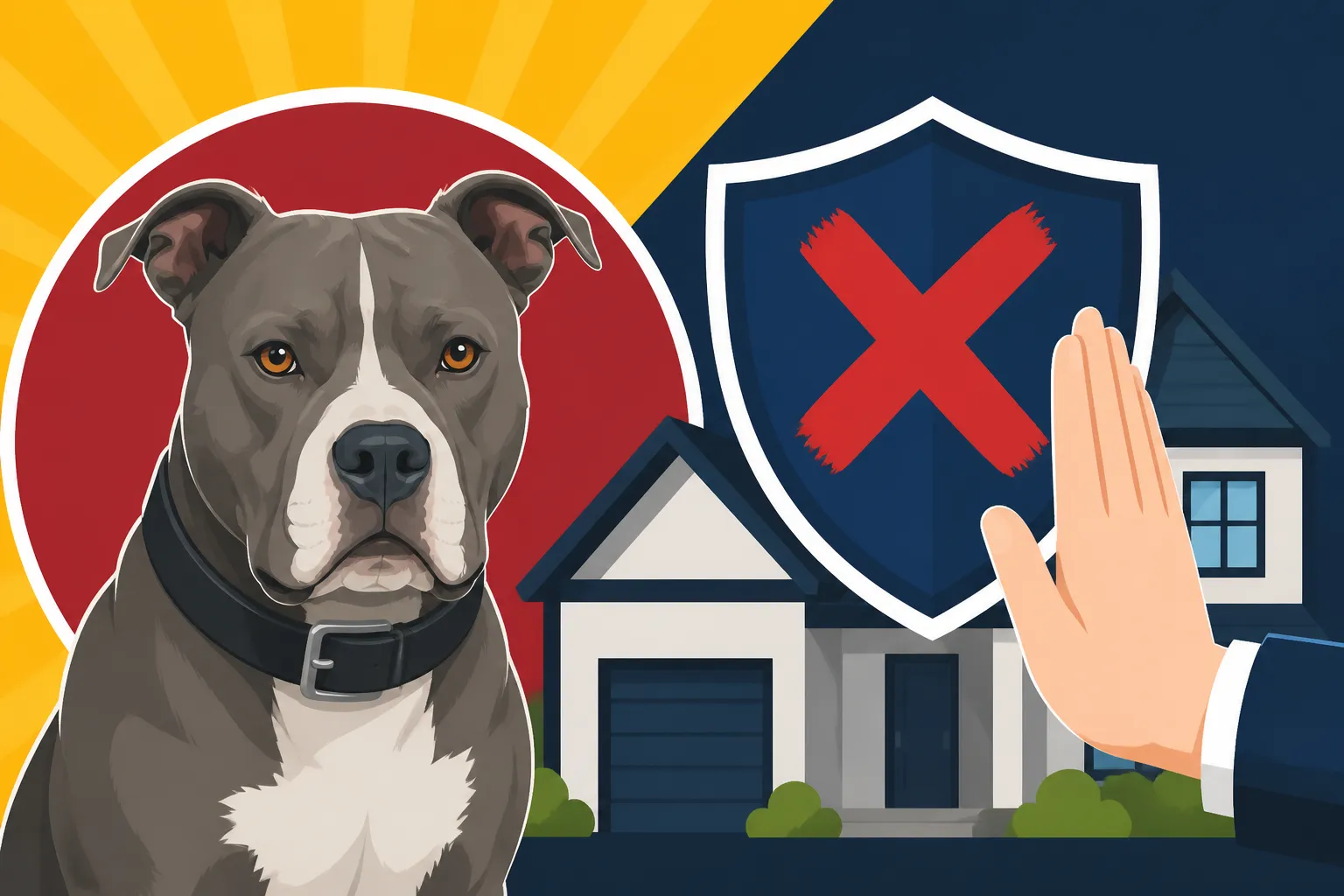
Homeowners Carriers That Refuse Pit Bulls
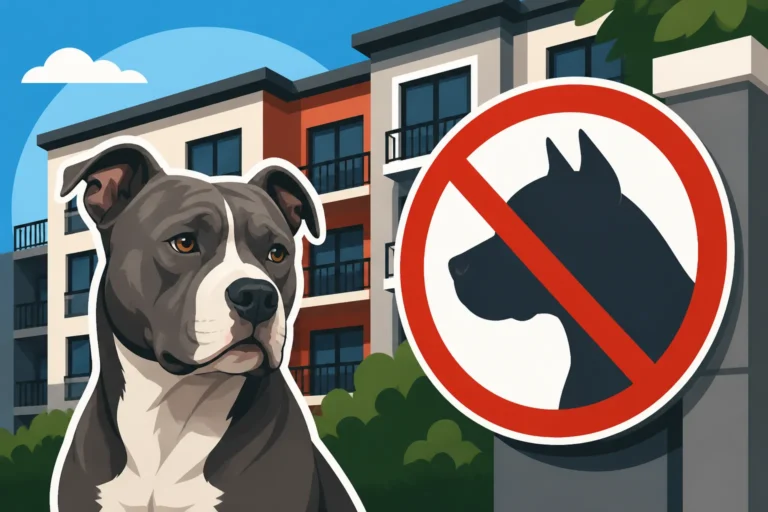
Finding homeowners insurance when you share your life with a Pit Bull can feel like an uphill battle, laden with frustration and confusion. Many loving Pit Bull owners face the disheartening experience of being denied coverage or quoted exorbitant rates simply because of their dog's breed. This guide is here to shed light on which homeowners carriers commonly refuse Pit Bulls and, more importantly, to equip you with strategies to navigate this challenging landscape and secure the coverage you and your beloved companion deserve.
Understanding the "Dangerous Dog" Breed Lists
It's a harsh reality for many Pit Bull owners that insurance companies often operate with breed-specific policies. These policies categorize certain breeds, including Pit Bulls, Rottweilers, German Shepherds, and others, as "dangerous" or "high-risk," leading to outright denial of coverage, increased premiums, or specific exclusions within a policy. This classification isn't based on individual temperament or training, but rather on generalizations and, unfortunately, often outdated statistics or media perceptions.
Why Certain Breeds Get Singled Out
The primary reason insurance carriers single out certain breeds is due to a perceived higher risk of liability claims, particularly related to dog bites or other incidents. They look at actuarial data, and while that data can be deeply flawed in how it identifies "Pit Bulls" (often based on visual identification rather than DNA), it informs their risk assessment models. For an insurer, it’s a numbers game: they want to minimize potential payouts. Therefore, breeds that are frequently associated with incidents, even if those associations are problematic, end up on these "blacklists." This is profoundly unfair to the countless well-behaved, well-trained Pit Bulls and their responsible owners, but it's the financial calculus these companies employ. The onus then falls on us, the owners, to either find insurers who don't follow this approach or to jump through extra hoops to prove our dogs are not the risks they are assumed to be.
The Lack of Consistency Across Insurers
One of the most frustrating aspects for Pit Bull owners seeking homeowners insurance is the sheer inconsistency between different carriers. You might get a flat-out "no" from one major provider, only to find another offering coverage, albeit sometimes with caveats. This patchwork approach means there's no single rulebook. Some companies have strict, non-negotiable breed lists, while others might take a more nuanced approach, considering factors like your dog's individual history, training, or even whether you've sought professional guidance. This variation can make the search feel like a wild goose chase, requiring persistence and a deep dive into each company's specific underwriting guidelines. It highlights the importance of not giving up after the first or second denial, as policies truly differ.
Common Insurance Carriers and Their Pit Bull Policies
Navigating the world of homeowners insurance with a Pit Bull requires knowing which companies might be a dead end and which are worth exploring. It's not always straightforward, as policies can change, and even within the same company, regional differences might exist. However, there are general trends to be aware of.
Insurers with Blanket Breed Restrictions
Many of the largest national insurance providers have, at various times, maintained lists of restricted breeds. While these lists can fluctuate, companies like State Farm, Allstate, Farmers, and Nationwide have historically been known to either deny policies outright to homes with Pit Bulls or impose specific exclusions for dog-related liability. For example, some might issue a policy but explicitly state that any claims arising from a Pit Bull bite or incident will not be covered, essentially making your homeowners liability coverage null and void in that specific area. This blanket restriction is often the most disheartening experience for owners, as it removes any opportunity to prove their dog's good nature. It's not about your dog; it's about the breed label. This often leads owners to wonder if they can get homeowners cover after a Pit Bull denial.
Carriers That Evaluate Case-by-Case
Some insurers adopt a slightly more flexible approach, opting for a case-by-case evaluation rather than an automatic denial. Companies in this category might include Liberty Mutual, Travelers, or even some smaller, regional providers. When evaluating on a case-by-case basis, an insurer might ask for specific details about your dog. They could inquire about your Pit Bull's bite history (if any), training certifications like the Canine Good Citizen (CGC) title, or even vet records. They might also require an in-person visit to assess the dog. While this offers a ray of hope, it still means extra effort on your part, and there's no guarantee of acceptance. The goal here is to demonstrate that your specific dog is well-managed and poses a lower risk than the general breed stereotype suggests. Demonstrating a proactive approach to your dog's well-being and training can really make a difference. For example, documenting how you work with your Pit Bull on their leash manners and physical strength can be beneficial.
Companies Known for Being More Pit Bull-Friendly
The good news is that not all insurance companies discriminate against specific breeds. A growing number of insurers, often smaller or newer players in the market, are adopting more inclusive policies that focus on an individual dog's behavior rather than its breed. Companies like Amica Mutual, Chubb, and sometimes USAA (for military families) are frequently cited by Pit Bull owners as being more accommodating. Additionally, many smaller, local, or regional insurance companies are more willing to work with owners, as they have a deeper understanding of their community and individual circumstances.
These companies often operate under the principle that "deed, not breed" should determine insurability. They typically don't maintain a restricted breed list and instead focus on factors like whether your dog has a history of aggression or bites, your prior claims history, and your overall responsibility as a pet owner. This can be a huge relief, but finding them often requires working with an independent insurance agent who specializes in finding coverage for "hard-to-place" risks. Remember, even with these companies, it's crucial to be transparent and provide all relevant information about your dog. This might include showing an insurer a Pit Bull's training record.
The Impact of a Pit Bull on Your Homeowners Policy
Beyond outright refusal, simply owning a Pit Bull can significantly alter the terms and costs of your homeowners insurance. It's not just about getting coverage; it's about understanding what that coverage actually entails and the financial implications.
Higher Premiums and Deductibles
Even if an insurance company agrees to cover your home with a Pit Bull, prepare for the likelihood of higher premiums. Insurers view the presence of a "restricted breed" as an elevated risk, and they offset this perceived risk by charging you more for your policy. This increase can sometimes be substantial, adding hundreds of dollars to your annual insurance bill. Additionally, you might find that your liability deductible for dog-related incidents is higher than other aspects of your policy. For example, while your general homeowners deductible might be $1,000, your dog liability deductible could be $2,500 or more. This means that if your Pit Bull is involved in an incident, you'll be on the hook for a larger portion of the costs before your insurance kicks in. Understanding what a Pit Bull adds to a homeowners premium is crucial for budgeting.
Breed-Specific Exclusions and Policy Cancellations
One of the trickiest aspects of homeowners insurance with a Pit Bull is the potential for breed-specific exclusions. An insurer might issue you a policy, but include a clause that explicitly states "dog bite liability is excluded." This effectively means that if your Pit Bull ever bites someone or causes property damage, your homeowners insurance will not cover the legal fees, medical bills, or settlement costs. You would be personally responsible for all expenses, which could easily run into tens or even hundreds of thousands of dollars. Always read your policy documents meticulously to check for such exclusions.
Another risk is policy cancellation. If an insurer discovers you have a Pit Bull after your policy has been issued (perhaps through a renewal questionnaire, a vet visit mentioned in a claim, or even a casual conversation), they could decide to cancel your policy. This leaves you scrambling to find new coverage, often on a tight timeline, and a cancellation on your record can make it even harder to secure a new policy with another carrier. It underscores the importance of upfront honesty and finding an insurer who is fully aware and comfortable with your dog's breed from the start. This can lead to serious questions about what a bite claim does to a Pit Bull policy.
Strategies for Securing Homeowners Insurance with a Pit Bull
Don't despair! While challenging, it is absolutely possible to secure homeowners insurance when you own a Pit Bull. It requires proactivity, documentation, and sometimes a bit of creative thinking.
Gathering Documentation and Training Records
Preparation is key when approaching insurers. The more evidence you can provide that your Pit Bull is a well-behaved, stable member of your family, the better your chances. Start by compiling a comprehensive file for your dog:
- Veterinary Records: Proof of regular check-ups, vaccinations, and spay/neuter status demonstrates responsible ownership.
- Training Certificates: Any certifications from obedience classes, especially the Canine Good Citizen (CGC) title, are invaluable. This nationally recognized certification proves your dog has good manners and can respond to commands. Many insurers view a CGC as a strong indicator of a well-controlled dog. You can even pursue therapy dog certification, as the rigorous training and evaluation process speaks volumes about your dog's temperament.
- Breed Identification (or Lack Thereof): If your dog is a rescue or mixed breed, and their DNA test doesn't show a predominant Pit Bull lineage, that information can be helpful. However, be mindful that many insurers rely on visual identification. If your dog looks like a Pit Bull, a DNA test might not always sway them, but it’s still worth having on hand. You might also want to look into whether a DNA test gets a Pit Bull insured.
- Letters of Recommendation: A letter from a vet, professional trainer, or even neighbors attesting to your dog's good temperament can carry weight.
- Photos: While not always requested, clear photos showing your Pit Bull interacting calmly with family members, other pets, or children can be persuasive.
This extensive documentation helps you move the conversation from "Pit Bull equals risk" to "this specific dog is well-trained and loved, and here's the proof."
Considering an Umbrella Policy or Animal Liability Coverage
If you find that standard homeowners insurance either denies coverage or includes an exclusion for dog liability, don't give up on protecting your assets. An umbrella policy can offer an additional layer of liability coverage above and beyond what your homeowners policy provides. While it typically doesn't replace the primary liability on your homeowners policy, it can kick in if a claim exceeds your homeowners limits, potentially covering dog-related incidents that an underlying policy might exclude (though this varies greatly by insurer and specific policy terms, so careful review is essential). Understanding umbrella cover in a Pit Bull household is a smart move for comprehensive protection.
Alternatively, some companies offer standalone animal liability insurance. This specialized policy is designed specifically to cover incidents involving your dog, such as bites or property damage. It can be a lifesaver if you cannot get dog liability included in your regular homeowners policy. While it's an additional cost, the peace of mind knowing you're protected against potentially devastating financial claims is invaluable. Many responsible pet owners also consider pet health insurance, such as through Healthy Paws, to cover veterinary emergencies, which, while separate from liability, speaks to overall responsible pet ownership.
Working with Independent Insurance Agents
One of the most effective strategies for Pit Bull owners is to engage with an independent insurance agent. Unlike captive agents who work for a single company (like a State Farm or Allstate agent), independent agents work with multiple insurance carriers. This means they have a broader understanding of the market and often know which companies are more lenient or explicitly "breed-neutral" regarding dog ownership.
An independent agent can act as your advocate, presenting your situation (and your dog's impeccable records!) to various carriers on your behalf. They can save you hours of phone calls and research, leveraging their expertise to find a suitable policy. They often have insights into local and regional companies that might not have the same stringent breed restrictions as national giants. Explain your situation clearly, provide all your documentation, and let them do the legwork. Their commission comes from the insurer, not from you directly, so there’s no extra charge for their service.
The Evolving Landscape of Breed-Specific Legislation and Insurance
The world is slowly, but surely, changing when it comes to Pit Bulls. Public perception is shifting, and with it, the legislative and insurance environments are beginning to adapt. While progress is slow, it offers hope for current and future Pit Bull owners.
States Protecting Pit Bull Owners
A growing number of states are enacting legislation that prohibits insurance companies from denying or canceling homeowners policies based solely on the breed of dog. These "anti-discrimination" laws are a huge win for Pit Bull owners. States like Michigan, Pennsylvania, Nevada, and New York have already passed such laws, aiming to prevent arbitrary discrimination and encourage insurers to focus on individual dog behavior rather than breed stereotypes. This means that in these states, insurers cannot refuse to cover you or increase your premium simply because you own a Pit Bull, if the dog has no history of aggressive behavior. This is a significant step forward and highlights the importance of checking your local state laws, as states that bar insurers from refusing a Pit Bull are becoming more common.
The Influence of Local Ordinances
Even with state-level protections, local ordinances can still influence your insurance situation. Some cities or counties maintain breed-specific legislation (BSL), which might include requirements for Pit Bulls such as mandatory muzzling in public, special licensing, or specific enclosure rules. While these don't directly dictate insurance policies, an insurer might view ownership in a BSL area as a higher risk, regardless of state law. Conversely, if your locality has repealed BSL, or has strong animal welfare programs that emphasize responsible ownership and training, it could potentially work in your favor when negotiating with an insurer. It’s a complex web where both state and local laws can play a role, making it essential to understand the specific rules of your community.
Table: General Stance of Select Major Carriers on Breed Restrictions (Illustrative)
Please remember that insurance policies are dynamic and can vary by state, specific underwriting rules, and your individual history. This table is for illustrative purposes only and should not replace direct inquiry with insurance providers or agents.
| Insurance Carrier | Typical Stance on Breed Restrictions | Notes |
|---|---|---|
| State Farm | Generally no breed restrictions | Focuses on individual dog bite history; widely considered more lenient. |
| USAA | Generally no breed restrictions | For military members and their families; focus on individual history. |
| Amica Mutual | Generally no breed restrictions | Known for a more "deed, not breed" approach. |
| Chubb | Generally no breed restrictions | High-net-worth insurer, typically focuses on individual risk. |
| Liberty Mutual | Case-by-case evaluation | May ask about bite history, training, or require an exclusion. |
| Travelers | Case-by-case evaluation | Policies can vary; may offer coverage with breed exclusions. |
| Progressive | Varies, often with restrictions | May deny or exclude certain breeds based on state. |
| Allstate | Historically restrictive | Often has a list of restricted breeds or may apply exclusions. |
| Farmers | Historically restrictive | May deny or include breed exclusions. |
| Nationwide | Historically restrictive | Often maintains a restricted breed list. |
This table provides a snapshot, but the best approach is always to speak directly with an agent. Even if a major carrier generally has restrictions, an individual agent might be able to find a way to work with you, especially if you have a well-trained dog and a clean claims history. Don't be afraid to ask specific questions about their policies regarding dogs.
Disclaimer
The information provided in this article is for general informational purposes only and does not constitute professional insurance advice. Insurance policies and laws regarding breed restrictions are subject to change and vary significantly by state, insurer, and individual circumstances. Always consult with a qualified insurance professional to discuss your specific needs and obtain accurate quotes and policy details. We are not liable for any decisions made based on the information presented herein.