Walking a Pit Bull as a Smaller Handler
Walking a powerful Pit Bull when you're a smaller handler can feel like a daunting task, can't it? Many people worry about being dragged down the street, especially if their dog gets excited by a squirrel or another dog. This guide is all about empowering smaller handlers with the right tools, techniques, and confidence to enjoy calm, controlled walks with their strong Pit Bull.
Understanding the Unique Challenges for Smaller Handlers
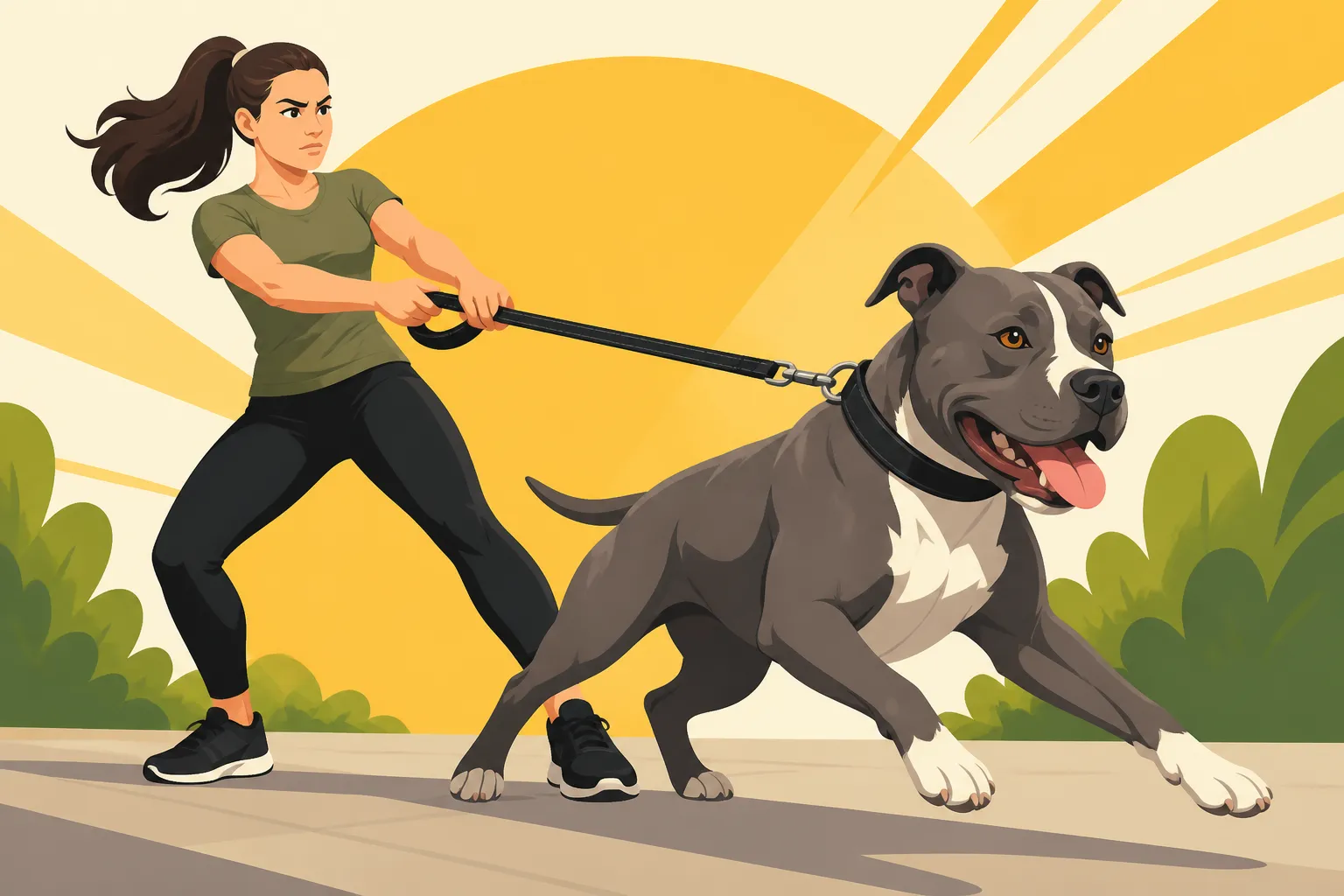
Let's be real: Pit Bulls are incredible athletes. They're often compact, muscular, and possess a surprising amount of strength for their size. If you're a smaller handler, perhaps weighing less than your dog or having less physical leverage, this strength differential can create genuine concerns. It's not just about a dog being rambunctious; it's about the potential for losing control, which can be stressful, embarrassing, and even dangerous for both you and your dog.
The Strength and Drive of a Pit Bull
Pit Bulls, whether we're talking about American Pit Bull Terriers, American Staffordshire Terriers, or Staffordshire Bull Terriers, were bred for tenacity and strength. Their physical build, with that broad chest and powerful hindquarters, means they can generate a lot of pulling power. Even a well-trained Pit Bull can have a momentary lapse in focus, and that burst of energy can catch a smaller handler off guard. It's not about malice; it's about instinct and physics. A fifty-pound Pit Bull can feel like a hundred pounds on the end of a leash if they decide to chase something. Understanding this innate drive is the first step toward managing it effectively on walks.
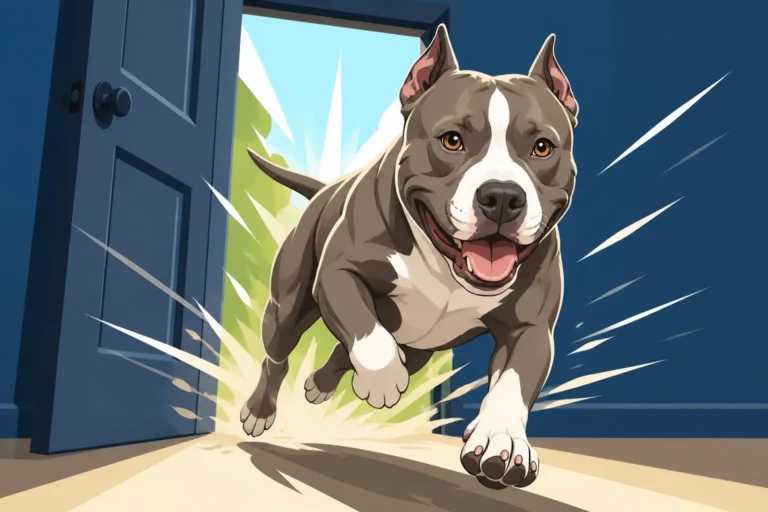
Beyond just physical strength, Pit Bulls often have a high prey drive and can be incredibly focused when something catches their attention. This means they might ignore commands in the heat of the moment, making it even harder for a smaller person to maintain control. It's not a flaw in their character, but a trait that needs consistent management. Imagine walking through a park and a rabbit darts across your path – that sudden lunge can be enough to pull the leash right out of your hand if you're not prepared with the right equipment and training.
Public Perception and Added Pressure
The truth is, Pit Bulls, unfortunately, often come with a stigma. As a handler, especially a smaller one, you might feel an added layer of pressure to keep your dog perfectly controlled in public. People might judge your dog, or even you, more harshly if there's any perceived lack of control. This isn't fair, but it's a reality many Pit Bull owners face. This heightened scrutiny means that even minor incidents, like your dog pulling excitedly to greet a friendly stranger or another dog, can be misinterpreted as aggression or a lack of proper handling.
This societal pressure can chip away at a handler's confidence. You might start avoiding certain walking routes, or even going out during busy times, just to avoid potential confrontations or judgmental stares. It creates a cycle where both you and your dog miss out on valuable socialization and exercise. Our goal is to break that cycle by giving you the tools to walk with confidence, knowing you have effective control, regardless of your physical size. Your dog deserves to explore the world calmly, and you deserve to enjoy those explorations without anxiety.
Essential Equipment for Better Leash Control
When you're dealing with a powerful dog, the right equipment isn't just a convenience; it's a necessity. For smaller handlers, especially, these tools provide the mechanical advantage needed to manage your Pit Bull's strength safely and comfortably, turning a potentially frustrating walk into an enjoyable bonding experience.
Harnesses Designed for Control
Forget the standard collar and leash for a Pit Bull that pulls. A flat collar can put undue pressure on your dog's neck and trachea, potentially causing injury, and offers very little leverage for a smaller handler. Front-clip harnesses are often a game-changer. These harnesses feature a leash attachment point on the dog's chest, rather than their back. When your dog pulls, the leash redirects them sideways, effectively steering them back towards you and making it much harder for them to pull forward with all their might. Brands you can find on Amazon often have a good selection of front-clip harnesses known for their durability.
Look for harnesses that are well-padded and distribute pressure evenly across your dog's chest and shoulders, without restricting their natural gait. Adjustable straps are key for a snug fit, preventing chafing and ensuring the harness can't be wiggled out of. Some harnesses even have a second clip on the back, allowing you to switch between front-clip control and back-clip comfort once your dog's leash manners improve. This versatility makes them a smart investment. You might find that pairing a front-clip harness with a double-ended leash, where one clip attaches to the front and the other to the back, offers even more nuanced control, allowing you to "steer" your dog more effectively.
Head Halters and Their Benefits
Head halters, sometimes called head collars, are another excellent option for smaller handlers seeking maximum control. They work much like a halter on a horse, giving you control over the dog's head, and where the head goes, the body often follows. If your Pit Bull tries to lunge, a gentle redirection on the head halter turns their head, interrupting their forward momentum without requiring a lot of physical strength from you. This can be particularly helpful for dogs with a strong prey drive or those who are very reactive on leash.
It's important to introduce a head halter slowly and positively, as some dogs initially resist them. Pair it with high-value treats and short, positive training sessions, gradually increasing the wear time. A proper fit is crucial to prevent discomfort or rubbing. While they might look a bit like muzzles, they are definitely not. They allow your dog to pant, drink, and take treats freely. Many smaller handlers find that a head halter gives them the confidence to walk their powerful Pit Bull in busy environments, knowing they can prevent lunges or unwanted greetings with minimal effort. This can significantly reduce the physical strain and anxiety of walks. For more details on equipment, check out Harnesses and Head Halters for a Pit Bull.
Leash and Collar Combinations
Even with a great harness or head halter, the leash itself matters. For powerful dogs, choose a strong, durable leash made from thick nylon or leather, with sturdy hardware. A four-to-six-foot leash is generally ideal, offering enough slack for your dog to explore a bit without allowing them to get too far ahead. Avoid retractable leashes entirely, as they offer no real control, can cause sudden jerks, and have led to many injuries for both dogs and handlers.
Consider using a secure, well-fitting flat collar in addition to your harness or head halter. This "backup" collar, attached to the same leash or a second, shorter leash, provides an extra layer of safety in case your primary equipment fails or your dog somehow slips out of their harness. Always attach your ID tags to this flat collar. The goal is safety and redundancy, especially when managing a strong dog. Some handlers even prefer a slightly thicker lead for better grip, especially if their hands are smaller. The combination ensures that if one piece of equipment fails, you have an immediate backup to prevent your dog from running off.
Effective Training Techniques for Smaller Handlers
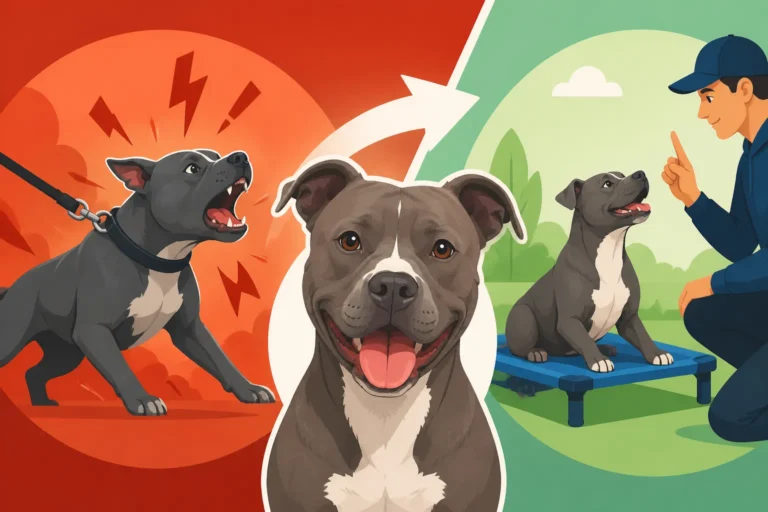
While equipment provides the mechanical advantage, consistent training builds the foundation for reliable leash manners. For smaller handlers, focusing on positive reinforcement and teaching specific behaviors that counteract pulling and lunging is paramount. It’s about building a partnership and teaching your Pit Bull to choose to walk nicely, rather than physically forcing them.
Positive Reinforcement for Loose Leash Walking
The cornerstone of successful leash training is positive reinforcement. Instead of punishing pulling, reward your Pit Bull for not pulling. Carry high-value treats – small, soft, and irresistible morsels like boiled chicken or cheese. Whenever your Pit Bull walks with a loose leash, even for a step or two, mark that moment with a verbal cue like "Yes!" or a clicker, and immediately deliver a treat. The goal is to make loose leash walking the most rewarding behavior on a walk.
Start in a low-distraction environment, like your backyard, and gradually introduce more stimulating areas as your dog improves. If your dog starts to pull, stop walking immediately. Don't move forward until the leash slackens, even if it's just for a second. The moment it slackens, praise and treat, then resume walking. Your dog will quickly learn that pulling gets them nowhere, but a loose leash gets them forward motion and delicious rewards. This technique, called "be a tree," is incredibly effective because it uses what your dog wants (to move forward) as the reward for good behavior. Consistency is key, so make every walk a training opportunity. You'll be amazed at how quickly your Pit Bull connects loose leash walking with positive outcomes. Positive Reinforcement Training With a Pit Bull offers more in-depth methods.
Building Impulse Control
Many pulling behaviors stem from a lack of impulse control. A Pit Bull sees something exciting – another dog, a person, a scent trail – and their impulse is to rush towards it. Teaching impulse control exercises will help your dog learn to think before reacting. "Look at That" (LAT) is a great exercise for this. When your dog notices a distraction, before they react fully, say "Yes!" and give them a treat. You're rewarding them for noticing the distraction and then looking back at you for a reward, rather than fixating on the distraction. This changes their emotional response over time from excitement/frustration to anticipation of a treat from you.
Another vital impulse control exercise is "wait" or "stay" at doorways and before crossing streets. Teach your Pit Bull to sit and wait patiently until you give a release cue. This prevents them from bursting out the door or into traffic. Practicing "leave it" with tempting items on the ground also builds critical impulse control, helping them ignore dropped food or interesting smells. These foundational behaviors, taught initially in quiet environments, are crucial for maintaining control in a busy world. A strong "come" or recall is also essential, especially if you ever need to disengage your dog from a highly stimulating situation. Consider online courses from platforms like BAXTER & Bella, which often provide structured programs for building these fundamental skills at home.
Practicing Engagement and Focus
Even with the best equipment and techniques, if your Pit Bull isn't engaged with you, they'll be harder to control. Make yourself more interesting than the environment. Use enthusiastic praise, varied treats, and even short bursts of play during walks to keep their attention on you. Randomly change direction or speed during your walk; if your dog is paying attention to you, they'll adjust with you. If they're pulling, they'll be caught off guard and have to re-engage.
Carry a variety of high-value treats and surprise your dog with them, especially when they offer eye contact or walk calmly beside you. Periodically stop, ask for a "sit" or "down," and reward them heavily. This reinforces that good things happen when they focus on you. Building this engagement strengthens your bond and makes your Pit Bull want to work with you, not against you, even when exciting things are happening around them. A highly engaged dog is a dog that is much easier to manage on a leash, regardless of your size. You'll find more tips on keeping focus in High-Value Treats That Hold a Pit Bull's Focus.
Building Confidence for Both Handler and Dog
A confident handler makes for a more confident dog. When you feel equipped and capable, your dog picks up on that energy. Building confidence involves not just physical preparation but also mental readiness, understanding your dog's cues, and managing public interactions.
Mastering Your Handling Techniques
Practice makes perfect. The more you walk your Pit Bull, the more comfortable and adept you'll become with your equipment and techniques. Get into the habit of holding the leash securely, perhaps using a figure-eight wrap around your hand for added grip, or investing in a leash with a comfortable, padded handle. Always be aware of your surroundings, anticipating potential distractions before your dog even spots them. If you see another dog or person approaching, calmly ask your Pit Bull for a "sit" or "watch me," and reward heavily for compliance. This proactive approach prevents reactive lunges before they start.
Work on your "stop and go" skills. Practice halting suddenly and restarting, encouraging your dog to stay with you rather than forging ahead. Learn to use your body language – a slight shift in your weight or a turn of your hips can cue your dog to change direction or slow down, minimizing the need for strong leash corrections. The more fluid and confident your movements are, the more your Pit Bull will trust and respond to your lead. Remember, you're not trying to overpower your dog; you're leveraging mechanics and good communication. The Manners a Pit Bull Needs in Public explores these vital skills further.
Socialization and Exposure for Pit Bulls
While you're working on leash manners, it's vital to continue appropriate socialization and exposure for your Pit Bull. This doesn't necessarily mean dog parks, especially if your dog is dog-selective, but rather controlled exposures to various sights, sounds, people, and environments. A well-socialized Pit Bull is less likely to be overwhelmed or reactive in new situations, which in turn makes them easier to handle.
Take short, positive trips to places like quiet pet supply stores (where you can control interactions), nature trails, or even just sitting on a park bench observing the world from a distance. The key is to keep these experiences positive and under threshold – meaning your dog isn't so overstimulated that they can't learn or respond to you. Reward calm behavior in these environments. If your dog is struggling with other dogs, consider practicing parallel walks with a calm, known dog from a safe distance, gradually decreasing the space as your dog's confidence grows. For specific guidance on managing interactions, read Walking a Pit Bull Past Reactive Dogs.
Managing Public Interactions and Perceptions
Part of being a responsible Pit Bull owner, particularly for a smaller handler, is managing public interactions effectively. This means being your dog's advocate. If someone approaches too quickly, or tries to pet your dog without asking, don't hesitate to politely intervene. A simple "Please give us a little space, we're working on training" or "He's not greeting right now" can go a long way. You don't owe strangers an explanation for why your dog might not be available for pets.
Consider investing in a brightly colored vest or bandana for your Pit Bull that clearly states "In Training" or "Do Not Pet." While not foolproof, this can often deter well-meaning but oblivious strangers and reduce unexpected interactions that can throw off your dog's focus or trigger a lunge. By proactively managing these situations, you reduce stress for both you and your dog, allowing you to focus on your walk and maintain control. Your confidence in handling these external factors will radiate to your Pit Bull, making them more relaxed and responsive.
Equipment Comparison for Smaller Handlers
To help you make informed decisions, here's a quick comparison of common walking equipment, highlighting considerations for smaller handlers.
| Equipment Type | Pros for Smaller Handlers | Cons for Smaller Handlers | Best Use Case |
|---|---|---|---|
| Flat Collar | Easy to put on, good for ID tags, widely available. | Offers minimal control, can cause choking if dog pulls hard. | As a backup with a harness/head halter, or for already leash-trained dogs. |
| Front-Clip Harness | Redirects pulling force, less physical strain on handler. | Can twist if not fitted properly, some dogs dislike the feel. | Primary tool for teaching loose leash walking; good for strong pullers. |
| Back-Clip Harness | Comfortable for the dog, good for dogs who don't pull. | Provides no leverage against pulling; can encourage pulling. | For dogs with established loose leash manners; minimal control needed. |
| Head Halter | Excellent control over dog's head and direction; minimal physical effort. | Requires positive introduction, some dogs resist initially. | Best for strong pullers, reactive dogs, or high-distraction environments. |
| Chain/Prong Collar | Provides quick, sharp corrections. | Can cause injury if misused, relies on pain/discomfort, not suitable for positive training. | Generally not recommended, especially for smaller handlers seeking humane control. |
| Double-Ended Leash | Versatile with front-clip harnesses, offers dual control. | Can be cumbersome if not used correctly, requires practice. | For advanced control with front-clip harnesses; fine-tuning responsiveness. |
Disclaimer
This article is for general informational purposes only and does not constitute professional advice. Laws, prices and regulations vary by location and change over time. Consult a qualified professional for guidance on your specific situation.