Trading a Pit Bull Off a Stolen Item
It’s a scenario every Pit Bull owner knows all too well: you turn your back for a second, and suddenly your beloved dog has snatched something they absolutely shouldn't have. Whether it’s your favorite slipper, a misplaced sock, or something far more dangerous, the instinct to panic and grab it back is strong. But that can often make things worse. This guide is here to walk you through how to safely and effectively trade a stolen item from your Pit Bull, turning a potentially tense situation into a positive training opportunity.
Why Trading is a Lifesaving Skill for Every Pit Bull Owner
When your Pit Bull grabs something they shouldn’t, your first reaction might be a surge of adrenaline. You see that item, whether it's the TV remote, your reading glasses, or something genuinely dangerous, and your heart jumps. You might even feel a little frustrated, thinking, "Why do they always do this to me?" It's a common struggle, and it's completely understandable to want that item back now. However, understanding why trading is not just a polite request but a crucial safety measure is key to managing these moments successfully.
Understanding Resource Guarding in Pit Bulls
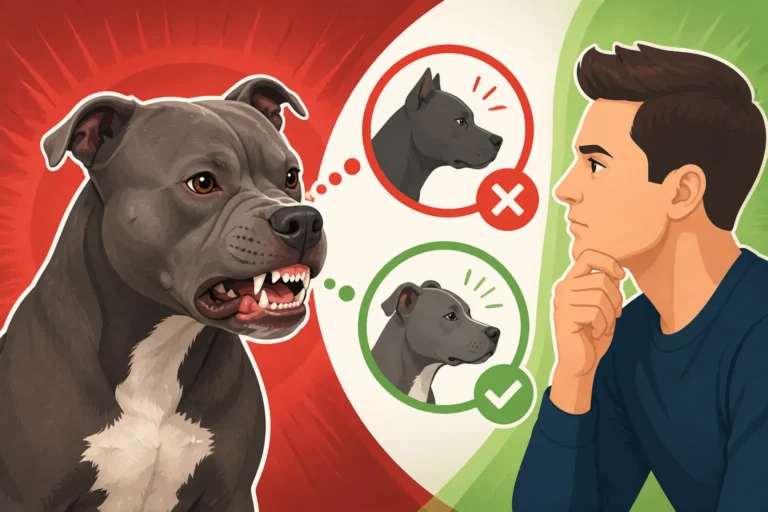
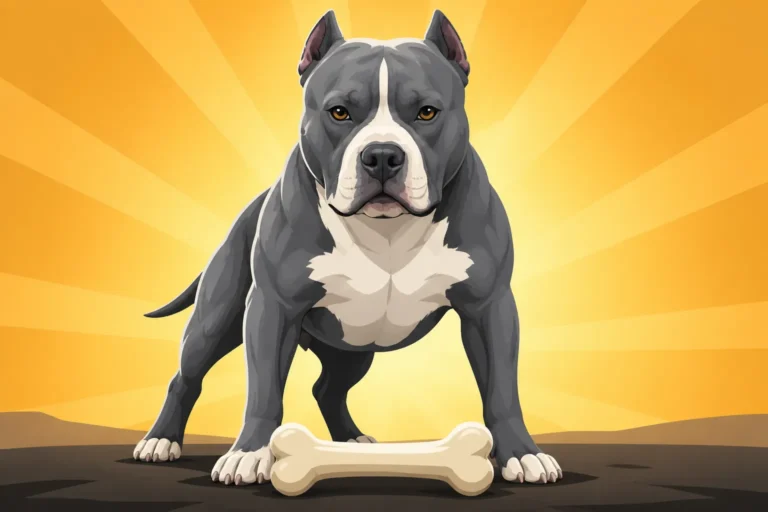
First off, let's talk about why your Pit Bull might grab things. It's not necessarily because they're being "naughty" or trying to spite you. Dogs, by nature, are programmed to value resources. This can be food, toys, sleeping spots, or even seemingly random household items. When a dog picks up something, especially something they perceive as interesting or valuable, their natural instinct is to keep it. This behavior is called resource guarding, and it's a spectrum. For some dogs, it might be a mild "mine!" moment, while for others, it can escalate quickly.
With Pit Bulls, their inherent physical strength and powerful jaws mean that a casual resource guarding behavior can become far more serious, very quickly. They are determined, and once they have something in their mouth, their grip can be incredibly strong. This isn't about aggression in the malicious sense; it's often a deep-seated instinct to protect what they perceive as theirs. Trying to physically pry an item from their jaws can trigger a defensive reaction, not because they mean to harm you, but because they feel threatened. They've just found a "treasure," and now someone is trying to take it away. This can lead to fear, escalating growls, snaps, or even bites, making the situation much more dangerous for everyone involved.
The Dangers of Forceful Retrieval
I've seen it happen countless times. An owner panics, lunges for the item, and a harmless sock-grabbing incident turns into a full-blown argument or, worse, an accidental bite. Forceful retrieval teaches your Pit Bull a few very negative lessons:
- You are a threat: If every time they have something, you rush over and try to take it away, you become the "bad guy." This erodes trust and makes them more likely to guard items in the future.
- They must defend their treasures: They learn that holding onto items means a confrontation, and if they want to keep their "loot," they need to escalate their defensive behaviors.
- The item's value increases: If you're willing to fight for it, it must be really important, right? This unintentionally makes the stolen item even more desirable in their eyes.
Instead of solving the problem, forceful retrieval can create a vicious cycle of distrust and increased guarding behaviors. It's not just about getting the item back; it's about preserving your relationship with your Pit Bull and teaching them that you are a source of good things, not someone who steals from them. Remember, your goal is to make them want to give the item up, not feel forced into it. This is where the magic of trading comes in.
The Art of the Trade: A Step-by-Step Approach
Okay, so your Pit Bull has a forbidden object. Deep breath. The goal here is to make them willingly drop what they have by offering something even better. This builds positive associations and reinforces trust. It's a skill that takes practice, but it's incredibly empowering once you master it.
Step 1: Prepare Your High-Value Offer
This is critical. You can't just offer a boring kibble piece for your expensive leather shoe. The "trade" has to be genuinely appealing to your Pit Bull. Think gourmet! High-value treats are things your dog adores and rarely gets.
- Cooked chicken or turkey: Small, bite-sized pieces.
- Cheese: Mozzarella sticks or small cheddar cubes are often big hits.
- Hot dogs: Cut into tiny pieces.
- Peanut butter (xylitol-free): A dab on a spoon.
- Squeezable treats: Many brands offer liquid treats that dogs go wild for.
You can find a great selection of high-value treats on Amazon, perfect for keeping in a sealed container for these exact moments. The key is that it's something they consider irresistible, not just what you think is a good treat.
Make sure you have a handful ready, perhaps hidden behind your back or in a pocket, so you don't reveal your intentions too soon. The element of surprise with a truly delicious treat can be a game-changer. Don't underestimate the power of a tiny piece of hot dog!
Step 2: The Calm, Non-Threatening Approach
Once you have your irresistible bait, approach your Pit Bull calmly. Do not rush, do not yell, and do not make direct eye contact in an aggressive way. Your body language needs to convey, "I'm not here to take something, I'm here to share something amazing." If your dog perceives you as a threat, they're more likely to clamp down on the item and defend it.
Get down to their level if comfortable and safe to do so. Speak in a calm, upbeat, and encouraging tone. Something like, "What have you got there, buddy? Look what I have!" Make yourself interesting and inviting, rather than scary. You want to pique their curiosity about what you have, distracting them from their current prize. If you startle them, they might swallow something dangerous, which is an outcome we desperately want to avoid.
Step 3: The Irresistible Offer and Patient Exchange
Now for the main event! Slowly and clearly present the high-value treat in an open palm. Hold it close enough for them to smell it, but not so close that they can snatch it without dropping what they have. Your goal is for them to choose the treat over the stolen item.
Wait. Be patient. Your Pit Bull might eye the treat, then glance at their item, then back at the treat. This is them weighing their options. The moment they open their mouth and drop the item to take the treat, immediately say a happy "Yes!" or "Good drop!" and give them the treat. As they're happily munching on their reward, then calmly reach down and retrieve the discarded item.
It's crucial that you get the item after they have received their reward. If you grab the item while they are still thinking about the trade, or before they've even gotten the treat, it breaks the trust. They'll learn that you just wanted their item and the treat was a distraction, not a fair exchange. This whole process needs to feel like a win-win for them.
| Scenario | Approach | Outcome for Dog | Outcome for Owner |
|---|---|---|---|
| Forceful Retrieval | Rushing, grabbing, scolding | Fear, mistrust, increased guarding | Risk of bite, damaged relationship |
| Trading | Calm, offering, positive reinforcement | Trust, positive association with giving up items, eagerness to trade | Safe retrieval, strengthened bond |
Practice this with low-value items first, like a regular dog toy. Offer a high-value treat, say "Drop it," and when they release the toy, reward and praise. Repeat. This builds a strong foundation for when they grab something genuinely important or dangerous. Many online training programs, such as those from BAXTER & Bella, offer fantastic modules on teaching "drop it" and impulse control that can be incredibly helpful. What to Teach a Pit Bull Puppy and When is a great place to start thinking about these foundational commands.
Preventing Future "Thefts" and Reinforcing Good Habits
While trading is an excellent reactive strategy, the best defense is a good offense! By setting up your home and training regimen proactively, you can significantly reduce the number of times you find yourself needing to trade with your Pit Bull. It's about creating an environment where opportunities for "theft" are minimized and good choices are rewarded.
Environmental Management: Out of Sight, Out of Mind
This might seem obvious, but it's often overlooked in the hustle and bustle of daily life. The easiest way to prevent your Pit Bull from stealing an item is to ensure they can't access it in the first place.
- Put things away: Keep counters clear, put shoes in closets, secure trash cans, and don't leave tempting items on coffee tables within reach.
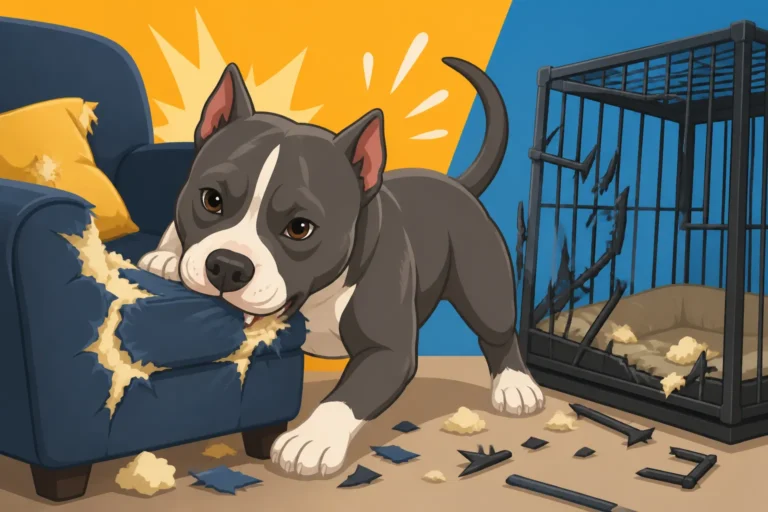
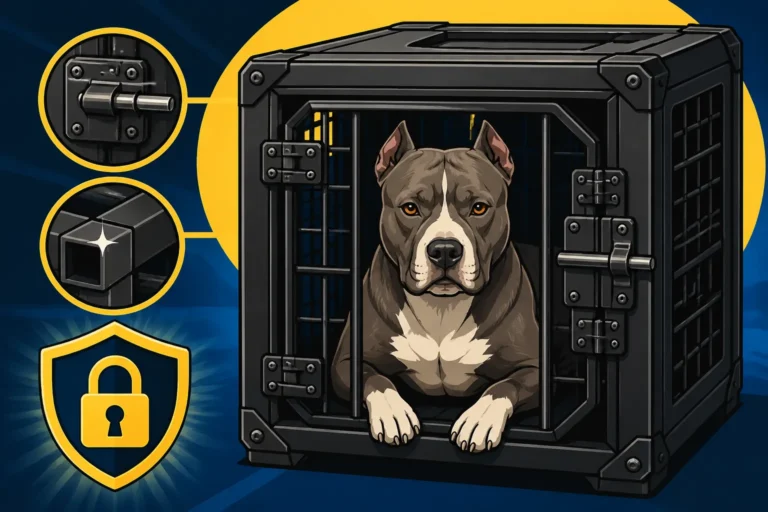
- Crate training: A crate is an invaluable tool for management, especially when you can't actively supervise your dog. If your Pit Bull is prone to counter surfing or grabbing things, having them in their crate when you're busy or away from home can prevent many headaches. Getting a Pit Bull to Choose Its Crate offers excellent advice on making the crate a positive space.
- Baby gates: These can section off areas of your home where you might have more valuable or dangerous items, like an office or a craft room.
Think about your home from your Pit Bull's perspective. What looks interesting? What smells good? What's easily accessible? A little foresight can save a lot of stress. For example, if you know your dog has a penchant for socks, make sure laundry baskets have lids or are kept behind closed doors.
Mastering "Leave It" and "Drop It" Commands
These two commands are your superpowers in preventing and managing resource guarding.
- "Leave It": This command teaches your Pit Bull to ignore an item that's tempting but off-limits. Start with low-value items on the floor, cover them with your hand, say "Leave It," and reward them for looking away or disengaging. Gradually uncover the item, increase the duration, and eventually move to higher-value distractions. This is fundamental for Building a Pit Bull's Impulse Control.
- "Drop It": This teaches your dog to release whatever they have in their mouth on command. You can teach this using the trading method described above, pairing the word "Drop It" with the moment they release the item for a treat. Practice this frequently with their regular toys. You want them to associate "Drop It" with getting something even better, every single time. Training a Pit Bull to a Higher Standard Than Other Dogs often means these basic commands need to be iron-clad.
Consistency is key here. Everyone in the household needs to use the same commands and follow the same rules. If one person lets the dog get away with something, it undermines the training for everyone else.
Providing Appropriate Enrichment and Chew Toys
Sometimes, a Pit Bull "steals" items because they're bored, under-exercised, or simply don't have enough appropriate outlets for their natural chewing instincts. Pit Bulls are powerful chewers!
- Durable chew toys: Invest in high-quality, durable chew toys that can stand up to their strong jaws. Rotate these toys to keep them novel and interesting. Chew Toys That Hold Up to a Pit Bull provides excellent recommendations.
- Puzzle toys: These can keep their minds engaged and provide a healthy outlet for their drive to "work" for food.
- Adequate exercise: A tired Pit Bull is often a well-behaved Pit Bull. Ensure they get plenty of physical exercise suitable for their age and fitness level. If they're regularly getting The Daily Exercise a Pit Bull Actually Needs, they'll be less likely to seek out destructive ways to burn off energy.
By giving them appropriate things to chew on and engage with, you satisfy those natural urges in a safe way, reducing the likelihood of them seeking out your personal belongings for entertainment.
When to Call for Backup: Seeking Professional Help
Most of the time, with patience and consistent positive reinforcement, you can teach your Pit Bull excellent trading and "drop it" skills. However, there are instances where professional intervention is not just helpful but absolutely necessary. Recognizing these situations early can prevent accidents and ensure both you and your dog remain safe.
When the Stolen Item Poses Immediate Danger
Sometimes, the item your Pit Bull has snatched isn't just an inconvenience; it's genuinely life-threatening. This could be:
- Toxic substances: Medications, cleaning products, rat poison, certain plants.
- Sharp objects: Glass, razor blades, knives, broken metal.
- Small objects that can cause choking or internal obstruction: Batteries, small toys, pieces of plastic.
In these emergency situations, your first thought is rightfully panic. If you cannot safely and quickly execute a trade because the dog might ingest the item before you can offer a sufficiently high-value treat, or if they are already exhibiting aggressive guarding over a dangerous item, do not hesitate. This is when you must prioritize the dog's safety and potentially seek immediate veterinary assistance or emergency animal control if you cannot retrieve the item. Trying to forcefully take a truly dangerous item from a dog who is already aggressively guarding it can put you at extreme risk.
Dealing with Aggressive Resource Guarding
While most resource guarding is manageable with training, some Pit Bulls may exhibit more intense or aggressive guarding behaviors. This can include:
- Persistent growling or snarling: Beyond a warning, this can indicate a serious intent to defend.
- Snapping or biting attempts: Even if they don't connect, these are clear signs of escalation.
- Freezing: Becoming stiff and unresponsive when you approach, signaling they are preparing to defend.
- Mounting: Leaning over the item, body stiff, making themselves look larger and more intimidating.
If your Pit Bull consistently exhibits these signs, especially if they escalate quickly or you feel unsafe attempting a trade, it's time to bring in the pros. This is beyond typical training; it's a behavioral issue that needs expert guidance. Attempting to manage aggressive guarding on your own without professional help can inadvertently make the problem worse or put you at risk of injury.
Finding a Qualified Professional
So, who do you call?
- Certified Professional Dog Trainer (CPDT-KA or CPDT-KSA): Look for trainers who specialize in positive reinforcement and force-free methods. They can help you implement a structured "drop it" and "leave it" protocol, and work with you on desensitization and counter-conditioning techniques for resource guarding. When looking for Finding a Trainer Experienced With Pit Bulls, make sure they understand the breed's strengths and potential challenges.
- Veterinary Behaviorist (Dip ACVB): For more severe or complex cases of aggression and resource guarding, a board-certified veterinary behaviorist is the highest level of expertise. They are veterinarians who have specialized in animal behavior, meaning they can rule out underlying medical issues contributing to the behavior and prescribe medication if appropriate, in conjunction with a behavior modification plan.
Don't feel ashamed or defeated if you need to seek professional help. It shows you are a responsible owner who cares deeply about your Pit Bull's well-being and the safety of your household. An expert can provide tailored strategies and hands-on coaching to address the root causes of the behavior and build a safer, happier relationship between you and your dog. Remember, addressing these issues early is always best.
Disclaimer
This article is for general informational purposes only and does not constitute professional advice. Laws, prices and regulations vary by location and change over time. Consult a qualified professional for guidance on your specific situation.