The Manners a Pit Bull Needs in Public
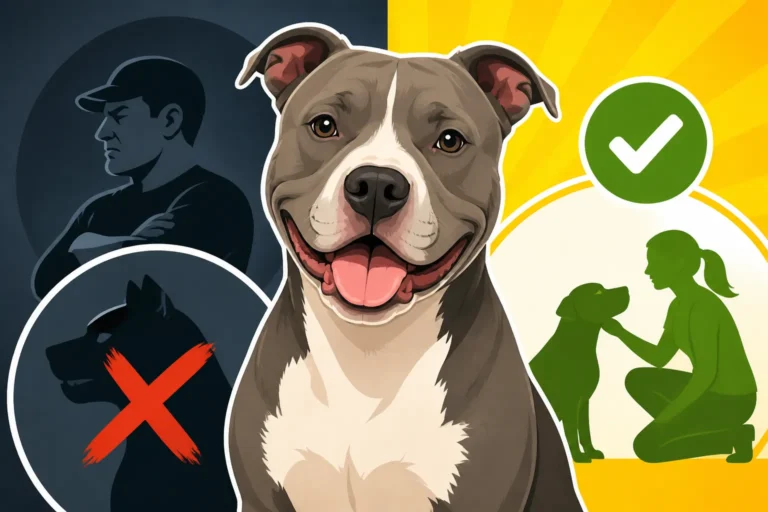
Being a Pit Bull owner often feels like living under a microscope. Every walk, every trip to the park, every public interaction is scrutinized, not just by fellow dog lovers, but by those who harbor preconceptions about the breed. This intense public perception means that the manners your Pit Bull displays aren't just a reflection of your training, but often become a symbol for the entire "Pit Bull type." This guide is all about equipping you and your beloved companion with the best public manners, not just for safety and enjoyment, but to help change hearts and minds one polite wag and calm sit at a time.
Understanding the Unique Scrutiny Your Pit Bull Faces
Let's be real: owning a Pit Bull comes with a unique set of challenges that owners of, say, a Golden Retriever or a Labrador often don't encounter. Before your dog even takes a step out the door, some people have already formed an opinion based solely on their looks. It's an unfair burden, but it's our reality, and it’s one that we, as responsible Pit Bull parents, have to navigate with grace and diligence. We know our dogs are sweet, goofy, and loyal, but the world doesn't always see that immediately.
This isn't about blaming anyone; it's about acknowledging the landscape. Negative stereotypes persist, fueled by media portrayals and isolated incidents. This means your Pit Bull, through no fault of their own, carries a heavier burden of proof in public spaces. A minor lapse in manners that might be overlooked in another breed can become a "Pit Bull incident" for yours. It's frustrating, absolutely, but it's why every interaction, every walk, every greeting matters. You are, in essence, an ambassador, and your dog is your most charming diplomat. This is why it’s critical to understand Why a Pit Bull Gets Less Benefit of the Doubt than many other breeds.
The goal isn't just to have a "well-behaved" dog; it's to have an exceptionally well-behaved dog. This higher standard means going the extra mile in training, socialization, and management. It means being proactive, not reactive, and always thinking a step ahead when you're out and about. It means turning every outing into an opportunity to showcase the wonderful temperament of your individual dog, chipping away at those unfair perceptions one positive interaction at a time.
Mastering Leash Manners and Impulse Control
One of the most fundamental aspects of public etiquette for any dog, but especially for a powerful and often misunderstood breed like a Pit Bull, is impeccable leash manners. A dog that drags you down the street, lunges at squirrels, or strains against its collar projects an image of being unruly and out of control, regardless of how sweet they are at home. For a Pit Bull, this can unfortunately reinforce negative stereotypes.
The Importance of a Loose Leash Walk
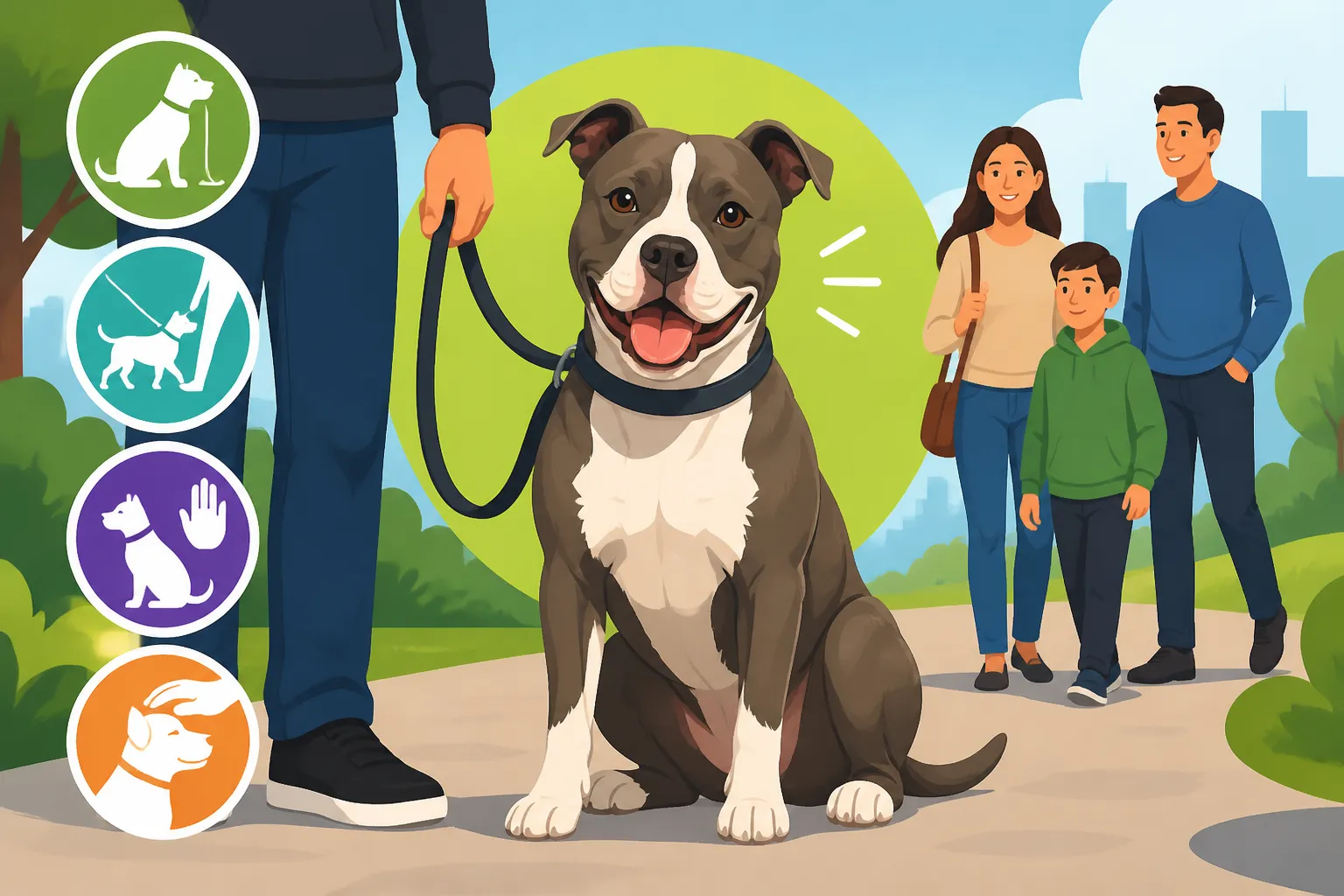
A loose-leash walk isn't just about comfort for you; it's about clear communication and a calm state of mind for your dog. When your Pit Bull is pulling, they are in a highly aroused state, less able to listen to commands and more prone to reacting to distractions. Training for a loose leash involves teaching your dog that the leash is a communication tool, not a tow rope. This means rewarding them heavily for walking beside you with slack in the leash, even if it's just for a few steps initially.
This often requires patience and consistency. Start in a low-distraction environment, like your backyard or a quiet street, and gradually introduce more challenging settings. If your Pit Bull is a strong puller, and many of them are, Pit Bull Leash Pulling at Fifty Pounds is a very real challenge you’ll face. Invest in good equipment that gives you control without causing pain. Front-clip harnesses can be invaluable for many Pit Bulls, as they redirect pulling power to the side, making it harder for your dog to drag you forward. Head halters are another option, providing excellent control by guiding your dog's head, which in turn guides their body. Amazon offers a wide selection of these, so you can find one that fits your dog’s specific build. Whatever you choose, ensure it fits correctly and is introduced positively.
Building Solid Impulse Control
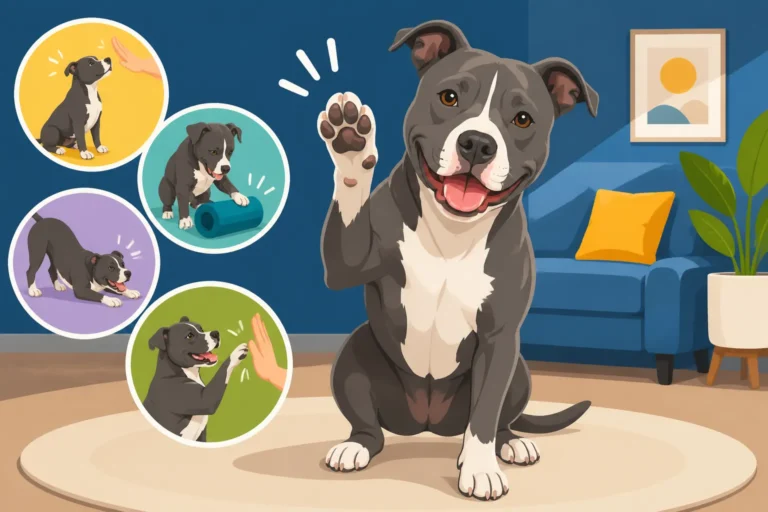
Public spaces are full of exciting smells, sights, and sounds. For a Pit Bull, whose curiosity and drive can be intense, learning to control their impulses is non-negotiable. Commands like "Leave It," "Wait," and "Stay" are your best friends in public. "Leave It" can prevent your dog from investigating discarded food on the sidewalk, lunging at a skateboarder, or trying to greet every person and dog they see. "Wait" is fantastic for holding them back at street crossings, at doorways, or when you need a moment to gather yourself.
To build impulse control, practice these commands in various settings. Start at home with low-value items, then move to higher-value treats, toys, and eventually, real-world distractions. Make it a game: "Can you wait while I put this treat on the floor?" or "Can you ignore that squirrel for a second?" Reward generously when they succeed. BAXTER & Bella, an online dog training program, offers structured courses that can guide you through these foundational commands, providing step-by-step instruction that translates well to real-world scenarios. Remember, Building a Pit Bull's Impulse Control is an ongoing process, not a one-time fix. It’s a lifelong skill that will serve you both well.
Cultivating Calm Greetings and Appropriate Interactions
How your Pit Bull interacts with other people and dogs in public significantly shapes their public perception. A dog that jumps, barks excitedly, or displays overly exuberant play can be intimidating, especially if they have a powerful build. Teaching calm and respectful greetings is paramount.
Meeting People Politely
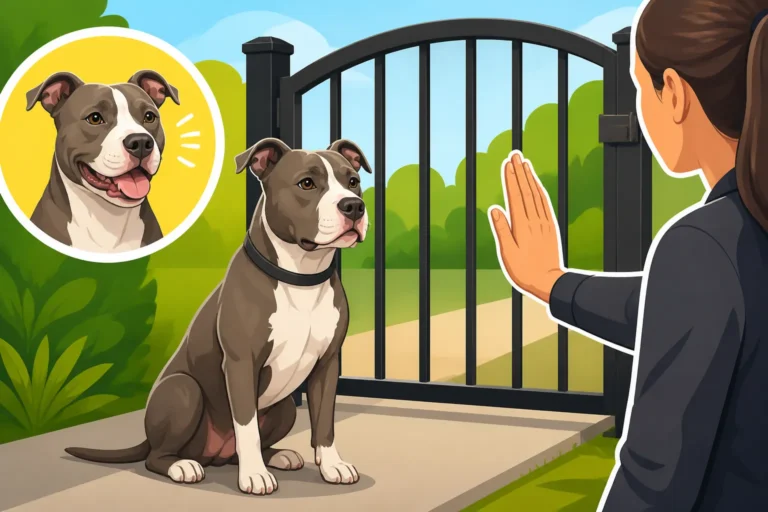
When encountering people, the ideal greeting for your Pit Bull is four paws on the floor. No jumping, no frantic wiggling – just a calm "hello." This starts with teaching your dog that they only get attention when all four feet are on the ground. If they jump, turn your back, say "off" or "no jump," and wait for them to settle. As soon as they have four on the floor, even for a split second, reward them with praise and perhaps a quick pet.
This is a scenario where proactive management is key. If you see someone approaching who looks interested in greeting your dog, preemptively ask your dog for a "sit" or a "down." Practice Teaching a Pit Bull to Sit Before Every Door and with every new person who enters your home; these principles easily transfer to public settings. Communicate with the person: "He'd love to say hello, but please wait until he's sitting calmly." This sets clear expectations and helps your dog practice good manners. Many people are eager to engage with a Pit Bull, and by guiding these interactions, you turn them into positive learning experiences for your dog and positive PR for the breed. Teaching a Pit Bull to Greet Calmly is about repetition and consistency.
Managing Dog-to-Dog Encounters
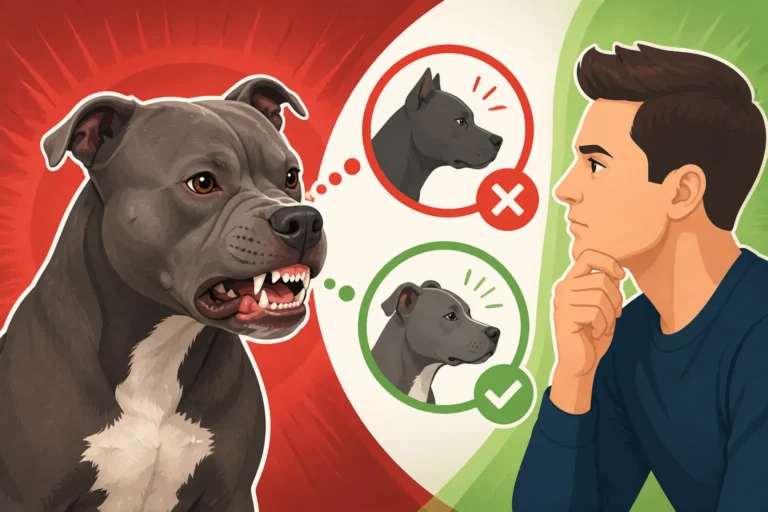
Dog-to-dog interactions in public require even more careful management. Not all dogs are friendly, and not all people are comfortable with other dogs approaching. For Pit Bulls, who are often described as "dog selective" rather than inherently aggressive, understanding this distinction is crucial. Dog selectivity means your Pit Bull may do well with some dogs but not others, or only tolerate certain play styles. It’s not aggression, but it does mean you need to be smart about who your dog interacts with.
Avoid on-leash greetings with unfamiliar dogs, especially if your dog has a history of reactivity or selectivity. Leashes can create tension and make interactions awkward or even escalate them. Instead, teach your Pit Bull to focus on you when other dogs pass. Use high-value treats to reward them for looking at you instead of staring down the other dog. If another dog approaches, a calm "no thank you, we're training" to their owner is perfectly acceptable.
It’s vital to understand What Dog Selectivity Means in a Pit Bull and how to manage it responsibly. If you want your Pit Bull to have dog friends, arrange controlled, off-leash playdates with known, stable dogs in a secure area. Never force an interaction, and always be ready to intervene if things get too intense. A good trainer can help you assess your dog’s comfort level and teach you strategies for navigating these situations.
Addressing Common Public Behavior Challenges
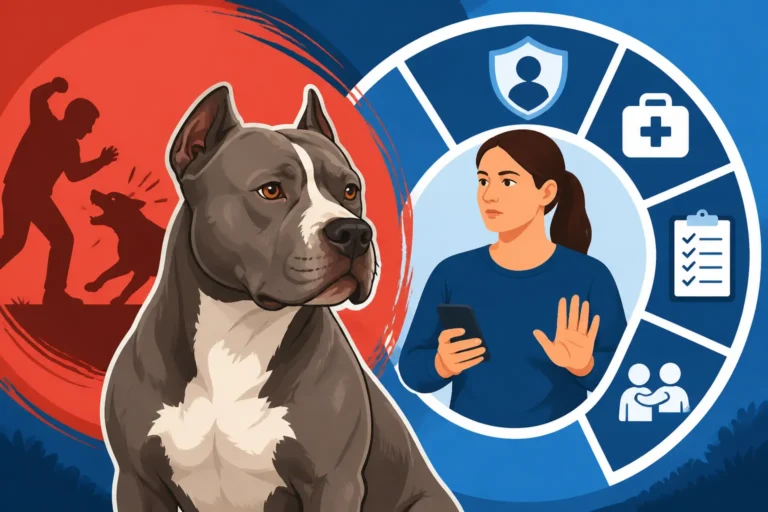
Even with the best training, challenges will arise. Being prepared to manage these situations calmly and effectively is part of being a responsible Pit Bull owner.
The Power of Muzzle Training
For many Pit Bull owners, the idea of muzzle training can feel daunting, or even like an admission of guilt. However, seeing a muzzle as a safety tool, much like a leash or a seatbelt, can completely change your perspective. Muzzle training is incredibly empowering. It means you can confidently take your dog to the vet, groomer, or even a busy park knowing that you have an extra layer of safety. It can prevent scavenging, provide peace of mind in new situations, or be a requirement in certain public spaces or transport.
A well-fitted basket muzzle allows your dog to pant, drink, and even take treats, making it comfortable for extended wear. Introducing it positively, with lots of treats and praise, ensures your dog associates it with good things. It shouldn't be a punishment. Why Every Pit Bull Should Be Muzzle Trained isn't about your dog being dangerous; it's about being prepared, responsible, and proactively managing situations where your dog might be stressed, in pain, or simply misunderstood. Take the time to condition your dog to the muzzle gradually, making it a normal, non-threatening part of their gear. Learning Choosing a Basket Muzzle for a Pit Bull correctly is key to ensuring comfort and efficacy.
Managing Reactivity and Distractions
Reactivity, whether it’s barking, lunging, or freezing at the sight of another dog, person, or object, can be incredibly stressful for both you and your Pit Bull. When your dog reacts, it’s often because they are overstimulated, fearful, or frustrated. The key to managing reactivity in public is to identify your dog’s triggers and work under their threshold. This means staying far enough away from the trigger that your dog notices it but doesn't react.
When you're under the threshold, you can engage your dog with training. Reward them for looking at the trigger and then looking back at you (known as "look at that" or "engage-disengage"). Gradually decrease the distance as your dog shows more confidence and calm. If you find yourself in a situation where a reaction is inevitable, simply turn and walk in the other direction. Removing your dog from the stressful situation is always a valid choice. Consider seeking professional help from a certified positive reinforcement trainer experienced with Pit Bulls. Vetting a Trainer Before Booking a Pit Bull is a crucial step in ensuring you get effective and humane guidance tailored to your dog's needs.
The Lifesaving Recall
While many public spaces require Pit Bulls to be leashed, especially given prevailing stereotypes, a rock-solid recall is still an invaluable public manner. Imagine your leash breaks, or your dog slips out of their harness. A reliable "come" command can be the difference between a minor scare and a major incident. Recall should be practiced everywhere: in the house, the backyard, and eventually in increasingly distracting environments.
Make recall the most exciting thing your dog can do. Use a happy, enthusiastic tone and reward them with their absolute favorite treats or a fun game of tug when they come. Never use recall to punish your dog or to end something fun; it should always lead to something positive. Practice on a long line in a safe, fenced area to give your dog the feeling of freedom while you maintain control. Learning The Word That Stops a Pit Bull Mid-Stride can truly be a lifesaver. This will allow you to build confidence in your dog's ability to return to you, even when there are tempting distractions. Knowing you have reliable Long Line Hardware That Holds a Pit Bull will help you feel more secure during these practice sessions.
Being a Responsible Pit Bull Ambassador
Beyond the specific commands and training, being a responsible Pit Bull owner in public means always being aware of your surroundings and your dog's impact on others. It means picking up after your dog, adhering to local leash laws, and being respectful of shared spaces. It means being prepared for questions, compliments, and sometimes, even negative comments.
Keep your dog well-groomed and healthy; a clean, well-cared-for Pit Bull is another small way to counter negative images. Make sure your dog has all their necessary vaccinations and identification. Carrying proof of training or certification, like a Canine Good Citizen (CGC) title, can also be beneficial. Documenting a Pit Bull's Training Record isn't just for personal satisfaction; it can provide tangible evidence of your dog's good behavior if ever needed.
Ultimately, every time you step out with your Pit Bull, you have an opportunity to showcase the best of the breed. It’s about building a positive reputation, one polite walk and calm greeting at a time. It's a lot of work, but for these incredible dogs, it's absolutely worth it.
Here's a quick checklist to help you ensure your Pit Bull is always putting their best paw forward in public:
| Public Manners Checklist | Yes/No | Notes |
|---|---|---|
| Leash Manners | ||
| Loose-leash walking | No pulling, even with distractions. | |
| "Leave It" on command | Ignores dropped food, tempting smells. | |
| "Wait" at doorways/crossings | Stays until released. | |
| Greeting Etiquette | ||
| "Four on the floor" for people | No jumping for attention. | |
| Calmly passes other dogs | Focuses on owner, no reactive lunging/barking. | |
| Safety & Management | ||
| Reliable recall ("Come!") | Returns immediately when called, even with distractions. | |
| Muzzle conditioned | Comfortable wearing a basket muzzle when needed. | |
| Poop bags always on hand | Cleans up immediately, every time. | |
| Owner Preparedness | ||
| Aware of surroundings | Anticipates potential triggers, guides interactions. | |
| Knowledge of local laws | Understands leash laws, breed restrictions. | |
| Treats for positive reinforcement | Rewards good behavior consistently. | |
| Appropriate, well-fitting gear | Harnesses, leashes, etc., are secure and comfortable. |
Disclaimer
This article is for general informational purposes only and does not constitute professional advice. Laws, prices and regulations vary by location and change over time. Consult a qualified professional for guidance on your specific situation.