Why a Test Score Cannot Predict Your Pit Bull
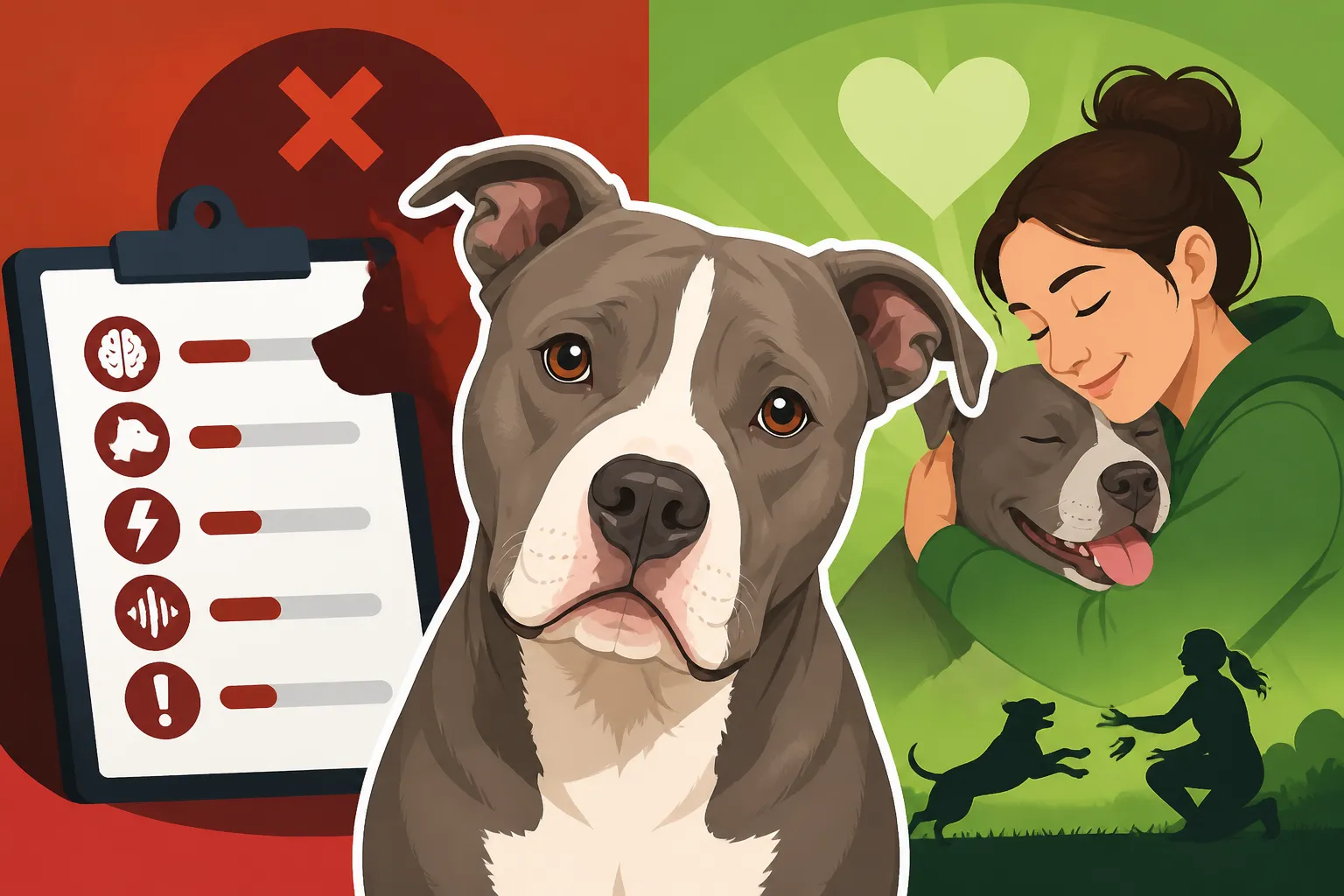
It’s a common frustration among Pit Bull owners, or those considering bringing one into their home: the feeling that one single test score, or even a breed reputation, could somehow predict the entire future behavior of a loving, complex animal. This simply isn't how dogs work, and it's especially unfair to a type of dog already facing so much scrutiny. This guide aims to dismantle the myth that a single assessment can definitively tell you how your Pit Bull will turn out, and instead, empower you with a realistic understanding of the myriad factors that truly shape a dog's temperament.
The Allure and Limitations of Temperament Testing
When you're looking at a dog, especially a Pit Bull, it's natural to want some kind of guarantee. We all want to know our furry family members will be safe, predictable, and well-behaved. This desire leads many to look at temperament tests as a crystal ball, hoping a single score can tell them everything they need to know.
What Temperament Tests Aim to Measure
Temperament tests, like the American Temperament Test Society (ATTS) evaluation, are designed to assess a dog's natural reactions to various stimuli in a controlled environment. They might expose a dog to strange sights, sounds, or people, and evaluate how the dog responds: whether it's curious, fearful, aggressive, or calm. The idea is to gauge general stability and confidence. For instance, What the ATTS Test Measures in a Pit Bull details the specific scenarios presented to dogs, such as confronting an intimidating stranger or reacting to unexpected noises. These tests can offer a snapshot of a dog’s innate tendencies at a specific point in time. They often look for things like shyness, aggression, or a tendency to panic under pressure.
However, it's crucial to understand that these tests are developed with a specific purpose, often for breed statistics or to identify dogs with severe behavioral issues. They aren't meant to be an exhaustive psychological profile of every individual dog. A dog might pass an ATTS test with flying colors, but that doesn't mean it's immune to developing behavioral challenges if its living situation changes drastically, or if it lacks consistent training and socialization. Conversely, a dog that might not "ace" a formal test could still be a wonderful, well-adjusted pet in the right home. The Pit Bull ATTS Pass Rate in the Latest Results might be interesting for general understanding, but it doesn't apply directly to your dog.
Why a Single Score Falls Short for Your Dog
The biggest misconception is treating a temperament test score as a definitive label for an individual dog. Think about it: could a single test on a human truly predict their entire personality and future behavior? Of course not. Dogs are just as, if not more, influenced by their environment, upbringing, and ongoing experiences. A test conducted in a sterile setting, over a short period, cannot account for the complex interplay of factors that truly shape a dog's character.
For example, a Pit Bull might be naturally calm and confident, scoring high on a temperament test, but if it's then neglected, left alone for long hours without proper exercise or mental stimulation, and never socialized, it could easily develop anxiety or destructive behaviors. On the flip side, a dog that shows a bit of nervousness in a test scenario might, with consistent positive reinforcement training and a loving, stable home, blossom into a wonderfully confident companion. What a test truly doesn't capture is the incredible resilience and adaptability of a dog, nor the profound impact of a dedicated owner. It also doesn't account for temporary conditions like stress, illness, or even hunger on the day of the test.
Beyond Genetics: The Shaping Power of Environment and Training
While genetics certainly play a role in a dog's predispositions – certain breeds might be more prone to particular behaviors or have higher prey drives, for example – they are never the sole determinant. Environmental factors, early life experiences, and consistent training are arguably more powerful in shaping the dog you share your life with.
The Critical Role of Early Socialization
A Pit Bull puppy's first few months are incredibly formative. The experiences, sights, sounds, and interactions it has during this critical window (roughly 3 to 16 weeks) lay the foundation for its future outlook on the world. A puppy exposed positively to a wide variety of people, other friendly dogs, different environments, and common household noises is much more likely to grow into a confident, well-adjusted adult. This is why discussions around Socializing a Pit Bull Puppy Thoroughly are so vital.
Consider a hypothetical scenario: two Pit Bull puppies from the same litter, with similar genetic predispositions. One goes to a home where it’s kept isolated in the backyard, rarely sees new people or dogs, and experiences harsh discipline. The other goes to a family that enrolls it in puppy classes, takes it on safe, supervised outings, introduces it gently to diverse people, and uses reward-based training. Even with identical starting temperaments, these two dogs will likely develop vastly different behaviors and personalities as adults. The second pup, through consistent, positive exposure, learns that the world is generally a safe and interesting place, while the first might become fearful, anxious, or even reactive due to its limited and negative experiences.
Training and Consistent Management as Pillars of Behavior
Once past puppyhood, consistent training and thoughtful management become the bedrock of a well-behaved Pit Bull. This isn't about breaking a dog's spirit; it's about teaching them how to navigate the human world politely and safely. Positive Reinforcement Training With a Pit Bull is highly effective because it builds trust and encourages desired behaviors through rewards, rather than relying on punishment, which can often create fear or aggression.
Regular training sessions, even short ones, reinforce good manners and keep your dog mentally engaged. Think about foundational skills like a solid recall, walking politely on a leash, or a "leave it" command. These aren't just tricks; they are essential life skills that ensure your dog's safety and your peace of mind. A Pit Bull, with its inherent strength and often misunderstood public image, benefits immensely from being exceptionally well-mannered. It’s not just about compliance; it’s about providing structure and clear communication, which builds confidence in your dog. Many owners find value in online training programs like those offered by BAXTER & Bella, which provide structured guidance for building these crucial skills from puppyhood onwards.
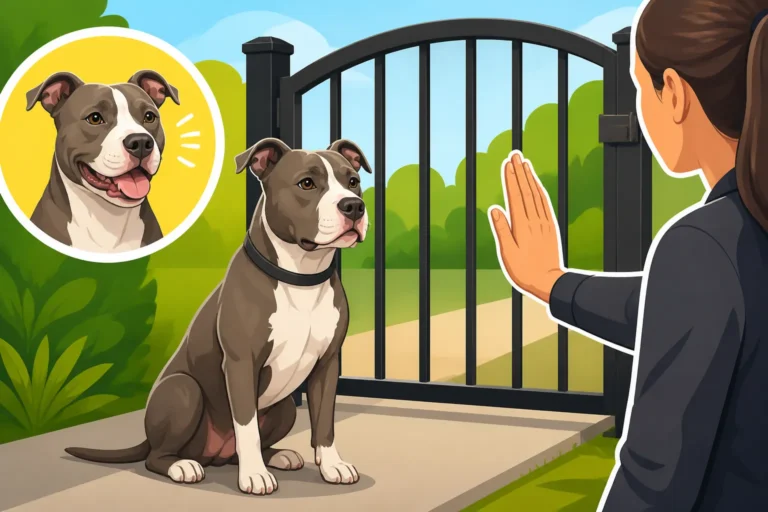
Even with the best training, some management is always necessary. This might mean using a durable leash and harness for walks, supervising interactions with other dogs, or carefully managing introductions to new people. The idea isn't to restrict your Pit Bull, but to set them up for success and prevent situations where they might feel overwhelmed or make poor choices.
Understanding Your Pit Bull's Individual Journey
Every Pit Bull, like every human, is an individual with their own unique personality, quirks, and needs. To truly understand and support your dog, you need to look beyond generalized breed traits or single test scores and embrace the full picture of who they are.
Recognizing Influential Factors
So, if a test score isn't the be-all and end-all, what should you consider? A holistic view includes several key factors:
- Genetics and Breed Type: While not predictive, understanding that Pit Bulls were historically bred for certain physical and mental traits (like tenacity, power, and a high pain tolerance) can inform your training and management strategies. This is especially true when considering Why Pit Bull Is a Type and Not a Breed, as specific lines within the broader "Pit Bull" umbrella can have different propensities.
- Early Life Experiences: As discussed, what happened during critical developmental stages profoundly impacts a dog. If you adopt a rescue, you might not know this history, which means you need to be extra patient and observant.
- Health Status: A dog in pain or discomfort is far more likely to be irritable or reactive. Regular veterinary check-ups are essential. For example, addressing Pit Bull Skin Allergies and the Atopy Pattern can vastly improve a dog's comfort and, consequently, its mood. Hidden pain, like that from Pit Bull Hip Dysplasia Showing at One to Two Years, can also lead to behavioral changes.
- Current Environment: Is your home stable, predictable, and enriching? Does your dog get enough physical exercise and mental stimulation? Is there consistent communication from all family members regarding rules and expectations?
- Your Own Handling and Consistency: Dogs thrive on routine and clear leadership (not dominance, but guidance). If your rules are constantly changing, or if different family members have different expectations, it can be confusing and stressful for your Pit Bull.
By taking all these factors into account, you can gain a much more accurate understanding of your dog's temperament than any single test could provide.
Building a Strong Relationship Through Observation and Trust
The most powerful "assessment" you can perform on your Pit Bull is simply living with them, observing their behavior, and building a relationship based on trust and mutual respect. Pay attention to their body language – a subtle ear flick, a tense posture, a yawn, or lip lick – as these are all cues about how they're feeling. Many resources on Amazon, from books on canine body language to comprehensive training guides, can help you learn to "read" your dog more effectively.
If you encounter behavioral challenges, don't despair or assume it's an inherent flaw. Instead, see it as a puzzle to solve. Is your dog getting enough exercise? Are they bored? Are they perhaps in pain? Could they benefit from further socialization in a controlled setting? Sometimes, even a minor change in routine or diet can have a significant impact on behavior.
Consider consulting with a professional dog trainer or behaviorist who has experience with Pit Bull types. They can help you identify triggers, develop effective training plans, and provide personalized guidance. Finding a Trainer Experienced With Pit Bulls is crucial, as their nuanced understanding of the breed type and its needs can make all the difference. Remember, the journey with your Pit Bull is ongoing, and their behavior will continue to evolve based on their experiences and your continued efforts. The goal is not to force them into a predefined mold based on a test score, but to nurture them into the best version of themselves they can be.
To illustrate the multifaceted nature of canine temperament, let's look at a quick overview:
| Factor | Description | Impact on Behavior (General) |
|---|---|---|
| Genetics | Inherited predispositions from parents/breed line. | Influences drives (prey, guarding), energy levels, general reactivity. |
| Early Socialization | Exposure to sights, sounds, people, dogs during puppyhood. | Critical for confidence, fear responses, and social skills. |
| Ongoing Training | Consistent education of rules, commands, and appropriate behaviors. | Shapes manners, impulse control, and ability to cope with novelty. |
| Environment | Home stability, routine, enrichment, stress levels. | Affects anxiety, destructive behaviors, and overall well-being. |
| Health Status | Physical comfort, pain, underlying medical conditions. | Can cause irritability, lethargy, fear, or aggression. |
| Handler Experience | Owner's knowledge, consistency, and ability to read canine cues. | Impacts training effectiveness, bond, and dog's confidence. |
Ultimately, a temperament test score is just one tiny piece of a very large and dynamic puzzle. Your Pit Bull's true temperament is forged daily, through every interaction, every training session, every walk, and every moment of shared companionship. Invest in their training, their socialization, their health, and most importantly, your relationship with them. That’s the real secret to a well-adjusted dog.
Disclaimer
This article is for general informational purposes only and does not constitute professional advice. Laws, prices and regulations vary by location and change over time. Consult a qualified professional for guidance on your specific situation.