What to Do If a Pit Bull Bites Someone
It's every Pit Bull owner's worst nightmare: the moment your beloved dog, through an unexpected set of circumstances, bites someone. The immediate aftermath can feel like a chaotic rush of panic, guilt, and a desperate search for answers. This guide is here to walk you through the essential steps to take immediately following a bite incident, how to navigate the legal and practical complexities, and crucial strategies to prevent anything like it from happening again.
Immediate Actions After a Bite
When a bite incident occurs, the moments that follow can be incredibly intense and disorienting. It's vital to act quickly and methodically to ensure the safety of everyone involved and to manage the situation as best you can. Your priority must shift from shock to calm, calculated action.
Prioritizing Safety and First Aid
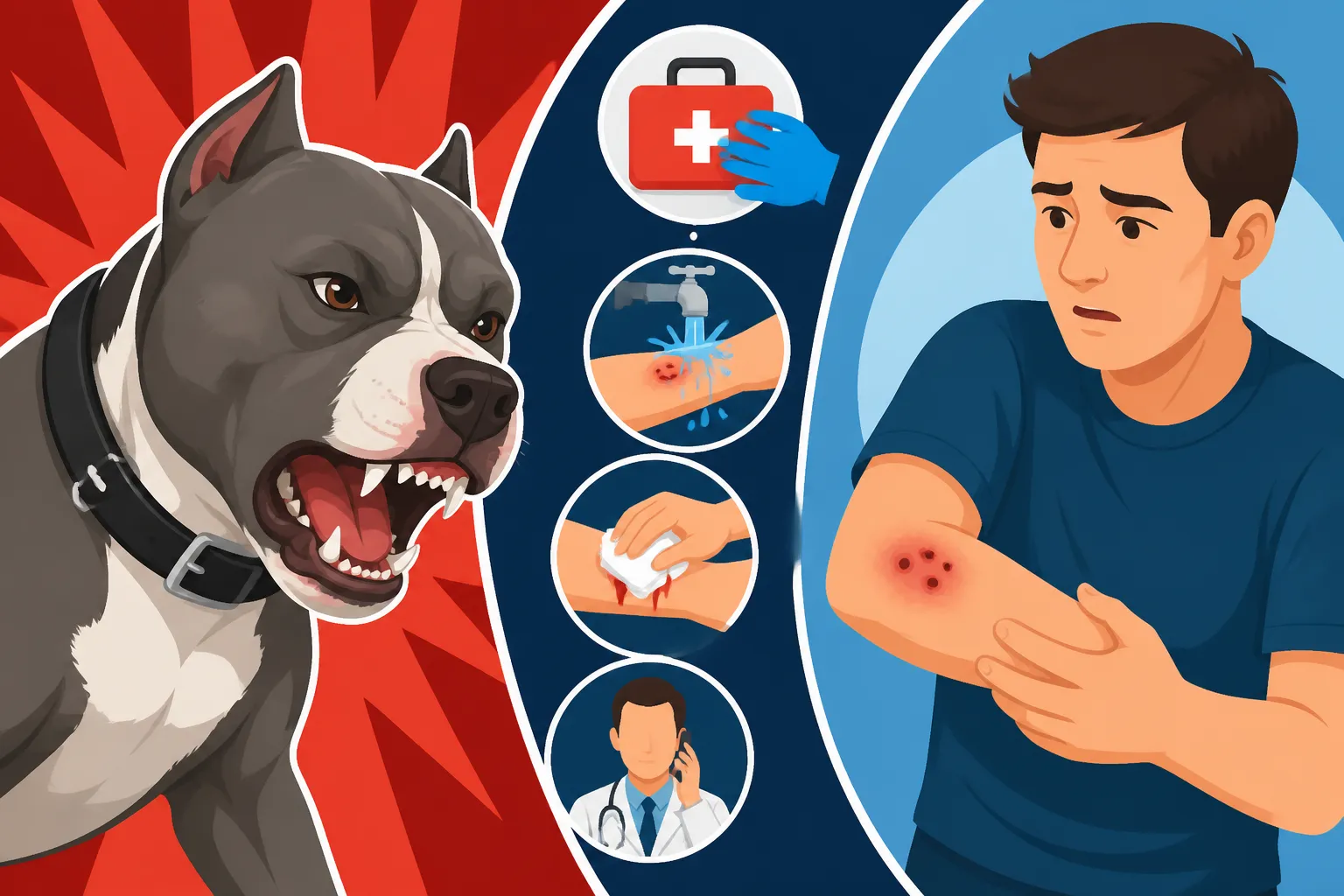
The very first thing you need to do is separate your Pit Bull from the person who was bitten, and from any other animals present, without putting yourself or others at further risk. This might mean leashing your dog and securing them in a separate room or a sturdy crate. Safety is paramount here; if the dog is still agitated, use extreme caution. Once your dog is secured, turn your full attention to the injured person. Assess the wound immediately. Is it a superficial scratch, a puncture, or something more serious? Even if the injury appears minor, it's always best to err on the side of caution.
Clean the wound thoroughly with soap and water if possible, and apply direct pressure to stop any bleeding. Encourage the injured party to seek medical attention, regardless of how minor the bite seems. Puncture wounds, even small ones, can carry a high risk of infection, and a medical professional can properly clean, assess, and treat the injury. They can also advise on tetanus shots or other necessary precautions. Do not minimize their discomfort or the potential severity of the injury.
Gathering Information and Witnesses
In the midst of the shock, it's easy to forget crucial details. Try to remain calm and collect as much information as possible. Get the full name and contact information of the person who was bitten. Ask if they have insurance and if they are planning to see a doctor. If there were any witnesses to the incident, ask for their names and contact information as well. Their objective perspective can be invaluable later on.
Take photographs of the injured person's bite wounds, if they are comfortable with it. Also, photograph the location where the incident occurred, especially if there were any environmental factors, such as a broken fence, a gate left ajar, or unusual distractions. Document the time and date as accurately as you can. These details will be incredibly important for any official reports or insurance claims that may follow. Having this information readily available will help you provide accurate accounts when speaking with authorities or medical professionals.
Navigating the Aftermath: Legal and Practical Steps
Once the immediate crisis has passed, you'll need to turn your attention to the necessary legal and practical steps. This can feel overwhelming, especially with the emotional toll an incident like this takes, but addressing these aspects promptly and correctly can make a significant difference in the outcome.
Understanding Local Laws and Reporting Requirements
Dog bite laws vary dramatically from city to city, county to county, and state to state. Your first step should be to understand the specific regulations in your area. In many places, any bite that breaks the skin is a reportable incident, and you may be legally obligated to notify animal control or the local health department within a certain timeframe. Failing to report could lead to more severe penalties. These agencies will often initiate an investigation and may require your Pit Bull to undergo a quarantine period, even if your dog is up-to-date on vaccinations. This quarantine can sometimes happen at your home, or in more serious cases, at an animal shelter.
Be aware that certain jurisdictions still have breed-specific legislation (BSL) or restrictions that target Pit Bulls. An incident could trigger more severe consequences in these areas, potentially leading to specific requirements for muzzling, securing, or even the difficult decision of euthanasia, depending on the severity of the bite and the dog's history. It's worth looking into "Where Pit Bull Legislation Still Applies" in your state or municipality. Understanding these local nuances is critical, as they dictate the official process you'll need to follow.
Communicating with the Injured Party and Authorities
It's natural to want to apologize profusely, but when communicating with the injured party, it's generally best to express concern without admitting legal fault. A simple "I'm so sorry this happened, how can I help ensure you get the medical care you need?" is often sufficient. Provide your contact information, and if appropriate, offer to help with medical expenses. This can often be handled through your homeowner's or renter's insurance policy, as many policies include liability coverage for dog bites. You should contact your insurance provider as soon as possible to inform them of the incident, even if you don't believe a claim will be filed. They can offer guidance on how to proceed and what your coverage entails. Be prepared for potentially rising premiums or even policy cancellation if a claim is filed. It's a harsh reality that "What a Bite Claim Does to a Pit Bull Policy" can have significant financial repercussions.
When animal control or other authorities contact you, be calm, factual, and cooperative. Provide all the information you collected immediately after the incident, including your dog's vaccination records and any training certificates. Avoid becoming defensive or emotional. Stick to the facts. If the situation appears to be escalating, or if you feel you are being unfairly judged, consider consulting with an attorney experienced in animal law. They can advise you on your rights and help you navigate complex legal challenges that might arise. Sometimes, an incident can lead to "Legal Costs After a Pit Bull Complaint," and legal guidance can be invaluable.
Documenting Everything
Maintain a meticulous record of everything related to the incident. This means keeping a file with:
- Copies of all communication: Emails, text messages, and notes from phone calls with the injured party, witnesses, animal control, your veterinarian, and insurance company.
- Medical records: For the injured person (if provided to you), and for your Pit Bull, especially any recent vet visits or vaccination records.
- Photos: Of the bite, the location, and anything relevant to the incident.
- Witness statements: If anyone provided written accounts.
- Training records: Include any certificates from obedience classes, Canine Good Citizen (CGC) testing, or notes from private training sessions. Documenting a Pit Bull's Training Record can be crucial in demonstrating your commitment to responsible ownership and your dog's good behavior.
- Temperament evaluations: If your dog has undergone any professional temperament assessments.
This detailed documentation serves multiple purposes. It helps you keep track of all interactions, provides evidence should legal proceedings occur, and can be vital in advocating for your dog's future. It paints a comprehensive picture of the incident and your efforts to manage the situation responsibly.
Here's a quick overview of immediate versus follow-up steps:
| Category | Immediate Steps (Within Minutes/Hours) | Follow-Up Steps (Days/Weeks) |
|---|---|---|
| Safety & Medical | Separate dog, secure, first aid for victim, encourage medical attention. | Ensure victim receives follow-up care, monitor dog for stress/injury. |
| Information Gathering | Get victim/witness info, take photos of wound/scene, note time/date. | Compile all documentation, organize records. |
| Legal/Official | Report to animal control/health dept (if required by local law). | Understand local BSL, contact insurance, consult attorney if needed. |
| Dog Management | Secure dog, ensure vaccinations are current. | Plan for quarantine (if required), consult vet/behaviorist. |
| Communication | Express concern to victim without admitting fault. | Follow up with victim (via insurance/attorney), cooperate with authorities. |
Preventing Future Incidents and Understanding Why It Happened
A bite incident, no matter how minor, is a serious signal that something needs to change. Your focus now must be on understanding why it happened and implementing robust strategies to prevent any recurrence. This is where your role as a dedicated Pit Bull owner truly comes to the forefront.
Identifying the Triggers and Context
Dog bites rarely happen out of the blue. There's almost always a trigger or a culmination of stressors that lead to such an event. It’s absolutely essential to be honest with yourself and scrutinize the circumstances. Was your Pit Bull in pain, perhaps from an underlying injury or medical condition that went unnoticed? Dogs, especially stoic breeds like Pit Bulls, can mask discomfort until it reaches a critical point, leading them to snap when touched or startled. A full veterinary check-up is a crucial first step after an incident to rule out any medical causes.
Consider behavioral triggers:
- Resource Guarding: Was your dog protecting food, toys, a bed, or even you?
- Fear/Anxiety: Was your dog startled, cornered, or feeling threatened by a person or another animal?
- Territoriality: Was the bite related to someone entering your property or approaching your car?
- Dog Selectivity: If another dog was involved, it might be an issue of "Pit Bull Dog Selectivity Explained," where your Pit Bull tolerates some dogs but not others.
- Stress/Overstimulation: Was the environment too loud, too busy, or were they interacting with too many people or dogs for too long?
- Lack of Socialization/Training: Was your dog adequately socialized as a puppy? Does your dog understand and reliably respond to basic obedience cues?
It’s easy to miss subtle warning signs. Did your Pit Bull stiffen, avert their gaze, lip lick, yawn, or give a soft growl before the bite? Learning to "Reading a Pit Bull Growl Correctly" and other body language signals is vital for future prevention. These signals are your dog's way of saying "I'm uncomfortable," and recognizing them allows you to intervene before a bite occurs.
Implementing Management and Training Changes
Once you have a better understanding of the why, you can implement effective management and training changes. This isn't about punishment; it's about setting your Pit Bull up for success and ensuring everyone's safety.
-
Environmental Management:
- Secure your home and yard: Ensure fences are sturdy and gates are always latched. Never allow your Pit Bull unsupervised access to the front yard or public areas if there's any chance they could escape.
- Supervision: Never leave your Pit Bull unattended with children or other animals, especially if the bite involved either. Implement "Supervision Rules for a Pit Bull and a Child" rigorously. Even with careful training, supervision is your ultimate safety net.
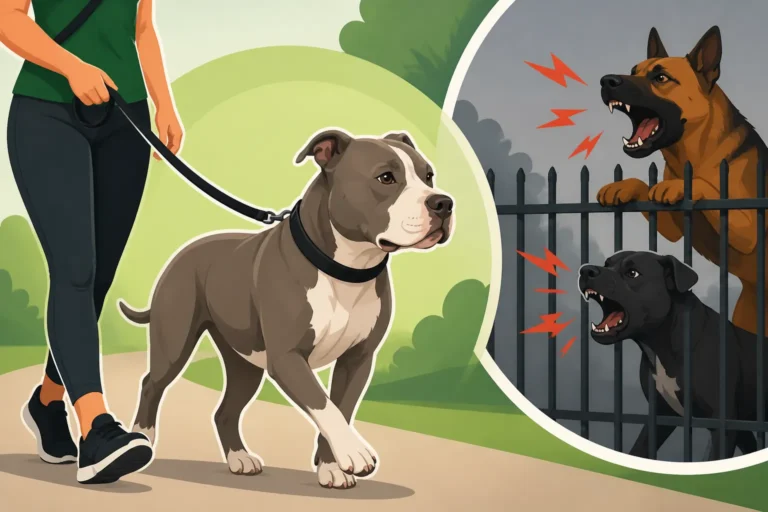
- Controlled Greetings: Manage all interactions with strangers or other dogs. Use a leash and keep greetings brief and structured, or avoid them altogether if your dog shows signs of discomfort.
-
Equipment:
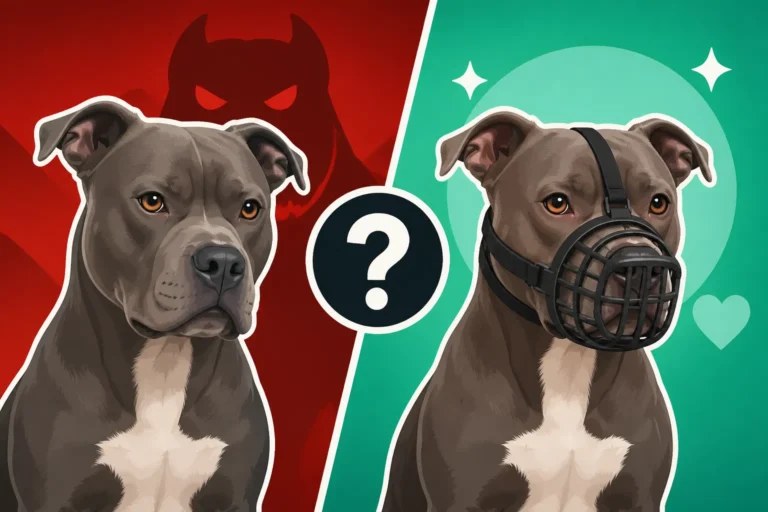
- Muzzle Training: This is a non-negotiable step for any dog who has bitten, or any Pit Bull who might be in situations where they could be perceived as a risk. Muzzle training is a crucial tool, not a punishment. A well-fitted basket muzzle, available on platforms like Amazon, allows your dog to pant, drink, and even take treats, while preventing bites. Start slowly and positively, making the muzzle a comfortable experience. You might be worried about "Whether a Muzzle Makes a Pit Bull Look Worse," but responsible ownership prioritizes safety over appearance. Focus on "Muzzle Conditioning a Pit Bull in Two Weeks" to make it a positive experience.
- Secure Leashes and Harnesses: Invest in high-quality, sturdy equipment. A well-fitting, escape-proof harness can give you better control than a collar alone, especially with a strong Pit Bull.
- Crate Training: A secure crate, also readily available on Amazon, can be an invaluable tool for safely confining your dog when you cannot actively supervise them, such as when guests are over or when they need a quiet space to decompress.
-
Training and Behavior Modification:
- Professional Guidance: This is not a DIY project. Seek out a certified professional dog trainer or a veterinary behaviorist who has experience with powerful breeds and bite incidents. They can help you identify triggers, develop a behavior modification plan, and teach you how to respond appropriately.
- Focus on Foundational Skills: Reinforce basic obedience commands like "sit," "stay," "leave it," and a reliable "recall." These are crucial for managing your dog in various situations. Consider online resources like BAXTER & Bella, which offer comprehensive training programs, though remember that for a dog with a bite history, hands-on professional help is paramount.
- Desensitization and Counter-Conditioning: If the bite was triggered by a specific stimulus (e.g., strangers, children, other dogs), a behaviorist can guide you through desensitization and counter-conditioning protocols to change your dog's emotional response to that trigger.
Seeking Professional Help
You are not alone in this. Dealing with a dog bite is incredibly stressful, and professional guidance is often the most effective way forward.
- Veterinarian: As mentioned, your vet is your first stop to rule out any pain or underlying medical conditions that could be contributing to the behavior. A dog in pain might lash out unexpectedly. They can also advise on any medication that might help manage anxiety or reactivity, if appropriate.
- Certified Professional Dog Trainer (CPDT) or Certified Applied Animal Behaviorist (CAAB): These professionals have specialized knowledge and experience in addressing problem behaviors. They can assess your dog, evaluate the incident, and develop a tailored behavior modification plan. Look for trainers who use positive reinforcement and force-free methods. A trainer who understands the nuances of powerful breeds and has successfully worked with bite cases is ideal. Ask about their experience with Pit Bulls and similar situations before committing. Do not engage with trainers who advocate for punitive or aversive methods, as these can often worsen aggression and erode trust.
A bite incident is a wake-up call, but it doesn't have to be the end of the road for your Pit Bull. With immediate action, diligent follow-through, and a commitment to professional help and proactive management, you can work towards ensuring a safer future for everyone.
Disclaimer
This article is for general informational purposes only and does not constitute professional advice. Laws, prices and regulations vary by location and change over time. Consult a qualified professional for guidance on your specific situation.