Reading a Pit Bull Growl Correctly
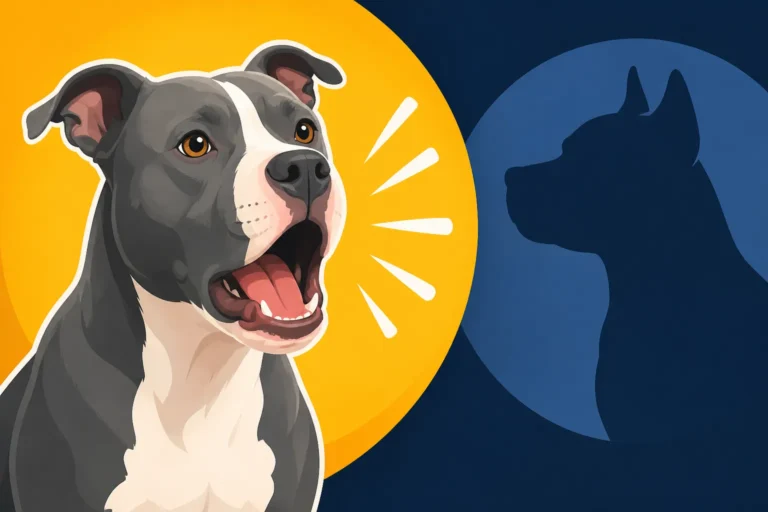
It’s a heart-stopping moment for any dog owner: your beloved Pit Bull lets out a low, guttural growl. Immediately, your mind might jump to "aggression" or "danger," triggering a reaction to scold, punish, or even physically correct your dog. But this common misconception about growling can actually be detrimental, removing a crucial line of communication between you and your dog and potentially leading to more serious issues down the line. This guide is here to unravel the complexities of a Pit Bull growl, helping you understand its true meaning and teaching you how to respond in a way that builds trust and fosters a safer, happier home for everyone.
The Essential Language of a Growl
Let's be clear from the start: a growl is not an act of malice; it is a profound act of communication. Your Pit Bull isn't being "bad" when it growls; it's telling you something vitally important about its emotional state or perception of a situation. Think of it as your dog's way of setting a boundary or expressing discomfort before things escalate. Ignoring or punishing a growl is like ripping out the smoke detector because you don't like the sound – you're removing the warning system, not the underlying problem.
Growling as Communication, Not Aggression
Too often, people mistakenly equate a growl with an imminent attack or an act of defiance. In reality, a growl is almost always a plea for space, an expression of fear, discomfort, pain, or frustration. It’s a magnificent gift your dog gives you, a clear signal that something in their world feels wrong to them, and they need your help to resolve it. When a dog growls, they are essentially saying, "I'm not okay with this, please stop or move away."
Consider a scenario where your Pit Bull is sound asleep on their bed, and a child, perhaps excitedly, rushes over and tries to pull them up to play. Your dog lets out a low growl. Many people would instinctively scold the dog for growling at the child, perhaps even sending them to their crate in punishment. But what did the growl actually mean? It meant, "I'm startled, I'm comfortable here, and I don't appreciate being disturbed so abruptly." By punishing the growl, you teach your dog that expressing discomfort verbally is unacceptable. The next time, instead of growling, your dog might skip the warning and go straight to a snap or bite out of sheer desperation to make the discomfort stop. This is why understanding and respecting the growl is paramount for responsible Pit Bull ownership.
Differentiating Types of Growls
Not all growls are created equal, and learning to differentiate them is key to understanding your Pit Bull's language. Just as human tone of voice can convey different emotions, so too can the timbre, duration, and context of a dog's growl.
Firstly, there's the play growl. This is often heard during rough-and-tumble games with other dogs or even with you. It's usually accompanied by loose, bouncy body language, a wagging tail (often a full-body wiggle), and a playful expression. The sound itself might be higher-pitched or more breathy than a warning growl, and it lacks any stiffness or tension in the body. If your Pit Bull is play-bowing, running in circles, or mouthing gently, a growl in this context is almost certainly part of the fun.
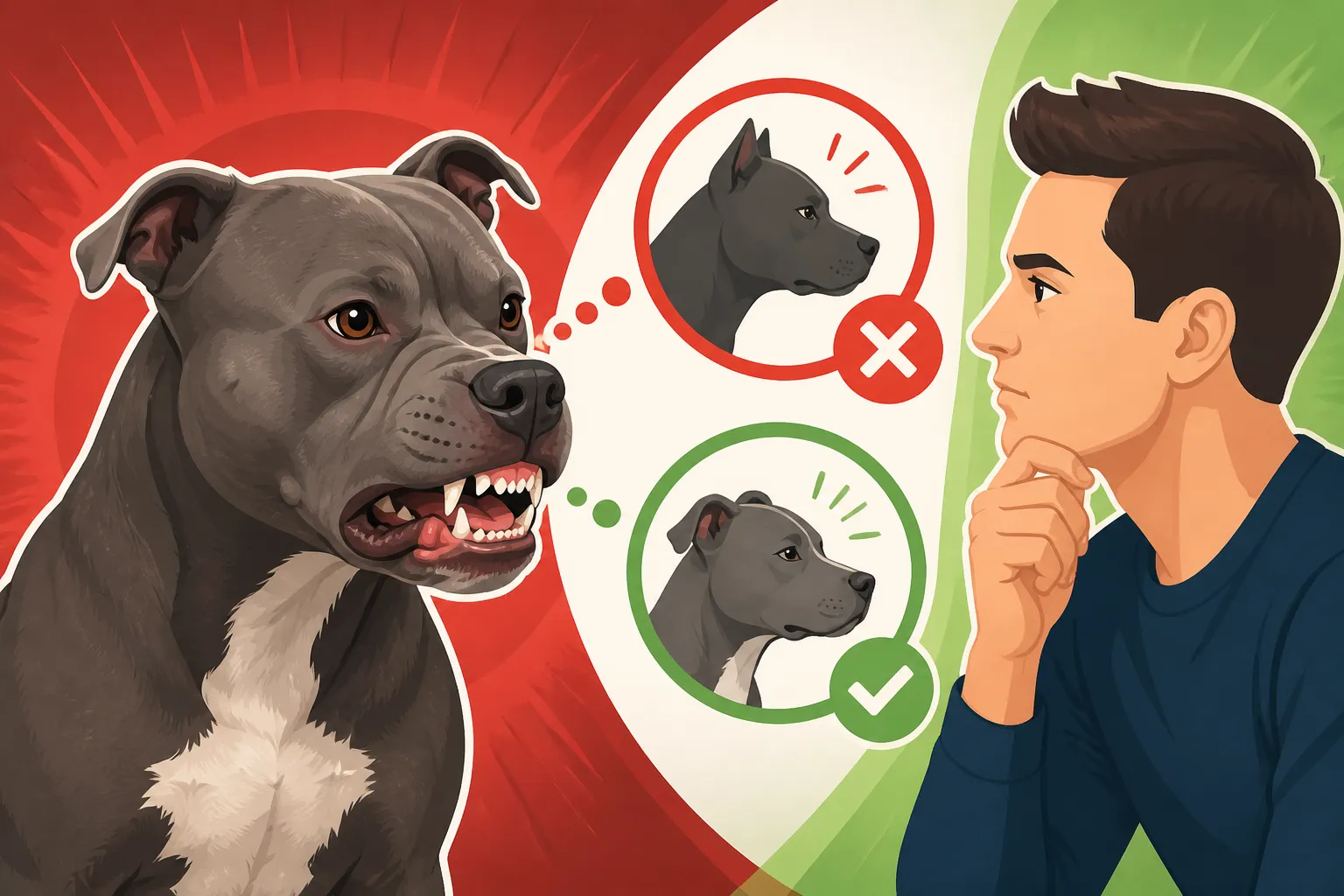
Then we have the warning growl. This is the one that needs attention. It's typically a lower, more guttural sound, often accompanied by stiff body language. You might see a hard stare, a slight lip curl, raised hackles along the back, or a tail held stiffly or tucked slightly. This type of growl signals that your dog feels threatened or is guarding a resource. Imagine your Pit Bull is chewing on a favorite bone you bought from Amazon, and another dog (or even a person) gets too close. A low growl here is a clear "back off."
Frustration growls often occur when a dog wants something it can't have, or is being held back from something it desires. This might happen if your Pit Bull is on a leash and desperately wants to greet another dog but you’re holding them back, or if they see a squirrel they can't chase. The growl might sound whiny or agitated, paired with pulling on the leash, pacing, or focused intensity on the inaccessible object.
Fear growls are deeply rooted in insecurity. A dog displaying a fear growl will likely have a tucked tail, flattened ears, wide eyes (whale eye), and a body posture that suggests they want to make themselves smaller or retreat. The growl itself might be a low rumble, almost a whimper mixed with a growl, indicating they feel trapped or are trying to scare away a perceived threat without engaging in a full confrontation.
Lastly, a pain growl is a sudden, sharp growl that happens in direct response to being touched in a sensitive area or an injury. If your typically tolerant Pit Bull suddenly growls when you try to lift them or touch their ear, it's a strong indication they might be hurting. This is a vital clue that warrants a vet visit.
Understanding the Context and Body Language
Understanding a growl isn't just about the sound; it's about the entire picture. Your Pit Bull communicates constantly with their whole body, and the growl is just one piece of a much larger, intricate puzzle. To truly read your dog, you must become fluent in their full spectrum of non-verbal cues.
Reading the Whole Dog, Not Just the Sound
When your Pit Bull growls, your first instinct should be to scan their entire body for additional signals. Is their body stiff and rigid, or loose and wiggly? Are their hackles raised, making the hair stand up along their spine? This is a clear sign of arousal, which can be fear, excitement, or aggression. Are their lips pulled back to expose teeth, or are they merely slightly curled? Is their tail tucked firmly between their legs, indicating fear, or held high and stiff, suggesting confidence and a challenge? This holistic approach is crucial. A growl from a stiff, still dog with wide, "whale eyes" (where you can see the whites of their eyes) is vastly different from a growl from a bouncy, playful dog with a relaxed, open mouth. Our article Reading a Pit Bull Before a Scuffle Starts delves deeper into these critical pre-escalation signals.
Consider the environment, too. Is there a high-value resource nearby, like a special chew toy or their food bowl? Is a stranger approaching quickly? Is another dog invading their personal space? All these contextual clues add layers of meaning to the growl. For instance, if your Pit Bull growls when their ear is touched, but otherwise seems fine, it might be a direct response to discomfort or pain, rather than a general behavioral issue. This is why recognizing early signs of medical issues is so important; sometimes, a change in behavior is the very first symptom.
Common Triggers for Pit Bull Growls
Pit Bulls, like all dogs, will growl for a variety of reasons, often rooted in their innate instincts and learned experiences. Identifying these common triggers can help you predict and manage situations before they become problematic.
Resource guarding is a very common trigger. This occurs when a dog perceives an item or space as valuable and growls to protect it from others. This could be their food bowl, a favorite toy, a prime sleeping spot on the sofa, or even a person they view as "theirs." For Pit Bulls, who can be very bonded to their families, guarding tendencies can sometimes extend to people. If your Pit Bull growls when someone approaches you while you're cuddling on the couch, they may be guarding you as a resource.
Discomfort with handling is another frequent cause. Many dogs, including Pit Bulls, can be sensitive about certain types of touch or handling, especially around their paws, ears, or tail. A growl during nail trims, ear cleaning, or a vet exam is a clear sign they are uncomfortable or in pain. Rather than forcing the issue, addressing their anxiety around these procedures with positive reinforcement is vital. Our guide on Teaching a Pit Bull to Tolerate Ear Cleaning offers practical advice.
Fear of strangers or novel situations can also elicit a growl. A Pit Bull might growl at an unfamiliar person, especially if that person approaches too quickly, makes direct eye contact, or tries to pet them without permission. This isn't aggression; it's often a defensive mechanism, a way of saying "stay away, I'm scared." Similarly, new environments, loud noises, or strange objects can be overwhelming, leading to a fear-based growl.
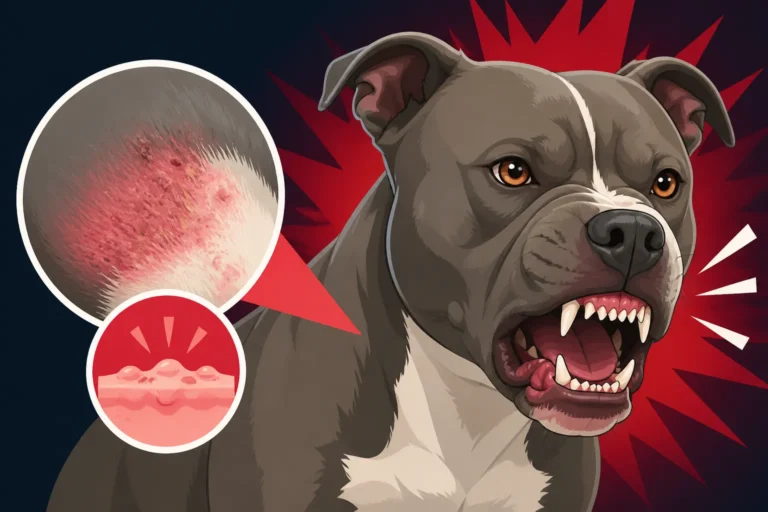
Pain from injury or illness is a critical, yet often overlooked, cause of growling. A dog in pain might growl when touched or moved, even by their most trusted human. They might also growl if they try to move in a way that exacerbates their pain. For example, a Pit Bull with developing Pit Bull Hip Dysplasia Showing at One to Two Years might growl if they're asked to jump or stand up quickly. Skin conditions, like those discussed in A Pit Bull Snapping During a Skin Flare, can also cause significant discomfort, leading to irritability and growling when touched. Even something as simple as dental pain, which our article What a Pit Bull's Breath Says About Its Teeth touches upon, can make a normally gentle dog snappish and prone to growling when their mouth area is handled. Always rule out medical issues if growling suddenly appears or changes in nature.
Frustration with restraint is another common one. If your Pit Bull is crated and sees you preparing for a walk, they might growl out of frustration that they can't get out immediately. Or, as mentioned before, being held back on a leash when they want to investigate something can lead to an agitated, frustrated growl.
Responding Constructively to a Pit Bull Growl
The moment you hear a growl, your reaction sets the stage for how your Pit Bull will communicate with you in the future. A constructive response validates their communication and helps them learn a better way to cope, while a punitive response only suppresses the warning system.
Do Not Punish the Growl
This is perhaps the most critical piece of advice: never punish your Pit Bull for growling. Punishment, whether it's scolding, a physical correction, or even isolation, might stop the growl in that immediate moment, but it does not address the underlying emotion. What it does teach your dog is that vocalizing their discomfort is unsafe. Instead of learning to cope with the trigger, they learn that expressing their feelings verbally is met with a negative consequence.
The dangerous outcome of punishing a growl is that you create a "silent sufferer." A dog that has been punished for growling will often learn to skip this crucial warning sign and go straight to a snap or a bite when they feel overwhelmed or threatened. This is incredibly risky, as it removes your opportunity to intervene before an incident occurs. Our article Why Harsh Handling Backfires on a Pit Bull explains the long-term negative impacts of punitive methods on a dog's behavior and trust. Your Pit Bull needs to know that you are a safe haven, not another source of threat when they are feeling vulnerable.
De-escalation and Management Strategies
Once your Pit Bull growls, the immediate goal is de-escalation. First, create distance from the trigger. If they're growling at a person, calmly move them away. If it's a resource, gently remove the dog from the resource (or the resource from the dog, if safe to do so). Avoid making sudden movements or loud noises, as this can heighten their anxiety.
Once distance is established, identify and remove the trigger if possible. If the growl was about a bone, put the bone away. If it was about a child getting too close, ensure the child is moved to a safe distance.
Then, focus on positive reinforcement for calm behavior. Once your Pit Bull is calm and relaxed, reward them. This helps them associate calmness with positive outcomes. High-value treats are your best friend here; our article High-Value Treats That Hold a Pit Bull's Focus offers excellent suggestions. The goal is to change their emotional response to the trigger over time, from fear or anxiety to neutrality or even positive anticipation. This process is called counter-conditioning and desensitization.
Management tools are also essential. Baby gates can help create safe spaces and manage interactions between dogs or dogs and children. Crates, when properly introduced and seen as a positive den, can offer a safe retreat. Leashes are critical for managing your Pit Bull in public and preventing them from getting into situations where they might feel compelled to growl. For instance, if your Pit Bull is prone to growling at unfamiliar dogs on walks, using a well-fitting harness and a strong leash can help you manage their space and prevent confrontations.
When to Seek Professional Help
While understanding and managing growls yourself is a great start, there are times when professional help is absolutely necessary. If your Pit Bull's growling is persistent or increasing in frequency or intensity, if it's escalating to snapping or biting (even if air snaps), or if they are growling at family members, especially children, it's time to call in an expert. These are not issues to be taken lightly.
Look for a certified professional dog trainer or a veterinary behaviorist who specializes in positive reinforcement and force-free methods. Avoid trainers who advocate for harsh corrections, intimidation, or dominance-based techniques, as these can exacerbate fear and aggression in Pit Bulls. A good trainer will help you identify the root cause of the growling, create a safe and effective behavior modification plan, and teach you the skills to implement it consistently. Our article Finding a Trainer Experienced With Pit Bulls provides guidance on choosing the right professional. Organizations like BAXTER & Bella offer online resources and training programs that can be a fantastic starting point for understanding behavior and implementing positive training methods from home, often with virtual support from certified trainers.
Proactive Training for a Confident, Calm Pit Bull
The best way to manage growling is to prevent it by fostering a confident, secure, and well-trained Pit Bull. Proactive training focuses on building trust, teaching coping skills, and providing appropriate outlets for their energy and instincts.
Building Trust Through Consent-Based Handling
Many growls stem from a dog feeling trapped or uncomfortable during handling. Consent-based handling is a powerful approach that teaches your Pit Bull to "opt-in" to being touched or manipulated. Instead of forcing them, you teach them a signal that allows them to indicate whether they are comfortable proceeding. For example, when you reach to touch their paw for a nail trim, you observe their reaction. If they lean in, you proceed. If they pull away, you stop and try again later, or in a different way, pairing the action with positive reinforcement.
This approach builds immense trust and reduces stress. For uncomfortable procedures like nail trims, ear cleaning, or even brushing, you can use desensitization and counter-conditioning. This means gradually exposing them to the trigger (e.g., touching their ear briefly) while simultaneously providing high-value treats. Over time, they associate the touch with something positive, rather than something to be feared. Our article Teaching a Pit Bull to Tolerate Ear Cleaning offers detailed steps for this process.
Resource Guarding Prevention
Resource guarding can lead to growling and potentially more serious incidents. The good news is that it can often be prevented or managed with consistent training.
One effective technique is the "trade-up" game. If your Pit Bull has something they shouldn't, or a high-value item you need to take, offer them an even higher-value treat or toy in exchange. When they drop the guarded item to take the trade, praise them enthusiastically. This teaches them that giving up an item always results in something better, rather than a loss.
Teaching "drop it" and "leave it" commands is also crucial. Start in a low-distraction environment and gradually increase the challenge. Use treats to reward successful execution.
It's also important to ensure dogs have separate, undisturbed spaces for eating and enjoying their chews. If you have multiple dogs, feed them in different rooms or secure crates to eliminate competition and reduce guarding tendencies. When offering special chews, give them to dogs in their separate spaces to avoid any potential conflict. Using durable, engaging chew toys available on Amazon can help occupy them individually, reducing the chances of guarding issues over shared items.
Socialization and Exposure
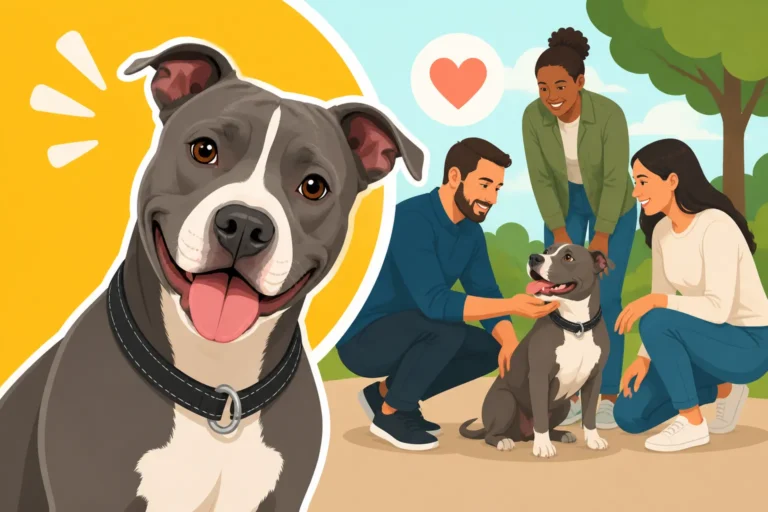
Ongoing, positive socialization and exposure are vital for raising a confident Pit Bull who is less likely to resort to growling out of fear or uncertainty. This isn't just for puppies; adult dogs benefit from continued, thoughtful exposure throughout their lives. Our guide The Sounds and People a Pit Bull Puppy Needs highlights the importance of early positive experiences.
Focus on quality over quantity. It's better to have a few calm, positive interactions than many overwhelming or negative ones. Introduce your Pit Bull to new people, places, and sounds in a controlled, positive manner. Pair these new experiences with treats and praise. If your dog seems uncomfortable, increase the distance or shorten the exposure. The goal is to create positive associations, not to flood them.
Consider enrolling in structured obedience classes. These provide a controlled environment for your Pit Bull to learn manners around other dogs and people, and they teach you valuable handling skills. Many reputable online platforms, like BAXTER & Bella, offer comprehensive courses that can guide you through everything from basic obedience to more advanced social skills, helping you build a confident companion. These classes also help solidify your bond and ensure your Pit Bull is well-versed in commands that can help you manage potentially growl-inducing situations. A well-trained Pit Bull, grounded in positive reinforcement, is a more confident dog, and a confident dog is less likely to feel the need to growl out of fear or insecurity.
Table: Play Growl vs. Warning Growl
Understanding the subtle differences in your Pit Bull's vocalizations and body language is key to responding appropriately. This table outlines the main distinctions between a play growl and a warning growl.
| Feature | Play Growl | Warning Growl |
|---|---|---|
| Context | During active play, wrestling, tug-of-war. | Approaching resources, perceived threat, discomfort/pain. |
| Body Language | Loose, bouncy, wiggly, play-bows, open mouth, relaxed ears, wagging tail (often whole body). | Stiff, rigid, frozen posture, raised hackles, hard stare, wide eyes (whale eye), lip curl, tucked or stiff tail. |
| Sound | Higher pitched, breathy, almost whiny. | Lower pitched, guttural, deep rumble, often sustained. |
| Intensity | Generally less intense, part of the game. | Intense, serious, communicates a boundary or threat. |
| Desired Outcome | Continuation of play, engagement. | Stop interaction, increase distance, relief from discomfort. |
| Safe Response | Continue play if appropriate. | Stop interaction, identify trigger, create distance. |
Disclaimer
This article is for general informational purposes only and does not constitute professional advice. Laws, prices and regulations vary by location and change over time. Consult a qualified professional for guidance on your specific situation.