Yard Plants That Poison a Pit Bull
It’s a heart-stopping moment for any dog owner: you look out into your yard, and your beloved Pit Bull is gnawing on a plant, or worse, has just swallowed a mouthful of something you don't recognize. The fear sets in quickly because, let's face it, our strong, curious Pit Bulls love to explore with their mouths, and many common garden and yard plants can be surprisingly toxic to them. This guide is here to walk you through identifying common poisonous plants, understanding the symptoms to look out for, and knowing exactly what to do if your Pit Bull accidentally ingests something harmful, helping you create a safer outdoor space for your furry family member.
Understanding the Danger: Why Certain Plants Are Toxic to Pit Bulls
Our dogs are naturally curious creatures, and for a Pit Bull, that curiosity often involves a powerful nose and an even more powerful set of jaws. While most wild animals instinctively know what to avoid, our domesticated companions, particularly puppies or young adults, might not have the same discernment. They might chew on plants out of boredom, play, or even a nutritional deficiency, and unfortunately, many plants contain compounds that are not only irritating but genuinely dangerous to their systems.
The Difference Between Mild Irritation and Severe Poisoning
It's important to understand that not all plant ingestions are created equal. Some plants might cause nothing more than a mild stomach upset – a little vomiting or diarrhea that passes quickly. Think of it like us eating something slightly off; we feel crummy for a bit, then it's over. For a Pit Bull, chewing on a thorny rose bush might result in some mouth irritation, but likely nothing systemic. However, other plants contain potent toxins that can affect major organ systems, including the heart, kidneys, and nervous system, leading to severe illness, organ damage, or even death if not treated promptly. The severity depends on the plant species, the amount ingested, and the individual sensitivity of your Pit Bull. A small nibble of a highly toxic plant can be far more dangerous than a large mouthful of a mildly irritating one.
How Pit Bulls Interact with Their Environment and Why They Eat Things
Pit Bulls are naturally active and robust dogs. They love to play, dig, and often, investigate their surroundings with their mouths. A Pit Bull puppy, much like a human toddler, explores the world by putting things in its mouth. An older Pit Bull might chew on plants due to boredom if not properly exercised or stimulated. If your dog isn't getting enough mental enrichment or physical activity, digging at plants or chewing on leaves can become an outlet for pent-up energy. Sometimes, dogs might even eat plants if they have an upset stomach, an old wives' tale suggests it helps them vomit, but this isn't always the case and can lead to ingesting something far worse. Furthermore, some Pit Bulls might develop compulsive chewing habits if they are stressed or anxious. For instance, a dog with Pit Bull separation anxiety might chew on anything within reach when left alone, including toxic plants in the yard. Understanding why your Pit Bull is munching on plants can be a crucial step in preventing future issues.
Common Yard Plants That Pose a Risk to Your Pit Bull
Your beautiful garden, brimming with colorful blooms and lush foliage, might inadvertently harbor hidden dangers for your curious Pit Bull. It's not about tearing out every single plant, but about being aware and making informed choices to keep your companion safe. Many common landscaping choices that are harmless to humans can be highly toxic to dogs.
Flowering Plants with Hidden Dangers
Many popular flowering plants, prized for their beauty, are surprisingly dangerous.
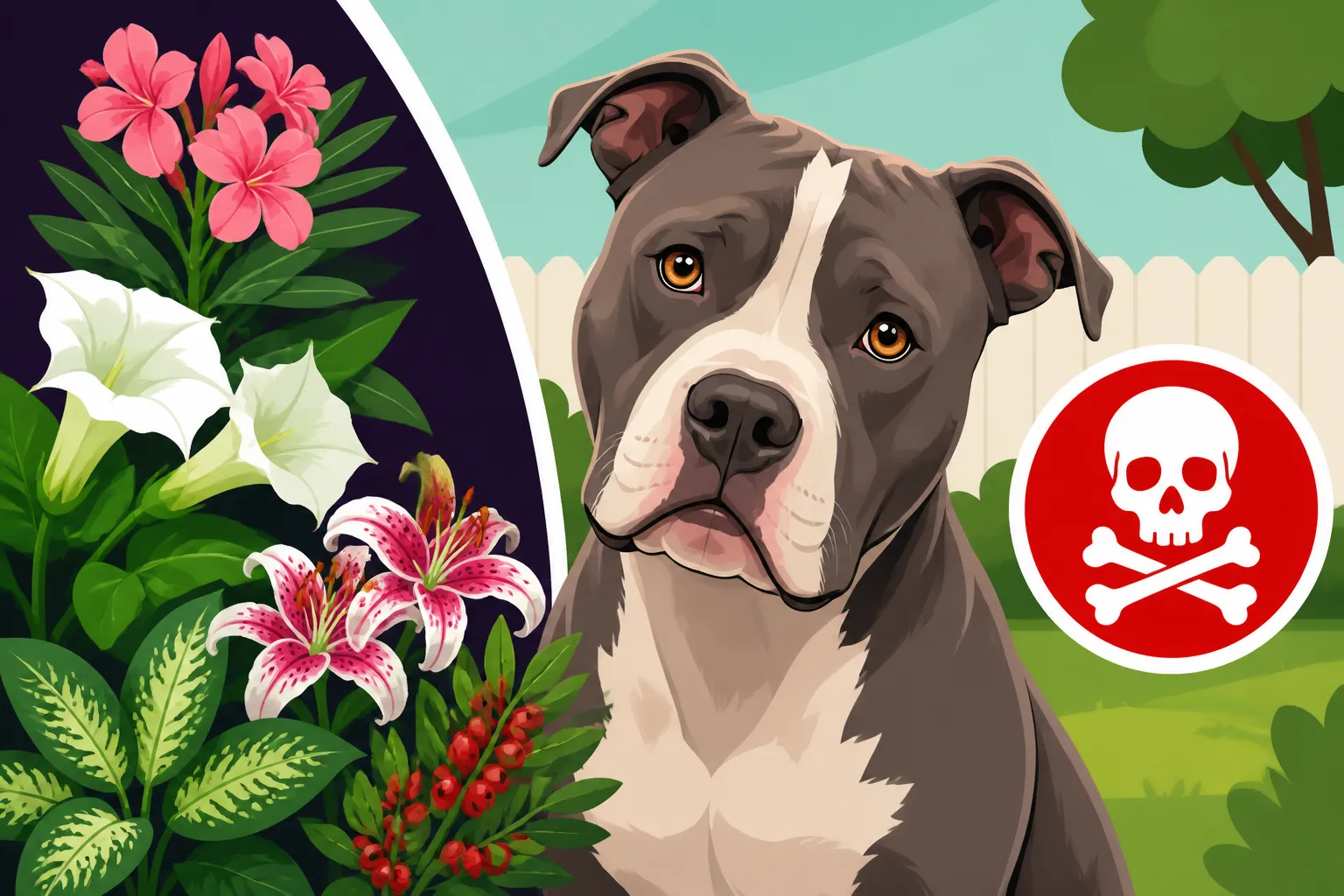
- Lilies: While more commonly known for their extreme toxicity to cats, certain lilies (like Peace Lily, Calla Lily, and Easter Lily) can cause significant irritation in dogs. The calcium oxalate crystals in these plants can cause intense burning and irritation of the mouth, tongue, pharynx, and esophagus, leading to drooling, vomiting, and difficulty swallowing. True lilies (e.g., Tiger, Asiatic, Stargazer, Easter, Japanese Show) are more dangerous, causing kidney failure in cats, but can cause GI upset in dogs.
- Azaleas and Rhododendrons: These beautiful flowering shrubs are incredibly toxic. Even a few leaves can cause severe symptoms including vomiting, diarrhea, weakness, difficulty breathing, central nervous system depression, and even cardiovascular collapse. The grayanotoxins they contain directly affect the heart.
- Autumn Crocus: This plant is extremely toxic, containing colchicine, which can cause severe gastrointestinal upset, liver and kidney damage, bone marrow suppression, and even death. It’s important not to confuse it with the Spring Crocus, which is less toxic but still can cause mild GI upset.
- Foxglove: Containing cardiac glycosides, foxglove can interfere with your Pit Bull's heart function, leading to cardiac arrhythmias, weakness, collapse, and potentially death. Every part of this plant is poisonous.
- Oleander: Another plant containing cardiac glycosides, oleander is highly toxic, and even a small amount can cause severe heart problems, gastrointestinal upset, and death. It's often found in warmer climates and can be used as a hedge.
- Hydrangeas: While often grown for their large, showy blooms, hydrangeas contain cyanogenic glycosides, which can release cyanide when chewed. Symptoms typically include vomiting, diarrhea, and abdominal pain.
- Sago Palm: This popular ornamental plant, often used in landscaping, is extremely toxic, especially the seeds or "nuts." Ingestion can cause severe liver damage, vomiting, diarrhea, bruising, increased thirst, and even death. It's one of the most dangerous plants for dogs.
Shrubs and Trees That Can Cause Trouble
It's not just the pretty flowers you need to worry about; some larger, more established plants in your yard can also pose a threat.
- Yew: All parts of the yew tree, especially the seeds and leaves, are highly toxic due to taxines, which are cardiotoxic alkaloids. Ingestion can cause sudden death due to cardiac failure, often with no preceding symptoms.
- Cherries (Wild and Ornamental): The leaves, stems, and seeds (pits) of cherry trees contain cyanogenic glycosides. When these parts are ingested and metabolized, they release cyanide, which can be deadly. Symptoms include brick-red mucous membranes, dilated pupils, difficulty breathing, and shock. If your Pit Bull likes to chew on sticks, be extra careful around cherry trees.
- Oak Trees: While the mature leaves and acorns are generally less problematic, young oak leaves and acorns can contain tannins that are toxic to dogs, causing gastrointestinal upset, kidney damage, and liver damage, especially if consumed in large quantities.
- Black Walnut: The nuts and husks of black walnuts can produce a mold that contains tremorgenic mycotoxins, which can cause seizures and neurological symptoms. The wood itself can also cause toxic reactions if ingested or if a dog lies on molding wood chips.
- Rhubarb: While the stalks are edible for humans, the leaves of rhubarb contain oxalic acid, which can cause kidney damage, tremors, and excessive drooling if ingested by dogs.
- Castor Bean: This plant is extremely poisonous due to ricin. Even a very small amount of ingested seeds can be fatal, causing severe abdominal pain, vomiting, diarrhea, weakness, tremors, seizures, and liver/kidney damage.
Bulbs, Roots, and Ground Cover: The Sneaky Culprits
Sometimes, the danger isn't obvious. Many toxic plants start from bulbs or spread as ground cover, making them easy for a curious Pit Bull to dig up and investigate.
- Tulips and Hyacinths: The bulbs of these popular spring flowers are the most concentrated source of toxins (tulipalin and related glycosides). If your Pit Bull digs them up and chews on them, it can cause severe gastrointestinal irritation, vomiting, diarrhea, and drooling. In rare cases, heart problems and breathing difficulties can occur.
- Daffodils (Narcissus): Like tulips, the bulbs are the most dangerous part, containing lycorine and other alkaloids. Ingestion can cause severe vomiting, diarrhea, abdominal pain, and cardiac arrhythmias or respiratory depression in severe cases.
- Iris: While generally causing only mild to moderate gastrointestinal upset if the rhizomes (roots) are ingested, symptoms can include vomiting, bloody diarrhea, and lethargy.
- English Ivy: Often used as ground cover or for climbing, English Ivy contains triterpenoid saponins. Ingestion can cause gastrointestinal upset (vomiting, abdominal pain, diarrhea) and skin irritation from contact.
- Periwinkle: This common ground cover contains vinca alkaloids, which can cause severe gastrointestinal upset, tremors, seizures, and even bone marrow suppression in significant ingestions.
- Milkweed: While vital for monarch butterflies, milkweed contains cardiac glycosides that can be toxic to dogs, causing weakness, incoordination, difficulty breathing, and potentially heart failure.
This is by no means an exhaustive list, but it covers many of the common culprits found in residential yards. If you're ever unsure about a plant, it's always best to err on the side of caution and either remove it or make it inaccessible to your Pit Bull. Online resources and even apps can help you identify plants. For example, Chewy or Amazon might offer books on pet-safe gardening, or you can use plant identification apps on your phone.
| Plant Name | Toxic Part(s) | Common Symptoms | Severity |
|---|---|---|---|
| Azalea/Rhododendron | All parts | Vomiting, diarrhea, weakness, heart failure | High |
| Autumn Crocus | All parts, especially bulb | Vomiting, diarrhea, liver/kidney damage, bone marrow suppression | High |
| Daffodil | Bulb (most concentrated) | Vomiting, diarrhea, abdominal pain, cardiac issues | Moderate-High |
| Foxglove | All parts | Cardiac arrhythmias, weakness, collapse, death | High |
| Hydrangea | Flower buds, leaves | Vomiting, diarrhea, abdominal pain | Moderate |
| Oleander | All parts | Cardiac arrhythmias, GI upset, death | Extreme |
| Sago Palm | All parts, especially seeds | Liver failure, vomiting, diarrhea, neurological signs | Extreme |
| Tulip | Bulb (most concentrated) | Vomiting, diarrhea, drooling | Moderate |
| Yew | All parts, especially seeds | Sudden death (cardiac), tremors, difficulty breathing | Extreme |
| Rhubarb | Leaves | Kidney damage, tremors, drooling | Moderate-High |
| Cherry (Wild/Ornamental) | Leaves, stems, pits | Difficulty breathing, shock, bright red gums | High |
| Oak (young) | Leaves, acorns | GI upset, kidney/liver damage | Moderate |
Recognizing the Signs of Plant Poisoning in Your Pit Bull
When your Pit Bull has ingested a toxic plant, knowing what to look for is critical. Symptoms can vary widely depending on the plant, the amount consumed, and your dog's individual sensitivity, but they often fall into a few general categories. Early recognition can make a significant difference in the outcome. Remember, if you suspect plant poisoning, time is of the essence.
Gastrointestinal Distress: The Most Common Symptoms
This is often the first and most noticeable sign of plant poisoning. Many plant toxins directly irritate the digestive tract.
- Vomiting: This is a very common reaction as the body tries to expel the toxin. It might be immediate or delayed, and could contain plant material. If your Pit Bull is throwing up repeatedly or violently, it's a serious red flag. For more information on general appetite issues, check out A Pit Bull That Refuses Food for a Day.
- Diarrhea: Ranging from soft stools to watery or even bloody diarrhea, this indicates irritation or damage to the intestinal lining. Severe diarrhea can lead to dehydration.
- Abdominal Pain: You might notice your Pit Bull hunched over, guarding its belly, or reluctant to be touched around the abdomen. They might pace restlessly or seem generally uncomfortable.
- Excessive Drooling: Also known as ptyalism, this can occur from oral irritation or nausea, signaling that something the dog ate is causing discomfort in its mouth or stomach.
- Loss of Appetite: Your Pit Bull might turn away from food, which is unusual for a breed known for its robust appetite. This can accompany nausea or general malaise.
- Lethargy and Weakness: Even with mild GI upset, a dog might seem unusually tired, listless, and unwilling to play or engage.
Neurological and Cardiac Signs: More Severe Reactions
These symptoms indicate a more serious level of toxicity, where the plant's compounds are affecting the nervous system or heart. These require immediate veterinary attention.
- Tremors or Seizures: Some toxins can disrupt the nervous system, leading to involuntary muscle contractions, tremors, or full-blown seizures. This is often seen with sago palm or autumn crocus ingestion.
- Lack of Coordination (Ataxia): Your Pit Bull might stumble, sway, or have difficulty walking in a straight line, indicating neurological impairment.
- Disorientation: They might seem confused, stare blankly, or struggle to recognize familiar people or surroundings.
- Weakness or Collapse: A sudden inability to stand or sustain weight, often a sign of severe systemic toxicity affecting multiple organ systems or causing extreme dehydration.
- Heart Rate Changes: The heart might beat too fast, too slow, or irregularly (arrhythmias). This is particularly dangerous and can be caused by plants like foxglove, oleander, or yew. You might notice your Pit Bull panting excessively even at rest, or their gums might appear pale or bluish.
- Difficulty Breathing: Shortness of breath, labored breathing, or excessive panting can indicate lung issues or a severe systemic reaction impacting cardiovascular function.
Skin and Oral Irritation: Direct Contact Issues
Sometimes, the problem isn't ingestion but direct contact with a plant, especially if your Pit Bull rolls in it or gets sap on their skin.
- Redness, Swelling, or Blisters: Certain plants, like some ivies or even garden variety chrysanthemums, can cause contact dermatitis if your Pit Bull brushes against them or rolls in them. You might see redness, hives, or swelling on the skin. This can be confused with Pit Bull Skin Allergies and the Atopy Pattern.
- Intense Itching or Chewing at Skin: If the contact causes irritation, your Pit Bull might excessively lick, chew, or scratch at the affected area. This is a common symptom seen with many skin irritants, including some plants.
- Oral Pain or Swelling: If a plant like a Dieffenbachia (dumb cane) is chewed, the calcium oxalate crystals can cause intense burning and swelling of the mouth, tongue, and throat, leading to drooling, pawing at the mouth, and difficulty swallowing.
If you observe any of these symptoms after your Pit Bull has been in the yard, especially if you know or suspect they've been chewing on plants, consider it an emergency.
What to Do If Your Pit Bull Eats a Toxic Plant
Discovering your Pit Bull has eaten a potentially poisonous plant is undoubtedly a frightening experience. Your immediate actions can be crucial in managing the situation and improving your dog's outcome. Stay calm, act quickly, and always prioritize contacting a professional.
Immediate First Steps at Home
Before anything else, it's vital to gather information.
- Remove Your Pit Bull from the Plant: Immediately separate your dog from the plant material to prevent further ingestion. Check their mouth for any remaining pieces and carefully remove them.
- Identify the Plant: This is perhaps the most critical step. If possible, take a photo of the plant, including leaves, flowers, berries, or any other distinguishing features. If you can safely collect a sample (without touching it yourself if it's irritating), do so. Knowing the exact plant species will allow your veterinarian or a pet poison control center to determine the specific toxins involved and guide appropriate treatment.
- Do NOT Induce Vomiting Without Instruction: This is a common mistake. While inducing vomiting can be helpful in some cases, it can also be incredibly dangerous. Some toxins can cause more harm coming back up, like corrosive substances, or pose an aspiration risk. Also, if your Pit Bull is already showing neurological signs, inducing vomiting could lead to aspiration pneumonia. Always consult a veterinarian or pet poison control center first. They will advise you on whether inducing vomiting is appropriate and, if so, the safest method.
- Gather Information About Your Pit Bull: Note down your Pit Bull's approximate weight, age, any existing health conditions, and current medications. Also, estimate how much of the plant they might have eaten and when the ingestion occurred.
- Contact a Professional:
- Your Veterinarian: Call your vet immediately. Describe what happened, the plant involved, and any symptoms you are observing. They may advise you to come in right away.
- Pet Poison Helpline or ASPCA Animal Poison Control Center: These services have vast databases of toxic plants and can provide expert advice. There is typically a fee for their services, but they are invaluable resources. They can guide your vet through treatment protocols if necessary.
While waiting for professional advice, keep your Pit Bull calm and monitor them closely for any changes in their condition. Do not offer food or water unless instructed to do so.
When to Seek Veterinary Help Urgently
In many cases, a trip to the vet will be necessary. Don't delay if you observe any of these signs or if advised by a professional.
- Any Severe Symptoms: If your Pit Bull is showing neurological signs (seizures, tremors, disorientation, severe weakness), cardiac issues (changes in heart rate, collapse), severe gastrointestinal upset (persistent vomiting, bloody diarrhea, extreme abdominal pain), or difficulty breathing, this is an emergency. Get to the nearest emergency veterinary clinic immediately.
- Ingestion of Highly Toxic Plants: If you know your Pit Bull ingested a plant known to be extremely toxic (like Sago Palm, Oleander, Yew, Autumn Crocus), don't wait for symptoms to appear. The quicker intervention occurs, the better the prognosis.
- Unknown Plant with Developing Symptoms: If you can't identify the plant but your Pit Bull is starting to show any concerning symptoms, it's best to seek veterinary care to be safe.
- Professional Advice: If your veterinarian or a pet poison control center instructs you to bring your dog in, do so without hesitation. They might recommend specific treatments like activated charcoal (to absorb toxins), IV fluids (for dehydration), or medications to manage symptoms. The cost of such emergency care can be considerable, so it's one of The Pit Bull Costs Owners Never See Coming that every owner should be aware of.
When heading to the vet, bring any plant samples or photos you have. This greatly assists the veterinary team in diagnosis and treatment.
Preventing Future Incidents: Creating a Safe Yard
The best defense against plant poisoning is prevention. Creating a safe outdoor environment for your Pit Bull is an ongoing process, but it's well worth the effort for your peace of mind.
- Audit Your Yard: Walk through your yard and identify all existing plants. Use a reliable plant identification app or guide. Cross-reference them with a comprehensive list of plants toxic to dogs (such as those provided by the ASPCA or Pet Poison Helpline). Ollie, for instance, often shares articles on pet safety that might include plant lists on their blog.
- Remove or Restrict Access to Toxic Plants:
- Full Removal: For highly toxic plants, especially those that are difficult to fence off, complete removal is the safest option.
- Fencing/Barriers: For larger shrubs or trees you can't remove, consider erecting physical barriers like decorative fences or dense planting of non-toxic shrubs around them to prevent your Pit Bull from reaching them.
- Raised Beds/Containers: Plant toxic ornamentals in raised beds or heavy containers that your Pit Bull cannot access or knock over.
- Choose Pet-Safe Alternatives: When purchasing new plants for your garden, opt for varieties known to be non-toxic to dogs. Many nurseries now label plants as "pet-friendly." Some safe options include:
- Sunflowers
- Petunias
- Rose bushes (though thorns can be an issue)
- Snapdragons
- Herbs like basil, rosemary, and thyme
- Certain ferns (e.g., Boston Fern, Kimberly Queen Fern)
- Supervise Your Pit Bull: Especially with puppies or newly adopted dogs, supervise them closely when they are in the yard. Teach them a solid "leave it" command, which can be invaluable. This is part of the Training a Pit Bull to a Higher Standard Than Other Dogs that every owner should aim for.
- Provide Enrichment: A bored Pit Bull is more likely to engage in destructive chewing, including on plants. Ensure your dog gets plenty of physical exercise, mental stimulation, and appropriate chew toys. Items purchased from Chewy or Amazon can provide excellent enrichment, from sturdy kong toys to puzzle feeders.
- Secure Compost Piles and Fertilizers: Compost can contain mold and decaying matter that are highly toxic. Fertilizers and pesticides used in gardening can also be dangerous if ingested. Always store these securely and fence off compost areas.
- Maintain a Healthy Diet: Ensure your Pit Bull is on a balanced, high-quality diet appropriate for their age and activity level. While eating grass or plants isn't always about hunger, ensuring their nutritional needs are met can reduce the likelihood of them seeking out other substances.
By taking proactive steps, you can transform your yard into a safe haven where your Pit Bull can explore and play without the risk of accidental poisoning. Your vigilance and careful planning are key to their long-term health and well-being.
Disclaimer
This article is for general informational purposes only and does not constitute professional advice. Laws, prices and regulations vary by location and change over time. Consult a qualified professional for guidance on your specific situation.