Training a Pit Bull to a Higher Standard Than Other Dogs
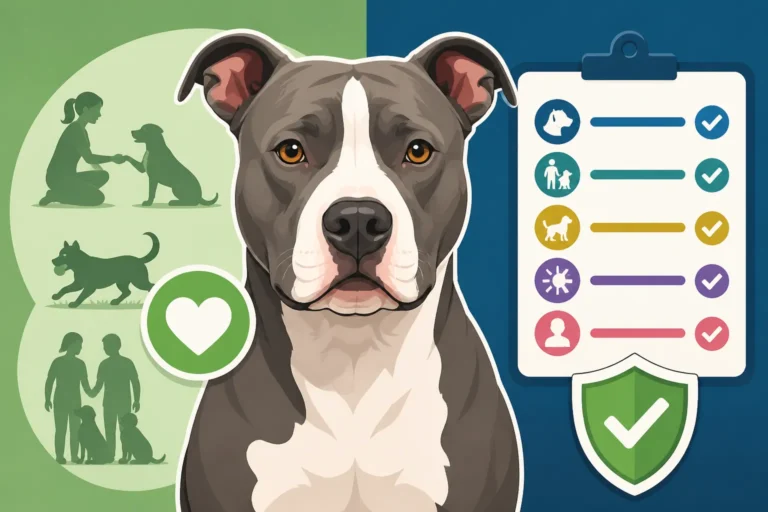
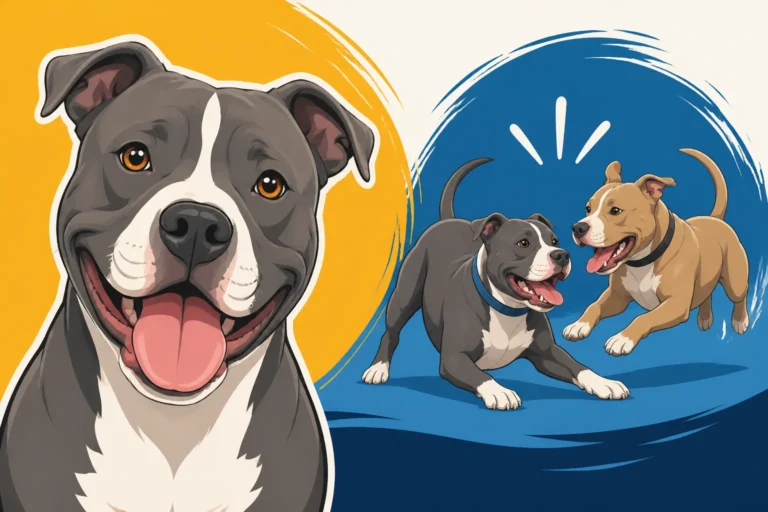
It’s a truth many of us Pit Bull owners live with every single day: our dogs are often held to a different standard. We feel an unspoken pressure, sometimes outright stated, to ensure our beloved companions are not just well-behaved, but impeccably behaved – often more so than any other dog on the block. This guide is here to walk you through why that pressure exists, the unique challenges it presents, and how to embrace this challenge by training your Pit Bull to truly shine as a confident, reliable, and well-adjusted member of society.
The Unique Challenges of Training a Pit Bull
Owning a Pit Bull type dog is a deeply rewarding experience, filled with boundless affection and loyalty. However, it also comes with a distinct set of hurdles that other dog owners rarely face. Understanding these challenges is the first step toward effective and empathetic training.
Public Perception and the Need for Impeccable Manners
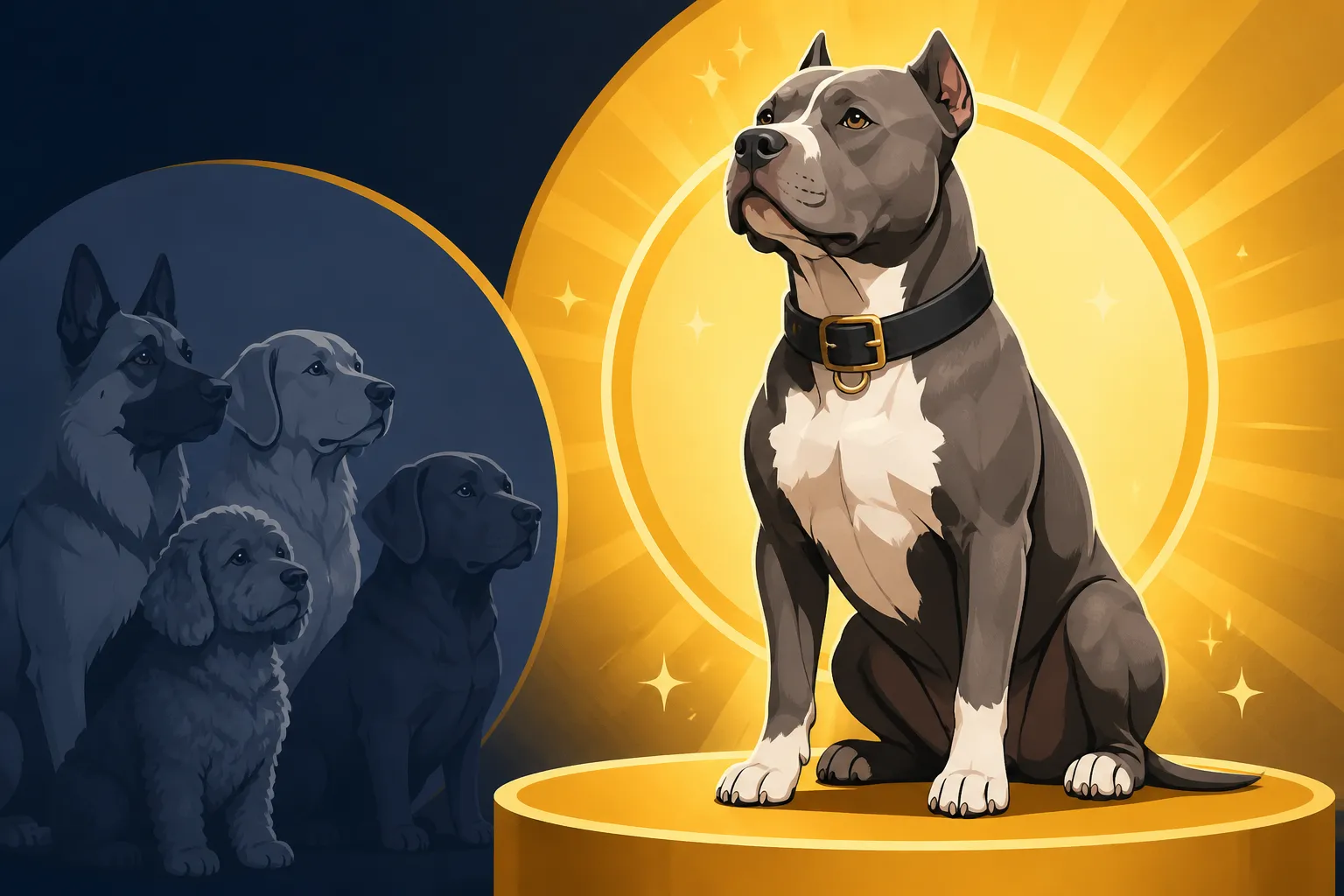
Let's be honest, people often react to a Pit Bull before they even have a chance to show their true colors. This isn't fair, and it's certainly not based on individual temperament, but it is the reality we live in as Pit Bull owners. We often feel like our dogs are constantly under a microscope, judged by a different, stricter set of rules than, say, a Golden Retriever or a Labrador. It's exhausting, and it’s a burden many of us carry silently.
Every single interaction your Pit Bull has in public, whether it's a calm walk past a schoolyard or a polite greeting with a stranger, contributes to (or fights against) deeply ingrained, often negative, stereotypes. This means that a minor lapse in manners that might be overlooked in another breed – a little jump, an excited bark – can instantly become a major incident for a Pit Bull, reinforcing those unfair perceptions. The stakes feel incredibly high, all the time.
It's truly frustrating, isn't it? You see other dogs jumping on people, barking excessively, or dragging their owners down the street, and while it might be annoying, it rarely sparks the same level of fear or outcry. For us, even a playful jump can be misinterpreted as aggression, forcing us to constantly be on guard and ensure our dogs are always on their best behavior, almost like canine ambassadors. This often means that Why a Pit Bull Is Judged by a Stricter Standard is something we grapple with every day, impacting our training choices.
Physicality and Natural Drive
Let's be real: Pit Bulls are powerful dogs. When they decide they want to go somewhere, or pull towards something interesting, their sheer physical strength can be formidable. This isn't about aggression; it's about muscle mass and determination, a drive that can make managing them on a leash a full-body workout. Training for good leash manners isn't just about politeness; it's about control and safety for both you and your dog.
Many Pit Bulls possess a fantastic amount of energy and a strong drive to work or play. This energy, if not channeled properly, can manifest as destructive chewing, excessive digging, or frantic behavior around the house. We need to acknowledge this powerful drive and provide appropriate outlets through consistent training, engaging exercise, and plenty of mental enrichment activities to keep them happy, focused, and out of trouble. Ignoring this aspect is a recipe for frustration.
While not universal, many Pit Bulls have a notable prey drive. This means that squirrels darting across the path, a rabbit in the bushes, or even quick-moving children or bikes can capture their attention in an instant, making recall and impulse control absolutely vital. Understanding and managing this inherent drive is key to preventing situations where it could become an issue, ensuring everyone's safety.
Overcoming Breed-Specific Legislation and Stereotypes
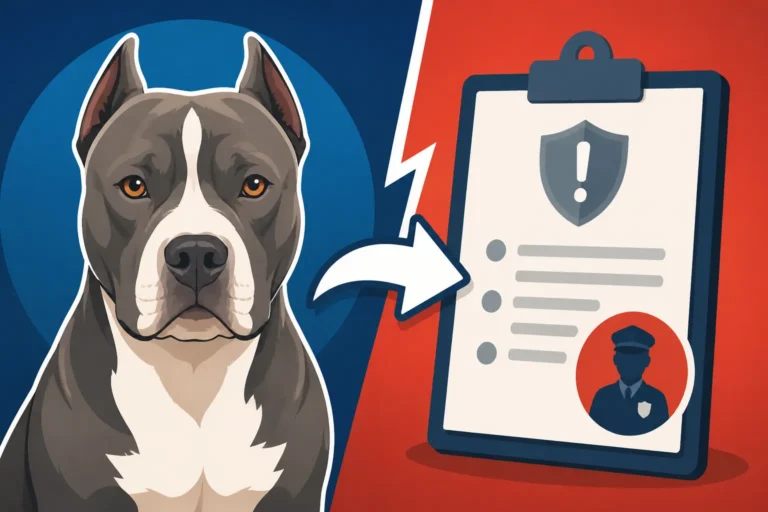
It's heartbreaking to hear about breed-specific legislation (BSL) in various communities that targets Pit Bulls, often leading to tragic outcomes for perfectly good dogs. Even if your specific town doesn't have outright bans, you might face significant challenges with housing, home insurance, or even just gaining access to local dog parks or pet-friendly establishments. This external pressure only intensifies the need for your dog to be a model citizen, demonstrating that the stereotypes are unfounded and baseless.
Every Pit Bull owner, whether they intend to or not, becomes an unwitting advocate for the breed. By demonstrating responsible ownership and having a well-trained, polite dog, you actively challenge the pervasive negative narrative that paints them as inherently dangerous. This isn't just about your dog's personal success; it's about changing hearts and minds, one positive interaction, one wagging tail, and one calm demeanor at a time. It’s a lot of responsibility.
This societal scrutiny means that your training goals extend far beyond basic obedience. Your Pit Bull needs to be rock-solid in its manners, reliable in every single situation, and able to perform under pressure, even when distracted or stressed. It's not just about passing a class; it's about proving their worth to a skeptical world, making programs like Canine Good Citizen and Why It Matters for a Pit Bull incredibly valuable tools in your advocacy.
Laying the Foundation: Early Socialization and Puppy Training
The journey to a well-adjusted Pit Bull begins in puppyhood. This critical period sets the stage for their future temperament and ability to cope with the world around them. Don’t underestimate the power of these early weeks and months.
Critical Socialization Windows
The period between approximately 3 and 16 weeks of age is absolutely vital for a Pit Bull puppy. This is when they form their most fundamental understanding of the world, learning what is safe, what is normal, and how to react to new things. Exposing them to a wide variety of sights, sounds, smells, people, and appropriate, positive dog interactions in a controlled way is paramount. Think of it as building a robust emotional vocabulary for them, preparing them for life's many experiences.
It's not just about the quantity of exposure; it's about the quality. Every new experience should be a good one, or at least neutral. If your puppy is overwhelmed or frightened, it's crucial to back off, provide comfort, and try again with less intensity, or at a greater distance, making it a positive association. We want to build confidence and curiosity, not fear or anxiety. This means short, sweet, happy exposures to everything from vacuum cleaners to men with hats, to children giggling, and even walking on different surfaces like grass, concrete, or carpet.
A poorly socialized Pit Bull puppy can, unfortunately, grow into an adult who is fearful, anxious, reactive, or even aggressive towards novel stimuli. This is a common root cause of many behavioral issues that could have been prevented with early intervention. Dedicating time to Socializing a Pit Bull Puppy Thoroughly is not a luxury or an optional extra; it’s an essential investment in their mental well-being, their future happiness, and your peace of mind as an owner.
Starting With Basic Obedience Early
Why are simple commands like "sit" and "stay" more than just tricks? They are the absolute building blocks of clear communication with your Pit Bull. They establish a clear language, a routine, and a gentle hierarchy where you are the reliable and trustworthy guide. Starting these basic commands with your puppy as soon as they come home reinforces your role and gives your young dog a solid framework for understanding expectations. It also makes future, more complex training much easier.
Puppy attention spans are notoriously short, so it’s important to keep training sessions brief (5-10 minutes at a time), frequent (several times a day), and always, always end on a positive, successful note. Use high-value treats and enthusiastic praise to make it a fun game for them. Avoid repetition to the point of boredom; keep them engaged and eager to learn more, always leaving them wanting more.
Consistency is, without a doubt, the golden rule in puppy training. Everyone in the household needs to use the same commands, the same hand signals, and have the same expectations. If one person allows jumping and another doesn't, your Pit Bull will quickly become confused and frustrated. Establishing a consistent routine early on, from potty training to basic manners, will make everything smoother as they grow into those boisterous teenage months. Resources like BAXTER & Bella offer structured online puppy training programs that can be incredibly helpful in maintaining this vital consistency across all family members.
Building a Strong Reinforcement System
Pit Bulls, like most intelligent dogs, thrive on positive reinforcement – praise, tasty treats, engaging toys, and affectionate petting. This approach builds a strong, trusting bond between you and your dog and makes them enthusiastic learners who genuinely enjoy training. Harsh corrections, punishment, or intimidating techniques can severely damage that crucial trust and can even lead to fear-based aggression or a dog that shuts down completely. Focus intently on rewarding the behaviors you want to see repeated.
When you're working on new commands, the timing of your reward is absolutely crucial for your Pit Bull to understand what they've done correctly. The treat or praise needs to come immediately after the desired behavior, ideally within 1-2 seconds, so your dog clearly links their action to the reward. Any delay can cause confusion and slow down the learning process, so be swift and precise.
While treats are excellent for initial learning and motivation, the ultimate goal isn't for your Pit Bull to only obey when food is visible. Gradually, you'll want to phase out the physical lure, then the visible treat, moving towards intermittent rewards (where they don't get a treat every time, but they might get one occasionally for an outstanding effort) and eventually using praise or a quick game of tug alone for known commands. This builds reliability and ensures they respond because they understand and trust you, not just because they see a cookie in your hand.
Mastering Leash Manners and Impulse Control
Walking a strong, muscular Pit Bull on a leash requires more than just a collar and lead. It demands consistent training, the right tools, and an unwavering commitment to teaching polite public behavior.
Addressing the Pit Bull's Strength and Pulling Instinct
The struggle is incredibly real for many Pit Bull owners. We've all been there: your powerful Pit Bull suddenly spots a squirrel, a leaf blowing across the path, or another dog, and in an instant, you feel like you're water skiing down the sidewalk. Their natural strength and enthusiasm make leash pulling a significant challenge, not just for your arm and shoulder, but for their safety and, crucially, for public perception. A lunging, straining Pit Bull can look intimidating and out of control, even if it's just pure excitement.
Don't make the mistake of waiting until your Pit Bull is a fully grown, 60-pound powerhouse of solid muscle before addressing pulling behavior. Start teaching polite leash walking the very moment they come home as a puppy, even if it's just practicing in the living room or a quiet backyard. Every single pull allowed is a behavior that is inadvertently reinforced and becomes harder to undo later. Consistency from day one is your absolute best friend here.
A simple, yet incredibly effective technique for dealing with pulling is the "Be a Tree" method. The instant your dog pulls ahead and the leash becomes taut, you stop completely and stand still, like an immovable tree. Only when the leash goes slack again, even for a second, do you move forward. This teaches them, very clearly, that pulling gets them nowhere, while a loose leash allows progress. Combine this with rewarding your Pit Bull whenever they are walking politely at your side, even for short bursts.
Tools and Techniques for Effective Leash Walking
When it comes to equipment, forget about outdated tools like choke chains and prong collars; they can be detrimental to your Pit Bull's trust in you, can cause physical harm, and don't address the root cause of pulling. For a powerful dog, a front-clip harness or a head halter can be an absolute game-changer. These tools work by redirecting their pulling power or their head, making it physically difficult and uncomfortable for them to pull, all without causing pain or discomfort. This makes walks much more enjoyable and manageable for both of you. Many excellent options for these types of harnesses and halters can be found on Amazon.
It’s always best to start practicing loose-leash walking in a quiet, low-distraction environment, such as your backyard, a peaceful cul-de-sac, or a very calm street. Once your Pit Bull consistently walks nicely in these settings, you can gradually graduate to busier parks or trails with more distractions. This incremental approach prevents them from becoming overwhelmed, helps build their confidence, and sets them up for consistent success, rather than frustration.
Keep your Pit Bull actively engaged with you throughout your walks. Use verbal cues, treats for checking in, and changes of pace to keep them guessing and focused on your presence. If they're consistently looking to you for direction and rewards, they're much less likely to be scanning the environment for distractions to pull towards. This consistent focus is crucial for managing Pit Bull Leash Pulling at Fifty Pounds and channeling their powerful physique responsibly. For a deeper dive into suitable gear, explore Harnesses and Head Halters for a Pit Bull.
Teaching "Leave It" and "Watch Me" in High-Distraction Environments
The "Leave It" command is non-negotiable and perhaps one of the most indispensable commands you can teach your Pit Bull. Whether it's a discarded chicken bone on the sidewalk, a curious child approaching too quickly, another dog, or a tempting puddle of something unknown, "Leave It" can prevent serious problems, from ingestion of toxins to unwanted interactions. Start practicing with low-value items indoors and gradually increase the value of the item and the level of distraction.
The "Watch Me" command is equally powerful as it teaches your Pit Bull to make eye contact with you on cue, effectively breaking their focus on whatever distraction has captured their attention. This is incredibly useful for regaining control in a high-stimulus environment, diffusing potential issues before they escalate, and ensuring they are tuning into your guidance. It’s about building a solid connection that triumphs over external temptations.
Once these commands are solid in calm, controlled settings, you absolutely need to practice them in real-world scenarios. Take your Pit Bull to local parks, busy sidewalks, and places with other dogs, people, or wildlife, always starting at a distance where you know they can succeed, and gradually getting closer as they gain confidence. Always reward success enthusiastically, showing them that choosing to ignore distractions and focus on you is highly valuable and always leads to good things.
Navigating Dog Selectivity in Multi-Dog Households
One of the most misunderstood aspects of Pit Bull temperament is often their interaction with other dogs. It’s not always black and white, and requires careful understanding and management.
Understanding Dog Selectivity Versus Aggression
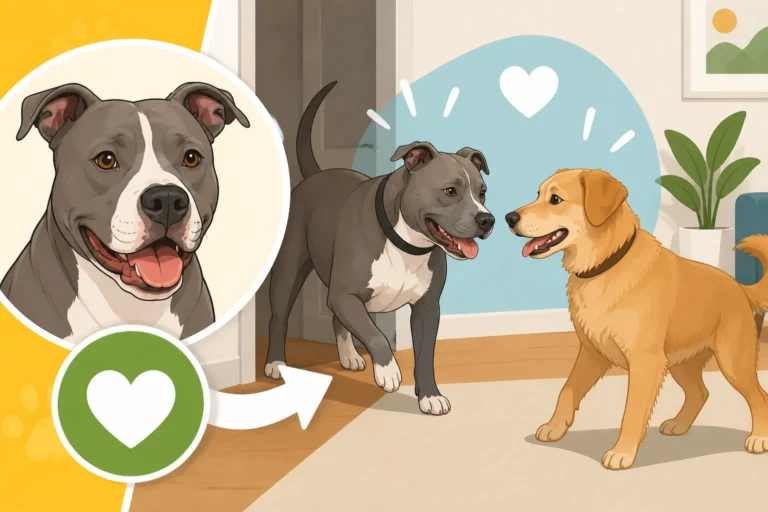
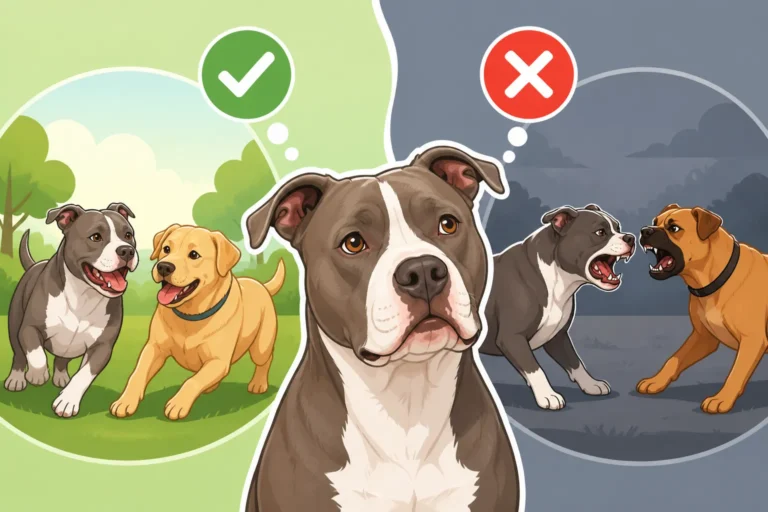
It's a common misconception, unfortunately perpetuated by media, that Pit Bulls are inherently "dog aggressive." While some individual dogs, regardless of breed, may exhibit true aggression, many Pit Bulls actually display what's better termed "dog selectivity" or "dog intolerance." This means they might be perfectly fine with some dogs, but not others, or they might tolerate dogs in certain contexts (like on a casual walk) but not others (like living together in the same household). It's not a blanket aggression; it's often a nuanced preference or a low tolerance for certain canine behaviors.
Recognizing the difference is key to appropriate management. Dog selectivity often stems from a lack of inherent interest in other dogs, a strong preference for human companionship, or a low tolerance for rude, pushy, or overly boisterous canine behavior. An truly aggressive dog might actively seek out conflict; a dog-selective dog often tries to avoid it, but will defend itself if pushed beyond its comfort zone. Understanding this distinction helps you manage interactions more effectively and realistically. This deep dive into canine behavior is vital for understanding What Dog Selectivity Means in a Pit Bull.
It's important for us as owners to manage our own expectations. It's perfectly okay to accept that your Pit Bull might not be a "dog park dog" who loves and wants to play with every single canine they meet. And that's genuinely okay! Forcing interactions with unsuitable or unknown playmates can lead to negative experiences, increase stress, and unintentionally reinforce those selective tendencies. The goal should always be safe, controlled interactions, not universal canine friendship.
Safe Introductions and Management Strategies
If you're introducing a new dog into your home with an existing Pit Bull, or vice versa, think glacially slow. Patience is your most important virtue here. Initial meetings should always be in a neutral territory, on leash, with both dogs calm and relaxed. Short, positive sessions, followed by separation (giving everyone a break), are absolutely key. Never rush the process or assume they'll just "work it out" on their own; that can lead to disastrous consequences.
For multi-dog households where dog selectivity is present, or during the sensitive introduction phase, a "crate and rotate" system can be an invaluable management tool. This means dogs are never left unsupervised together, and are rotated between secure crates, separate rooms, or yard time. It might sound like a lot of extra work, and it is, but it ensures the safety and reduces stress for all animals involved. It prevents opportunities for conflict and allows everyone to feel secure in their own space.
To prevent resource guarding, which can be a major trigger for conflict, provide ample resources for each dog. This means separate food bowls (fed in separate areas), multiple water stations throughout the house, enough comfortable beds for everyone, and individual toys that are put away when not in use. Ensure everyone has their own space and isn't feeling like they need to compete for necessities. You may need to seriously consider Whether a Pit Bull Can Live With Another Dog and plan your household dynamic accordingly.
Recognizing Body Language and Preventing Conflicts
Your Pit Bull is constantly communicating their emotional state, often through subtle body language signals. Learn to read their cues: a stiff posture, a direct, hard stare, "whale eye" (showing the whites of their eyes), lip licking, excessive yawning (in a non-sleepy context), or a raised hackle (the hair on their back standing up). These are all signals that they might be uncomfortable, stressed, or feeling threatened, and they need your intervention.
If you see even the slightest signs of tension between dogs, intervene before a fight breaks out. Calmly separate the dogs, redirect their attention with a verbal cue or a treat scatter, or remove one or both dogs from the situation entirely. Yelling or panicking can actually escalate the tension, so remain composed. Your role as the owner is to be the proactive manager, preventing situations from boiling over into a full-blown conflict.
The very best way to manage dog selectivity, or any potential dog-dog conflict, is to prevent conflicts from happening in the first place. This means carefully choosing suitable playmates for your Pit Bull, avoiding crowded off-leash dog parks if your dog isn't consistently dog-friendly with all types of dogs, and always, always supervising interactions. Your vigilance and proactive management are their safety net, and crucial for ensuring a peaceful home.
Advanced Training for Real-World Reliability
Once your Pit Bull has mastered basic obedience and is well-socialized, it’s time to move beyond the fundamentals to achieve true reliability in diverse, real-world situations.
The Value of Canine Good Citizen Certification
The AKC Canine Good Citizen (CGC) program is a fantastic standard designed to recognize and reward dogs who have impeccable manners at home and in the community. For Pit Bulls, earning a CGC isn't just a badge of honor; it's a powerful and tangible statement. It demonstrates to skeptics, landlords, and even insurance companies that your dog is well-behaved, stable, and a responsible member of society, directly countering negative stereotypes.
The CGC test covers ten practical, real-world skills. These include accepting a friendly stranger, sitting politely for petting, walking on a loose leash through a crowd, responding reliably to "come" when called, and reacting appropriately to common distractions without losing focus. These aren't flashy circus tricks; they're essential, everyday behaviors that every well-adjusted dog should know. Getting a Pit Bull Ready for the CGC can be a very rewarding process that strengthens your bond and your dog’s confidence.
Beyond boosting public perception, a CGC title can sometimes significantly help with housing restrictions, pet insurance policies, or even gaining access to certain public spaces where dogs might typically be prohibited or viewed with caution. It's a tangible credential that can ease some of the external pressures Pit Bull owners so often face, and it builds incredible confidence in both you and your dog, proving your dedication and training efforts have paid off.
Advanced Recall and Off-Leash Skills (with caveats)
A rock-solid recall, where your Pit Bull reliably comes back to you immediately regardless of distractions, is perhaps the most important safety command you can possibly teach. It's a true lifesaver, preventing them from running into traffic, approaching unfriendly dogs or strangers, or getting lost if they slip their leash. This command requires consistent, high-value reinforcement in every training environment, from your quiet living room to a bustling park.
While some Pit Bulls can achieve remarkable off-leash control, it's absolutely crucial to exercise extreme caution and responsibility. Many areas have strict leash laws, and given the heightened public scrutiny of Pit Bulls, an off-leash incident – even a seemingly harmless one like running up to another dog – can have severe, negative consequences. Only consider off-leash privileges in secure, legal, and appropriate environments, and always, always have that rock-solid recall as your absolute insurance policy.
Building a truly reliable recall starts in a fenced, low-distraction area with incredibly high-value rewards (think delicious, tiny pieces of cooked chicken or cheese). Use a long line (easily found on Amazon) to practice gradually increasing distance and distractions, ensuring you can always gently guide them back if they get too distracted or forget their training. Never punish a slow or failed recall; always make coming back to you the most rewarding choice they can possibly make. This takes dedication, as outlined in Recall Training a Pit Bull From Scratch.
Muzzle Training as a Responsible Measure
Muzzle training is not about having a "bad" dog; it's about being an incredibly responsible, proactive, and prepared owner. A properly fitted basket muzzle, which allows your Pit Bull to pant, drink water, and even take treats comfortably, provides an essential safety barrier for vet visits (especially if they're nervous), grooming appointments, emergency situations, or navigating areas with breed-specific legislation. It’s a tool for safety and management, not a punishment or a statement about their character.
Introduce the muzzle gradually and positively, always pairing it with high-value treats and enthusiastic praise. Start with just touching it to their nose, then putting treats inside for them to retrieve, slowly building up the duration they wear it. The goal is to make the muzzle a positive experience, akin to putting on a harness for a walk. Never force the muzzle on or use it as a punishment, as this will only create negative and fearful associations, making it counterproductive.
Having a muzzle-trained Pit Bull offers immense peace of mind. It means you're prepared for unexpected situations, and it very clearly demonstrates your commitment to safety and responsible ownership to others, which is invaluable given public perception. It’s an essential part of a comprehensive training approach for the breed, making Muzzle Training Every Pit Bull Should Have a critical skill. While some people might worry Whether a Muzzle Makes a Pit Bull Look Worse, the safety and well-being of your dog and community always come first.
Lifelong Learning and Addressing Behavioral Shifts
Training a Pit Bull isn't a destination; it's an ongoing journey. Just like us, dogs benefit from continuous learning and occasional tune-ups throughout their lives.
Continuing Education and Maintaining Skills
Just like people, dogs benefit immensely from continuous learning and mental stimulation. Even after your Pit Bull is seemingly well-trained and reliable, regular practice of commands and occasional new challenges keep their minds sharp, reinforce good habits, and strengthen your bond. This isn't about constantly fixing problems; it's about enrichment, preventing boredom, and ensuring their skills remain rock-solid.
Make training fun and engaging by incorporating games and introducing new skills! Try teaching fun tricks, explore canine sports like agility or scent work (which many Pit Bulls excel at due to their drive and intelligence), or enroll in advanced obedience classes. This variety prevents boredom, allows your Pit Bull to excel in different areas, and taps into their natural athleticism and problem-solving abilities. It makes learning a lifelong joy for both of you.
The "use it or lose it" principle absolutely applies to dog training. Skills that aren't regularly practiced, especially in varying environments and with different distractions, can gradually fade or become less reliable. Dedicate a few minutes each day to run through known commands, perhaps during walks or before meals. This ensures their reliability remains strong, particularly in those crucial moments when you need it most, like a fast recall at the park.
Identifying and Managing Behavioral Triggers
Sometimes, a perfectly well-behaved Pit Bull might suddenly start exhibiting undesirable behaviors out of the blue. It’s vital, and often challenging, to identify the underlying cause rather than just punishing the symptom. Is it pain from an injury, fear due to a new experience, a lack of sufficient exercise or mental stimulation, or perhaps environmental stress? Observe patterns and the context in which these new behaviors occur very closely.
There are many common triggers that can lead to behavioral shifts in dogs. These include significant environmental changes like moving house, the introduction of new pets or people into the home, a decline in physical activity, or even an underlying medical issue that causes discomfort or pain. For example, a dog suffering from Pit Bull Skin Allergies and the Atopy Pattern might become irritable, restless, or even "snappy" when itching intensely, leading to behaviors they wouldn't normally exhibit if comfortable. Always rule out medical causes first.
Once you identify the triggers for a new or problematic behavior, you can then proactively manage them. This might involve strategically avoiding certain situations, providing more structured exercise and mental enrichment, increasing positive training sessions, or seeking prompt veterinary attention for any suspected health issues. Understanding and addressing the root cause is far more effective and humane than just reacting to the behavior itself, which only treats symptoms.
Seeking Professional Guidance When Needed
You don't have to be a superhero or a lone wolf. If you're struggling with a particular behavior that feels beyond your skill set, or if your Pit Bull develops new or escalating issues (such as sudden reactivity or aggression), please do not hesitate to consult a professional. A certified professional dog trainer or, for more complex cases, a veterinary behaviorist can provide invaluable insight, a fresh perspective, and create a tailored plan to help you and your dog.
It's crucial to vet your trainer carefully, as not all trainers are created equal. Look for trainers who exclusively use positive reinforcement, are certified by reputable organizations (like the Certification Council for Professional Dog Trainers – CCPDT, or the Karen Pryor Academy – KPA), and have demonstrable experience with powerful breeds like Pit Bulls. Avoid anyone advocating harsh, aversive methods or promising quick fixes without understanding the root cause of the behavior. This is critical for Finding a Trainer Experienced With Pit Bulls who truly understands the breed.
A good professional will take a holistic approach, considering your Pit Bull's overall health, diet, home environment, temperament, and your relationship with them. They'll work collaboratively with you, not just your dog, empowering you with the knowledge, skills, and tools to continue successful training and management long after their sessions are complete, ensuring sustainable results.
The Emotional Toll on Pit Bull Owners
Beyond the practicalities of training, owning a Pit Bull comes with an often-unseen emotional cost. It's important to acknowledge and address this to be the best advocate for your dog.
The Burden of Constant Scrutiny
It's truly exhausting, isn't it? As Pit Bull owners, we often feel like we carry the weight of pervasive public perception on our shoulders every single day. Every walk down the street, every visit to the dog park, every interaction with a stranger feels like an audition. We constantly anticipate judgment, often feeling the subconscious need to apologize for our dog's mere existence, even when they are perfectly well-behaved and minding their own business. This emotional burden is very real and can be incredibly draining, leading to stress and anxiety for us.
Because of the deeply ingrained and unfair stereotypes surrounding the breed, we often feel compelled to ensure our Pit Bulls are more well-behaved, more polite, and more obedient than almost any other dog. This relentless striving for perfection, while commendable for our dogs' sake, can lead to immense stress and anxiety for us as owners, making us overly critical of small errors that would be completely ignored in another breed. It’s a standard no dog, or owner, should have to live up to.
Sometimes, this constant scrutiny and the pervasive discrimination mean making incredibly tough choices as owners – actively avoiding certain dog parks, choosing less convenient walking routes, or even feeling restricted in where we can live due to breed bans. These aren't small sacrifices; they highlight the immense dedication, love, and commitment Pit Bull owners have for their cherished companions, often at significant personal cost.
Finding Support and Building a Community
It’s easy to feel isolated when facing such specific and unique challenges as a Pit Bull owner. But here’s the wonderful truth: you are absolutely not alone. There's a vibrant, supportive, and understanding community of Pit Bull owners out there who understand exactly what you're going through, because they’re living it too. Seek out local breed-specific rescue groups, active online forums, or social media groups dedicated to Pit Bulls. These are safe spaces to share and connect.
Connecting with other experienced Pit Bull owners can provide a wealth of invaluable practical advice, much-needed emotional validation, and a profound sense of camaraderie. They've navigated the same landlord issues, overcome similar insurance hurdles, and endured the very same judgmental stares. Their shared experiences and insights, like those found in The Advice Experienced Pit Bull Owners Give, can be incredibly valuable for navigating your own journey and reminding you that you're part of a larger, supportive network.
Being an active part of a community empowers you in ways you might not expect. Together, you can advocate for responsible ownership, challenge discriminatory breed-specific legislation, and work collectively to change damaging public perception. There's immense strength in numbers, and knowing you're part of a larger movement dedicated to supporting these wonderful dogs can alleviate some of the individual burden and give you a powerful sense of purpose.
Celebrating Your Pit Bull's Successes
In the face of all the external pressures, the societal challenges, and the hard work of training, it's absolutely vital to pause and celebrate every single success your Pit Bull achieves, no matter how small it might seem. Did your dog calmly walk past a barking dog without reacting? Did they politely greet a new person with a loose body and soft tail wag? Did they finally master that new, challenging command? These are huge wins, and they deserve enthusiastic recognition and celebration.
Training a Pit Bull to a higher standard isn't just about societal acceptance or proving others wrong; at its heart, it's about forging an incredible bond of trust, understanding, and mutual respect between you and your dog. The dedication, patience, and love you pour into their training translate directly into a more confident, well-adjusted, and ultimately, a happier companion who truly trusts your guidance.
Reaping the rewards of your hard work, watching your Pit Bull thrive, confidently navigate the world, and systematically disprove unfair stereotypes is the ultimate reward for any dedicated owner. Their intelligence, unwavering loyalty, boundless affection, and incredible resilience are truly special qualities, and the consistent effort you invest in their training allows their true, wonderful, and unique personalities to shine through for everyone to see.
Training Tool Comparison for Pit Bulls
| Tool | Description | Pros for Pit Bulls | Cons for Pit Bulls |
|---|---|---|---|
| Flat Collar | A standard buckle or clip collar worn around the neck. | Good for holding ID tags; generally comfortable when loose. | Offers little control for a strong puller; can cause tracheal damage if dog pulls hard. |
| Front-Clip Harness | A harness with the leash attachment point on the dog's chest. | Redirects pulling power; prevents choking; great for teaching loose-leash walking without discomfort. | Some dogs may still pull; can sometimes restrict shoulder movement if not fitted properly. |
| Head Halter | Fits over the muzzle and behind the ears, giving control of the dog's head. | Excellent for strong pullers; gives immediate control; gentle guidance. | Can be initially resisted by some dogs; requires positive conditioning to accept; looks like a muzzle to some people. |
| Basket Muzzle | A wire or plastic cage-like muzzle that allows panting, drinking, and taking treats. | Prevents bites while allowing normal dog behaviors; crucial for emergencies or vet visits. | Can carry a stigma; requires careful positive conditioning to ensure acceptance and comfort. |
Disclaimer
This article is for general informational purposes only and does not constitute professional advice. Laws, prices and regulations vary by location and change over time. Consult a qualified professional for guidance on your specific situation.