Pit Bull Skin Allergies and the Atopy Pattern
Oh, the relentless itch. If you’re a Pit Bull owner, you know the drill: the constant scratching, the frantic licking, the ear flapping, and that worried look in their eyes. It’s absolutely heartbreaking to watch your otherwise happy, energetic Pit Bull suffer from skin allergies, and often, it feels like an endless battle with no clear answers. This guide is here to shed some light on the frustrating world of Pit Bull skin allergies, particularly the common and persistent pattern known as atopy, helping you understand the causes, get a proper diagnosis, and navigate the various treatment options to bring your furry friend some much-needed relief.
Understanding Pit Bull Skin Allergies: The Basics
It often feels like Pit Bulls have a target on their backs when it comes to skin issues, doesn't it? You’re not imagining things. While any dog can develop allergies, certain breeds, including our beloved Pit Bulls, do seem to have a genetic predisposition that makes them more susceptible. It’s a common frustration shared by countless Pit Bull parents who just want their dogs to stop itching and get some peace.
Why Pit Bulls Seem Prone to Skin Issues
From their strong, athletic build to their goofy grins, Pit Bulls are truly special. However, like many short-coated breeds, they can be genetically wired to be more sensitive to environmental allergens and have a less robust skin barrier compared to some other dogs. This isn't a fault of the breed, but rather a characteristic that makes their skin a bit more reactive and prone to inflammation. Think of it like a personal "Achilles heel" for their immune system, where it overreacts to otherwise harmless substances. This genetic component can be passed down through generations, making it a persistent challenge for many lines. It's a contributing factor to many of the skin problems we see, from mild irritation to full-blown infections.
Beyond genetics, their short, single coat, while easy to care for in some ways, offers less protection against direct contact with allergens like pollens or grasses. These environmental irritants can settle directly on their skin, rather than getting caught in a thick undercoat, leading to quicker irritation and inflammation. Their robust immune systems, which are fantastic for fighting off serious diseases, can sometimes go a little overboard when encountering common allergens, mistakenly identifying them as threats. This overreaction leads to the release of histamines and other inflammatory chemicals, resulting in that maddening itch.
Differentiating Between Allergy Types
When your Pit Bull is scratching, it's easy to assume it's "just allergies," but it's really a big umbrella term. There are a few main types of allergies that can affect Pit Bulls, and understanding the differences is the first step towards finding effective relief. The most common culprits are environmental allergies (atopy), food allergies, and flea allergy dermatitis. While they all share the frustrating symptom of itching, their underlying causes and, importantly, their treatments, can be quite different. A comprehensive approach often involves tackling multiple fronts simultaneously.
Flea allergy dermatitis is often the easiest to rule out or confirm, as it’s an allergic reaction to flea saliva. Even one flea bite can send an allergic dog into an itching frenzy for weeks. The primary signs are often intense itching and hair loss around the tail base, inner thighs, and belly. Food allergies, on the other hand, can manifest with skin symptoms but often come with gastrointestinal upset like diarrhea or vomiting. The itching associated with food allergies tends to be non-seasonal, meaning it can bother your Pit Bull all year round. Environmental allergies, or atopy, are reactions to common substances in the environment like pollen, dust mites, or mold, and often have a seasonal component, flaring up when specific allergens are abundant. However, for many Pit Bulls, especially those with multiple sensitivities, atopy can become a year-round nightmare.
The Atopy Pattern: What It Means for Your Pit Bull
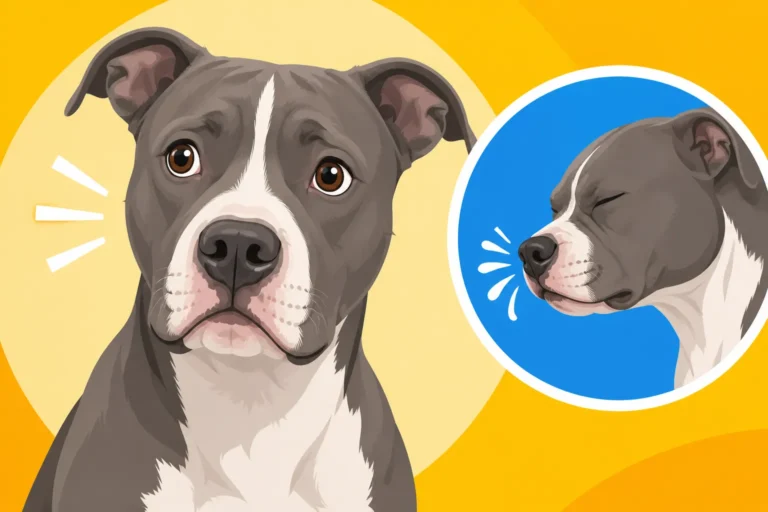
Atopy, or atopic dermatitis, is essentially canine hay fever, but instead of sneezing and watery eyes, dogs get itchy skin. It’s an inherited predisposition to develop allergic symptoms following exposure to common, harmless substances like pollen, dust mites, or mold spores. For Pit Bulls, this is a particularly common and often frustrating diagnosis. It's a lifelong condition that requires ongoing management, and it truly tests the patience of even the most dedicated dog owner.
Environmental Triggers and Seasonal Patterns
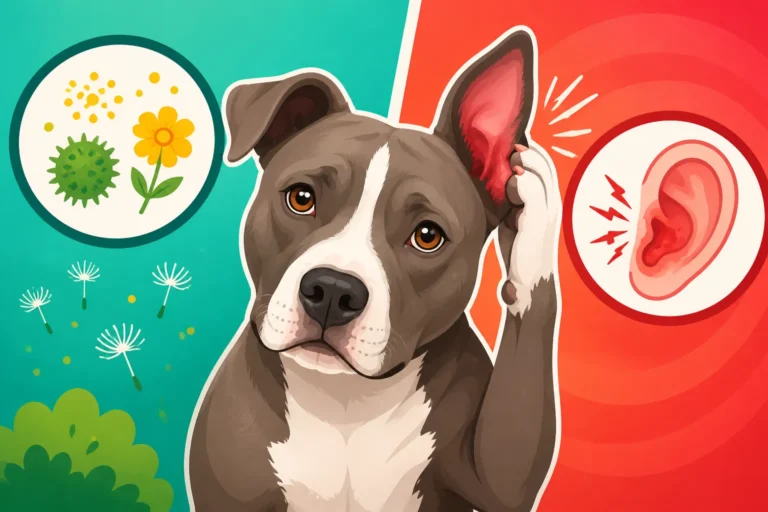
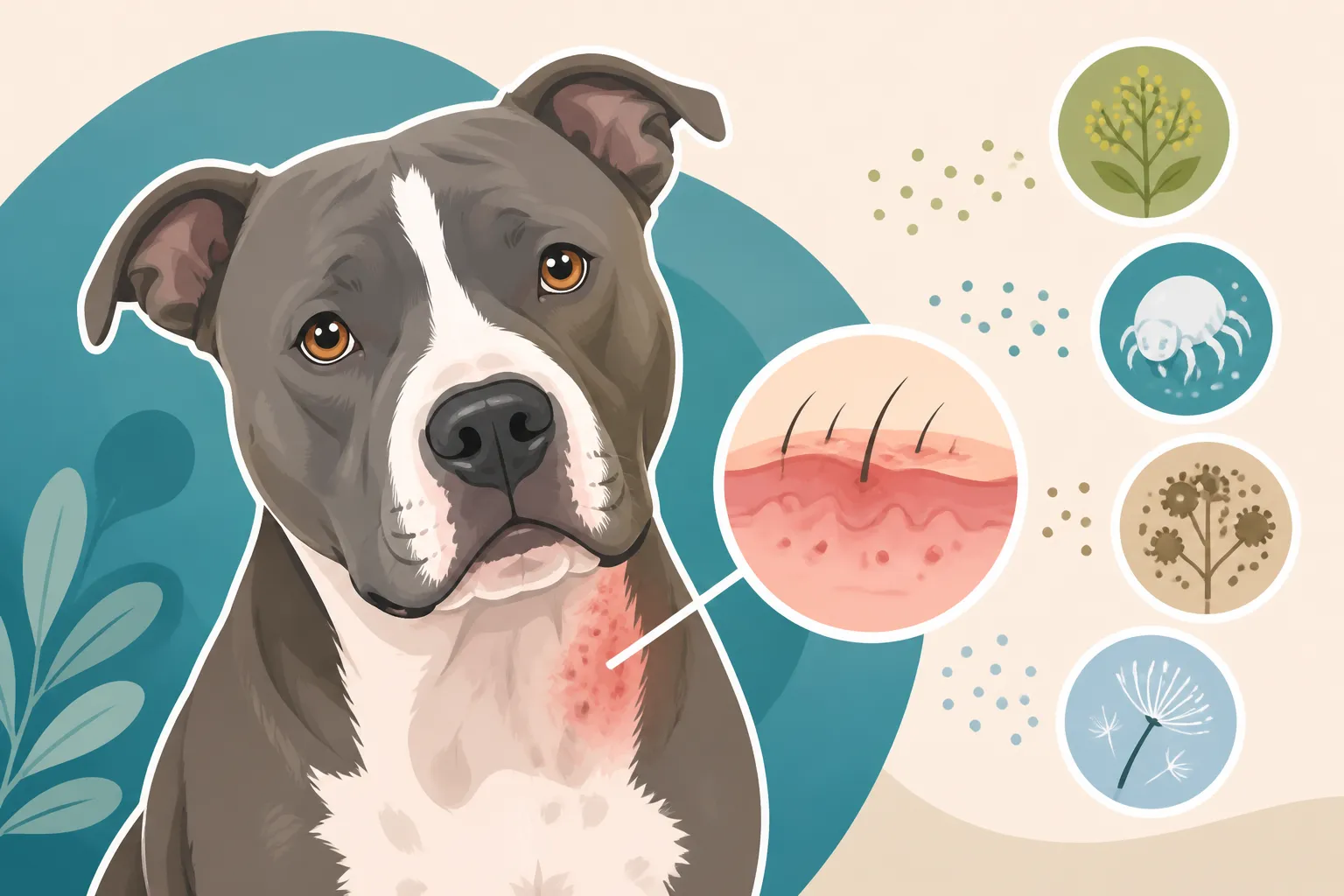
The world outside and inside your home is full of potential triggers for an atopic Pit Bull. Common culprits include tree pollens in spring, grass pollens in summer, weed pollens in fall, and indoor allergens like dust mites, mold spores, and even components of human dander year-round. You might notice your Pit Bull's itching gets worse during certain times of the year, which is a big clue pointing towards seasonal environmental allergens. For example, a dog allergic to grass pollen might scratch relentlessly after rolling in the lawn in July, while one sensitive to ragweed might suffer more in the autumn.
However, it's not always a clear-cut seasonal pattern. Many Pit Bulls are allergic to multiple things, both seasonal outdoor allergens and perennial indoor ones. This means their "seasonal" allergies can morph into year-round discomfort, with some periods being worse than others. For instance, a Pit Bull might struggle with tree pollen in spring, grass in summer, and then spend the winter battling dust mites because they're indoors more often. This makes management a constant balancing act. Keeping their environment as clean as possible, with regular vacuuming and washing of bedding, can help with indoor allergens. For outdoor triggers, remember to wipe your Pit Bull down after walks. You might find some excellent practical tips in our guide on Rinsing Pollen Off a Pit Bull After Walks.
Common Symptoms and Body Areas Affected
The classic signs of atopy in Pit Bulls are largely focused on intense itching and the secondary problems it causes. You'll often see them chewing their paws incessantly, rubbing their face on the carpet or furniture, scratching their ears, or licking their belly and inner thighs until the skin is red and irritated. It's a sight no Pit Bull parent wants to witness, and it often leads to a cycle of discomfort and infection. These specific body areas are often targeted because they are thinner-skinned, more exposed, or retain moisture easily.
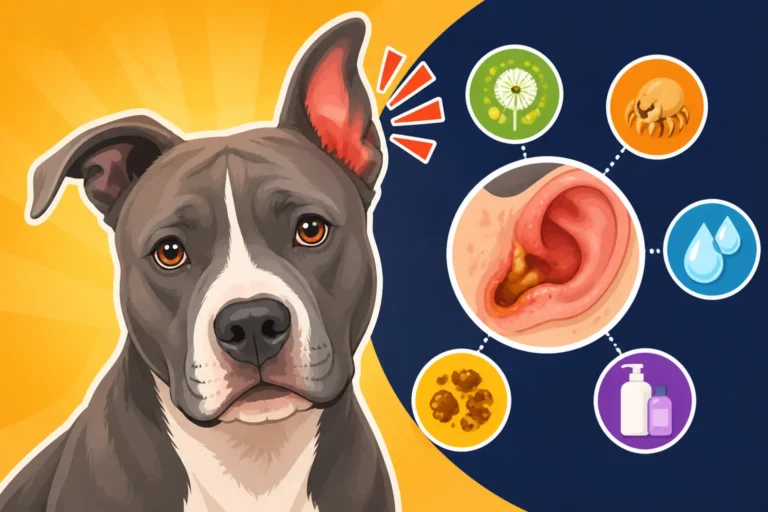
Beyond the initial itch, prolonged scratching, licking, and chewing can lead to a host of secondary issues. The skin might become red and inflamed, develop rashes, or even start to thicken and darken, a condition known as lichenification. Hair loss is also common in these areas due to constant self-trauma. You might notice a musty odor or greasy feel to their skin, which often signals a yeast infection that has taken hold. These persistent symptoms can be incredibly frustrating for both you and your dog. If you've ever wondered why the itching starts in specific places, our detailed article on Why Pit Bull Skin Allergies Start on the Feet delves into this common presentation. And for those struggling with ear issues, understanding Pit Bull Ear Infections and Allergy Links can be a real game-changer, as ear problems are frequently linked to underlying allergies.
Diagnosing Skin Allergies in Pit Bulls
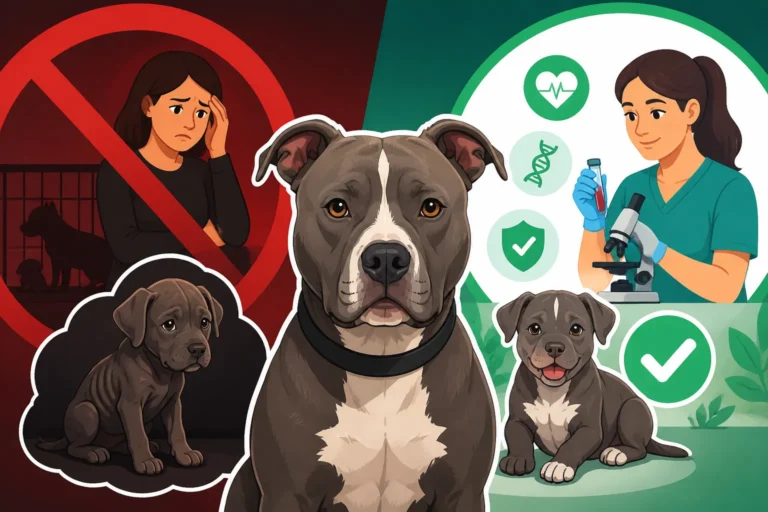
Getting a precise diagnosis for skin allergies in Pit Bulls can feel like a marathon, not a sprint. It's rarely a single test that gives all the answers, but rather a process of elimination and careful observation. I know it can be disheartening when your vet starts talking about long diagnostic pathways, but trust me, understanding the cause is paramount to effective, long-term management.
The Importance of a Thorough Vet Examination
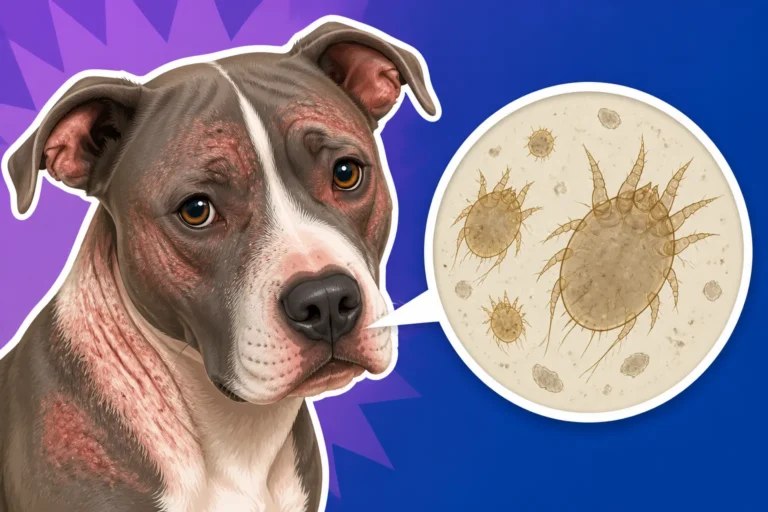
Before jumping to allergy conclusions, your veterinarian will need to perform a very thorough physical examination and rule out other potential causes of itching. It's easy to assume "allergies," but conditions like parasitic infestations (fleas, mites like Demodex or Sarcoptes), bacterial infections (pyoderma), or fungal infections (ringworm, yeast) can mimic allergy symptoms almost perfectly. Your vet might take skin scrapings to check for mites, perform a fungal culture, or examine hair samples. They might also recommend blood tests to check for underlying systemic issues that could be contributing.
This initial diagnostic work is crucial because treating a secondary infection or parasite won't solve the underlying allergy, but it will provide your Pit Bull with some immediate relief and make the allergy symptoms easier to differentiate. For example, if your Pit Bull has a severe secondary bacterial infection, they might need antibiotics before any allergy testing can be truly accurate. A good vet will methodically rule out these more straightforward causes before diving into the complex world of allergy diagnostics. Having a clear history of your dog's symptoms, including when they started, their seasonality, and any previous treatments, will be incredibly helpful for your vet in narrowing down the possibilities.
Allergy Testing: Intradermal and Blood Tests
Once other causes have been ruled out, your vet might suggest allergy testing to identify specific environmental allergens. There are two main types: intradermal skin testing (IDAT) and serum (blood) allergy testing. Intradermal testing is often considered the gold standard and is typically performed by a veterinary dermatologist. It involves shaving a patch of your dog's side and injecting small amounts of various allergens just under the skin. The dermatologist then observes which injection sites react with a raised, red welt, indicating a positive allergy. This method is quite precise but requires a specialist and often light sedation.
Serum allergy testing, on the other hand, is a blood test that measures antibodies to specific allergens in your Pit Bull's bloodstream. It's less invasive and can be done by any general practitioner, but it can sometimes have higher rates of false positives or negatives compared to intradermal testing. Both types of tests provide a panel of common allergens your dog might be reacting to, such as specific pollens, dust mites, or molds. It’s important to understand that these tests tell you what your dog is allergic to, but not necessarily how allergic they are, or if it's the sole cause of their itching. The results are primarily used to formulate an immunotherapy vaccine. You can learn more about the specifics in our article, Pit Bull Skin Allergy Testing.
The Elimination Diet for Suspected Food Allergies
If food allergies are suspected, perhaps because your Pit Bull’s itching is year-round or accompanied by gastrointestinal upset, your vet will recommend a strict elimination diet, also known as a food trial. This is where your patience truly gets tested, but it's often the only way to definitively diagnose a food allergy. An elimination diet involves feeding your Pit Bull a novel protein and carbohydrate source (ingredients they've never eaten before, like kangaroo and oats) or a hydrolyzed protein diet (where the proteins are broken down so small that the immune system doesn't recognize them as allergens).
The critical part is the strictness and duration. Your Pit Bull must eat only this prescribed food for a minimum of 8-12 weeks – no treats, no table scraps, no flavored medications, no accidental nibbles of another pet’s food. Even a single piece of kibble from their old food can ruin the trial. If symptoms improve dramatically during this period, a food allergy is highly likely. To confirm, your vet might then suggest a "challenge" where you reintroduce old ingredients one by one to see if symptoms return. It's a meticulous process but incredibly effective. For a deeper dive into this, check out An Eight Week Food Trial on an Itchy Pit Bull, and don't miss our guide on Pit Bull Food Allergy Signs Beyond the Skin for a full picture of what to look for beyond just skin issues.
Managing Environmental Allergies (Atopy)
Once environmental allergies are diagnosed, the focus shifts to management. Atopy is rarely "cured," but with the right approach, you can significantly reduce your Pit Bull's discomfort and improve their quality of life. This often involves a multi-pronged strategy, combining medication, environmental control, and sometimes immunotherapy.
Pharmaceutical Interventions for Relief
When your Pit Bull is in the throes of an allergy flare-up, medication is often necessary to break the itch-scratch cycle and provide immediate relief. One of the most common and effective modern treatments is Apoquel (oclacitinib), an oral medication that specifically targets the itch pathway. It works quite quickly, often within hours, and is generally well-tolerated. Another popular option is Cytopoint (lokivetmab), an injectable antibody treatment that specifically neutralizes a key protein responsible for the itch. Cytopoint offers relief for 4-8 weeks with a single injection, which is a huge benefit for owners who struggle with daily pill administration. Both Apoquel and Cytopoint are fantastic because they avoid many of the side effects associated with traditional steroids.
Speaking of steroids, corticosteroids like prednisone can be very effective at quickly reducing inflammation and itching, especially in severe flare-ups. However, long-term use is typically avoided due to potential side effects like increased thirst and urination, weight gain, panting, and more serious internal issues. Your vet might also prescribe antihistamines like diphenhydramine or cetirizine, though their effectiveness varies greatly among individual dogs and they often provide only mild relief for severe cases. Always consult your vet before giving any human medications to your dog. For a detailed comparison of common itch medications, our article on Apoquel and Cytopoint for an Itchy Pit Bull provides excellent insights.
Immunotherapy: A Long-Term Solution
While medications like Apoquel and Cytopoint manage the symptoms of atopy, immunotherapy (often called allergy shots or allergy vaccines) is designed to address the cause of the allergy by desensitizing your Pit Bull's immune system to specific allergens. After allergy testing identifies the culprits, a custom-made vaccine is created containing tiny amounts of those allergens. This vaccine is then administered regularly, usually as injections under the skin (ASIT) or drops under the tongue (SLIT).
The goal of immunotherapy is to gradually teach your Pit Bull's immune system to stop overreacting to the allergens. It's not a quick fix; it can take 6-12 months to see significant improvement, and some dogs may need supplemental medications during this period. However, for about 60-80% of dogs, immunotherapy significantly reduces their symptoms, leading to less reliance on other medications and a better quality of life. It requires a long-term commitment, but many owners find the investment worthwhile to provide lasting relief. Be aware that the cost of these custom vaccines can add up over time, which we discuss in depth in What Allergy Shots Cost a Pit Bull Owner.
Environmental Control and Barrier Support
Beyond direct medical treatments, managing your Pit Bull’s environment plays a huge role in minimizing allergen exposure and supporting their skin barrier. Simple practices can make a big difference. Regularly vacuuming, especially with a HEPA filter, and washing bedding weekly in hot water can help reduce dust mites and dander. Using air purifiers in rooms where your Pit Bull spends a lot of time can also help filter airborne allergens. After outdoor adventures, wiping down your Pit Bull's paws and coat with a damp cloth or a quick rinse can remove pollens and other irritants before they have a chance to settle and cause an itch.
Bathing is also a critical component of atopy management. Regular baths with medicated shampoos can help remove allergens from the skin, soothe inflammation, and treat secondary bacterial or yeast infections. Your vet might recommend specific anti-itch, antimicrobial, or antifungal shampoos. The "contact time"—leaving the shampoo on for 5-10 minutes—is often just as important as the ingredients. For a complete guide to effective bathing, take a look at our article on Medicated Baths for a Pit Bull With Atopy. Additionally, supplements like omega-3 fatty acids (fish oil) can improve skin barrier function and reduce inflammation from the inside out, making the skin less reactive and more resilient.
| Allergy Management Strategy | Primary Goal | Method | Time to See Results | Pros | Cons |
|---|---|---|---|---|---|
| Pharmaceuticals (Apoquel, Cytopoint, Steroids) | Symptom relief (stop itching, reduce inflammation) | Oral medications, injections | Hours to days | Fast relief, often highly effective | Doesn't address underlying cause, potential side effects with long-term steroid use, ongoing cost |
| Immunotherapy (Allergy Shots/Drops) | Desensitize immune system (address cause) | Injections, sublingual drops | 6-12 months | Long-term relief, reduces reliance on other meds | Slow results, requires commitment, custom formulation cost |
| Environmental Control | Reduce allergen exposure | Cleaning, wiping, air purifiers | Immediate to ongoing | Non-invasive, complements other treatments | Requires consistent effort, not always 100% effective |
| Bathing & Topicals | Remove allergens, soothe skin, treat secondary infections | Medicated shampoos, sprays, wipes | Immediate to days | Provides relief, supports skin barrier | Requires regular effort, can be messy |
| Dietary Management (for food allergies) | Eliminate offending allergens | Novel protein, hydrolyzed diet | 8-12 week trial | Can identify and resolve food allergy | Very strict adherence required, can be difficult to maintain |
Tackling Food Allergies in Pit Bulls
While less common than environmental allergies, food allergies can be just as debilitating for a Pit Bull. The good news is that if definitively diagnosed, managing a food allergy is often more straightforward: simply avoid the offending ingredient. The challenge, of course, is identifying that ingredient in the first place, and then sticking to the strict dietary requirements.
Navigating Limited Ingredient and Prescription Diets
If your Pit Bull is confirmed to have a food allergy through an elimination diet, the next step is to find a long-term diet that avoids the problematic ingredients. This usually means either a limited ingredient diet (LID) or a prescription hydrolyzed protein diet. LIDs typically contain a single novel protein source (like duck, venison, or rabbit) and a single carbohydrate source (like potato or sweet potato) to minimize potential allergens. Brands like Royal Canin or Hill's offer various options. The key is finding one your Pit Bull can tolerate and thrive on.
Hydrolyzed protein diets take a different approach. These foods contain proteins that have been broken down into such tiny pieces that your dog's immune system doesn't recognize them as allergens, effectively "hiding" them from the allergic response. They are often highly effective for managing severe food allergies. While often more expensive, they provide a reliable solution for many dogs. When selecting any new food, always check the ingredient list carefully, and remember that "grain-free" does not automatically mean "hypoallergenic." Many dogs with food allergies are reacting to common protein sources like chicken or beef, not grains.
The Challenge of Treats and Chews
One of the biggest pitfalls when managing a Pit Bull with food allergies is inadvertently exposing them to allergens through treats, chews, or even flavored medications. It’s incredibly easy to forget that every little morsel counts. That tiny bit of cheese from your sandwich, a chew toy made with hidden beef flavoring, or a pill pocket with chicken meal can all trigger a flare-up and undo weeks of careful dietary management. This is where the true dedication of a Pit Bull owner comes into play.
To avoid these hidden traps, you'll need to be hyper-vigilant. Look for single-ingredient treats, such as dehydrated sweet potato, pure pumpkin puree, or novel protein jerkies (if your dog isn't allergic to that specific protein). You might even consider making your own treats at home, using only ingredients you know are safe. When giving medications, ask your vet for unflavored options or learn how to administer them without food. Consistency is absolutely paramount; even a tiny slip-up can reignite the itching cycle. Our guide on Treats Small Enough for Repeated Pit Bull Training might offer some good ideas for safe, low-calorie options that won't compromise their diet.
Secondary Infections: A Common Allergy Complication
The constant scratching and licking associated with allergies doesn't just annoy your Pit Bull; it also damages their skin barrier, making it much easier for bacteria and yeast to move in and set up shop. These secondary infections are incredibly common with allergic dogs and often exacerbate the itching, creating a vicious cycle that’s hard to break. Addressing these infections is a critical step in providing relief.
Recognizing and Treating Bacterial Skin Infections (Pyoderma)
Bacterial skin infections, often called pyoderma, are a frequent unwelcome guest on the skin of allergic Pit Bulls. The constant scratching and licking create micro-abrasions, allowing normal skin bacteria (like Staphylococcus) to overgrow and cause problems. You might notice red bumps (papules), pus-filled lesions (pustules), crusts, scabs, hair loss, or a foul odor coming from your Pit Bull's skin. The itching will intensify, and the affected areas might feel warm to the touch. These "hot spots" can appear literally overnight, turning a minor irritation into a weeping, painful lesion.
Treating pyoderma usually involves antibiotics. Your vet might prescribe oral antibiotics, which are often given for several weeks to ensure the infection is completely cleared. Topical treatments, such as medicated shampoos containing chlorhexidine or mupirocin ointments, are also incredibly effective and can sometimes be used alone for localized infections. It's crucial to follow your vet's instructions precisely and finish the entire course of antibiotics, even if the skin appears to be clearing up, to prevent antibiotic resistance and recurrence. Our article on Pit Bull Pyoderma and Antibiotic Courses offers more detailed information on this common issue.
Managing Yeast Overgrowth
Another common secondary invader on allergic Pit Bull skin is yeast, particularly Malassezia pachydermatis. This opportunistic fungus thrives in warm, moist, and inflamed skin environments, often taking advantage of an impaired skin barrier due to allergies. You'll recognize a yeast infection by a distinctive musty, Frito-like odor, greasy skin, and a darkening or thickening of the skin (hyperpigmentation and lichenification), especially in skin folds, between the toes, or in the ears. Your Pit Bull might also have excessive paw licking and chewing, contributing to further irritation.
Treatment for yeast overgrowth typically involves antifungal medications, which can be topical or oral depending on the severity and extent of the infection. Medicated shampoos containing ingredients like miconazole or ketoconazole are highly effective and can be used regularly to keep yeast in check. Antifungal wipes and sprays can target localized areas, especially in skin folds or around the paws. In more severe or generalized cases, oral antifungal medications might be prescribed. Just like bacterial infections, it’s important to treat yeast thoroughly, as it can be incredibly persistent and contribute significantly to your Pit Bull’s discomfort. If you're dealing with specific concerns about skin folds, our guide on Yeast Infections in Pit Bull Skin Folds will be particularly helpful. And for those sudden flare-ups, Pit Bull Hot Spots and Secondary Infection explores how quickly these issues can arise and what to do.
Long-Term Care and Living with an Allergic Pit Bull
Living with an allergic Pit Bull is a journey, not a destination. It requires dedication, consistency, and a deep understanding that this is a managed condition, not a cured one. But with the right approach, your Pit Bull can still live a happy, comfortable life.
Consistency and Patience Are Key
This is probably the hardest pill to swallow for many Pit Bull owners: allergies rarely, if ever, truly "go away." Instead, they are managed. This means that once you find a treatment plan that works, consistency becomes your new best friend. Skipping doses of medication, slacking on baths, or deviating from a special diet can quickly lead to a flare-up, bringing back all that frustrating itching and discomfort. It's a continuous effort, and it’s okay to feel overwhelmed sometimes. Remember that your Pit Bull is counting on you, and every consistent step you take makes a difference for their comfort.
The journey can be emotionally taxing. There will be good days and bad days, breakthroughs and setbacks. Don't get discouraged if a treatment that worked wonders suddenly seems less effective; allergies can change over time, and new sensitivities can develop. Work closely with your vet to adjust the plan as needed. The most important thing is to maintain a consistent routine and communicate openly with your veterinary team. Our piece on Whether a Pit Bull Allergy Ever Goes Away offers a candid look at the long-term reality of managing canine allergies.
Financial Considerations and Pet Insurance
Let's be real: managing Pit Bull skin allergies can be expensive. From diagnostic tests and specialized diets to ongoing medications, medicated shampoos, and potentially immunotherapy, the costs can quickly add up. Annual vet visits, dermatologist consultations, and emergency flare-ups can easily run into hundreds or even thousands of dollars each year. This financial burden is a huge stressor for many owners, adding another layer of challenge to an already difficult situation.
This is where pet insurance can be a literal lifesaver for many families. Having a good pet insurance policy in place before an allergy diagnosis can significantly offset these recurring costs. Many owners find relief through pet insurance, with providers like Healthy Paws often being a popular choice, helping to ease the financial strain and allowing you to make treatment decisions based on what’s best for your Pit Bull, rather than your wallet. Be aware, however, that most pet insurance policies consider allergies a pre-existing condition if diagnosed before enrollment or during a waiting period. So, planning ahead is key. Our article on What a Pit Bull Costs a Year With Allergies breaks down some typical expenses, and Pit Bull Pet Insurance and Breed Exclusions is essential reading for understanding policy details.
Advocating for Your Pit Bull with Your Vet
You are your Pit Bull’s biggest advocate, and that’s especially true when dealing with chronic conditions like skin allergies. Don't hesitate to ask questions, voice your concerns, and seek clarification from your veterinarian. If a treatment isn't working, or if you're struggling to administer medication, speak up! There are often alternative options or strategies. Building a strong, trusting relationship with a vet who is experienced and comfortable treating complex allergy cases is invaluable.
It’s okay to ask for a referral to a veterinary dermatologist if your general practitioner is struggling to get the allergies under control. Specialists have advanced training and diagnostic tools that can offer new perspectives and more aggressive treatment options. Keep detailed records of your Pit Bull's symptoms, treatments, and any changes you observe, as this information is incredibly helpful for your vet in tailoring the best possible care plan. Remember, you’re part of the team working towards your Pit Bull’s comfort and well-being.
Disclaimer
The information provided in this guide is intended for general knowledge and informational purposes only, and does not constitute veterinary advice. Always consult with a qualified veterinarian for any health concerns or before making any decisions related to your Pit Bull's health and treatment plan.