Pit Bull Life Jackets and Water Safety
It's easy to assume that all dogs are natural-born swimmers, paddling instinctively through any body of water without a care in the world. However, for Pit Bull owners, this assumption can be a dangerous one. While some Pit Bulls take to the water like fish, many struggle due to their unique physical build, making a dog life jacket an absolute necessity for water safety. This guide will help you understand why your Pit Bull might need extra help in the water, how to select the best life jacket, and critical water safety tips to ensure your beloved companion enjoys every splash safely.
Why Your Pit Bull Might Need a Life Jacket
Unlike some breeds built for water, like Retrievers with their webbed feet and water-resistant coats, many Pit Bulls aren't naturally gifted swimmers. Their anatomy, while perfect for strength and athleticism on land, can make them less efficient in the water.
The Pit Bull Physique and Swimming Challenges
Pit Bulls, encompassing breeds like the American Pit Bull Terrier and the American Staffordshire Terrier, typically boast a deep, broad chest and a heavily muscled body. This dense musculature, combined with shorter legs and often a larger head, can make them front-heavy in the water. It's like trying to float a brick – their body density means they have to work significantly harder to stay afloat and keep their head above water. Imagine paddling furiously just to keep your nose up; it's exhausting!
This physical challenge means they tire out much quicker than dogs with more buoyant builds. A strong current, unexpected deep spot, or even just extended play can quickly lead to fatigue and panic. You might think your dog is having a blast, but underneath the surface, they could be struggling. This is why even a Pit Bull who can swim will benefit immensely from a life jacket, especially if they are going to be in the water for any length of time or in unfamiliar environments. Pit Bull Exercise for a Powerful Athletic Dog often involves intense bursts of activity, which can translate to quick exhaustion in water.
Common Misconceptions About Dog Swimming
One of the biggest misconceptions we see as dog owners is that "all dogs can swim." This simply isn't true. While some breeds are indeed naturals, others, including many brachycephalic (short-nosed) breeds, dogs with very short legs, or those with dense body types like Pit Bulls, can find swimming incredibly difficult, if not impossible, without assistance.
Another common thought is, "My dog loves playing in puddles, so they'll love the lake!" There's a huge difference between splashing in a shallow puddle or a kiddie pool and navigating open water. Lakes, rivers, and even larger swimming pools present a host of challenges: currents, varying depths, cold water, and no easy exit points. A Pit Bull might enjoy pawing at a sprinkler, but put them in a body of water where their paws don't touch the bottom, and you might see fear and struggle, not joy. This is why a gradual introduction, paired with appropriate safety gear, is key. Even if your Pit Bull is typically robust, it's wise to consider Pit Bull Joint and Ligament Injuries when they're jumping in and out of water, as unexpected slips can occur.
Choosing the Right Life Jacket for Your Pit Bull
Selecting a life jacket isn't just about finding something bright and orange. For a Pit Bull, specific features are essential to ensure safety and comfort.
Key Features of a Good Pit Bull Life Jacket
When you're shopping for a life jacket for your strong, athletic Pit Bull, don't just grab the first one you see. Look for these critical features:
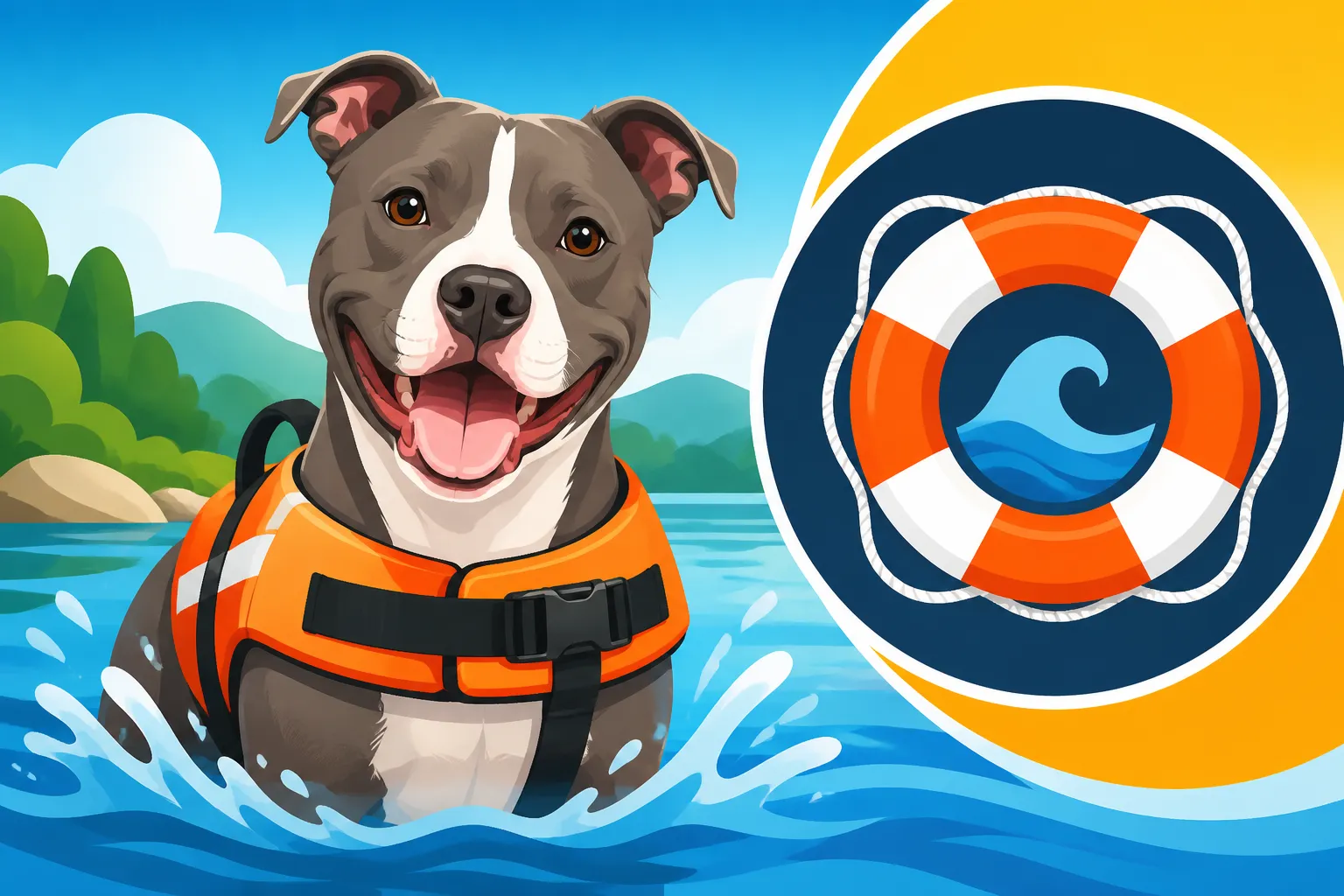
- High Buoyancy: This is paramount. Look for jackets with ample flotation material distributed across the back and sides, and ideally, under the chin. This helps keep their head above water, which is particularly important for front-heavy breeds. Some jackets even have extra flotation on the chest to help keep them in a more natural swimming position.
- Strong Grab Handle: A sturdy handle on the back is non-negotiable. Your Pit Bull can weigh a good 50-70 pounds, and you need a reliable way to lift them out of the water, whether it's onto a boat, out of a pool, or in an emergency. Test the handle’s stitching and ensure it feels secure. You’ll be grateful for this feature if your dog tires or gets into trouble.
- Adjustable Straps and Secure Fasteners: Pit Bulls have deep chests and narrower waists compared to some other breeds. You need a jacket with multiple adjustable straps – typically around the neck, chest, and belly – to ensure a snug, comfortable, and escape-proof fit. Wide, durable straps with strong buckles will prevent chafing and ensure the jacket stays in place, even during vigorous activity.
- Durable Materials: Water, sun, and active play can take a toll on fabric. Look for jackets made from ripstop nylon or other tough, quick-drying materials. Reinforced stitching in stress areas will also extend the life of the jacket.
- High Visibility Colors: Bright colors like neon yellow, orange, or reflective trims are incredibly important, especially if you're in open water, around boats, or in low-light conditions. This makes it easier to spot your dog quickly if they swim away or get separated. Heat Tolerance in a Short-Coated Pit Bull means they might be more active in sunny conditions, making visibility even more critical.
Sizing and Achieving the Perfect Fit
Getting the right size is crucial. A jacket that's too loose can slip, chafe, and offer inadequate buoyancy, while one that's too tight can restrict movement and breathing.
- Measure Your Dog: You'll typically need three measurements:
- Girth/Chest: The widest part of your Pit Bull's chest, just behind the front legs. This is often the most important measurement for life jackets.
- Neck: Around the base of their neck.
- Length: From the base of the neck to the base of the tail (some manufacturers use this, others rely more on girth).
- Consult Size Charts: Every brand has its own size chart. Don't assume a "large" from one brand is the same as another. Compare your Pit Bull's measurements directly to the chart. If your dog is between sizes, it's often better to go with the larger size if the straps are highly adjustable, but double-check the manufacturer's recommendation.
- Test the Fit: When the jacket arrives, put it on your Pit Bull.
- Snug, Not Tight: You should be able to slide two fingers comfortably under all the straps. It shouldn't be so loose that it spins on their body, nor so tight that it restricts breathing or movement.
- Full Range of Motion: Let your Pit Bull walk around, sit, and lie down. Ensure the jacket doesn't rub uncomfortably behind their front legs or restrict their ability to move freely.
- Chin Support: If the jacket has a chin float, ensure it's positioned correctly to support their head without pushing it uncomfortably.
- Initial Water Test: Take them to a shallow, calm area (like a kiddie pool or very calm shore) for the first trial. Observe how they move and float. Does the jacket stay put? Does it provide adequate support?
You can find a wide variety of excellent life jackets specifically designed for dogs on platforms like Chewy or Amazon. These sites often have detailed size guides and customer reviews, which can be invaluable for finding the right fit for your Pit Bull's unique build.
General Water Safety Tips for Pit Bulls
A life jacket is an amazing tool, but it's just one piece of the water safety puzzle. Responsible Pit Bull ownership around water goes much deeper.
Constant Supervision is Non-Negotiable
This might sound obvious, but it's worth repeating: never leave your Pit Bull unsupervised near water, even for a moment, and even if they're wearing a life jacket. Drowning can happen silently and quickly. Whether it's a backyard pool, a calm lake, or a rushing river, your eyes need to be on your dog.
Think of it like supervising a child. You wouldn't turn your back on a toddler near a pool, and the same vigilance applies to your Pit Bull. If you're on a boat, ensure they can't accidentally fall overboard. If you're at the beach, watch for strong waves or undertows. A life jacket helps, but it doesn't replace your active presence. The Daily Exercise a Pit Bull Actually Needs often involves outdoor activities, so integrating water safety into these outings is key.
Understanding the Water Environment
Different bodies of water present different risks. Being aware of these can prevent dangerous situations.
- Lakes and Ponds: These can have sudden drop-offs, underwater obstacles (like submerged logs or rocks), and potentially harmful algae blooms. Always check the water quality before letting your dog in.
- Rivers and Streams: Currents can be deceptively strong, even in what looks like calm water. A strong current can quickly sweep a dog away, even with a life jacket. Avoid fast-moving water altogether.
- Oceans and Beaches: Waves, undertows, and rip currents are serious hazards. Keep your Pit Bull close and be mindful of changing tides. Salt water can also be irritating to their skin and can cause digestive upset if ingested in large quantities.
- Swimming Pools: While seemingly safe, pools have slippery edges, and it can be hard for dogs to find the exit. Always teach your Pit Bull where the stairs or ramp are, and practice getting out. Ensure any pool covers are sturdy enough to support your dog's weight.
- Temperature: Be mindful of water temperature. Cold water can lead to hypothermia, while very warm water can increase the risk of overheating, especially if your Pit Bull is exerting themselves. Dogs don't sweat like humans, so they can overheat quickly. Remember to consider Whether a Pit Bull Feels Cold in Winter or conversely, Heat Tolerance in a Short-Coated Pit Bull.
Post-Swim Care for Your Pit Bull
After a fun day in the water, your Pit Bull still needs some attention to prevent issues.
- Rinse Thoroughly: Chlorine, salt, lake water, and even dirt can irritate your Pit Bull's sensitive skin. Give them a good rinse with fresh water immediately after swimming. This helps prevent skin irritation and reduces the chance of developing hot spots.
- Dry Ears: Pit Bulls, especially those with floppy ears, are prone to ear infections. Moisture trapped in the ear canal creates a perfect breeding ground for bacteria and yeast. Use a soft towel or cotton balls to gently dry the inside of their ears after every swim. If your Pit Bull is prone to Pit Bull Ear Infections and What Drives Them, consider using a veterinary-approved ear cleaner after swimming to help dry the canal and prevent issues.
- Check Paws: Inspect their paw pads for any cuts, scrapes, or irritation from rough surfaces or hot pavement. Dry between their toes to prevent moisture-related skin issues.
- Provide Fresh Water: Even if they've been swimming, your Pit Bull will likely be thirsty. Provide plenty of fresh, clean drinking water to prevent them from drinking potentially contaminated lake or ocean water.
Introducing Your Pit Bull to Water Safely
Not every Pit Bull is born loving the water. A positive and gradual introduction is key to building confidence and ensuring safety.
Making it a Positive Experience
The first few encounters with water should always be positive and low-pressure. Never force your Pit Bull into the water, as this can create a lifelong aversion and fear.
- Start Small: Begin with a shallow kiddie pool in your backyard. Let them explore it at their own pace. Throw a favorite toy in, or toss a few treats into the shallow water to encourage them to investigate. For dogs on a specific diet, like those from Ollie, ensure any treats used for water introduction are consistent with their nutritional plan.
- Lead by Example (if appropriate): If you're comfortable in the water, wade in yourself and encourage your Pit Bull to join you. Your calm demeanor can be very reassuring.
- Treats and Praise: Lavish your Pit Bull with praise and high-value treats for any positive interaction with the water, no matter how small. Even just sniffing the water's edge deserves a reward.
- Life Jacket First: Put the life jacket on before they even get near the water. Let them wear it for a bit around the house so they get used to the feel of it. This makes the water introduction less overwhelming since they're already accustomed to the gear.
Gradual Progression into Deeper Water
Once your Pit Bull is comfortable with shallow splashes, you can slowly introduce them to slightly deeper water, always with their life jacket on.
- Wade In: Find a calm beach or a pool with a shallow entry. Wade in with your dog, keeping them on a leash initially for control and reassurance. Allow them to feel the water depth gradually.
- Support Them: As they venture into deeper water where their paws don't touch, be ready to support them. Hold the handle of their life jacket if needed, offering physical reassurance. Let the life jacket do its job, but your guiding hand can make a big difference in their confidence.
- Short Sessions: Keep initial swimming sessions very short. Five to ten minutes might be plenty for a first-timer. End on a high note, even if it means pulling them out when they still want to play a little more. You want them to associate water with fun, not exhaustion or fear.
- Floating Toys: Once they're more comfortable, use floating toys to encourage them to paddle. This gives them a focus and makes it more of a game.
Recognizing Stress Signals
It's vital to be able to read your Pit Bull's body language in and around water. They can't tell you they're scared or tired with words, so you need to understand their cues.
- Panting Heavily or Wide Eyes: These can indicate stress or fear.
- Tail Tucked or Body Low to the Ground: Clear signs of anxiety.
- Excessive Splashing or Frantic Paddling: They might be struggling to stay afloat or find their footing.
- Trying to Climb on You: This is a distress signal, meaning they want out of the water and onto solid ground.
- Refusing to Enter: If they dig their heels in and won't go in, respect that. Pushing them will only create a negative association.
If you see any of these signs, gently remove them from the water and give them a break. Sometimes, a Pit Bull might just need to sit by the water's edge and observe for a while before they're ready to try again. Remember, the goal is for them to Whether Pit Bulls Enjoy Swimming – and safety is the foundation of enjoyment.
By taking these steps, you can help your Pit Bull develop a healthy respect and enjoyment for water, all while keeping them safe and sound.
Comparing Life Jacket Features for Pit Bulls
To help you make an informed decision, here's a quick comparison of key features you should consider when buying a life jacket for your Pit Bull.
| Feature | Importance for Pit Bulls | Why It Matters |
|---|---|---|
| Buoyancy Rating | High | Essential for supporting dense muscle mass and broad chests, reducing fatigue. |
| Grab Handle | Critical | Allows quick, easy lifting out of water, onto boats, or during emergencies. |
| Adjustable Straps | Crucial (multi-point) | Ensures a secure fit around deep chests and narrower waists, preventing slippage. |
| Reflective Trim | High | Increases visibility in low light, choppy water, or from a distance. |
| D-Ring for Leash | Important | Provides a secure attachment point for a leash for control near water or on land. |
| Chin/Head Support | Highly Recommended | Helps keep the head above water, especially important for breeds prone to being front-heavy. |
| Material Durability | High | Withstands active play, sun, and water exposure for longevity. |
| Color | High Visibility (bright colors) | Makes spotting your dog easier in various water conditions. |
This article is for general informational purposes only and does not constitute professional advice. Laws, prices and regulations vary by location and change over time. Consult a qualified professional for guidance on your specific situation.