Getting a Pit Bull Puppy’s Ration Right
Bringing home a Pit Bull puppy is such an exciting time, full of wagging tails, playful nips, and endless energy. But amidst all the puppy cuddles and training, one of the biggest questions I hear from new owners is about feeding: "Am I feeding my puppy enough? Too much? What's the right thing to feed this energetic little powerhouse?" It's a valid concern, as getting your Pit Bull puppy's nutrition right from day one is crucial for their long-term health and robust development, helping them grow into the strong, confident dogs we know and love. This comprehensive guide will walk you through everything you need to know about establishing the perfect feeding regimen for your growing Pit Bull puppy, ensuring they get all the right nutrients without the common pitfalls of over or underfeeding.
Understanding Your Pit Bull Puppy's Unique Nutritional Needs
Pit Bull puppies, much like other active, medium-to-large breeds, have specific dietary requirements that differ significantly from adult dogs or even smaller breed puppies. Their rapid growth phases, combined with their developing bone and muscle structure, demand a carefully balanced diet to support healthy development and prevent future health issues.
Why Large Breed Puppy Food Matters for Pit Bulls
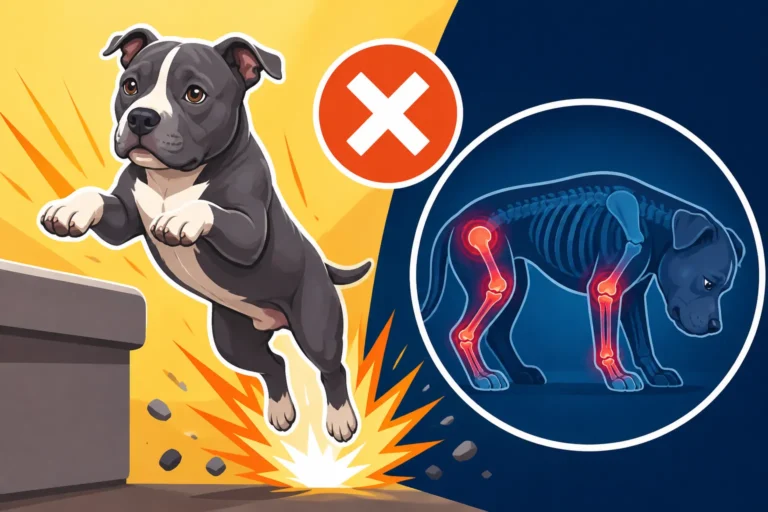
It might seem counterintuitive to label a Pit Bull as a "large breed" if you're picturing giants like Great Danes, but when it comes to growth, they fall into a category that requires controlled and thoughtful nutrition. The primary reason "large breed puppy" specific formulas exist is to manage the rate of growth. Rapid growth in puppies can put immense strain on their developing skeletal system, leading to orthopedic problems like hip and elbow dysplasia later in life. Pit Bulls are already predisposed to conditions such as Pit Bull Hip Dysplasia Showing at One to Two Years, so minimizing risks during puppyhood is paramount.
These specialized foods typically have a lower calorie density and, crucially, a carefully calibrated calcium-to-phosphorus ratio. Too much calcium, or an imbalanced ratio, can interfere with normal bone development and cartilage formation, leading to weaker joints. They are designed to support a steady, moderate growth rate rather than a super-fast one, allowing bones and joints to mature correctly and handle the increasing body weight of your muscular Pit Bull puppy. Always choose a kibble specifically formulated for large breed puppies for the first 12-18 months of your dog's life.
Essential Macronutrients for Rapid Development
Your Pit Bull puppy is a little engine of growth and activity, and that engine needs the right fuel. Macronutrients—protein, fats, and carbohydrates—are the building blocks and energy sources that make it all happen.
- Protein: This is paramount for muscle development, tissue repair, and overall growth. Pit Bulls are known for their athletic, muscular build, and high-quality protein is essential for forming those strong muscles. Look for foods where a named meat source (e.g., chicken meal, lamb, beef) is listed as the first ingredient. Puppy foods generally have higher protein content than adult formulas to support this rapid growth. However, more isn't always better; what matters most is the quality and digestibility of the protein.
- Fats: Fats are a concentrated source of energy, vital for a puppy's boundless enthusiasm and quick bursts of play. They also play a critical role in brain and vision development, especially Omega-3 fatty acids like DHA (docosahexaenoic acid), which are commonly found in fish oils. Healthy fats also contribute to a shiny coat and healthy skin, a common concern for Pit Bulls prone to skin sensitivities.
- Carbohydrates: These provide sustained energy for daily activities and growth. Complex carbohydrates, often from grains like brown rice or oats, or from vegetables like sweet potatoes, offer a steady release of glucose. Fiber, a type of carbohydrate, is also important for digestive health, helping to regulate bowel movements and promote a healthy gut microbiome.
The key is balance. While a Pit Bull puppy needs plenty of protein and fat, these must be in appropriate proportions to avoid issues like obesity or nutrient deficiencies.
Micronutrients and Their Role in Bone Health
Beyond the big three macronutrients, a host of micronutrients—vitamins and minerals—work behind the scenes to ensure your puppy develops correctly. Their roles are no less critical, especially for a breed with a strong, athletic frame like the Pit Bull.
The delicate balance of calcium and phosphorus is particularly vital for bone development. As mentioned with large breed puppy foods, this ratio needs to be tightly controlled. Vitamin D works hand-in-hand with calcium to ensure its proper absorption and utilization in the bones. Other minerals like magnesium and zinc are also important for skeletal health, immune function, and various metabolic processes. Additionally, antioxidants, such as vitamins E and C, help support a developing immune system, crucial for a puppy exploring the world and encountering new things. While joint supplements like glucosamine and chondroitin are often considered for adult dogs with joint issues, ensuring a complete and balanced diet in puppyhood can lay a strong foundation, potentially reducing the need for extensive supplementation later in life by promoting optimal growth.
Deciphering Feeding Guidelines and Portions
Once you've selected a high-quality large breed puppy food, the next hurdle is figuring out exactly how much to feed. This isn't as simple as just dumping food in a bowl; careful measurement and observation are your best tools.
Reading and Interpreting Commercial Puppy Food Labels
Every bag of dog food comes with a feeding guide, usually a chart recommending amounts based on your puppy's current weight and age. These guidelines are your starting point, but they are absolutely not gospel. Think of them as a general suggestion, a loose map, rather than a rigid instruction manual. Manufacturers design these guides for an "average" dog, and your Pit Bull puppy might be anything but average.
Factors like individual metabolism, activity level, and environmental temperature can all influence how many calories your puppy needs. For instance, a very active puppy zooming around your yard will burn more calories than a more sedate one. Different food brands also vary widely in calorie density, meaning one cup of Brand A might have significantly more calories than one cup of Brand B. Always check the caloric content (kcal/cup or kcal/kg) on the bag. Comparing different options available on platforms like Chewy or Amazon can show you just how varied these figures can be.
The Importance of Accurate Measurement
This is where many well-intentioned owners stumble. "A scoop" often means different things to different people, and even dedicated food scoops aren't always accurate. Relying on visual estimation can quickly lead to over or underfeeding, especially when dealing with such a critical growth period.
For true accuracy, I highly recommend investing in a kitchen scale. Weighing your puppy's food in grams or ounces ensures you're feeding the exact amount recommended by the label (or adjusted by your vet) every single time. This consistency is not only important for calorie control but also for your puppy's digestive system, which thrives on routine. If you're using a measuring cup, make sure it's a standard kitchen measuring cup, not just a random cup from your cupboard, and level off the food rather than packing it down. Even with measuring cups, small inconsistencies can add up over time, so a scale is truly the gold standard for precision.
Adjusting Rations Based on Growth and Activity Level
Your Pit Bull puppy isn't a static creature; they're growing and changing every single day. Their caloric needs will fluctuate based on their growth spurts, activity level, and even the weather. This means you need to be flexible and ready to adjust their food intake.
The best way to gauge if your puppy is getting the right amount of food is by regularly monitoring their body condition score (BCS). This involves feeling, rather than just looking. You should be able to easily feel your puppy's ribs with slight pressure, but not see them prominently. There should be a visible waist tuck behind the ribs when viewed from above, and a slight tuck-up in the belly when viewed from the side. Pit Bulls are naturally muscular, so it can be tricky to tell muscle from fat. For more on this, check out Pit Bull Obesity and How to Spot It Under Muscle. If your puppy is looking a little too thin (ribs easily visible, sharp hip bones), you might need to slightly increase their ration. If they're looking a bit plump (difficulty feeling ribs, no waist), a slight reduction is in order. Always make small adjustments (e.g., by 5-10%) and observe the results over a few days before making further changes. Keeping a simple growth log of their weight and approximate food intake can be incredibly helpful.
Establishing a Consistent Feeding Schedule
Consistency isn't just a buzzword in puppy training; it's essential for their digestive health, house training, and overall well-being. A predictable feeding schedule helps regulate their metabolism and makes house training much more manageable.
From Weaning to Six Months: Frequency and Timing
When you first bring your Pit Bull puppy home, they are likely still in a phase of rapid development and have tiny stomachs that can't handle large meals. This means frequent, smaller meals are the order of the day.
Typically, puppies from 8 weeks up to around 4-6 months of age should be fed three to four times a day. For example, you might aim for breakfast, lunch, dinner, and a small late-evening snack. This helps ensure a steady supply of nutrients for their fast-growing bodies and keeps their blood sugar stable. A consistent schedule also works wonders for house training, as what goes in on a schedule, often comes out on a schedule! Knowing roughly when your puppy will need to relieve themselves after a meal can help you prevent accidents. For more house training tips, consider our guide on Getting a Pit Bull Puppy Clean in the House. As they grow, their stomach capacity increases, and you can gradually reduce the frequency.
Six Months to Adulthood: Reducing Meal Frequency
As your Pit Bull puppy matures and approaches adolescence, usually around 6-12 months, you can start to transition them to fewer, larger meals. Most Pit Bulls will do well on two to three meals a day during this period.
The exact timing of this reduction can vary by individual puppy and their overall growth rate. Observe your puppy's appetite; if they are consistently leaving food or seem less enthusiastic about a particular meal, they might be ready for fewer feedings. Always ensure they are still consuming their total daily caloric requirement across these fewer meals. Free-feeding, where food is left out all day, is generally not recommended, especially for growing Pit Bulls. It can make house training harder, contribute to obesity, and make it difficult to monitor their appetite, which can be an early indicator of illness. Scheduled meals allow you to keep a close eye on their eating habits.
Managing Multiple Pets and Distractions at Mealtimes
If you have other pets, especially other dogs, mealtimes can sometimes become a source of stress or competition. For the safety and peace of mind of all your animals, it's best to feed your Pit Bull puppy separately, especially in the beginning.
This means putting each dog in their own designated feeding area—crates, separate rooms, or even just at opposite ends of a quiet room. This prevents potential resource guarding issues, which can sometimes manifest in Pit Bulls, even as puppies. Check out Pit Bull Food Bowl Guarding for more on this topic. A calm, undistracted environment allows your puppy to eat at their own pace without feeling rushed or threatened. Always supervise mealtimes, particularly if you have children, to ensure no one interferes with the puppy while they're eating. Once the meal is finished and the bowls are cleaned, you can bring everyone back together.
Monitoring Your Pit Bull Puppy's Growth and Health
You're doing everything right: picking the best food, measuring accurately, and sticking to a schedule. Now, how do you know if it's actually working? Constant monitoring of your puppy's physical condition and behavior is key.
Regular Weight Checks and Body Condition Scoring
Regularly weighing your Pit Bull puppy, ideally once a week for the first few months, then every couple of weeks, can provide valuable data on their growth trajectory. Plotting these weights on a simple chart can help you visualize their progress and identify any sudden plateaus or spikes that might indicate a feeding issue. You can compare this to general growth charts for Pit Bull type dogs, keeping in mind that these are averages. For example, you might find a helpful guide on What a Pit Bull Puppy Weighs Month by Month.
However, weight alone doesn't tell the whole story. Body condition scoring (BCS) is arguably more important. As mentioned earlier, you should be able to feel their ribs without seeing them, and they should have a clear waist and abdominal tuck. Pit Bulls are notoriously muscular, and this can sometimes make it harder to assess their weight visually. A puppy might look lean, but be carrying too much fat if their muscle mass is covering it. Get your hands on them regularly: run your palms over their ribs, feel for their spine, and check their waist. Remember, it’s about feeling the subtle contours of their body, not just looking at their silhouette. This active assessment is crucial for ensuring they are growing at a healthy pace, neither too fast nor too slow. For deeper insights, you might find our article Why Muscle Makes Pit Bull Weight Hard to Judge helpful.
Recognizing Signs of Under or Overfeeding
Being able to spot the signs that your puppy's diet needs adjusting is a vital skill for any owner. Ignoring these cues can lead to health problems down the line.
Signs of Underfeeding:
- Visible ribs, spine, and hip bones: These should be felt, not seen, in a healthy Pit Bull puppy.
- Lethargy or low energy: While puppies sleep a lot, excessive listlessness could indicate insufficient calories.
- Poor coat quality: A dull, dry coat can sometimes be a sign of inadequate nutrition.
- Failure to gain weight: If your puppy isn't showing a steady increase in weight on your growth chart.
Signs of Overfeeding:
- Difficulty feeling ribs: If you have to press hard to feel their ribs, your puppy is carrying too much fat.
- No visible waist or abdominal tuck: They might look "barrel-chested" or round.
- Bloated appearance: Especially common after meals.
- Excessive, rapid weight gain: Growing too quickly can be just as detrimental as growing too slowly, especially for joint development.
If you observe any of these signs, first re-evaluate your measurements and consistency. Then, make small adjustments to their daily ration.
When to Consult Your Veterinarian About Diet
While monitoring and adjusting on your own is part of responsible puppy ownership, there are definitely times when a professional opinion is indispensable. Your veterinarian is your best resource for personalized dietary advice.
- Persistent digestive upset: If your puppy has chronic diarrhea, constipation, or vomiting that doesn't resolve with minor dietary adjustments.
- Lack of appropriate growth or excessive weight gain: If your puppy is consistently outside the healthy growth curve for their age, despite your efforts.
- Suspected food allergies: Pit Bulls can be prone to skin issues, and sometimes food allergies are the culprit. Signs might include excessive itching, paw licking, ear infections, or skin irritation. Your vet can guide you through an elimination diet or other diagnostic steps. Learn more about identifying these issues in Food Allergies Behind Pit Bull Itching.
- Any significant health changes: If your puppy suddenly loses their appetite, becomes lethargic, or shows any other concerning symptoms, a vet visit is always warranted.
Your vet can provide specific feeding recommendations based on your puppy's breed mix, individual health status, and lifestyle. They can also rule out any underlying medical conditions affecting their appetite or digestion.
Treats, Supplements, and Other Dietary Considerations
Beyond the main meals, there are other aspects of your puppy's diet that require attention, from the treats you offer to the water they drink. These smaller details contribute significantly to their overall health and well-being.
Choosing Appropriate Treats for Training and Rewards
Treats are an invaluable tool for training, especially with a smart and food-motivated breed like the Pit Bull. However, they are also hidden calories that can quickly add up and disrupt your carefully planned diet.
When choosing treats, prioritize small, low-calorie options. Look for treats that can be easily broken into even smaller pieces. This allows you to reward frequently during training sessions without overfeeding. Many reputable brands offer specific "training treats" that fit this bill. You can also use pieces of your puppy's regular kibble as treats, which is a great way to avoid adding extra ingredients to their diet. High-value treats, such as small pieces of cooked chicken or cheese (in moderation), can be reserved for particularly challenging training situations. Just remember to account for these extra calories in their daily food ration, or you risk weight gain. Our article Treats Small Enough for Repeated Pit Bull Training offers more specific advice on this.
The Role of Supplements: When Are They Necessary?
The vast majority of commercially available large breed puppy foods are formulated to be complete and balanced, meaning they contain all the necessary nutrients in the correct proportions for your growing Pit Bull puppy. In most cases, additional supplements are not only unnecessary but can actually be harmful.
Over-supplementation, particularly with minerals like calcium, can disrupt the delicate balance designed into the food and lead to orthopedic problems, exactly what large breed puppy foods aim to prevent. Unless your veterinarian specifically recommends a supplement due to a diagnosed deficiency or health condition, it's best to avoid adding anything extra to your puppy's diet. If your puppy has specific health concerns, such as joint issues or skin sensitivities, discuss targeted supplements with your vet. For instance, fish oil supplements for Omega-3s might be recommended for coat health, but always under veterinary guidance.
Water: The Unsung Hero of Hydration
It's easy to overlook, but water is perhaps the most critical nutrient for your Pit Bull puppy. Adequate hydration is essential for every bodily function, including digestion, nutrient absorption, temperature regulation, and waste elimination.
Always ensure your puppy has constant access to fresh, clean water. This means multiple water bowls around the house, especially near their eating and sleeping areas, and one accessible outdoors. Clean the bowls daily to prevent bacterial growth. Pit Bull puppies, with their high energy levels, will drink a lot of water, especially after playing or during warm weather. Monitoring their water intake can also be a subtle indicator of health; a sudden increase or decrease in thirst can sometimes signal an underlying health issue and warrants a call to your vet.
Transitioning to Adult Food and Beyond
Your Pit Bull puppy won't be a puppy forever! The time will come to transition them to an adult formula. Doing this correctly ensures their continued health and smooth digestion.
Determining the Right Time for the Switch
Knowing exactly when to transition your Pit Bull from puppy food to adult food can be a bit of a moving target, as it depends largely on their individual maturity and anticipated adult size. Generally, larger breeds mature more slowly than smaller ones.
For most Pit Bull types, the switch typically happens between 12 to 18 months of age. Some larger, more substantial Pit Bulls might benefit from staying on large breed puppy food a bit longer, up to 18 months, to ensure their skeletal system is fully developed. The key indicators are reaching their full adult height, slowing down in their rapid growth, and their body condition becoming stable. Always consult the specific feeding guidelines on your chosen adult food bag for their breed size. Your veterinarian can also provide personalized advice based on your puppy's growth plates and overall physical development. For a general timeline on maturity, you can refer to The Age a Pit Bull Finishes Growing.
The Gradual Transition Process
When it's time to make the switch, do it gradually. A sudden change in diet can lead to gastrointestinal upset, including diarrhea, vomiting, and a decreased appetite, because your puppy's digestive system needs time to adapt to the new ingredients and nutrient profile.
A good rule of thumb is to transition over 7-10 days:
- Days 1-2: Mix 25% new food with 75% old food.
- Days 3-4: Mix 50% new food with 50% old food.
- Days 5-6: Mix 75% new food with 25% old food.
- Day 7-10: Feed 100% new food.
During this period, closely monitor your puppy's stool consistency and appetite. If you notice any digestive upset, slow down the transition and stay at a particular ratio for a few extra days until things stabilize. Some puppies, especially those with sensitive stomachs, might need an even longer transition period. You can find more detail on this in A Pit Bull Puppy Stomach After Switching Food.
Avoiding Common Puppy Feeding Mistakes
Even with the best intentions, it's easy to fall into common feeding traps that can undermine your Pit Bull puppy's health. Being aware of these can help you steer clear of them.
- Free-feeding: As discussed, leaving food out all day can lead to obesity, make house training difficult, and prevent you from monitoring appetite. It also contributes to potential resource guarding with other pets.
- Feeding table scraps or human food: Many human foods are not only unhealthy for dogs (too much fat, sugar, salt) but some are downright toxic (onions, garlic, chocolate, xylitol). Stick to dog-specific food and treats. It also encourages begging, which can be a tough habit to break.
- Ignoring body condition: Relying solely on the bag's recommendations without checking your puppy's physical condition is a recipe for disaster. The BCS is your most important guide.
- Not accounting for treats: Those training treats add up! Remember to factor them into your puppy's total daily caloric intake to prevent inadvertent weight gain.
- Switching foods too often: Unless there's a medical reason or a clear issue with the current food, stick with one high-quality food. Frequent food changes can irritate a sensitive digestive system and make it harder to pinpoint any dietary issues.
- Over-supplementation: Believing your puppy needs extra vitamins or minerals when they are already on a complete and balanced diet can do more harm than good. Always consult your vet.
By diligently following these guidelines and staying attuned to your Pit Bull puppy's individual needs, you'll be providing them with the strong nutritional foundation they need to thrive into a happy, healthy, and powerfully built adult dog.
Disclaimer
This article is for general informational purposes only and does not constitute professional advice. Laws, prices and regulations vary by location and change over time. Consult a qualified professional for guidance on your specific situation.