Pit Bull Joint and Ligament Injuries
There's nothing quite as heart-wrenching as watching your strong, energetic Pit Bull start to limp, struggle to get up, or lose that bounce in their step. These incredibly athletic and robust dogs are prone to various joint and ligament injuries that can significantly impact their quality of life, often leaving owners feeling frustrated and helpless. This comprehensive guide will walk you through understanding why these injuries occur, how to spot the early signs, available diagnostic and treatment options, and most importantly, how to proactively protect your beloved companion's precious joints throughout their life.
Understanding the Pit Bull's Unique Anatomy and Joint Stress
Pit Bulls, encompassing breeds like the American Pit Bull Terrier, American Staffordshire Terrier, and Staffordshire Bull Terrier, are renowned for their powerful, muscular builds and boundless energy. While these traits make them incredible athletes and loyal companions, they also present unique challenges when it comes to joint health. Their genetics and physical characteristics can predispose them to certain orthopedic conditions, making it vital for owners to be aware and proactive.
The Muscular Build and Its Impact on Joints
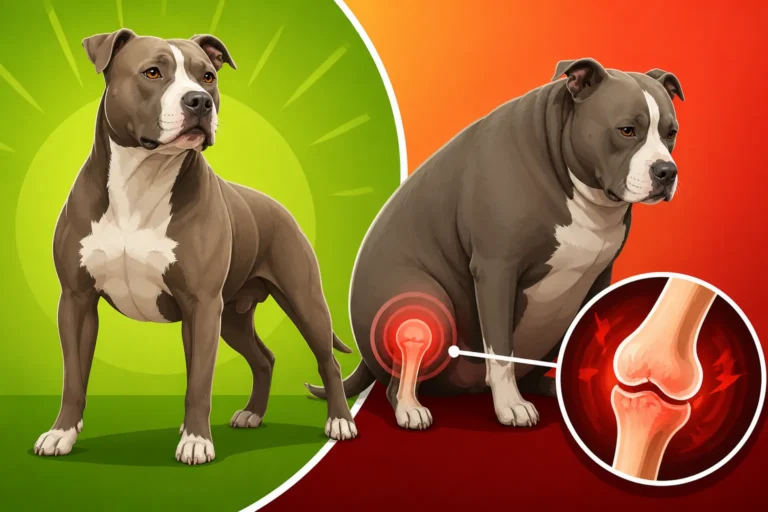
Imagine a finely tuned athletic machine – that's often what a healthy Pit Bull looks like. They boast dense muscle mass and a relatively stocky frame, designed for power and agility. This muscle, while impressive, can also put considerable strain on their joints, especially if not properly conditioned or if combined with excess weight. When a dog has a heavy, muscular body, the forces exerted on the cartilage and ligaments within the joints are intensified with every jump, run, and sudden stop. This constant high-impact stress can lead to wear and tear over time, accelerating degenerative processes like osteoarthritis. It also means that even minor misalignments or weaknesses are amplified, making them more susceptible to injury. Think of it like a weightlifter training without proper form; the sheer power can easily lead to injury if the underlying structure isn't perfectly supported.
Furthermore, the incredible drive and pain tolerance often seen in Pit Bulls can sometimes mask early signs of discomfort. They might push through pain longer than other breeds, which means by the time an owner notices a limp, the underlying issue might already be quite advanced. This stoicism, while admirable, can inadvertently delay diagnosis and treatment, turning a manageable problem into a more complex one. Understanding this inherent trait means we, as their guardians, need to be extra vigilant, paying close attention to subtle changes in their movement or behavior, rather than waiting for obvious lameness.
Growth Plates and Early Development Risks
For puppies and adolescent Pit Bulls, their developing bodies are particularly vulnerable. Growth plates, the soft areas at the ends of long bones that allow them to lengthen, are not fully closed until around 12 to 18 months of age, depending on the individual dog. During this critical period, excessive or inappropriate exercise can cause irreversible damage. High-impact activities like repeated jumping off furniture, long-distance running, or intense agility training before these plates fuse can lead to fractures or abnormal joint development. This is a common pitfall for new owners, eager to channel their energetic puppy's enthusiasm into activity, not realizing they might be setting them up for future orthopedic problems.
The rapid growth phase also plays a role in conditions like osteochondritis dissecans (OCD), where cartilage fails to develop properly and separates from the underlying bone, most commonly in the shoulders, elbows, or knees. This can be exacerbated by overly rapid weight gain or diets that are too high in calories and certain minerals, leading to imbalanced growth. Therefore, careful monitoring of nutrition and exercise during puppyhood is paramount. It’s about finding that sweet spot: enough activity to build muscle and bone density, but not so much that it stresses the delicate, unfused growth plates. This careful balance can truly dictate the long-term health of your Pit Bull's joints.
Common Joint Conditions in Pit Bulls
Pit Bulls are, unfortunately, predisposed to several significant joint conditions, largely due to their genetics and powerful builds. Being aware of these common ailments can help owners recognize symptoms early and seek timely veterinary intervention. Early diagnosis and treatment are often key to managing these conditions and maintaining a good quality of life for your dog.
Hip Dysplasia and Elbow Dysplasia
Hip and elbow dysplasia are two of the most prevalent inherited orthopedic conditions affecting Pit Bulls. They involve abnormal development of the joint, leading to instability and progressive degeneration.
Hip Dysplasia: This condition means the ball and socket of the hip joint don't fit together perfectly, leading to looseness and grinding over time. This friction causes wear and tear on the cartilage, ultimately leading to painful arthritis. Many Pit Bulls begin showing signs of hip dysplasia between one and two years of age, though it can appear earlier or later. You might notice your dog bunny hopping, struggling to climb stairs, or having difficulty getting up after resting. They might also show a reluctance to exercise, a decreased range of motion in their hips, or even lameness in one or both hind legs. In severe cases, the joint can be so unstable that it causes significant pain and limits mobility from a young age. Early screening through X-rays, such as those performed for OFA (Orthopedic Foundation for Animals) or PennHIP evaluations, is crucial, especially for breeders, to try and reduce the incidence of this debilitating condition. Understanding What an OFA Hip Grade Says About a Pit Bull can be very helpful for those looking into the health of their dog's lineage or their own dog's diagnosis.
Elbow Dysplasia: Similar to hip dysplasia, elbow dysplasia is a complex condition involving abnormal growth of the elbow joint, often leading to lameness and pain in the front legs. It's actually a collective term for several different developmental abnormalities, including ununited anconeal process (UAP), fragmented coronoid process (FCP), and osteochondrosis of the medial humeral condyle (OCD). Symptoms typically emerge between 4 to 12 months of age, manifesting as front-end lameness, stiffness after rest, or a reluctance to put weight on the affected leg. You might observe your Pit Bull favouring one front leg, or showing a stilted gait. It can lead to severe osteoarthritis if left untreated, causing chronic pain and reduced mobility. Diagnosing Pit Bull Elbow Dysplasia and Front End Lameness often involves X-rays and sometimes more advanced imaging like CT scans. Early surgical intervention is often recommended to correct the underlying structural issues and slow the progression of arthritis.
Osteoarthritis and Degenerative Joint Disease
Osteoarthritis, often referred to as degenerative joint disease (DJD), is a chronic, progressive condition characterized by the breakdown of cartilage within the joints. It's not usually a primary disease but rather a secondary consequence of other joint issues like dysplasia, previous injuries, or even just the cumulative wear and tear of a Pit Bull's active life. As the cartilage erodes, bone rubs against bone, leading to pain, inflammation, stiffness, and reduced mobility.
The signs of osteoarthritis can be subtle at first, often appearing as a gradual slowing down. An older Pit Bull might be reluctant to jump into the car, play as vigorously, or go for long walks. You might notice they struggle more to get up after a nap, especially on cold or damp days. The joint itself might feel warm to the touch, and they may show sensitivity when you try to touch or manipulate the affected limb. This condition is particularly common in older Pit Bulls, and it's something many owners will encounter as their dogs reach their senior years. While it's not curable, it is highly manageable with a combination of medication, physical therapy, and lifestyle adjustments, focusing on pain relief and maintaining as much mobility as possible. Addressing Arthritis in a Pit Bull at Seven is often about starting a comprehensive management plan before the condition becomes severely debilitating.
Ligament Injuries: The Crucial Connectors
Beyond bone-on-bone issues like dysplasia and arthritis, Pit Bulls are also highly susceptible to injuries involving ligaments and tendons, the fibrous tissues that connect bones to other bones or muscles. Their explosive power and athleticism, coupled with tendencies toward sudden stops, twists, and high-impact activities, can put these vital structures under immense stress.
Cranial Cruciate Ligament CCL Tears
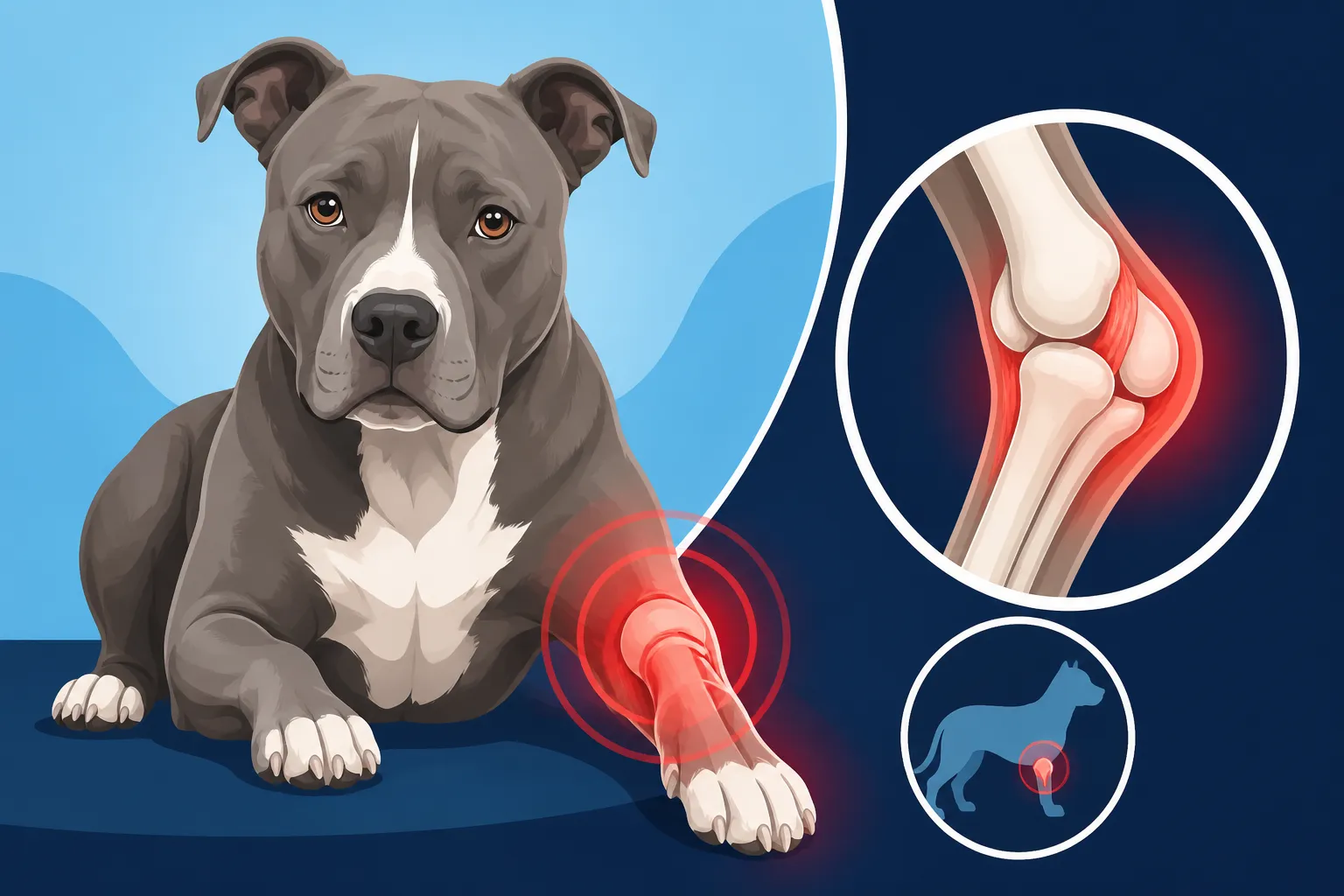
One of the most common and devastating orthopedic injuries in Pit Bulls is a tear of the cranial cruciate ligament (CCL), analogous to the ACL in humans. This ligament is located within the knee (stifle) joint and is crucial for stabilizing the joint, preventing the tibia (shin bone) from sliding forward excessively relative to the femur (thigh bone). CCL tears can be acute, resulting from a sudden traumatic event like a misstep during play or a hard landing, or chronic, developing gradually over time due to slow degeneration of the ligament from repeated stress.
When a full tear occurs, the dog will typically be severely lame, often unable to put any weight on the affected hind leg. A partial tear might present as intermittent lameness that worsens with activity. You might observe a "toe-touching" gait, or swelling around the knee. The instability caused by a torn CCL leads to pain and rapid development of osteoarthritis in the joint. Due to the biomechanics and powerful hindquarters of Pit Bulls, a torn CCL often requires surgical intervention to restore stability to the knee. Without surgery, the joint rapidly deteriorates, and there's a significant risk of the other CCL tearing as well, simply because the dog compensates by putting extra strain on the "good" leg. Understanding Cruciate Ligament Tears in a Muscular Pit Bull is crucial for prompt diagnosis and treatment.
Other Common Ligament and Tendon Issues
While the CCL tear is perhaps the most well-known, Pit Bulls can suffer from a variety of other ligament and tendon injuries. These can range from sprains and strains to complete ruptures.
Patellar Luxation: This condition involves the kneecap (patella) slipping out of its normal groove in the femur. While often seen in smaller breeds, Pit Bulls can also experience patellar luxation, especially if they have structural abnormalities in their knees. It can cause intermittent limping, often described as a "skip" in their step, where the dog might hold their leg up for a few steps before putting weight back on it. While many dogs live with mild luxation, severe or chronic cases can lead to pain, arthritis, and increase the risk of a CCL tear.
Achilles Tendon Injuries: The Achilles tendon, which connects the calf muscles to the heel bone, is critical for pushing off and movement. While less common than CCL tears, Achilles tendon ruptures can occur, especially in highly active dogs or those involved in demanding sports. This injury often results in a dropped hock (the ankle joint), making it difficult for the dog to stand or walk normally.
Shoulder Ligament and Tendon Injuries: Pit Bulls, with their broad chests and powerful front ends, can also be susceptible to shoulder issues. Injuries to the biceps tendon or the ligaments supporting the shoulder joint can occur from repetitive stress or acute trauma. Symptoms might include forelimb lameness, pain when the shoulder is manipulated, or muscle atrophy in the shoulder area. These injuries can be subtle and challenging to diagnose, sometimes requiring specialized imaging like MRI. Prompt and accurate diagnosis is essential for effective treatment and preventing chronic lameness.
Recognizing the Signs: When to Worry
As devoted Pit Bull owners, you're likely tuned into your dog's every mood and movement. But some signs of joint and ligament pain can be subtle, especially in a breed known for its stoicism. Knowing what to look for can make all the difference in catching an issue early and improving the outcome.
Subtle Limping and Changes in Gait
The most obvious sign of an orthopedic problem is limping, but it's not always a dramatic three-legged hop. Often, it starts subtly and can be intermittent. Your Pit Bull might have a slight head bob when walking, shift their weight unevenly, or take shorter strides with one leg. Pay attention to how they walk after getting up from a nap, or after a long period of rest. Does the limp "warm up" and improve with movement, only to return later? This is a classic sign of stiffness and underlying joint pain.
Consider their overall gait. Is it fluid and symmetrical, or do they seem stiff, particularly in the mornings or after heavy exercise? You might notice a reluctance to bear full weight on a particular leg, or a tendency to favor one side. For example, if your Pit Bull has hip pain, they might try to shift more weight to their front legs, or their hind legs might sway more than usual when they walk. Observing your dog on different surfaces – concrete, grass, carpet – can sometimes highlight a subtle lameness that isn't obvious otherwise. Even changes in how they carry their tail or hold their head can sometimes indicate pain. Keeping an eye on their energy levels during walks, if they are lagging behind or wanting to cut walks short, this can also be a subtle indicator that something is amiss.
Pain, Swelling, and Reluctance to Move
Beyond changes in gait, direct signs of pain and physical alterations around the joints are major red flags. If your Pit Bull yelps, flinches, or pulls away when you touch a specific area, especially around a joint, that's a clear indicator of discomfort. Swelling or warmth around a joint is another unmistakable sign of inflammation and potential injury. Feel the joints gently, comparing them side to side; any noticeable difference in size, temperature, or texture warrants veterinary attention.
A general reluctance to move or engage in normal activities is also a critical symptom. Your typically enthusiastic Pit Bull might hesitate before jumping into the car, refuse to climb stairs, or seem less eager for their favorite game of fetch. They might struggle to get up from a lying position, or be slow to settle down comfortably. A Pit Bull that usually loves to play might lie down more frequently, or choose to observe playtime rather than participate. They might even display behavioral changes such as increased irritability, panting more than usual even when not hot, or finding it difficult to find a comfortable resting position. Some dogs may even start licking or chewing at a painful joint or paw excessively, which can be linked to Pit Bull Paw Licking and Chewing. These are all signals that something is causing them pain, and it’s time to consult your vet.
Diagnosis and Veterinary Approaches
Once you suspect your Pit Bull might have a joint or ligament injury, the next critical step is to get a professional diagnosis. A veterinarian can accurately pinpoint the problem, assess its severity, and recommend the most appropriate course of action. This often involves a combination of physical examination and imaging techniques.
Physical Examination and Imaging Techniques
Your veterinarian will start with a thorough physical examination. This isn't just a quick look; it's a systematic assessment of your Pit Bull's entire musculoskeletal system. They will observe your dog's gait, posture, and weight distribution. Then, they'll carefully palpate (feel) each joint, looking for swelling, warmth, pain responses, or any abnormal movements. They'll assess range of motion, stability, and test for specific ligament integrity, such as performing a "drawer test" to check for a torn CCL. This hands-on approach is crucial for localizing the pain and identifying the affected joint or limb.
Following the physical exam, imaging techniques are almost always necessary for a definitive diagnosis.
- Radiographs (X-rays): These are usually the first line of diagnostic imaging. X-rays can reveal bone abnormalities like fractures, signs of arthritis (joint space narrowing, bone spurs), hip and elbow dysplasia, and sometimes even indirect signs of ligament injury. For conditions like hip dysplasia, specific positioning of the dog is required, often under sedation, to get accurate views. Your vet might perform stress radiographs to assess joint instability.
- Ultrasound: While X-rays are excellent for bone, ultrasound is fantastic for soft tissues. It can be used to visualize ligaments, tendons, and surrounding joint structures, helping to identify tears, inflammation, or fluid accumulation that might not show up on an X-ray. It's particularly useful for diagnosing shoulder or stifle tendon injuries.
These diagnostic tools allow your vet to confirm suspicions, rule out other conditions, and determine the exact nature and extent of the injury. Getting clear imaging is often the foundational step in developing an effective treatment plan for your Pit Bull.
Advanced Diagnostics and Specialist Referrals
Sometimes, standard X-rays and physical exams aren't enough to get the full picture, especially for complex or subtle injuries. This is when your veterinarian might recommend advanced diagnostics or a referral to a veterinary orthopedic specialist.
- Computed Tomography (CT) Scans: CT scans provide highly detailed, cross-sectional images of bone and joint structures. They are far more sensitive than X-rays for detecting subtle fractures, complex bone lesions, or early changes associated with elbow dysplasia. For intricate joint problems, a CT scan can offer a three-dimensional view that significantly aids surgical planning.
- Magnetic Resonance Imaging (MRI): MRI is the gold standard for soft tissue imaging. It provides exceptional detail of ligaments, tendons, cartilage, spinal cord, and muscle. For diagnosing partial ligament tears, meniscal injuries within the knee, or subtle shoulder tendonitis that might be missed on X-rays or ultrasound, an MRI is often invaluable. Both CT and MRI scans typically require general anesthesia, as the dog must remain perfectly still for the duration of the scan.
- Arthroscopy: This is a minimally invasive surgical procedure where a small camera (arthroscope) is inserted into the joint. It allows the specialist to directly visualize the inside of the joint, assess cartilage damage, ligament integrity, and remove small bone fragments. Not only is it diagnostic, but it can also be therapeutic, allowing for some repairs to be performed at the same time.
A referral to a board-certified veterinary orthopedic surgeon can be immensely beneficial. These specialists have advanced training and experience in diagnosing and treating complex musculoskeletal issues. They can interpret advanced imaging, perform intricate surgeries, and guide long-term rehabilitation. Don't hesitate if your primary vet suggests a referral; it means they are committed to providing your Pit Bull with the best possible care for their specific condition, leveraging expertise that goes beyond general practice.
Treatment Options for Joint and Ligament Injuries
Once a joint or ligament injury is diagnosed in your Pit Bull, your veterinarian will discuss a range of treatment options. These can vary significantly depending on the type and severity of the injury, your dog's age, overall health, and your family's circumstances. Generally, treatments fall into two main categories: conservative management or surgical intervention.
Conservative Management: Medications and Therapies
For milder injuries, early-stage arthritis, or when surgery isn't an option, conservative management aims to reduce pain, control inflammation, and preserve joint function. This approach often involves a multi-modal strategy combining several therapies.
- Medications:
- Non-Steroidal Anti-Inflammatory Drugs (NSAIDs): These are frequently prescribed for pain and inflammation associated with arthritis or mild injuries. Brands like Rimadyl, Galliprant, and Deramaxx are common. Your vet will determine the appropriate dosage and monitor for side effects, as long-term use requires careful management.
- Pain Relievers: Beyond NSAIDs, other pain medications such as gabapentin or amantadine may be used, particularly for chronic pain or neuropathic components.
- Joint Supplements: Glucosamine, chondroitin sulfate, and Omega-3 fatty acids are popular supplements that can support joint health by promoting cartilage repair and reducing inflammation. While not a cure, they can be a valuable part of a long-term management plan for Joint Support for a Heavily Muscled Pit Bull.
- Physical Rehabilitation (Physiotherapy): This is a critical component of conservative care and often essential after surgery. A certified canine rehabilitation therapist can design a tailored program that includes:
- Therapeutic Exercises: Gentle range-of-motion exercises, controlled leash walks, balance exercises, and core strengthening to rebuild muscle, improve flexibility, and enhance stability without stressing the injured joint.
- Hydrotherapy: Underwater treadmill or swimming can provide low-impact exercise, allowing your Pit Bull to move joints and build muscle without bearing full weight, which is incredibly beneficial for painful or recovering limbs.
- Other Modalities: Laser therapy, therapeutic ultrasound, and massage can help reduce pain, inflammation, and promote healing in affected tissues.
- Activity Modification: This simply means adjusting your Pit Bull's daily routine to avoid activities that exacerbate pain or risk further injury. This could involve shorter, more frequent walks, avoiding stairs, or restricting jumping and rough play. Rest is a powerful healer, especially in the initial stages of an injury.
For owners considering pet insurance, a plan from a provider like Healthy Paws can be incredibly helpful in offsetting the ongoing costs associated with managing chronic conditions, including medications, supplements, and rehabilitation therapies under conservative management.
Surgical Interventions and Recovery
For severe injuries, such as complete CCL ruptures, advanced hip or elbow dysplasia, or persistent instability, surgical intervention is often the most effective path to restore function and alleviate pain. The type of surgery depends entirely on the specific diagnosis.
- Cranial Cruciate Ligament (CCL) Repair: Several surgical techniques are used to stabilize the knee after a CCL tear.
- TPLO (Tibial Plateau Leveling Osteotomy): This is one of the most common and successful procedures. It involves cutting and rotating the top of the tibia bone to change the angle of the joint, making the knee stable without relying on the ligament.
- TTA (Tibial Tuberosity Advancement): Similar to TPLO, TTA also alters the biomechanics of the knee by advancing a part of the tibia.
- Extracapsular Repair (Lateral Suture): This technique uses a strong suture material placed outside the joint to mimic the function of the torn ligament, providing stability until scar tissue can form.
- Hip Dysplasia Surgery:
- Total Hip Replacement (THR): For severe, painful hip dysplasia, THR involves replacing both the ball and socket with prosthetic implants. This offers excellent long-term outcomes and complete pain relief in suitable candidates.
- Femoral Head Ostectomy (FHO): In this procedure, the head of the femur is removed, allowing a "false joint" of muscle and scar tissue to form. It's often considered for smaller dogs or when THR isn't feasible, and can significantly reduce pain, though it might not restore full range of motion.
- Elbow Dysplasia Surgery: Depending on the specific lesion (FCP, UAP, OCD), surgery might involve arthroscopic removal of bone fragments, reattaching bone, or correcting abnormal bone alignment.
- Post-Surgical Recovery and Rehabilitation: Surgery is only half the battle. The recovery period is crucial and often lengthy, typically lasting 8-12 weeks or more. This involves strict confinement, controlled leash walks, and a dedicated physical rehabilitation program tailored to the specific surgery. It's an intensive commitment, but essential for optimal healing and regaining strength. Your rehab therapist will guide you through exercises, stretches, and modalities to help your Pit Bull regain muscle mass, improve range of motion, and prevent complications. A strong recovery depends heavily on adherence to the post-operative instructions and the consistent effort put into rehabilitation. For conditions that require complex or recurring surgical procedures, pet insurance from companies like Healthy Paws can prove invaluable, helping to manage the substantial costs involved.
Prevention and Long-Term Joint Health
While some joint and ligament issues have a strong genetic component, there's a lot you can do as a Pit Bull owner to support their joint health and potentially prevent or minimize the severity of injuries throughout their life. Proactive care is truly the best defense.
Weight Management and Balanced Nutrition
One of the single most impactful things you can do for your Pit Bull's joints is to maintain a lean, healthy weight. Every extra pound your dog carries translates to significantly more stress on their joints, accelerating wear and tear and exacerbating conditions like arthritis or dysplasia. Imagine carrying a backpack filled with bricks all day – that's what being overweight feels like for your dog's joints. It also increases the risk of How Weight Multiplies the Load on Pit Bull Joints.
- Calorie Control: Work with your veterinarian to determine the ideal calorie intake for your Pit Bull based on their age, activity level, and body condition. Don't just follow the bag's recommendations blindly, as these are often generalized. Use a measuring cup or scale to ensure precise portions.
- High-Quality Diet: Feed a high-quality dog food that provides balanced nutrition. For puppies, ensure they are on a large breed puppy formula if recommended by your vet, which supports slower, more controlled growth to protect developing joints. Avoid diets that are too high in calories, protein, or calcium during puppyhood.
- Healthy Treats: Treats are fine in moderation, but factor them into your dog's daily calorie count. Opt for low-calorie options like raw carrots, green beans, or specialized dental chews.
- Body Condition Scoring: Learn to assess your Pit Bull's body condition. You should be able to easily feel their ribs without pressing hard, see a noticeable waist when viewed from above, and have an abdominal tuck when viewed from the side. A healthy weight is about lean muscle, not fat. If you're unsure, your vet can help you with Telling Muscle From Fat on a Pit Bull.
A lean body condition reduces the load on joints, decreases inflammation throughout the body, and allows your Pit Bull to move more freely and comfortably. This preventative measure is often more effective and less expensive than treating problems after they arise.
Appropriate Exercise and Activity Modification
Exercise is vital for a Pit Bull's physical and mental well-being, but the type and intensity of exercise need to be carefully managed to protect their joints and ligaments, especially during growth and in old age.
- Controlled Exercise for Puppies: As mentioned, avoid high-impact activities for puppies whose growth plates are still open. This means no long-distance running, intense agility, or repetitive jumping before 12-18 months of age. Focus on short, frequent, controlled walks and supervised play on soft surfaces.
- Structured, Moderate Exercise for Adults: For adult Pit Bulls, regular, moderate exercise is key. This could include daily brisk walks, hiking on varied terrain, swimming (an excellent low-impact option), or controlled fetch sessions. Activities that build core strength and balanced muscle development are ideal.
- Warm-Up and Cool-Down: Just like human athletes, dogs benefit from a warm-up before intense activity and a cool-down afterward. A few minutes of gentle walking before a strenuous game can prepare their joints, and a slow walk afterward helps muscles recover.
- Avoid Overexertion: Don't push your Pit Bull beyond their comfort level, especially if they haven't been regularly conditioned. Gradually increase duration and intensity of exercise. Watch for signs of fatigue or lameness during or after exercise.
- Listen to Your Dog: If your Pit Bull shows any sign of discomfort, stiffness, or reluctance to perform an activity, stop and rest. Pushing through pain can turn a minor strain into a significant injury. This is especially true for Getting a Pit Bull Back Into Condition after a period of inactivity.
- Safe Play: While Pit Bulls often enjoy rough play, ensure it's safe. Avoid activities that involve excessive twisting, hard stops, or high-impact jumps on hard surfaces. Choose appropriate toys that don't encourage awkward movements or excessive force on their jaws or bodies.
Balancing their natural exuberance with mindful exercise choices is critical for long-term joint health.
Supplements and Proactive Care
Beyond diet and exercise, certain supplements and proactive strategies can provide additional support for your Pit Bull's joints.
- Nutraceuticals: As mentioned earlier, joint supplements containing glucosamine, chondroitin sulfate, and MSM are popular choices. Omega-3 fatty acids (EPA and DHA) from fish oil also have powerful anti-inflammatory properties beneficial for joint health. Consult your vet before starting any supplements to ensure they are appropriate for your dog and to get proper dosage recommendations. Look for products with NASC (National Animal Supplement Council) quality seals for assurance.
- Regular Veterinary Check-ups: Biannual vet visits allow your veterinarian to routinely assess your Pit Bull's gait, palpate their joints, and catch any subtle signs of problems before they become severe. Early detection of issues like Pit Bull Hip Dysplasia Showing at One to Two Years allows for earlier intervention and better management.
- Environmental Adjustments: Make your home joint-friendly. Provide orthopedic beds for comfortable resting, use ramps for cars or high furniture if your dog struggles to jump, and consider non-slip rugs on slick floors to prevent slips and falls.
- Considering Neutering Timing: Emerging research suggests that the timing of spay/neuter surgery can sometimes influence orthopedic health, with some studies indicating a higher incidence of certain joint disorders in dogs neutered early. Discuss When to Neuter a Pit Bull Without Costing Joints with your veterinarian to make an informed decision based on your individual dog's health, lifestyle, and breed-specific risks.
By integrating these preventative measures into your Pit Bull's routine, you're not just reacting to problems; you're actively investing in a lifetime of comfort and mobility for your beloved companion.
Life with a Pit Bull Managing Chronic Joint Issues
Living with a Pit Bull that has chronic joint or ligament issues can be challenging, both emotionally and practically. It requires patience, dedication, and a commitment to adapting their environment and routine to maintain their quality of life. The goal isn't just to manage pain but to ensure they can still enjoy life to the fullest extent possible.
Adapting Your Home for Comfort
When your Pit Bull is dealing with chronic joint pain, small adjustments around the house can make a huge difference in their daily comfort and prevent further injury.
- Orthopedic Beds: Invest in a high-quality orthopedic dog bed. These beds provide superior support and cushioning, alleviating pressure points on painful joints, especially crucial for a heavy, muscular breed like a Pit Bull. Avoid thin, unsupportive beds that offer little relief.
- Non-Slip Surfaces: Slippery floors (hardwood, tile, laminate) can be treacherous for dogs with compromised mobility, leading to falls and exacerbating joint pain. Lay down non-slip rugs or runners in frequently trafficked areas. Consider booties with traction for added grip, though many dogs take time to get used to them.
- Ramps and Steps: If your Pit Bull loves to join you on the couch or bed, or needs help getting into the car, provide ramps or doggy steps. This eliminates the need for painful jumping and reduces strain on their joints. Even small steps can be challenging for dogs with advanced arthritis or hip issues.
- Raised Food and Water Bowls: For dogs with neck or shoulder pain, raised bowls can make eating and drinking more comfortable, reducing the need to stoop down.
- Grooming Aids: If your Pit Bull struggles to stand for long periods, consider grooming tools that allow you to brush or wipe them down while they're lying comfortably. Some grooming shops offer specialized services for senior or mobility-challenged dogs.
These modifications aren't about coddling; they're about creating an environment that respects their physical limitations and minimizes daily discomfort, allowing them to conserve energy and move with less pain.
Maintaining Quality of Life and Emotional Support
Beyond physical adaptations, maintaining your Pit Bull's mental and emotional well-being is paramount when they're managing chronic pain. Their spirit needs nurturing just as much as their body.
- Appropriate Exercise and Mental Stimulation: While intense physical activity may be off the table, maintaining appropriate exercise is still crucial. Controlled, short, flat walks, gentle swimming, or even just quiet time in the yard can help keep muscles strong and prevent stiffness. Mental stimulation becomes even more important. Puzzle toys, scent games, and short training sessions (teaching new tricks that don't involve strenuous movement) can keep their minds engaged and prevent boredom and frustration. For ideas on Indoor Trick Work for a Bored Pit Bull, focus on activities that don't stress their joints.
- Regular Pain Management and Vet Consults: Adhere strictly to your veterinarian's pain management plan. This might include daily medications, supplements, or regular injections. Don't wait for your Pit Bull to show obvious signs of severe pain before administering medication. Regular check-ups with your vet are essential to monitor their progress, adjust medication as needed, and explore new therapies. This continuous oversight is part of Caring for a Pit Bull in Its Second Decade and beyond.
- Gentle Handling and Affection: Your Pit Bull might be more sensitive to touch around painful areas. Learn how to handle them gently, supporting their body weight when helping them up or down. Continue to provide plenty of affection and reassurance. Their bond with you is a powerful source of comfort.
- Recognizing Subtle Changes: As pain progresses or new issues arise, your Pit Bull might show subtle behavioral changes like increased irritability, withdrawal, changes in appetite, or altered sleeping patterns. Be vigilant and communicate these changes to your vet immediately. Sometimes, what seems like a behavioral issue is actually a cry for help related to pain.
- Emotional Support for You: It's okay to feel sad, frustrated, or overwhelmed when your active Pit Bull is struggling. Dealing with chronic illness in a beloved pet is emotionally taxing. Seek support from your vet, fellow Pit Bull owners, or online communities. Remember that you are doing everything you can to provide the best possible life for your furry family member, and that's what truly matters.
Ultimately, living with a Pit Bull managing joint and ligament injuries is about finding a new rhythm. It's about adapting, observing, and advocating for their comfort and happiness every single day. Their resilient spirit, combined with your unwavering love and care, can ensure they continue to live a fulfilling and joyful life, even with their limitations.
| Injury/Condition | Common Symptoms | Typical Age of Onset | Standard Treatment Approaches |
|---|---|---|---|
| Hip Dysplasia | Bunny hopping, reluctance to jump/climb, hind leg lameness, stiffness | 1-2 years, or later | Weight management, pain meds, supplements, FHO, THR |
| Elbow Dysplasia | Front-end lameness, stiffness after rest, reluctance to bear weight | 4-12 months | Weight management, pain meds, supplements, surgical correction |
| Cranial Cruciate Ligament (CCL) Tear | Sudden non-weight bearing, limping, knee swelling, "drawer sign" | Any age (often 3-7 years) | Pain meds, physical rehab, TPLO, TTA, Lateral Suture |
| Osteoarthritis (DJD) | Stiffness after rest, reluctance to exercise, reduced mobility, limping | Older dogs (7+ years) | Weight management, NSAIDs, joint supplements, physical rehab, injections |
| Patellar Luxation | Intermittent limping, "skipping" gait, holding leg up | Often young, can be later | Weight management, pain meds, surgical correction |
Disclaimer
The information provided in this guide is for general educational purposes only and should not be considered as a substitute for professional veterinary advice. Always consult with a qualified veterinarian for any health concerns or before making any decisions related to your Pit Bull's medical care or treatment plan.