The 1835 Ban That Redirected Pit Bull Breeding
For those of us who share our lives with a Pit Bull type dog, it's common to encounter both admiration and misunderstanding. Often, this misunderstanding stems from a lack of knowledge about their origins, and specifically, how a pivotal legislative act almost two centuries ago profoundly reshaped the trajectory of their development. This guide will delve into the historical event of the 1835 ban on certain blood sports in the UK and explore how it inadvertently redirected the breeding practices that ultimately gave rise to the Pit Bull types we know and love today.
The Historical Context: Blood Sports Before the Ban
Before we can truly grasp the impact of the 1835 ban, we need to understand the world into which these dogs were born. The early 19th century in Great Britain was a vastly different time, where entertainment often revolved around spectacles that many today would find abhorrent. These events weren't just niche activities; they were popular forms of public amusement, attracting crowds from all walks of life.
The Rise of Bull and Bear Baiting
Imagine bustling town squares, roaring crowds, and a large animal, often a bull or a bear, chained to a stake. This was the scene of bull and bear baiting, a "sport" that had been popular for centuries. Dogs, often large, powerful Bulldogs of an older, stockier type than today's show Bulldogs, were specifically bred and trained for these brutal encounters. Their job was to latch onto the larger animal and hold on, demonstrating immense strength and tenacity. These dogs were valued for their powerful jaws, low center of gravity, and unwavering grip. The sheer spectacle of man and dog against beast was a major draw, providing a form of excitement and gambling for the populace.
Early Dog Fighting and the Birth of the "Bull and Terrier"
As gruesome as bull and bear baiting was, another, more intimate, and ultimately more influential form of blood sport was also gaining traction: dog fighting. It was in this arena that the ancestors of our modern Pit Bull types truly began to take shape. People started to realize that the heavy, slower bulldogs, while excellent for holding a large animal, weren't always ideal for the quicker, more agile combat of dog-on-dog fighting.
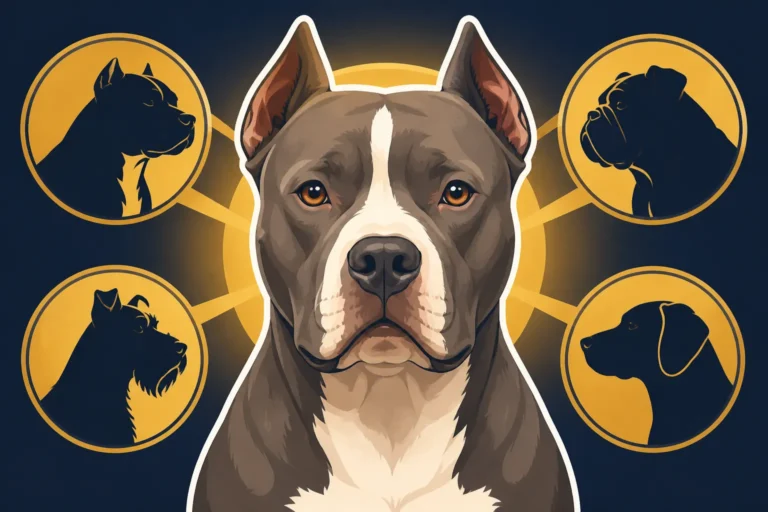
To create a more effective fighting dog, breeders began crossing these old bulldogs with terriers. Terriers, with their fiery spirit, quickness, and intelligence, brought a new dynamic to the mix. The goal was to combine the immense power and tenacity of the bulldog with the agility, speed, and sharp reflexes of the terrier. This crossbreeding created a new type of dog, often referred to as the "Bull and Terrier." These dogs were smaller, faster, and incredibly tenacious, possessing an unmatched drive to continue fighting regardless of injury or fatigue – a trait breeders called "gameness." They were bred to excel in a pit, a designated area where these contests took place.
The Game-Changer: The Cruelty to Animals Act of 1835
The Victorian era brought with it a burgeoning sense of public morality and a growing movement against animal cruelty. Public sentiment began to shift, leading to calls for legislative action against the more barbaric forms of entertainment.
What the Ban Actually Prohibited
In 1835, the British Parliament passed the Cruelty to Animals Act. This landmark legislation specifically outlawed the organized baiting of larger animals, such as bulls, bears, and even badgers. It was a significant step towards animal welfare, reflecting a changing societal view on what was considered acceptable entertainment. The large, public spectacles of bull baiting, which had defined canine breeding for certain traits for generations, were effectively shut down.
However, and this is a crucial point, dog fighting was not explicitly outlawed by this same act. While it was certainly cruel, it often took place in much smaller, more clandestine settings, making it harder to define and police within the broad strokes of the law. This oversight, or perhaps deliberate omission, had profound and, in many ways, tragic consequences for the development of the "Bull and Terrier" type dogs.
The Unintended Consequences for Breeding
The ban didn't eliminate the desire for blood sports; it simply drove them underground. Without the public spectacle of bull baiting, dog fighting became the primary outlet for those seeking such "entertainment." This shift had an immense impact on breeding practices.
Instead of needing dogs large enough to engage a bull, the new focus was entirely on dogs that could excel in a one-on-one dog fight. This meant that the intense selective breeding for "gameness" – the unwavering desire to continue fighting regardless of pain or injury – was amplified. Breeders sought to produce dogs that were compact, incredibly strong for their size, agile, and, above all, possessed an indomitable fighting spirit. The secrecy surrounding these events meant that undesirable traits, such as aggression towards humans (which would make handling difficult in the pit), were largely bred out, as handlers needed to safely separate dogs mid-fight. However, dog-on-dog aggression was, ironically, heightened. This intense, albeit underground, selective breeding solidified many of the physical and temperamental characteristics that would later define the Pit Bull type.
The Divergence of Bloodlines: From Pits to Pets (Eventually)
The impact of the 1835 ban, and the subsequent underground breeding, led to a clear divergence in the paths of these dogs. While some were undoubtedly still bred solely for fighting, others found new roles.
Focus on Gameness and Compactness
The dogs that emerged from this period were remarkably consistent in their core traits: incredible strength for their build, explosive power, formidable jaws, and that deep-seated tenacity. They were typically medium-sized, agile, and powerfully muscled, a far cry from the bulkier bulldogs of earlier centuries. The emphasis on gameness meant they were often incredibly driven and resilient, qualities that, outside of the fighting pit, translated into exceptional working abilities and a strong desire to please a handler.
This relentless focus on performance in the fighting pit, however, also inadvertently created a dog with incredible athletic potential and a strong bond with its human handlers. The dogs had to be trustworthy with people so they could be managed and handled in the pits, which is a key reason why human aggression was (and still is) considered a fault in responsible Pit Bull breeding.
The Path to America and Different Roles
As immigrants made their way to America, many brought their prized "Bull and Terrier" dogs with them. These dogs quickly found new purposes in the expanding American landscape. They were used on farms for catching wild hogs and cattle, guarding property, and serving as loyal family companions. Their strength, determination, and protectiveness made them invaluable working dogs.
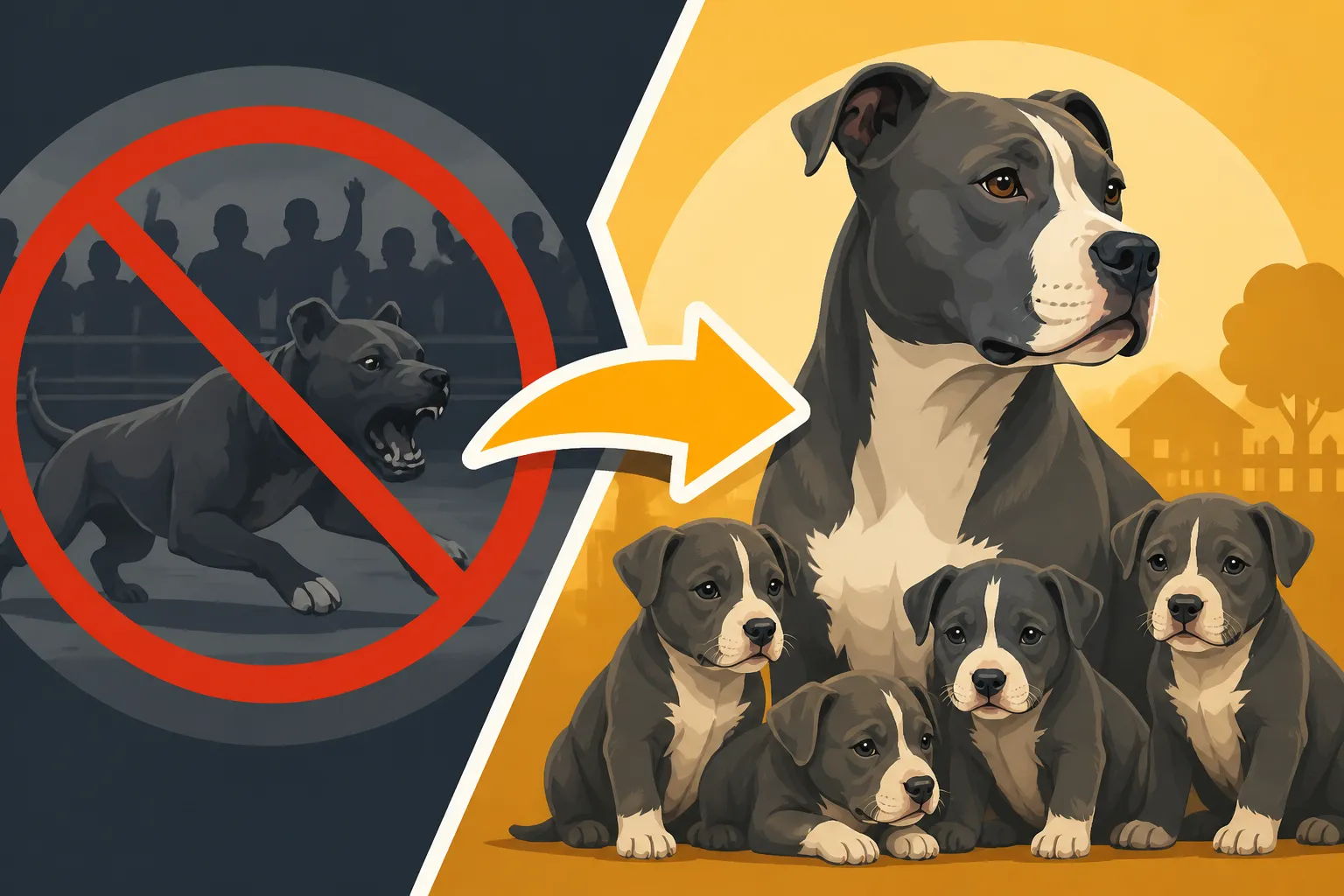
While dog fighting sadly persisted, and still does in some dark corners today, the versatility of these dogs meant they also became cherished members of families. They earned a reputation as dependable and loving companions, often seen as "all-around" farm dogs capable of everything from pest control to playing with children. This dual development, both in clandestine pits and as valued household members, speaks to the complex history that shaped these dogs. You can learn more about how these incredible dogs made their journey in How Pit Bull Type Dogs Reached America.
Lasting Impact on the Pit Bull Type
The legacy of the 1835 ban and the breeding that followed continues to shape the Pit Bull type dogs we see today, influencing both their physical attributes and how they are perceived by the public.
Physical and Temperamental Legacies
The physical traits we associate with Pit Bulls – the powerful, athletic build, the broad head, the strong jaw, and muscular neck – are direct results of centuries of selective breeding. These are working dogs, built for strength and endurance. Understanding The Bull and Terrier Origin of the Pit Bull provides even more context.
Temperamentally, the "gameness" bred for the pit, when channeled positively, manifests as an incredible drive, enthusiasm, and loyalty. These dogs are often highly intelligent, eager to please, and possess a remarkable resilience. However, the history also contributes to the trait of "dog selectivity," meaning some Pit Bull types may not thrive in multi-dog households or do best as the only dog. This is not necessarily aggression in the traditional sense, but a strong preference for not sharing resources or space with other canines, a direct echo of their past. It’s a nuanced topic, and understanding Pit Bull Temperament and What Testing Shows can help owners navigate these traits. When looking for high-quality food or enrichment toys for a strong, active Pit Bull, many owners turn to retailers like Chewy for a wide selection.
Navigating the Historical Shadow
This complex history is unfortunately often oversimplified or sensationalized, leading to misconceptions and prejudice. The very characteristics that make Pit Bulls exceptional athletes and loyal companions – their strength, tenacity, and drive – are often weaponized against them in public discourse. This historical shadow has contributed to breed-specific legislation and negative stereotypes, impacting countless innocent dogs and their devoted owners.
It’s vital for current and prospective Pit Bull owners to understand that "Pit Bull" isn't a single recognized breed but a type of dog, encompassing several breeds like the American Pit Bull Terrier, Staffordshire Bull Terrier, and American Staffordshire Terrier. For more on this, check out Why Pit Bull Is a Type and Not a Breed. Due to this type designation and historical context, owners often face unique challenges, from finding suitable housing to securing insurance, in areas Where Pit Bull Legislation Still Applies.
This history means that Pit Bull owners often feel they have to Training a Pit Bull to a Higher Standard Than Other Dogs, demonstrating their dog's exemplary manners to counter negative perceptions. It also means carefully considering their compatibility with other dogs, as discussed in Pit Bull Dog Selectivity and Multi-Dog Homes. Choosing to bring a Pit Bull into your life, especially for new dog owners, requires dedication and a thorough understanding of their needs, as explored in Whether a Beginner Should Take On a Pit Bull. Responsible ownership is paramount, and being prepared means understanding the roots of both their wonderful qualities and the challenges they may present. Finding durable toys and specialized diets for a strong Pit Bull is easy to do through platforms like Chewy, ensuring their health and happiness.
Here's a quick overview of how breeding focus shifted before and after the 1835 ban:
| Feature/Focus Area | Breeding Before 1835 Ban (Bull Baiting) | Breeding After 1835 Ban (Dog Fighting) |
|---|---|---|
| Primary Purpose | Engaging and holding large animals (bulls, bears) | Engaging and defeating other dogs in a pit |
| Desired Size | Larger, heavier, sturdier build for leverage and strength | More compact, agile, and powerful for their size |
| Key Traits Emphasized | Grip, brute strength, tenacity, low center of gravity | Gameness (unwavering drive), agility, speed, explosive power |
| Crossbreeding | Primarily old Bulldogs | Bulldog x Terrier crosses (e.g., "Bull and Terrier") |
| Publicity of Events | Large, public spectacles | Clandestine, underground events |
| Human Aggression | Tolerated, but not desired | Strongly discouraged, as handlers needed to manage dogs safely |
| Dog-on-Dog Aggression | Present, but not the sole focus of breeding | Highly intensified through selective breeding |
This transformation shows how a single legislative act, intended to improve animal welfare, dramatically reshaped the evolutionary path of a canine type, creating the foundational characteristics of the Pit Bull as we know them today. When you're stocking up on supplies for your Pit Bull, whether it's specialized food for a sensitive stomach or durable toys, remember Chewy can often provide what you need.
Disclaimer
This article is for general informational purposes only and does not constitute professional advice. Laws, prices and regulations vary by location and change over time. Consult a qualified professional for guidance on your specific situation.