Whether Renaming Pit Bulls Would Help Them
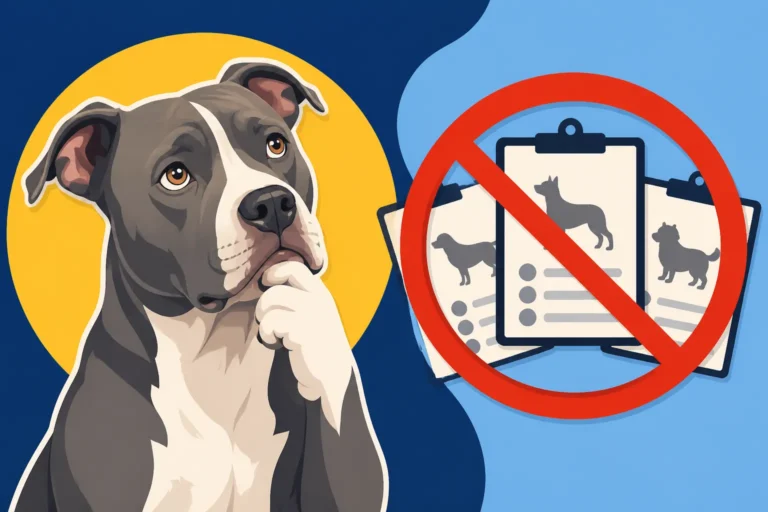
For many Pit Bull owners and advocates, the frustrations are deeply personal. You know your dog is a loving, gentle, and loyal member of your family, yet the world often sees a dangerous stereotype. This pervasive negative image can make everything from finding housing to securing insurance a nightmare, and it undeniably impacts how long these wonderful dogs wait in shelters. This guide delves into the complex question of whether renaming Pit Bulls would truly help them overcome these ingrained biases and improve their chances at a better life, exploring the arguments for and against such a significant change.
The Core Problem: A Name Laden with Misconception
The term "Pit Bull" itself is a lightning rod, often conjuring images of aggression and danger for many people. It’s a sad reality that this perception is often detached from the actual temperament of individual dogs. Understanding why this name carries such a heavy burden is the first step in addressing the challenges Pit Bull type dogs face.
Why the "Pit Bull" Label Itself is Complex
One of the biggest hurdles is that "Pit Bull" isn't a single, recognized breed in the same way a Labrador Retriever or a German Shepherd is. It's an umbrella term used to describe a variety of dogs that share similar physical characteristics. Typically, when people say "Pit Bull," they might be referring to an American Pit Bull Terrier, an American Staffordshire Terrier, or even a Staffordshire Bull Terrier. Beyond these, there are numerous mixes and bully-type breeds that get lumped into the category due to their build, head shape, and musculature.
This lack of a clear, singular definition leads to immense confusion. Shelters often use visual identification to label dogs as Pit Bulls, even when DNA evidence might tell a different story. This means a dog that is only a small percentage Pit Bull in its ancestry, or even one with no Pit Bull at all but a similar look, can carry the full weight of the "Pit Bull" label. Imagine walking into a shelter hoping to adopt, and being immediately put off by a dog labeled "Pit Bull" due to preconceived notions, when in reality, that dog might be primarily a Boxer mix or something else entirely. It’s a misidentification that can quite literally be a life-or-death situation for an animal waiting for a home. We've explored this in more detail in Why Pit Bull Is a Type and Not a Breed.
The Weight of Public Perception and Stereotypes
The public perception of Pit Bulls hasn't emerged in a vacuum; it's been shaped by decades of media sensationalism, fear-mongering, and tragic incidents that are often amplified without context. From news reports focusing solely on the breed when an incident occurs, to movies and television shows depicting them as aggressive guard dogs or fighting animals, the narrative has often been overwhelmingly negative. This constant reinforcement creates a powerful, often subconscious, bias in people's minds.
This stereotype is so deeply ingrained that it influences everything from municipal laws to the policies of landlords and insurance companies. Breed-specific legislation (BSL) in various cities and states directly targets dogs identified as Pit Bulls, imposing restrictions, muzzling requirements, or even outright bans. For an owner, this means your family pet could be legally restricted or even confiscated simply because of how it looks, regardless of its behavior. Landlords may have "no Pit Bull" clauses, forcing families to choose between their beloved pet and suitable housing. Insurance companies frequently deny homeowners' policies or charge exorbitant premiums if a Pit Bull lives in the home. These aren't just minor inconveniences; they are significant barriers that make responsible Pit Bull ownership incredibly challenging. Understanding Pit Bulls in Culture and Public Perception helps explain why these challenges persist.
How the Name Affects Shelter Outcomes
For dogs sitting in shelters, the "Pit Bull" label is often a sentence to a longer stay, or worse. Shelters are overflowing with Pit Bull type dogs, making up a significant portion of their intake. When a potential adopter sees a kennel card reading "Pit Bull mix," that label can immediately trigger all the negative stereotypes discussed above, causing them to bypass an otherwise wonderful dog. They might assume the dog is inherently aggressive, dangerous, or difficult to manage, even if the dog is wagging its tail, offering kisses, and showing no signs of behavioral issues.
This phenomenon is well-documented: dogs labeled as Pit Bulls generally wait longer for adoption and face higher euthanasia rates compared to dogs of other breeds, even when their individual temperaments are assessed as friendly and stable. Shelters often face a heartbreaking dilemma: be transparent with the label and risk a longer stay, or try to rename or rebrand the dog and potentially face questions about transparency. The name impacts the first impression, and in a crowded shelter environment where dogs have mere seconds to make a connection with a potential adopter, that first impression is everything. For more on this, check out Why Pit Bull Label Changes a Shelter Outcome.
The Idea of Renaming: What's Behind It?
Given the profound impact of the "Pit Bull" label, it's natural that people have explored the idea of changing the name as a potential solution. The thinking is simple: remove the loaded term, and perhaps you remove the stigma.
"Rebranding" as a Strategy for Other Breeds
The concept of renaming dog breeds isn't new; it has historical precedents, often linked to efforts to improve public image or disassociate a breed from negative connotations. Perhaps one of the most famous examples is the German Shepherd Dog, which during and after the World Wars in certain countries, was sometimes referred to as an "Alsatian" to distance it from its German origins. Similarly, breeds like the Siberian Husky were once known as "Siberian Chukchi" or "Siberian sled dogs" before gaining their current, more marketable name. The Alaskan Malamute also underwent a similar shift from "Malamute Sled Dog."
These renamings were often strategic, aimed at broadening appeal or mitigating prejudice in specific cultural or political climates. The hope was that a new name would allow people to see the dog for its qualities, rather than through a lens of past associations. This history provides a compelling argument for those who believe a similar "rebranding" could work wonders for Pit Bulls, giving them a fresh start in the public eye.
The Hope for Reduced Stigma and Increased Adoptions
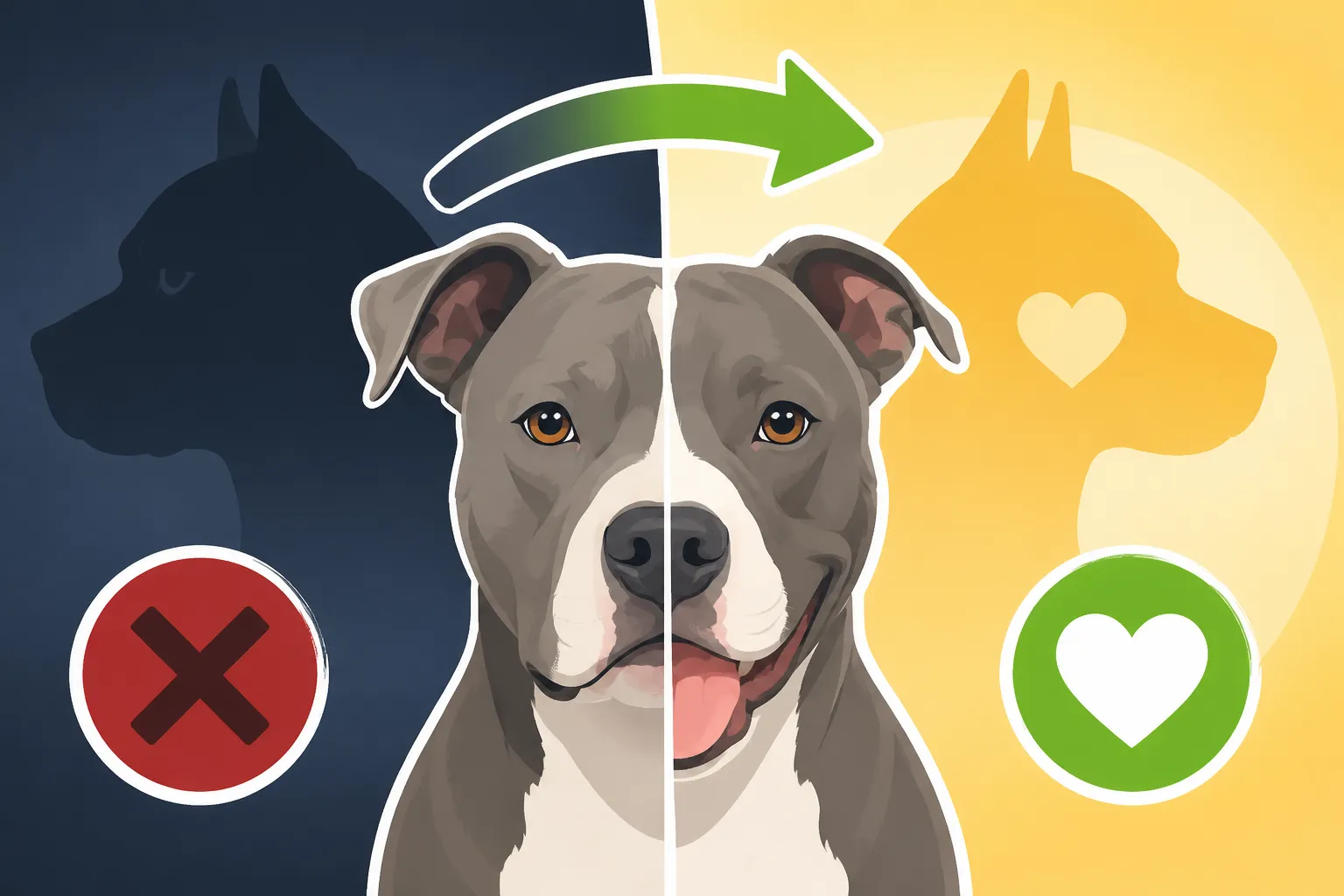
The primary motivation behind renaming is the sincere hope that a different name could bypass the ingrained prejudice and open doors for these dogs. Imagine a world where a shelter dog, instead of being called a "Pit Bull mix," is labeled a "Canine Companion," a "Staffordshire Blend," or even a "Terrier Mix" if its genetics align. Proponents argue that without the immediate negative trigger of "Pit Bull," potential adopters would be more likely to pause, interact with the dog, and judge it based on its individual personality and behavior, rather than its perceived breed.
This could lead to several positive outcomes. Shelters might see an increase in adoption rates for these dogs, reducing their length of stay and freeing up kennel space. More families might consider adopting a "Canine Companion" than a "Pit Bull," leading to more loving homes. It could also potentially ease some of the struggles with housing and insurance. If a landlord's policy bans "Pit Bulls," but your dog is officially recognized as a "Terrier Mix" (even if visually similar to a Pit Bull), there might be a loophole or at least a less immediate dismissal. It could also help shift How Public Opinion on Pit Bulls Has Shifted by allowing the public to form new associations.
The Mechanics of Changing a Name
If renaming were to occur, who would drive the change? It's not as simple as changing a label on a kennel card. While shelters can certainly use more neutral terms like "Terrier mix" or "American Canine" when listing dogs for adoption, a widespread, official renaming would require a much larger, coordinated effort.
Animal welfare organizations and advocacy groups are often at the forefront of such initiatives. They might push for changes in how breeds are classified and referred to in public documents, lobbying for "breed-neutral" descriptions or the adoption of alternative terminology. Breed registries, such as the United Kennel Club (UKC) for the American Pit Bull Terrier or the American Kennel Club (AKC) for the American Staffordshire Terrier, would be crucial players if official breed names were to change, though this is a complex and highly resistant process given their historical roles. Newer registries, like those for the American Bully, have already worked to establish distinct identities for their dogs, which often visually resemble Pit Bulls but are striving for their own recognition.
Ultimately, for any renaming to have a lasting impact, it would need to permeate not just shelter practices, but also veterinary records, public discourse, and perhaps even legal definitions. Without a broad consensus, a new name might only add to the existing confusion.
The Challenges and Downsides of Renaming
While the appeal of renaming is understandable, the reality of implementing such a change, and its potential effectiveness, is far more complex. There are significant challenges and potential downsides that need to be carefully considered.
The "Whac-A-Mole" Effect: Does the Stigma Just Follow the Dog?
One of the most potent arguments against renaming is the "whac-a-mole" effect. Critics suggest that simply changing the name without addressing the root causes of the stigma – which often involve breed characteristics, perceived bite force, and historical associations with dog fighting – would be futile. The argument is that if the physical appearance and general type of dog remain the same, the negative associations will simply transfer to the new name over time.
For example, if "Pit Bull" were replaced with "Bully Breed," would "Bully Breed" eventually acquire the same negative connotations? It's not the word itself that causes the fear, but what people associate with the physical dog it describes. If a dog with a broad head, muscular build, and strong jaws is consistently involved in incidents (or perceived to be), and then that dog type is renamed, the public might simply learn to fear the new name. This would put us right back where we started, having expended significant effort for little long-term gain in public perception.
Confusion for Owners, Vets, and Authorities
Imagine the chaos if different organizations started using different names for the same type of dog. What if a dog adopted from one shelter as a "Canine Companion" is then referred to by a veterinarian as a "Pit Bull mix" in its medical records, or by local animal control as a "Bully Type dog"? This inconsistency would be a nightmare for identification, communication, and proper care.
Veterinarians rely on accurate breed identification to understand potential breed-specific health concerns, such as Pit Bull Hip Dysplasia Showing at One to Two Years or Pit Bull Skin Allergies and the Atopy Pattern. If a dog's "official" name doesn't reflect its genetic reality, it could complicate diagnosis and treatment. For owners, it creates confusion when buying breed-specific products or seeking advice. When you're looking for durable toys for a strong chewer, or specialized food for a sensitive stomach at Chewy, knowing your dog's likely breed type helps narrow down effective options. Furthermore, for legal authorities enforcing breed-specific ordinances, a changed name might make their job even harder, leading to subjective interpretations and arbitrary enforcement based on visual appearance rather than a consistent definition. This is a real concern when considering How a City Decides a Dog Is a Pit Bull.
The Importance of Accurate Identification for Safety and Research
While the emotional desire to escape stigma is strong, accurate identification of dog breeds and types plays a crucial role in public safety, scientific research, and responsible breeding practices. When incidents occur, law enforcement and public health officials need reliable data to understand trends and implement effective preventative measures. If every dog that looks like a Pit Bull is given a different, vague, or misleading name, it becomes nearly impossible to track breed-specific health issues, behavioral patterns, or the effectiveness of training interventions.
Research into genetic predispositions, temperament traits, and even the efficacy of certain medications can be hampered by inaccurate or inconsistent breed labeling. For example, if a specific line of Pit Bulls has a known genetic condition like Pit Bull Cerebellar Ataxia and the DNA Test, accurate identification is vital for breeders and owners to make informed decisions. Diluting breed identities through renaming might inadvertently obscure important information that could benefit the health and well-being of dogs and the safety of communities.
| Argument for Renaming Pit Bulls | Argument Against Renaming Pit Bulls |
|---|---|
| Reduces immediate negative stigma | Stigma may simply transfer to the new name ("whac-a-mole" effect) |
| May increase adoption rates | Creates confusion for owners, vets, and authorities |
| Could bypass breed-specific policies | Obscures accurate identification for safety, health, and research |
| Allows individuals to be judged by merit | Avoids addressing root causes of public fear (e.g., bite dynamics) |
| Historic precedent for breed "rebranding" | Ignores the actual physical characteristics and genetic heritage |
| Offers a fresh start and positive framing | Requires massive, coordinated effort with uncertain long-term impact |
Beyond the Name: Real Solutions for Pit Bulls
If simply changing a name isn't the magic bullet, what can truly make a difference for Pit Bulls and their owners? The answer lies in a multi-pronged approach that tackles education, responsible ownership, and systemic change.
Education and Responsible Ownership
The most enduring solution to the Pit Bull image problem is comprehensive, ongoing education. This means shifting the focus from blanket breed stereotypes to individual dog behavior and the importance of responsible ownership for all dogs, regardless of their appearance. We need to educate the public about dog body language, bite prevention, and the factors that truly contribute to a dog's behavior, which are far more complex than just breed. This includes addressing myths head-on, such as the persistent "nanny dog" narrative, which, while well-intentioned, is itself a disservice by implying these dogs are inherently safe with children without supervision. While Pit Bulls can be wonderful family pets, no dog, regardless of breed, should ever be left unsupervised with children. A deeper understanding of Why the Pit Bull Nanny Dog Story Is a Myth is essential for responsible ownership.
Responsible ownership involves far more than just providing food and shelter. It means:
- Early Socialization: Exposing puppies to a variety of sights, sounds, people, and appropriate dog interactions during their critical developmental period.
- Consistent Training: Investing in positive reinforcement training to ensure dogs are well-mannered and responsive to commands.
- Secure Containment: Ensuring yards are secure and dogs are always leashed in public.
- Spaying/Neutering: Reducing overpopulation and certain behavioral issues.
- Proactive Veterinary Care: Regular check-ups and prompt attention to health issues.
- Lifelong Commitment: Understanding that owning a dog, especially a powerful one like a Pit Bull, is a long-term commitment that requires ongoing effort and patience.
When potential adopters learn that a Pit Bull's behavior is largely a product of its upbringing, training, and the care it receives from its owner, rather than an inherent genetic predisposition to aggression, minds begin to open.
Promoting Training and Certification
One of the most powerful tools for Pit Bull advocacy is demonstrating their good manners and trainability through recognized certifications. Programs like the Canine Good Citizen (CGC) test, offered by the American Kennel Club, assess a dog's basic obedience and good behavior in public settings. A dog that passes the CGC proves it can:
- Accept a friendly stranger
- Sit politely for petting
- Appear confident around other dogs
- Walk politely on a leash
- Stay in place
- Come when called
For Pit Bulls, achieving a CGC title can be incredibly impactful. It provides tangible proof that the dog is well-behaved and manageable, directly counteracting negative stereotypes. Owners can proudly point to their dog's certification when encountering skeptical landlords, neighbors, or even insurance providers. Many Pit Bulls excel in these programs, showcasing their intelligence and desire to please. Emphasizing programs like Canine Good Citizen and Why It Matters for a Pit Bull empowers owners and helps change public perception one well-behaved dog at a time.
Beyond CGC, encouraging participation in dog sports like obedience, agility, rally, or even therapy dog work further highlights their versatility, athleticism, and cooperative nature. When people see a Pit Bull happily navigating an agility course or gently greeting patients in a hospital, it challenges their preconceived notions. You can find excellent training tools, from clickers to high-value treats, on sites like Chewy to aid in these training endeavors.
Advocacy Against Breed-Specific Legislation (BSL)
Instead of focusing on renaming, a more direct and impactful approach is to actively campaign against Breed-Specific Legislation (BSL). BSL unfairly targets dogs based solely on their appearance or breed label, rather than their individual behavior. It has been widely criticized by veterinary organizations, animal welfare groups, and even legal experts for being ineffective in increasing public safety and for tearing families apart.
Advocacy groups work tirelessly to educate lawmakers and the public about the failures of BSL, pushing instead for breed-neutral dangerous dog laws. These laws focus on the actions of individual dogs and the responsibility of their owners, holding all dog owners accountable for their pets' behavior. Such legislation is proven to be more effective in promoting public safety because it targets problematic behavior, not breed. Furthermore, it avoids the difficult and often inaccurate process of visually identifying a "Pit Bull." Understanding Whether Breed Neutral Law Means for Pit Bulls is crucial for effective advocacy.
Many states and cities have already repealed their BSL after recognizing its discriminatory nature and ineffectiveness. This shift in legal approach, focusing on deeds rather than breeds, is a far more fundamental and beneficial change for Pit Bulls than any name alteration could achieve.
Comprehensive Behavior Assessments in Shelters
Finally, shelters themselves play a vital role in showcasing Pit Bulls as individuals. Rather than relying solely on a breed label, shelters are increasingly implementing comprehensive behavior assessments that evaluate each dog's temperament, trainability, and suitability for various home environments. These assessments look at how a dog interacts with people, other dogs, and novel situations.
When a shelter can confidently tell a potential adopter that "this dog, despite its appearance, is friendly with children, loves other dogs, and passed its cat test," it provides real, actionable information that builds trust. This approach emphasizes the individual dog over its perceived breed, allowing adopters to make informed decisions based on a dog's actual personality. Many shelters also provide support and resources for new owners, including post-adoption training advice and behavioral consultations. Websites like Chewy offer a wide array of specialized training treats and enrichment toys that can be invaluable in a dog's transition to a new home, regardless of its breed type.
By transparently assessing and communicating a dog's unique traits, shelters can help deconstruct stereotypes and highlight the incredible diversity of personalities within the "Pit Bull" type. This fosters a connection between dog and adopter that transcends a mere label.
Disclaimer
This article is for general informational purposes only and does not constitute professional advice. Laws, prices and regulations vary by location and change over time. Consult a qualified professional for guidance on your specific situation.